


Secondary sourcePaintingc. 1610
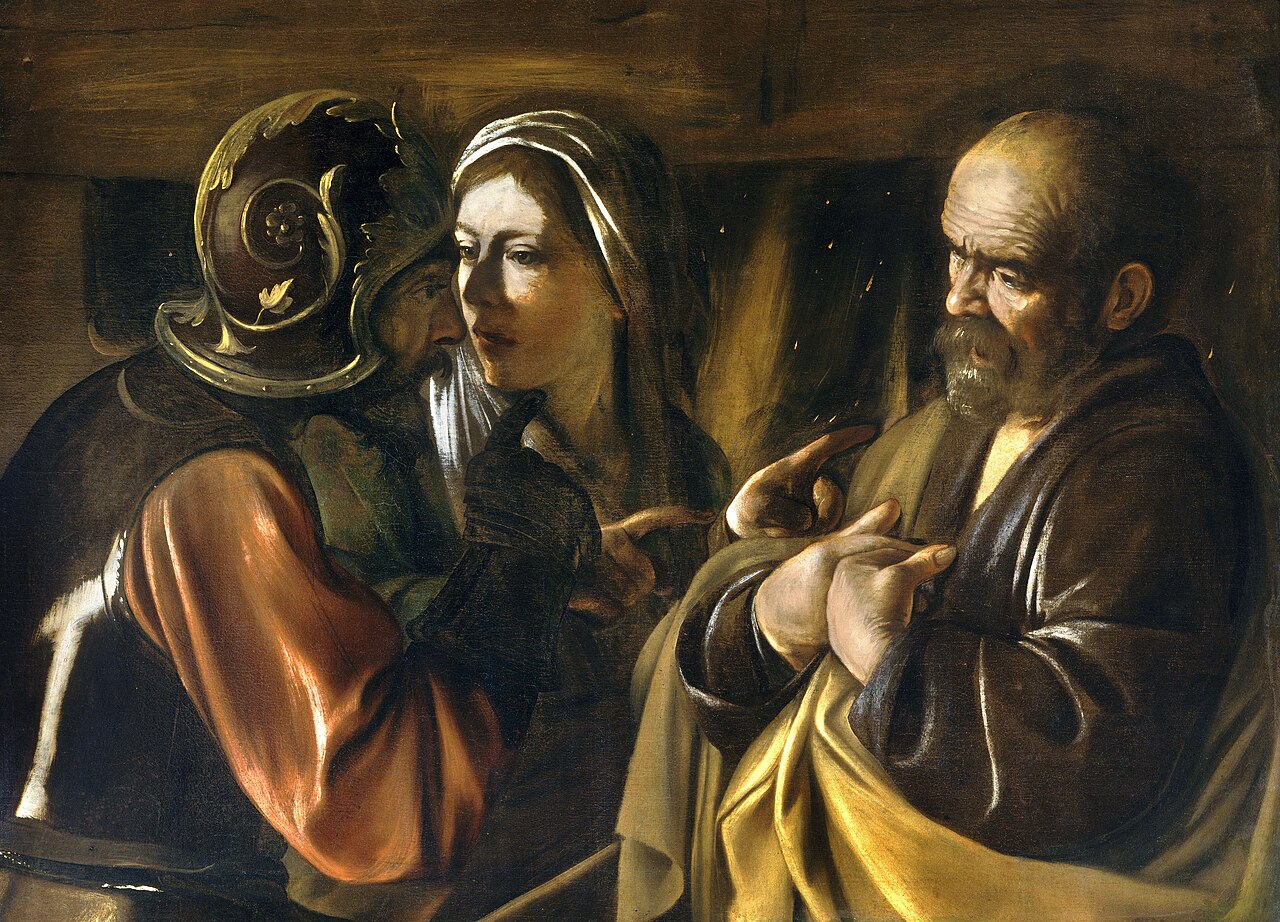
The Denial of Saint Peter
Caravaggio · c. 1610
Caravaggio's late painting showing Peter being accused of following Jesus and denying it at the fire.
This painting captures Peter's act of denying Jesus, a defining moment of weakness and later redemption in his story.
About this source
What it is
Painted around 1610 by Caravaggio, probably in his final year, this canvas shows Peter being confronted by a servant woman and a soldier after Jesus's arrest. It is now in the Metropolitan Museum of Art in New York.
Why it matters
The painting depicts a pivotal moment in the Gospel accounts: Peter denying he knew Jesus three times, as Jesus had predicted. Created near the end of Caravaggio's turbulent life, after he had survived a violent attack, the work's loose brushwork reflects his declining health. It later passed through the hands of painters and collectors including Guido Reni before reaching the Met.
Look closer
- What expressions and gestures does Caravaggio use to show Peter's fear and guilt?
- Why might an artist choose this moment of human weakness rather than a triumphant scene of Peter?
- How does the lighting direct your attention in the painting?
This painting is part of the curated material that grounds the AI version of Saint Peter and Caravaggio on Humy.ai — when students ask about related events, the AI can quote it and cite it.
More Saint Peter sources
Browse all 95 →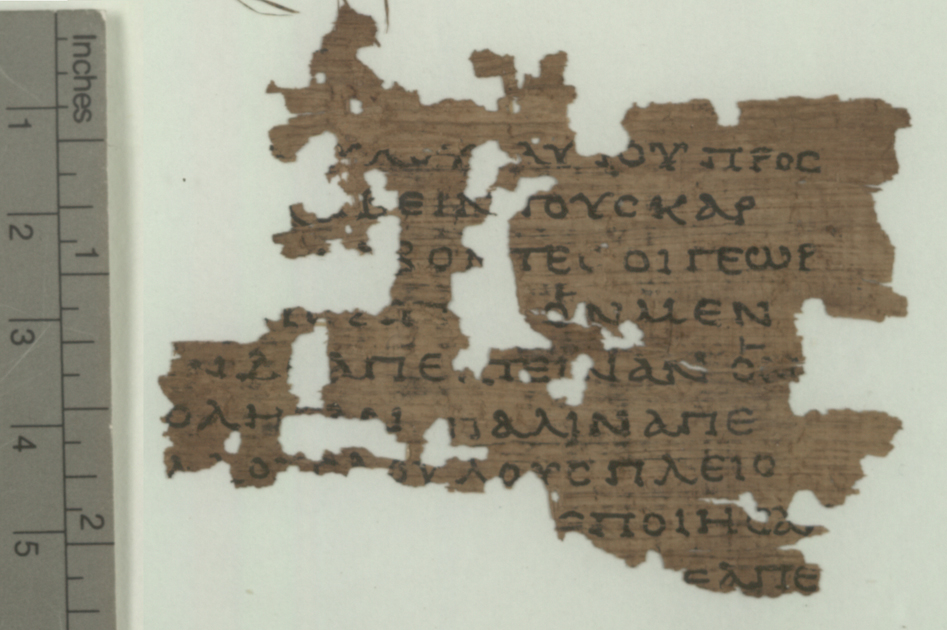 Book
Secondary source
Gospel of Matthew
Matthew the Apostle · late 1st century AD
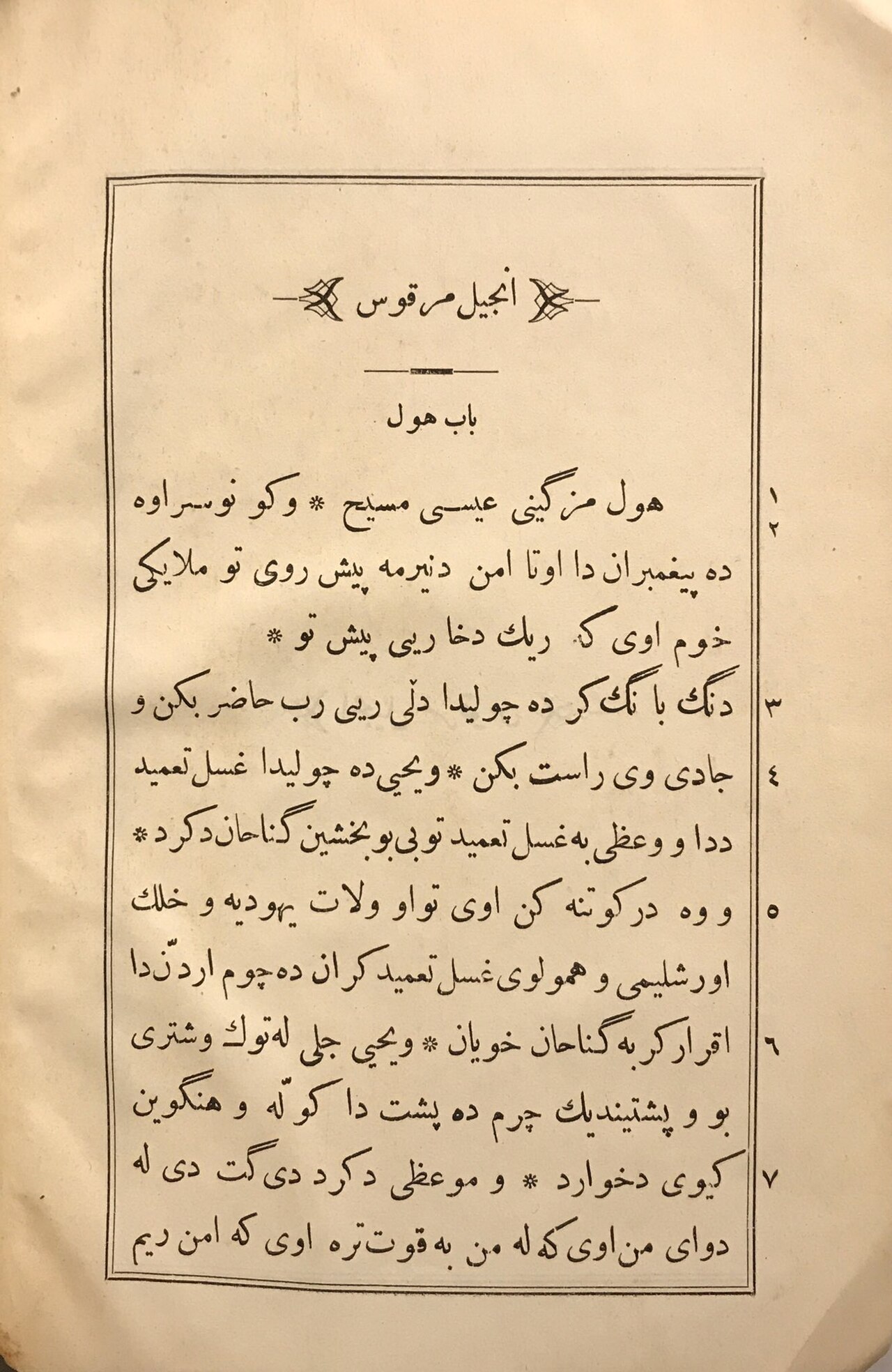 Book
Secondary source
Gospel of Mark
Mark the Evangelist · c. AD 66-75
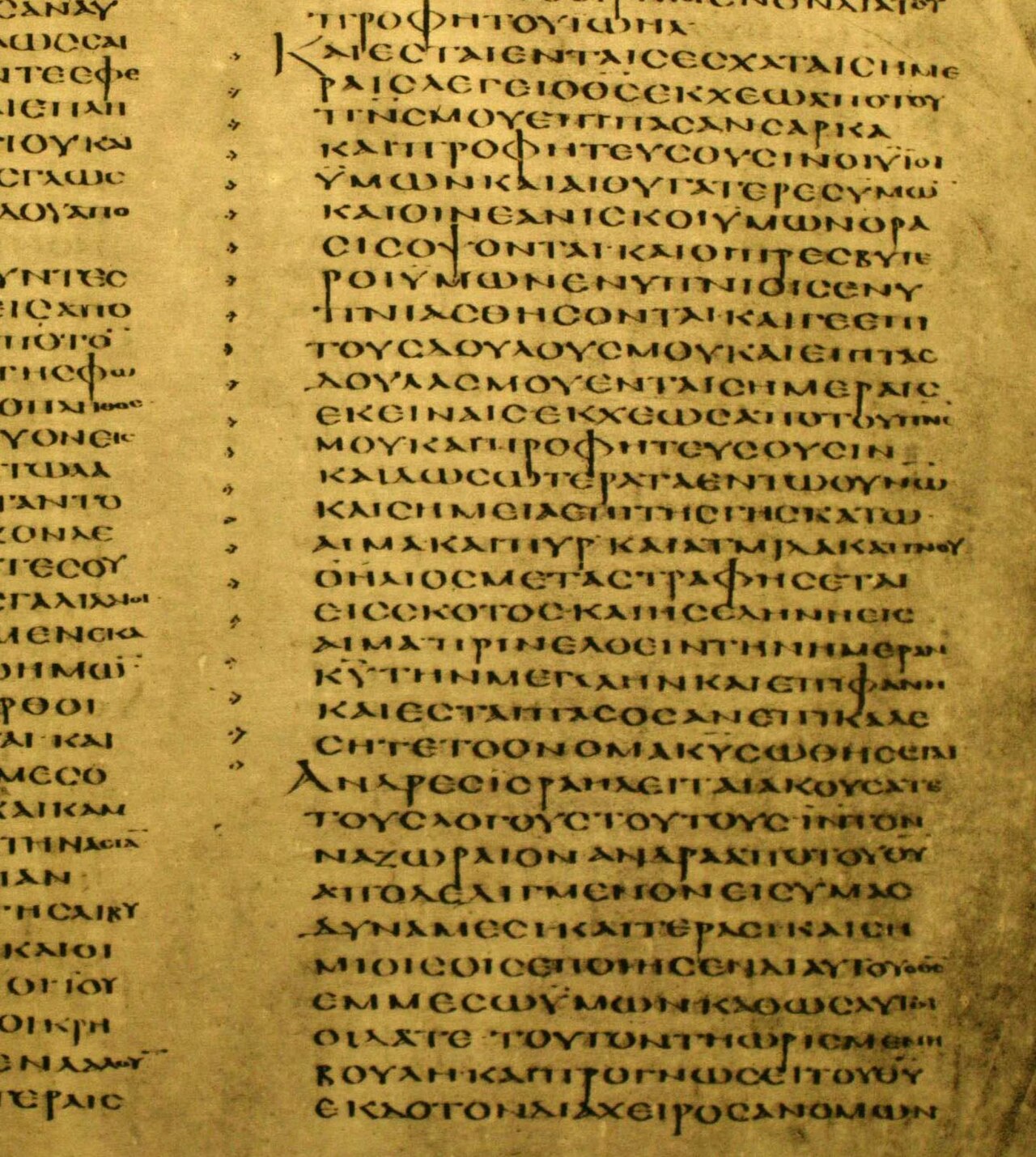 Book
Secondary source
Acts of the Apostles
Luke the Evangelist · c. 80-90 AD
 Letter
Primary source
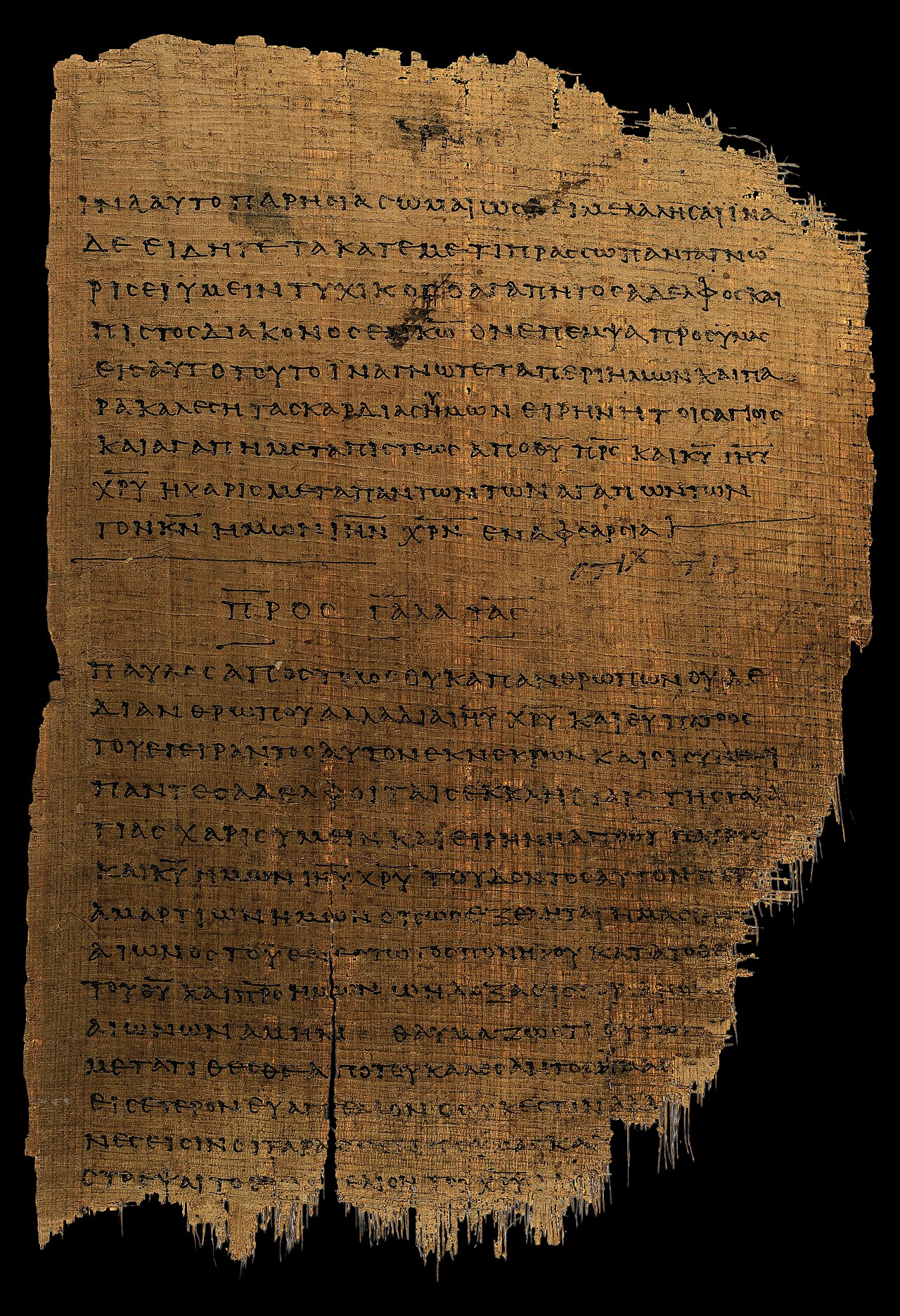
Epistle to the Galatians
Paul the Apostle · c. AD 48
Free account
Read every Saint Peter source
Sign up free →
Ready when you are
Start chatting with Saint Peter now.
20 messages free · No credit card · Available in 50+ languages.