


Secondary sourcePainting1660
The Denial of Saint Peter (Rembrandt)
Rembrandt · 1660
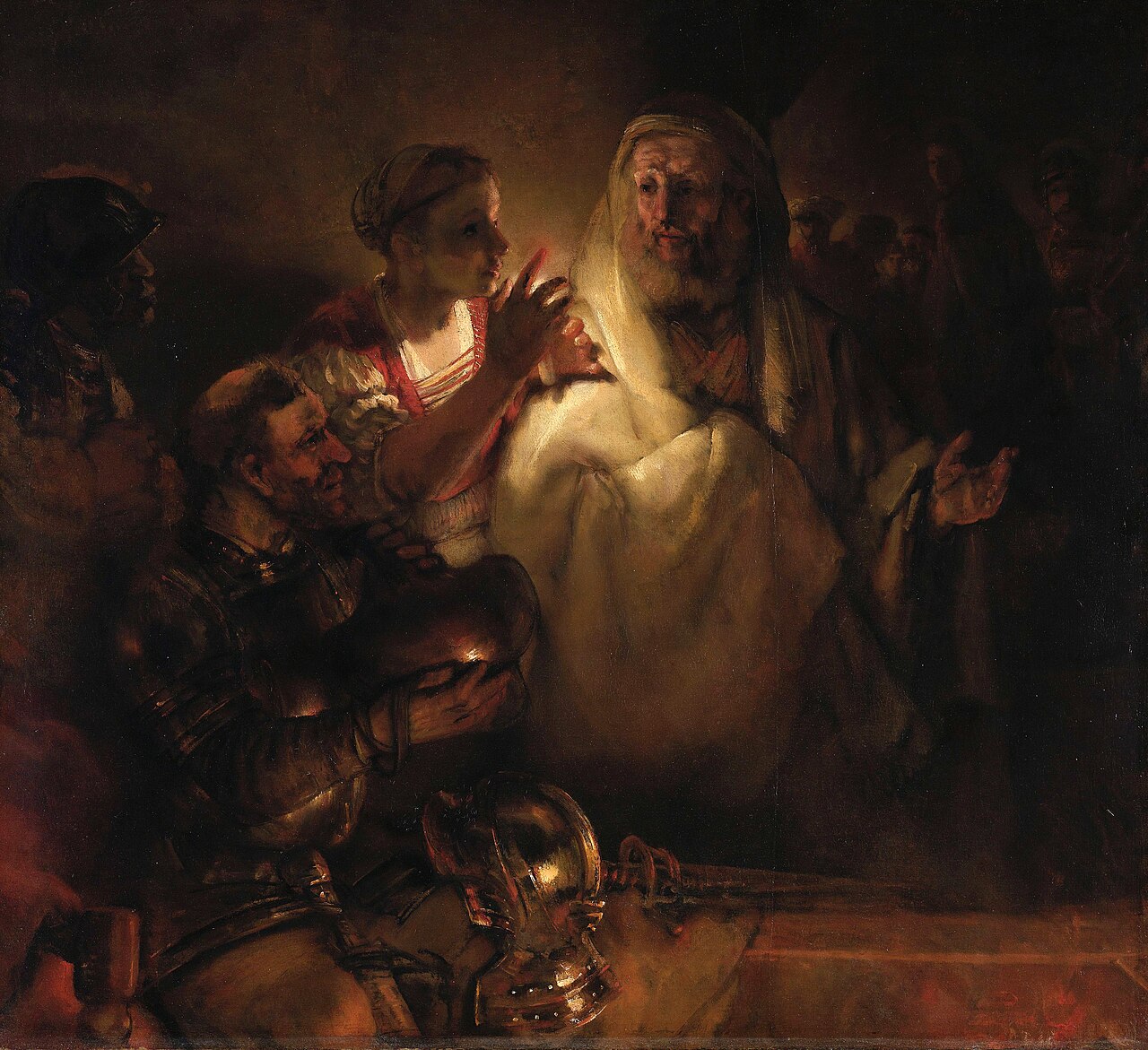
Rembrandt's 1660 candlelit painting of Peter denying he knew Jesus, with Christ visible in the background.
This painting portrays the moment Peter denies knowing Jesus, a central and humanizing episode in his story.
About this source
What it is
Painted and signed by Rembrandt in 1660, this large canvas shows Peter in a white robe gesturing in denial as a servant woman holds a candle and points at him, while armed guards look on and Christ is led away in the background. It is held today in the Rijksmuseum, Amsterdam.
Why it matters
Rembrandt never traveled to Italy but likely based his composition on prints after Flemish paintings, showing how artistic ideas spread across Europe through engravings. The painting later belonged to the Russian imperial collection before being sold by the Soviet government and eventually bought by the Rijksmuseum.
Look closer
- How does Rembrandt use candlelight to draw attention to specific faces and gestures?
- What does Peter's expression suggest about his inner conflict?
- Why do you think the artist placed Christ small and distant in the background?
This painting is part of the curated material that grounds the AI version of Saint Peter and Rembrandt on Humy.ai — when students ask about related events, the AI can quote it and cite it.
More Saint Peter sources
Browse all 95 →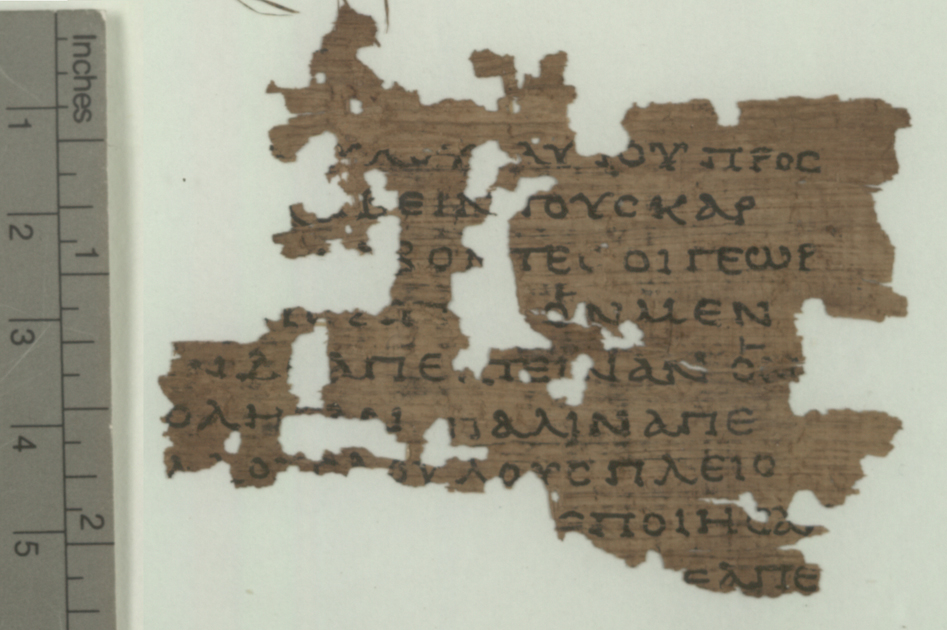 Book
Secondary source
Gospel of Matthew
Matthew the Apostle · late 1st century AD
 Book
Secondary source
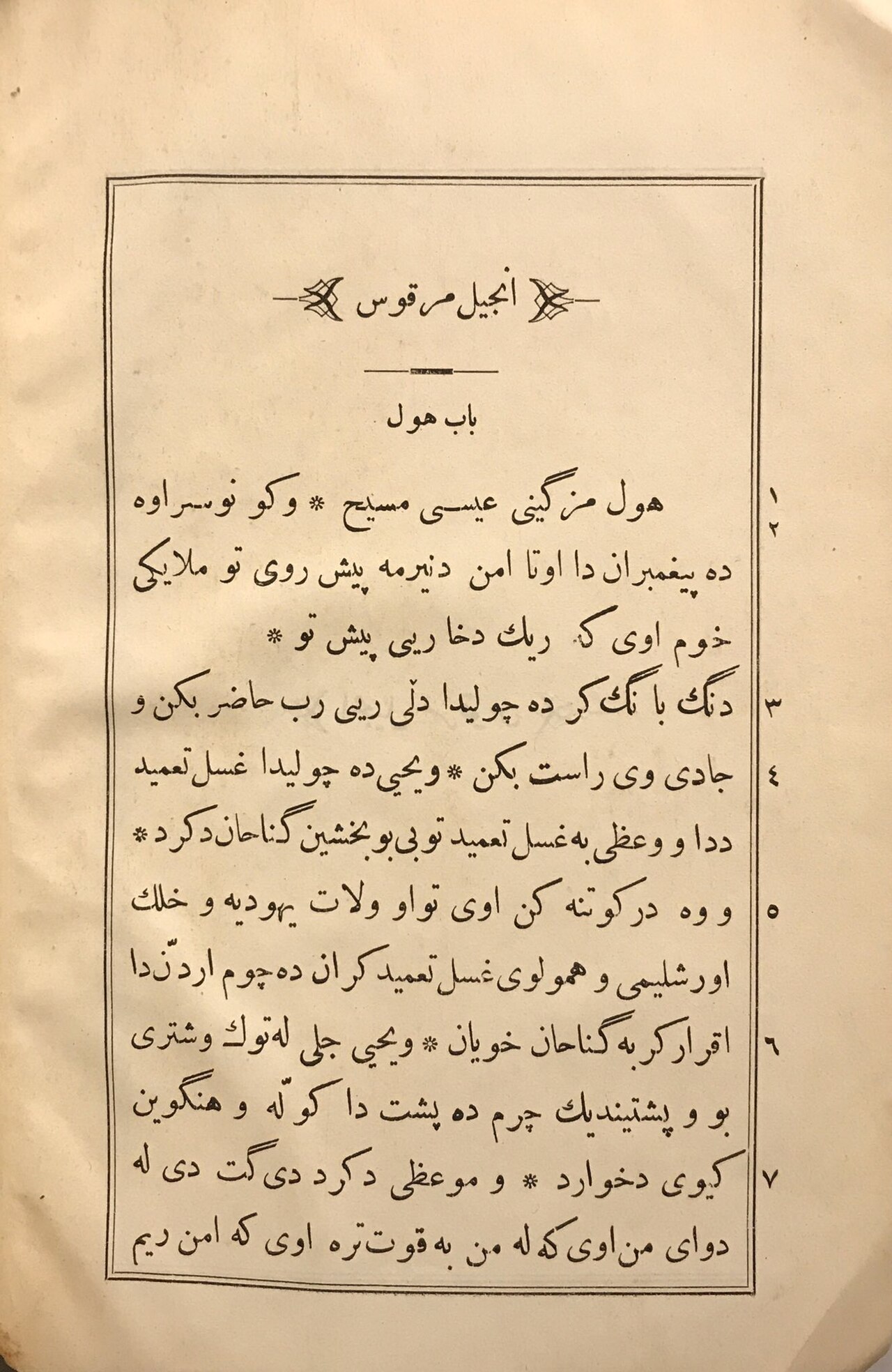
Gospel of Mark
Mark the Evangelist · c. AD 66-75
 Book
Secondary source
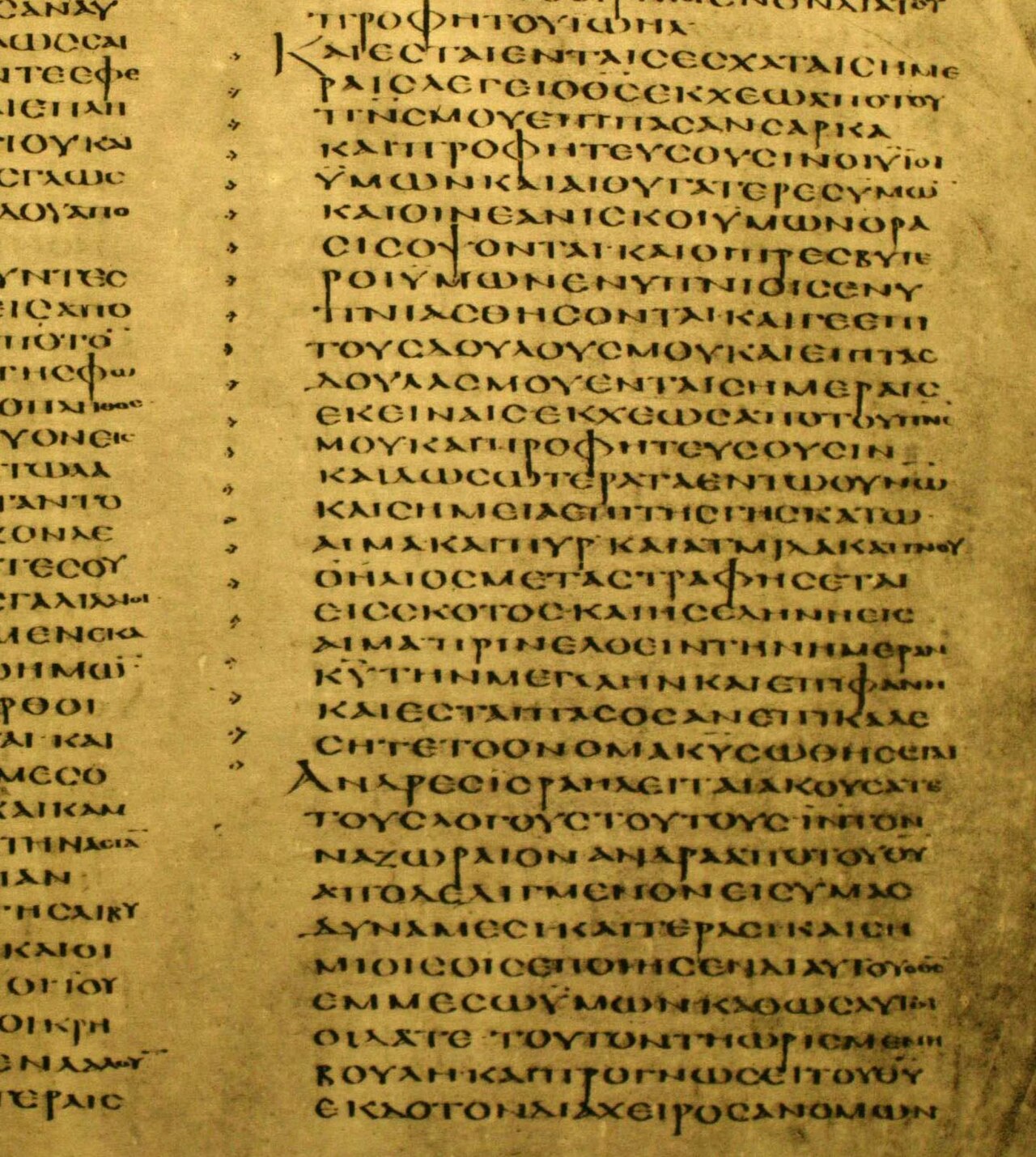
Acts of the Apostles
Luke the Evangelist · c. 80-90 AD
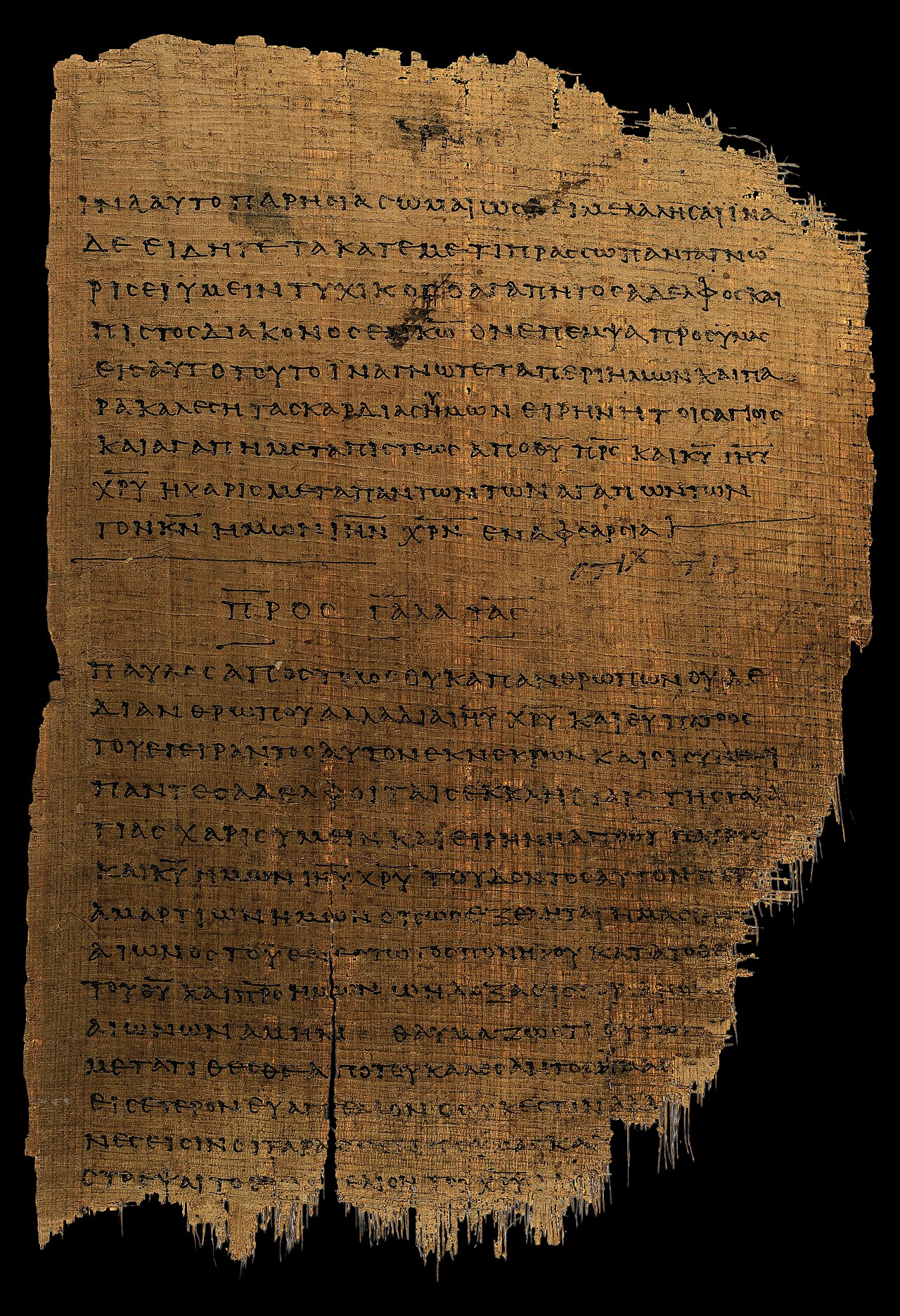 Letter
Primary source
Epistle to the Galatians
Paul the Apostle · c. AD 48
Free account
Read every Saint Peter source
Sign up free →
Ready when you are
Start chatting with Saint Peter now.
20 messages free · No credit card · Available in 50+ languages.