


Primary sourcePainting1850
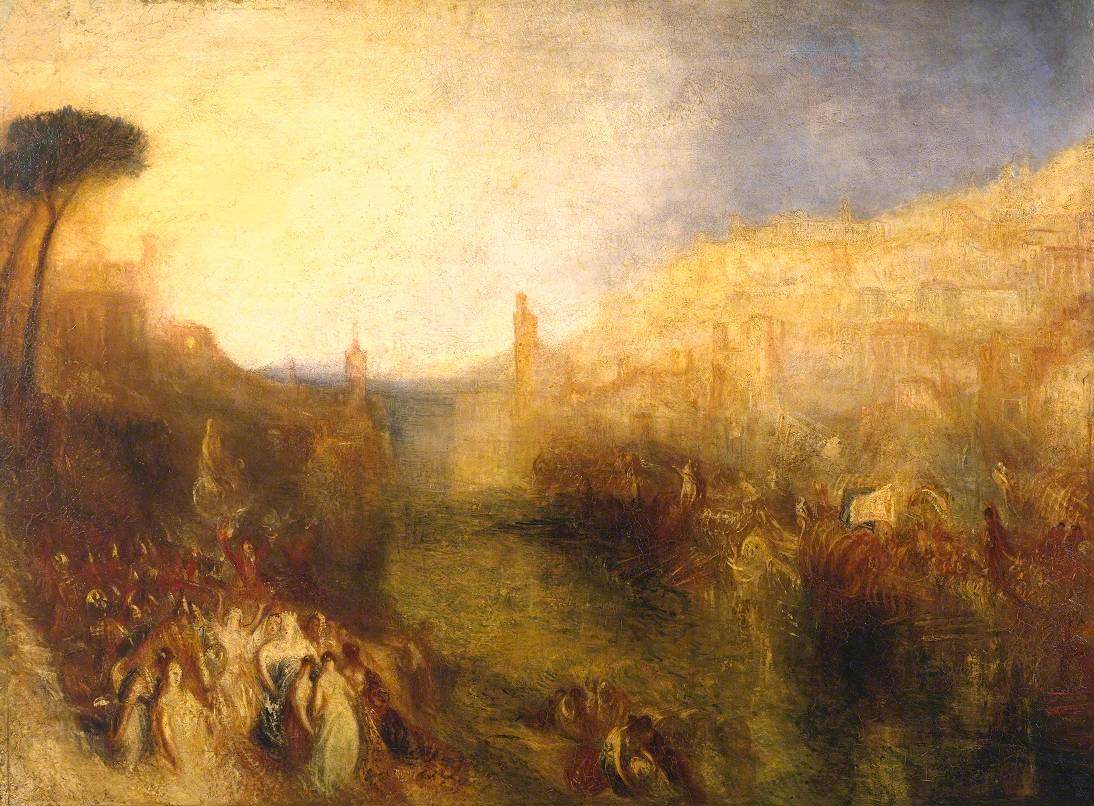
The Departure of the Fleet
J. M. W. Turner · 1850
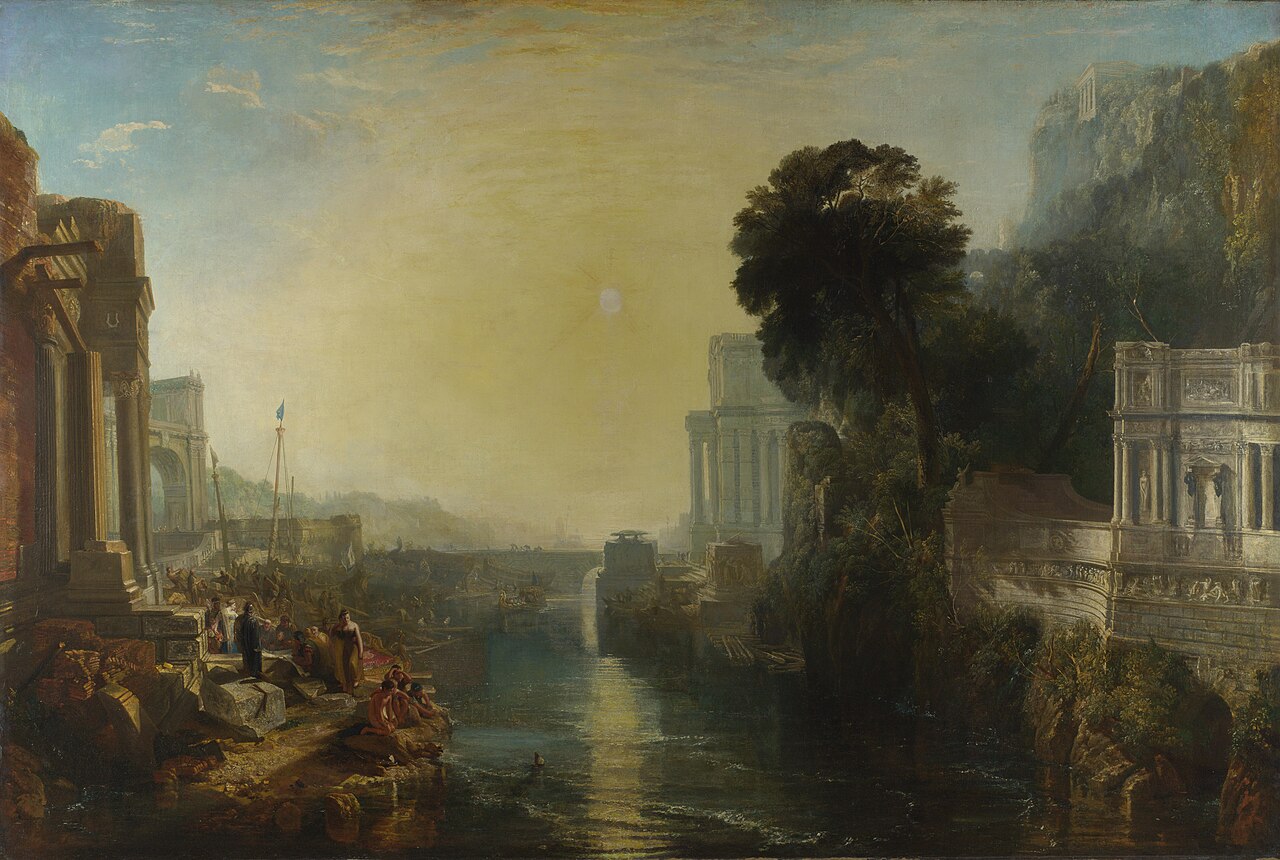
One of Turner's last paintings, shown in 1850, depicting the Trojan hero Aeneas's fleet leaving Carthage.
One of the final paintings Turner exhibited, showing his artistic concerns at the close of his life.
About this source
What it is
This is an 1850 history painting by J. M. W. Turner, inspired by classical writing about the Trojan hero Aeneas. It shows his fleet departing from Carthage, with the Carthaginian Queen Dido and her attendants watching from the shore. It was one of four paintings Turner exhibited at the Royal Academy's Summer Exhibition in 1850 and is now at Tate Britain, having entered the collection through the Turner Bequest of 1856.
Why it matters
Painted near the very end of Turner's life and career, this work is part of a group of four Aeneas paintings that closed his output as an exhibiting artist. It shows his lifelong interest in classical and literary subjects, treated through his signature use of light and atmosphere rather than sharp detail.
Look closer
- How does Turner use light and haze to create a mood of departure?
- Why might an artist near the end of his career choose a classical story about leaving a place?
- What story elements can you identify from the figures and ships shown?
This painting is part of the curated material that grounds the AI version of J. M. W. Turner on Humy.ai — when students ask about related events, the AI can quote it and cite it.
More J. M. W. Turner sources
Browse all 98 →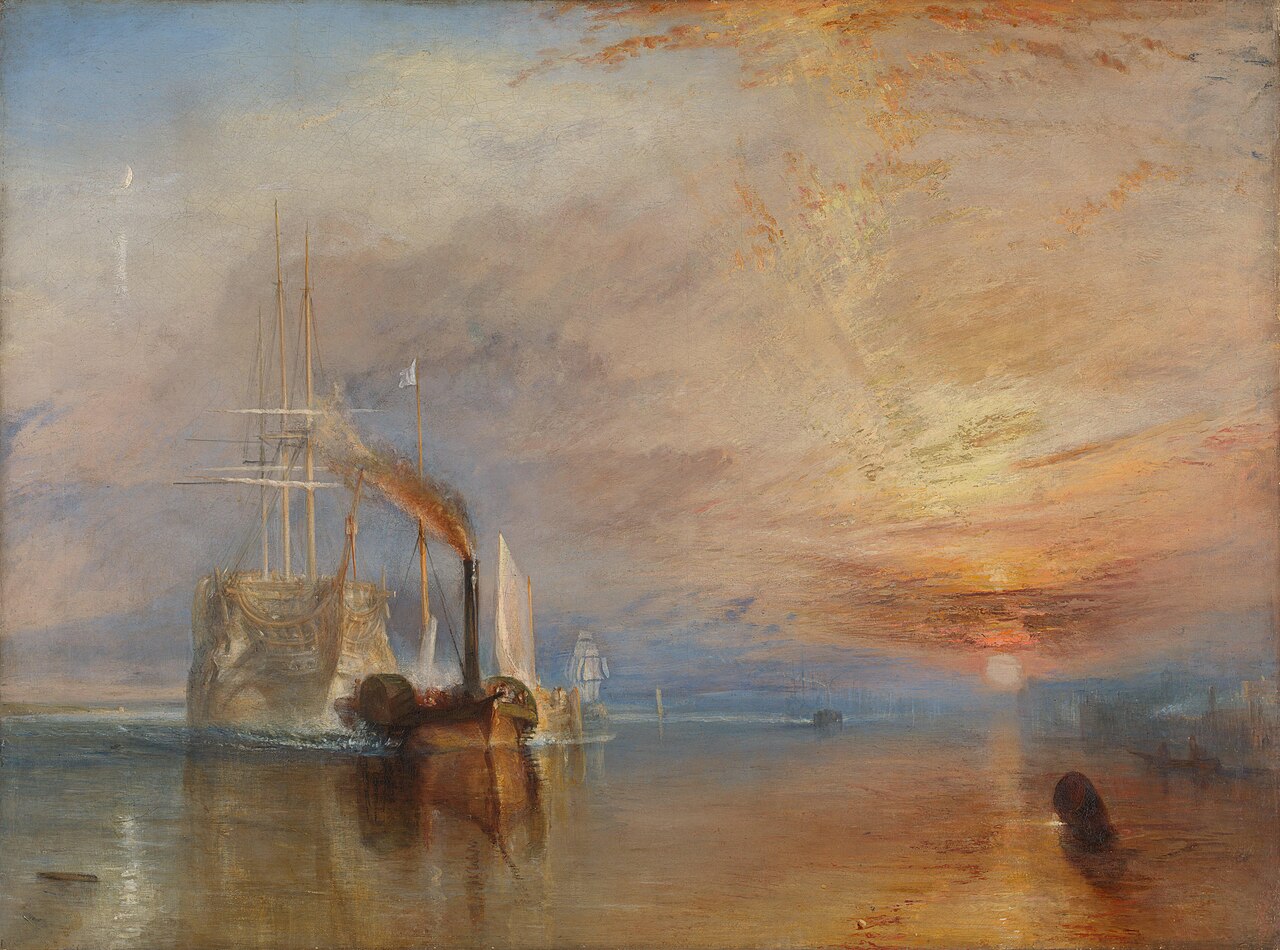 Painting
Primary source
The Fighting Temeraire
J. M. W. Turner · 1839
 Painting
Secondary source
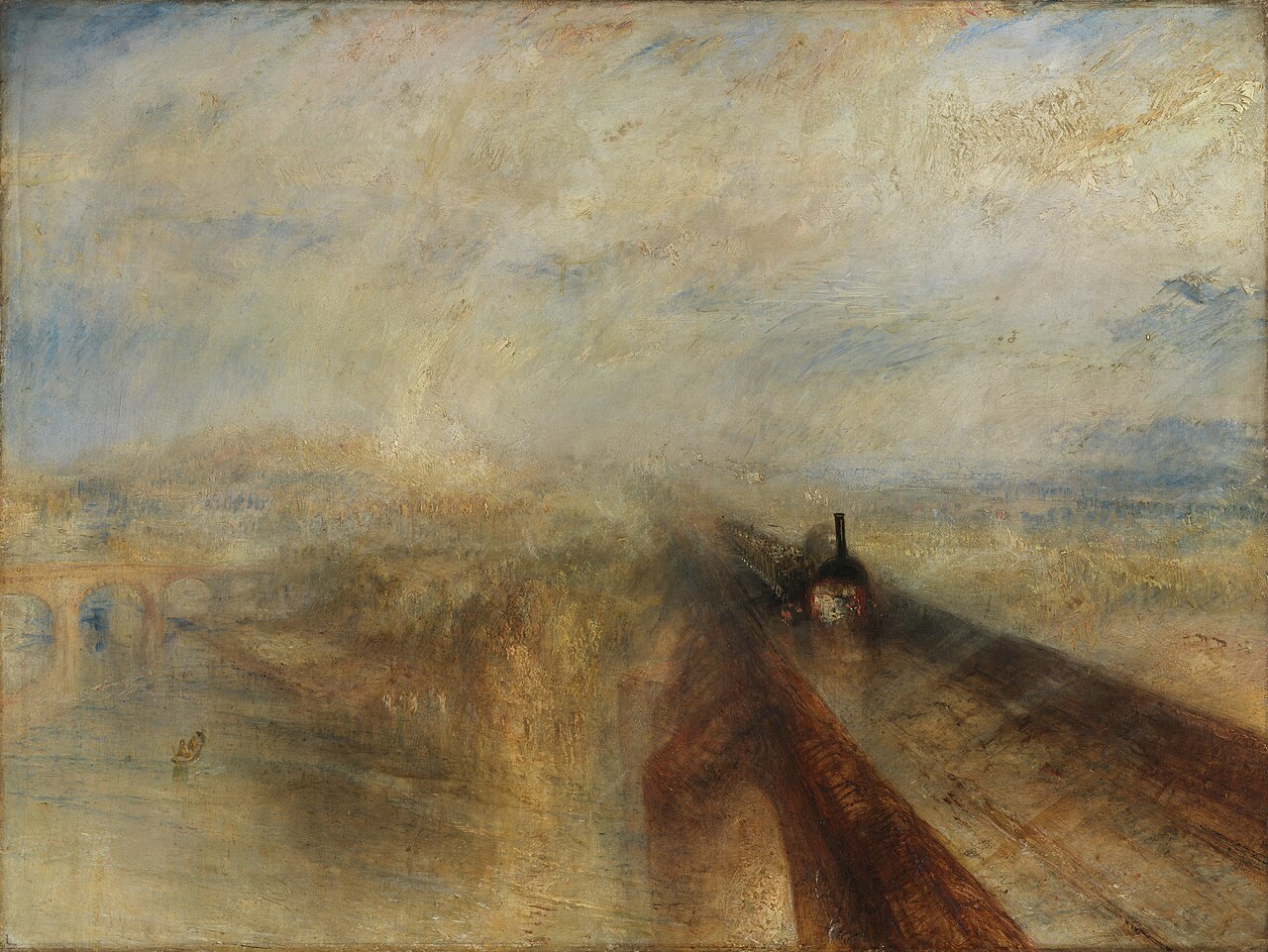
Rain, Steam and Speed – The Great Western Railway
J. M. W. Turner · 1844
 Painting
Secondary source
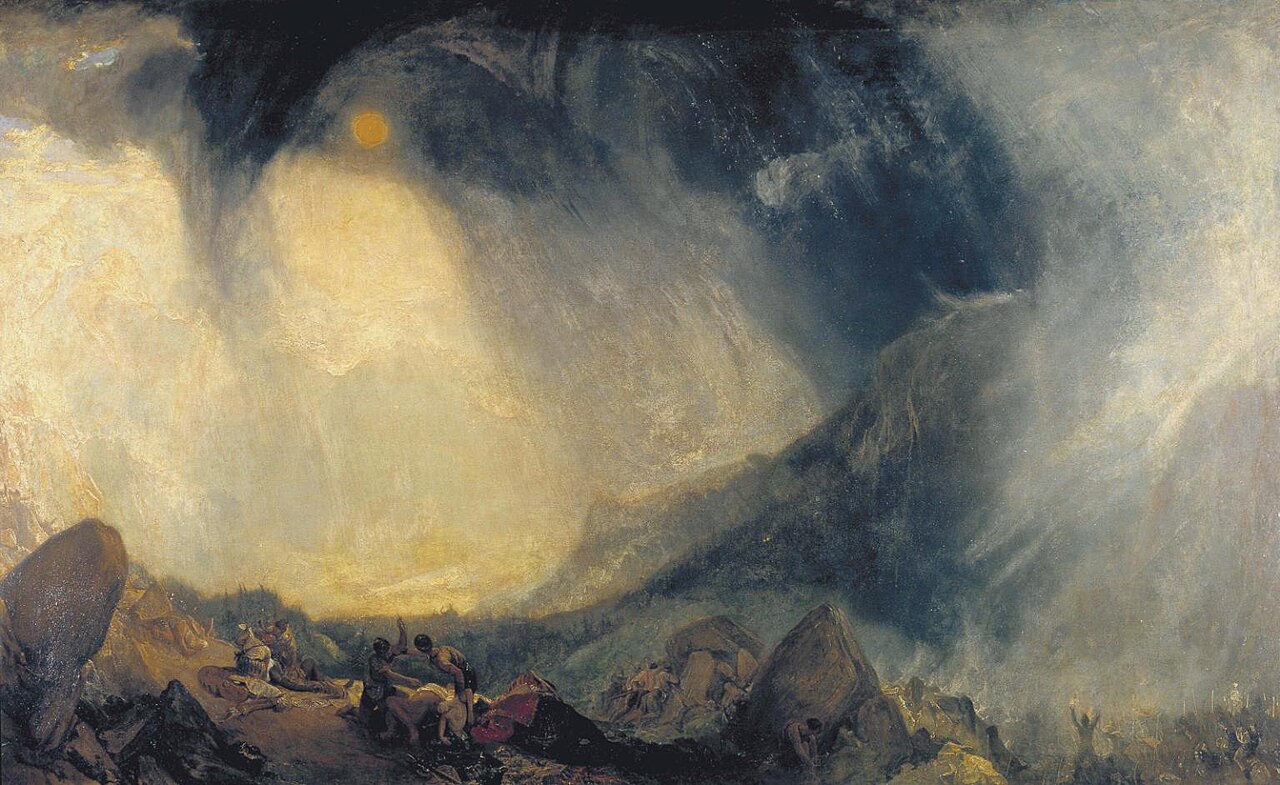
Snow Storm: Hannibal and his Army Crossing the Alps
J. M. W. Turner · 1812
 Painting
Primary source
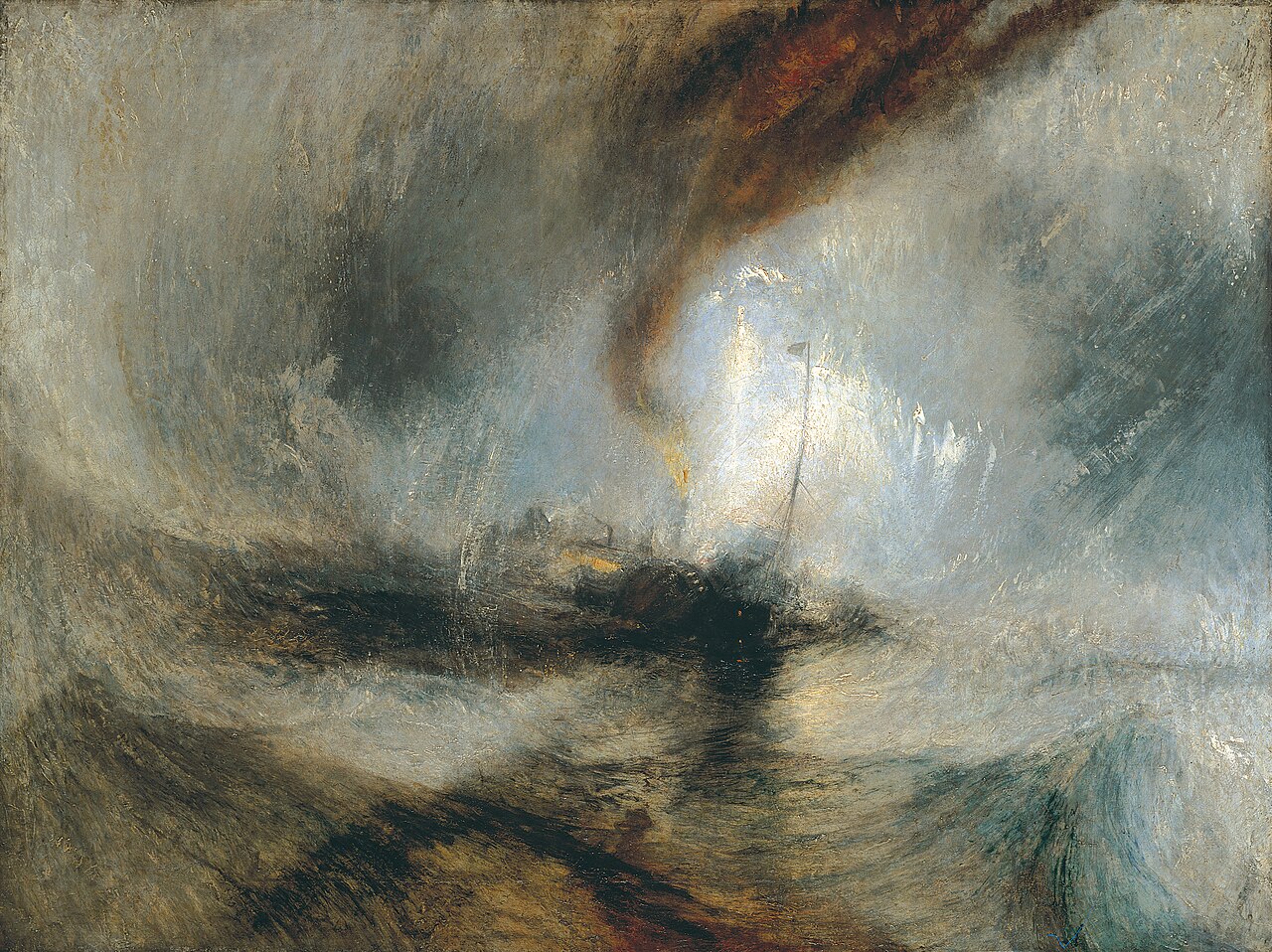
Snow Storm: Steam-Boat off a Harbour's Mouth
J. M. W. Turner · 1842
Free account
Read every J. M. W. Turner source
Sign up free →
Ready when you are
Start chatting with J. M. W. Turner now.
20 messages free · No credit card · Available in 50+ languages.