


Primary sourceBook1877
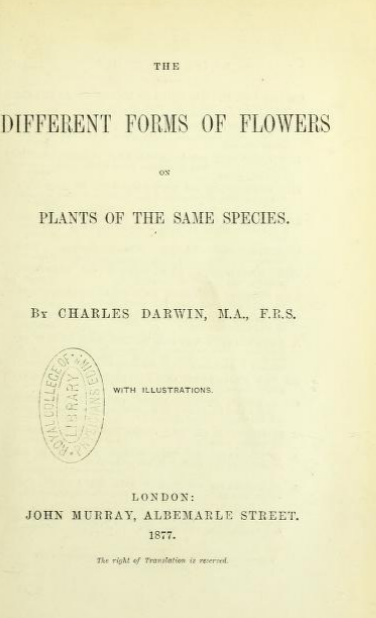
The Different Forms of Flowers on Plants of the Same Species
Charles Darwin · 1877
Darwin's 1877 book on heterostyly in primroses and related plants, dedicated to his friend Asa Gray, showing flowers as evidence for adaptation.
Darwin wrote this book, presenting years of his own experiments on flower structure and fertility.
About this source
What it is
This book by Charles Darwin was published in 1877 by John Murray in London. It studies plants such as the cowslip and primrose that produce two or three different flower forms, with stamens and styles of varying lengths. Darwin's son Francis Darwin assisted with the research and later wrote a preface to a second edition. The book was dedicated to the botanist Asa Gray.
Why it matters
Darwin showed, through many pollination experiments, that these different flower forms exist to encourage cross-fertilisation between plants, increasing fertility. This extended his theory of natural selection into fine structural detail, demonstrating how seemingly odd variations serve a clear evolutionary purpose. Francis Darwin later said this was work his father found especially satisfying.
Look closer
- What does the title page tell you about where and when this book was printed?
- Why might Darwin have dedicated this book to a fellow scientist rather than a family member?
- How might years of patient observation of ordinary flowers lead to a new scientific idea?
This book is part of the curated material that grounds the AI version of Charles Darwin on Humy.ai — when students ask about related events, the AI can quote it and cite it.
More Charles Darwin sources
Meet the AI Charles Darwin →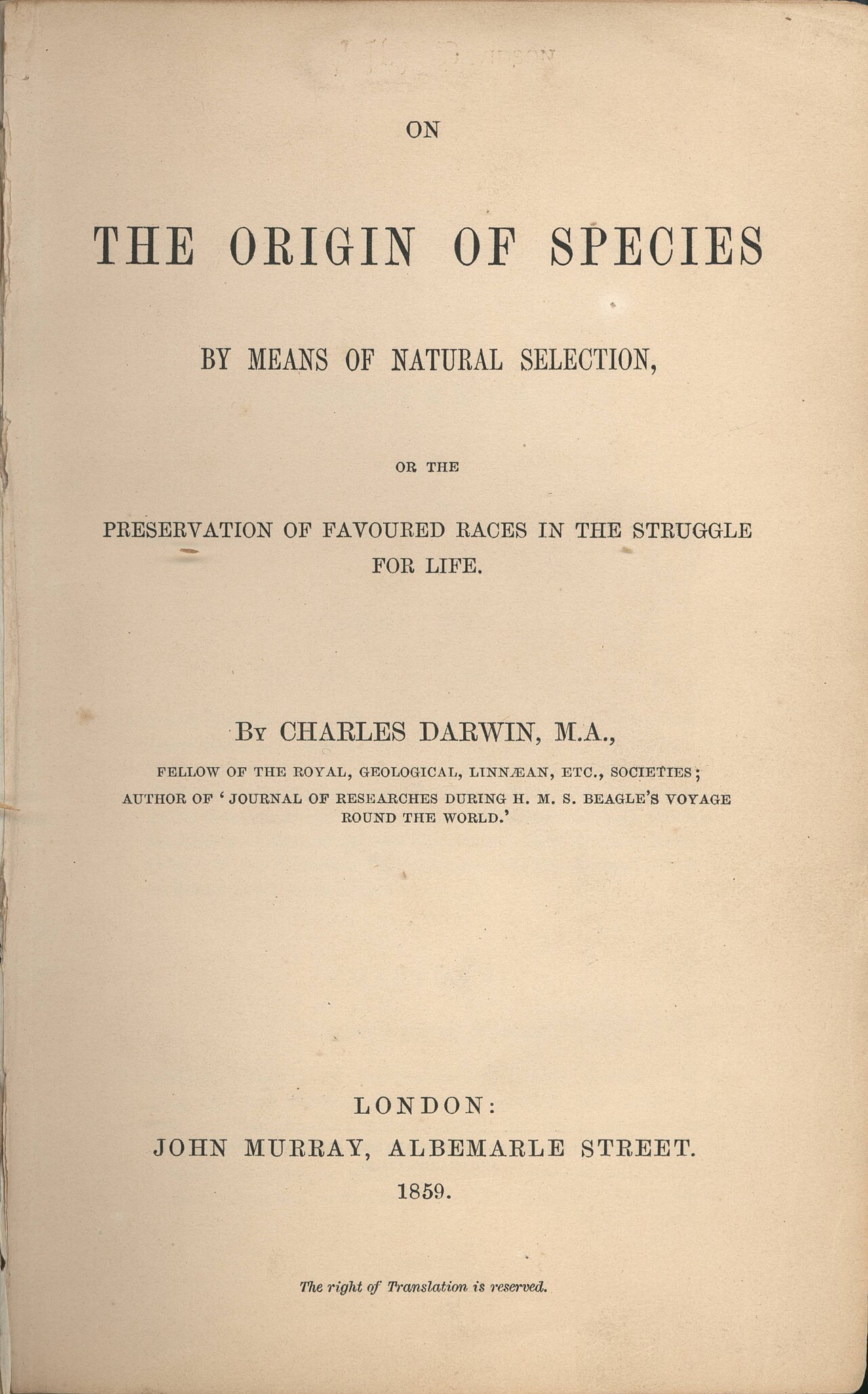 Book
Primary source
On the Origin of Species
Charles Darwin · 1859
 Diary entry
Primary source
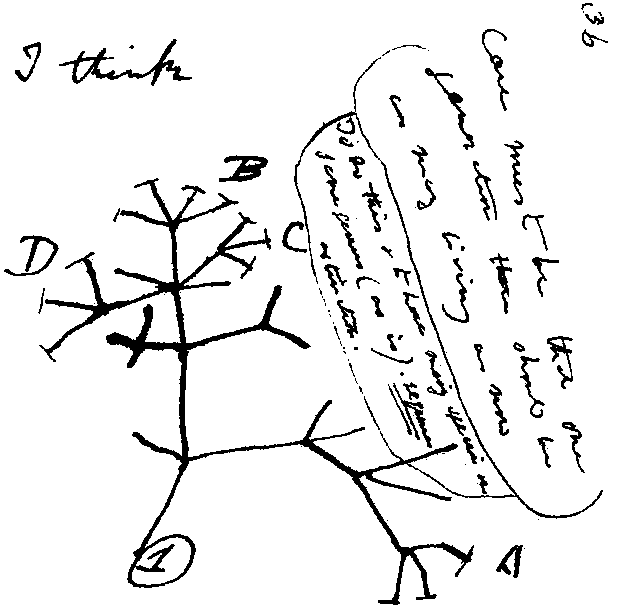
Notebook B 'I think' Tree of Life Sketch
Charles Darwin · c. July 1837
 Document
Primary source
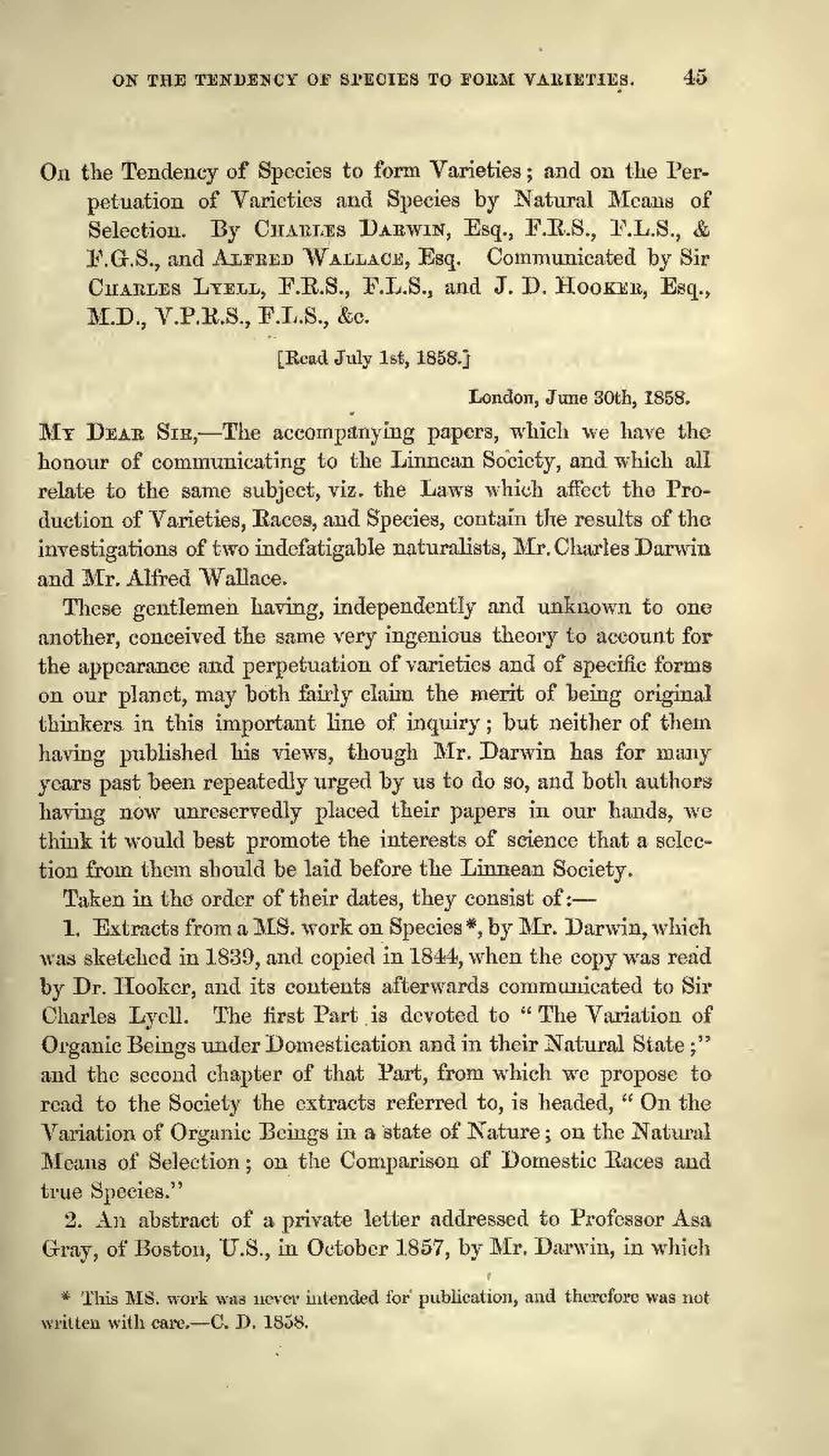
On the Tendency of Species to Form Varieties
Charles Darwin / Alfred Russel Wallace · 1858
 Photograph
Primary source
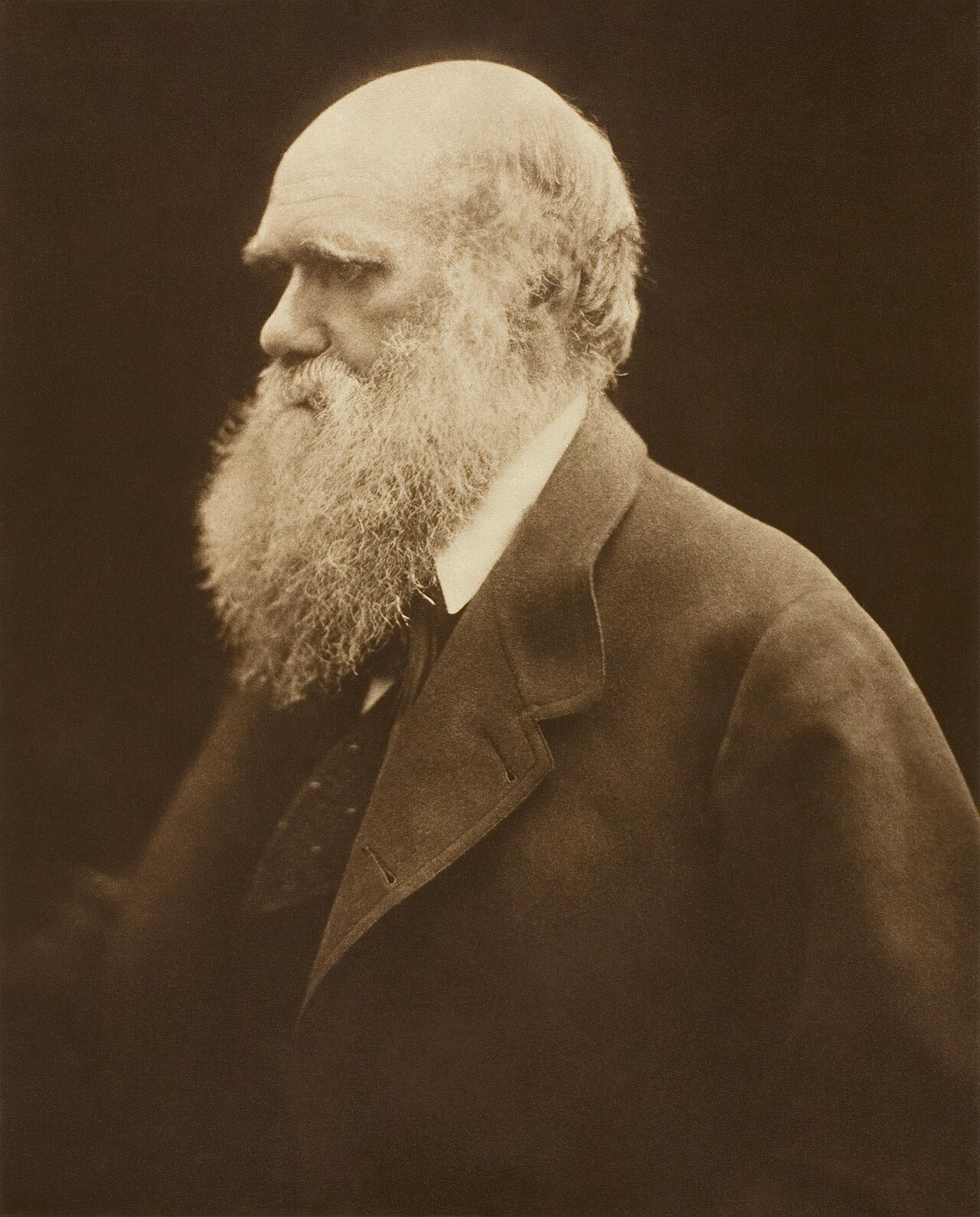
Charles Darwin by Julia Margaret Cameron
Julia Margaret Cameron · c. 1868
 Book
Primary source
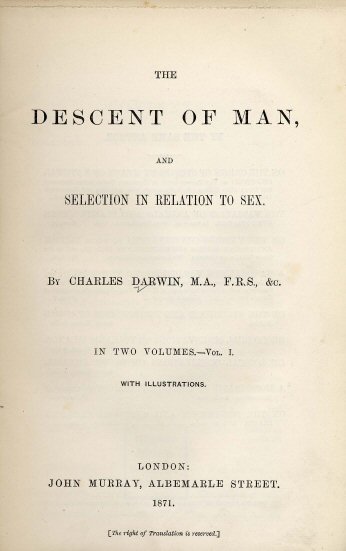
The Descent of Man, and Selection in Relation to Sex
Charles Darwin · 1871
Ready when you are
Start chatting with Charles Darwin now.
20 messages free · No credit card · Available in 50+ languages.