


Secondary sourceArtifact1570
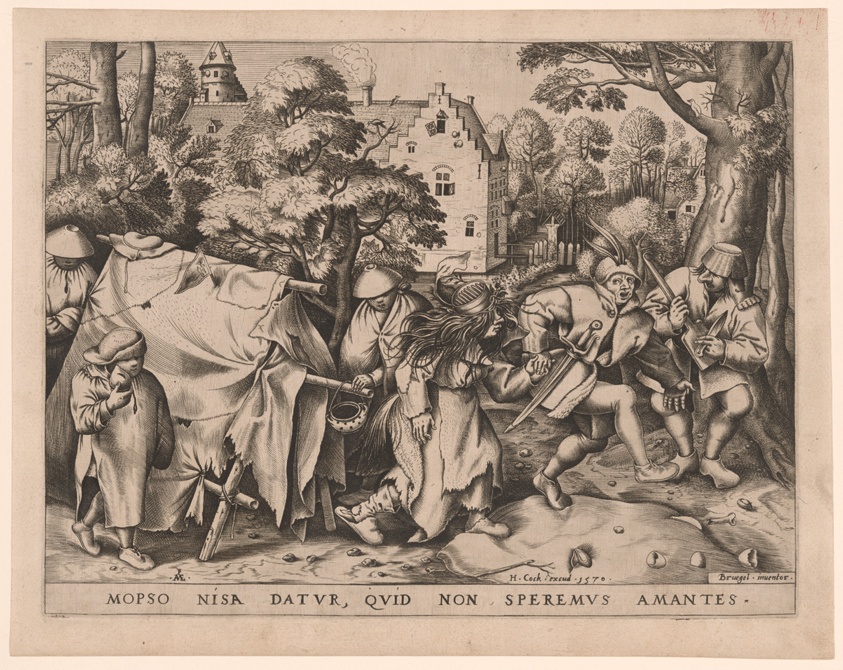
The Dirty Bride, or The Wedding of Mopsus and Nisa
Pieter van der Heyden · 1570
A 1570 engraving by Pieter van der Heyden after Bruegel's satirical wedding design, showing a rough rural celebration with a brawl.
This satirical print reproduces a wedding design by Bruegel, showing his mocking view of rural life as it was copied after his death.
About this source
What it is
This is an engraving printed in black on cream laid paper, dated 1570. Pieter van der Heyden made it after a satirical wedding design by Pieter Bruegel the Elder. The Art Institute of Chicago holds it. The image shows a ragged woman with long loose hair kneeling and holding a bowl, a man with a sword and a figure with a hat in a fight, a tattered tent, and a manor house behind trees. A Latin inscription appears below.
Why it matters
Bruegel's satirical peasant scenes were popular enough to be copied as prints after his death. This engraving mocks a wedding feast, turning a celebration into a scene of disorder. Prints like this show how 16th-century Netherlandish audiences enjoyed humorous views of rural life, often seen from above by educated townspeople.
Look closer
- What details make the wedding look like a disorderly party rather than a celebration?
- Who seems to be the target of the joke, and who is laughing at whom?
- What does the Latin inscription add to the humour of the image?
This artifact is part of the curated material that grounds the AI version of Pieter Bruegel the Elder on Humy.ai — when students ask about related events, the AI can quote it and cite it.
More Pieter Bruegel the Elder sources
Browse all 96 →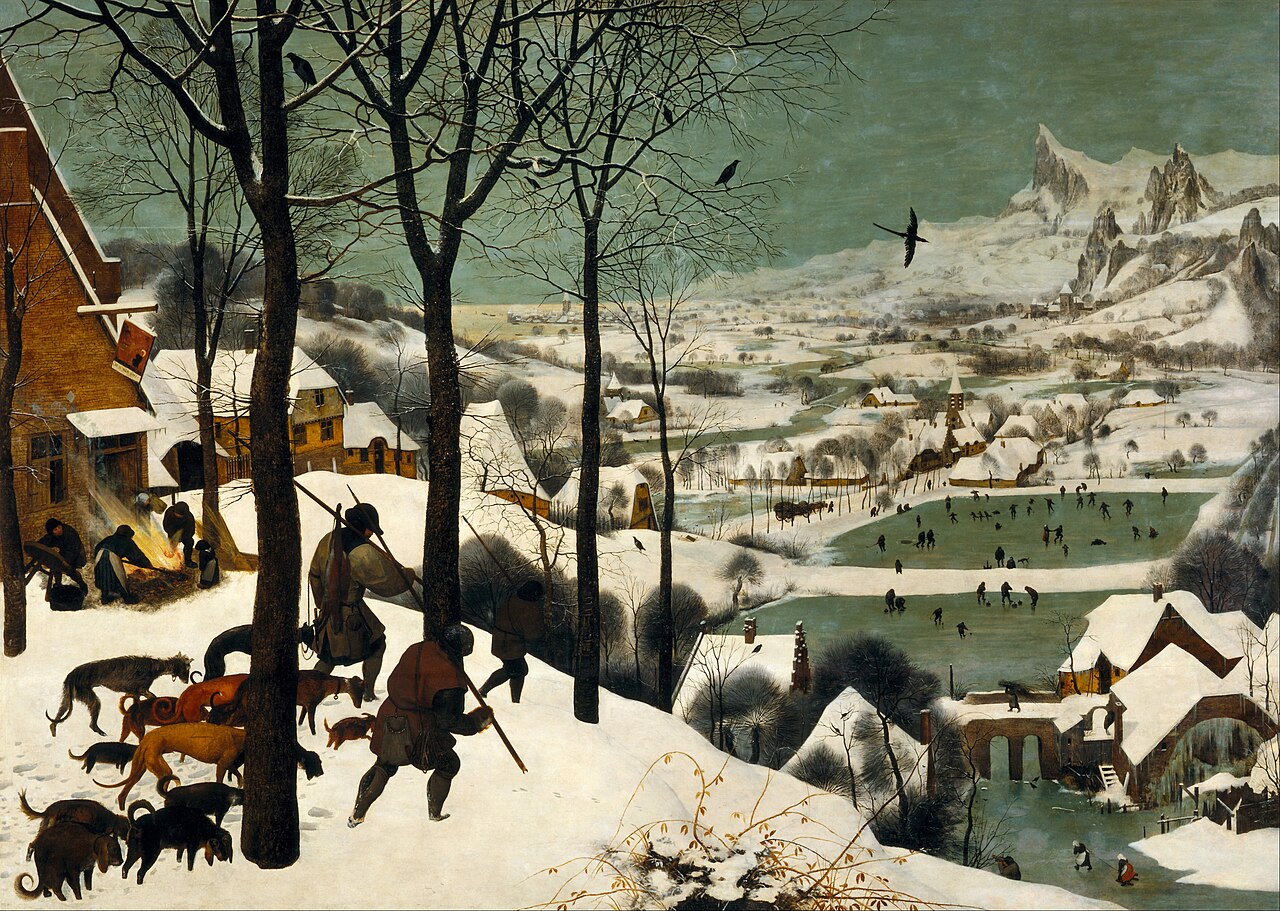 Painting
Primary source
The Hunters in the Snow
Pieter Bruegel the Elder · 1565
 Painting
Primary source
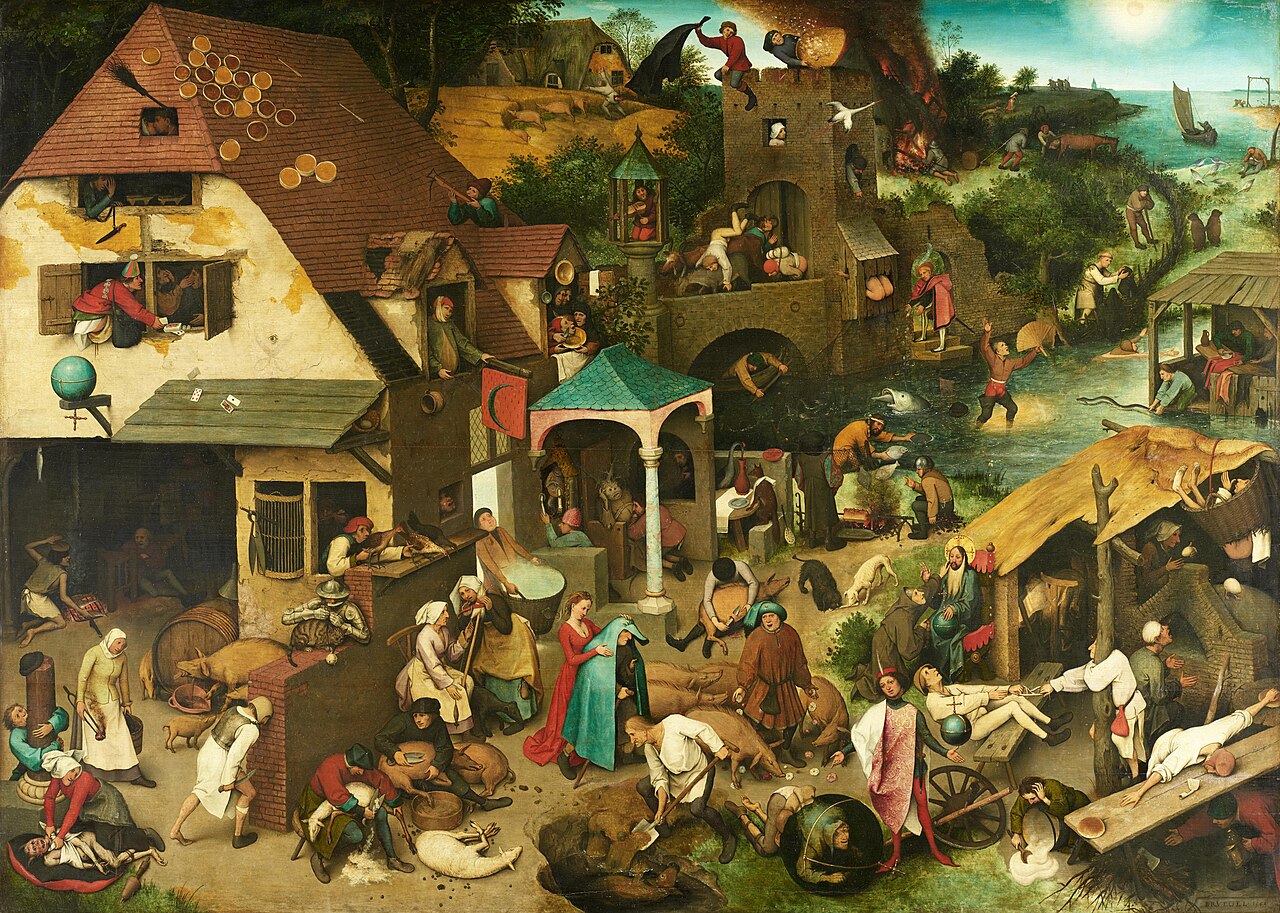
Netherlandish Proverbs
Pieter Bruegel the Elder · 1559
 Painting
Secondary source
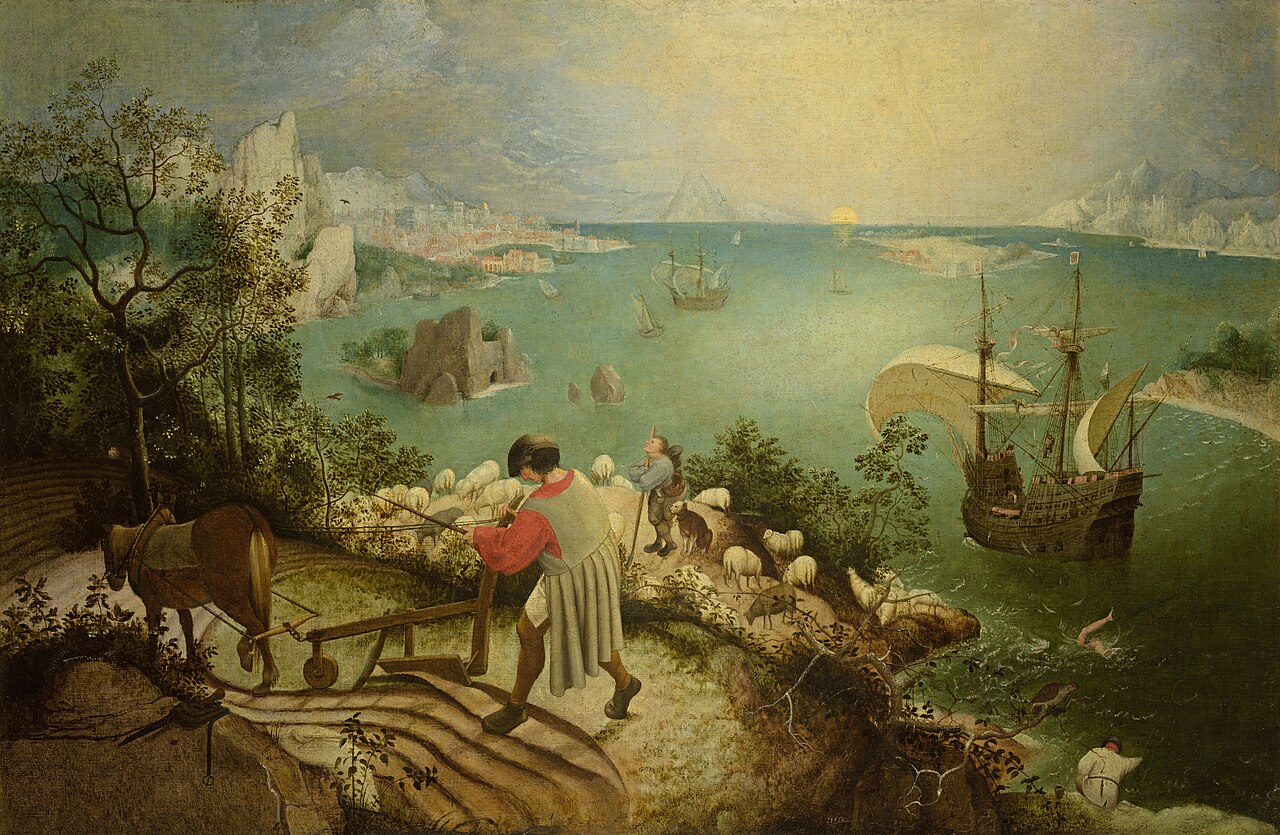
Landscape with the Fall of Icarus
Unknown (circle of Pieter Bruegel the Elder) · c. 1560s
 Painting
Primary source
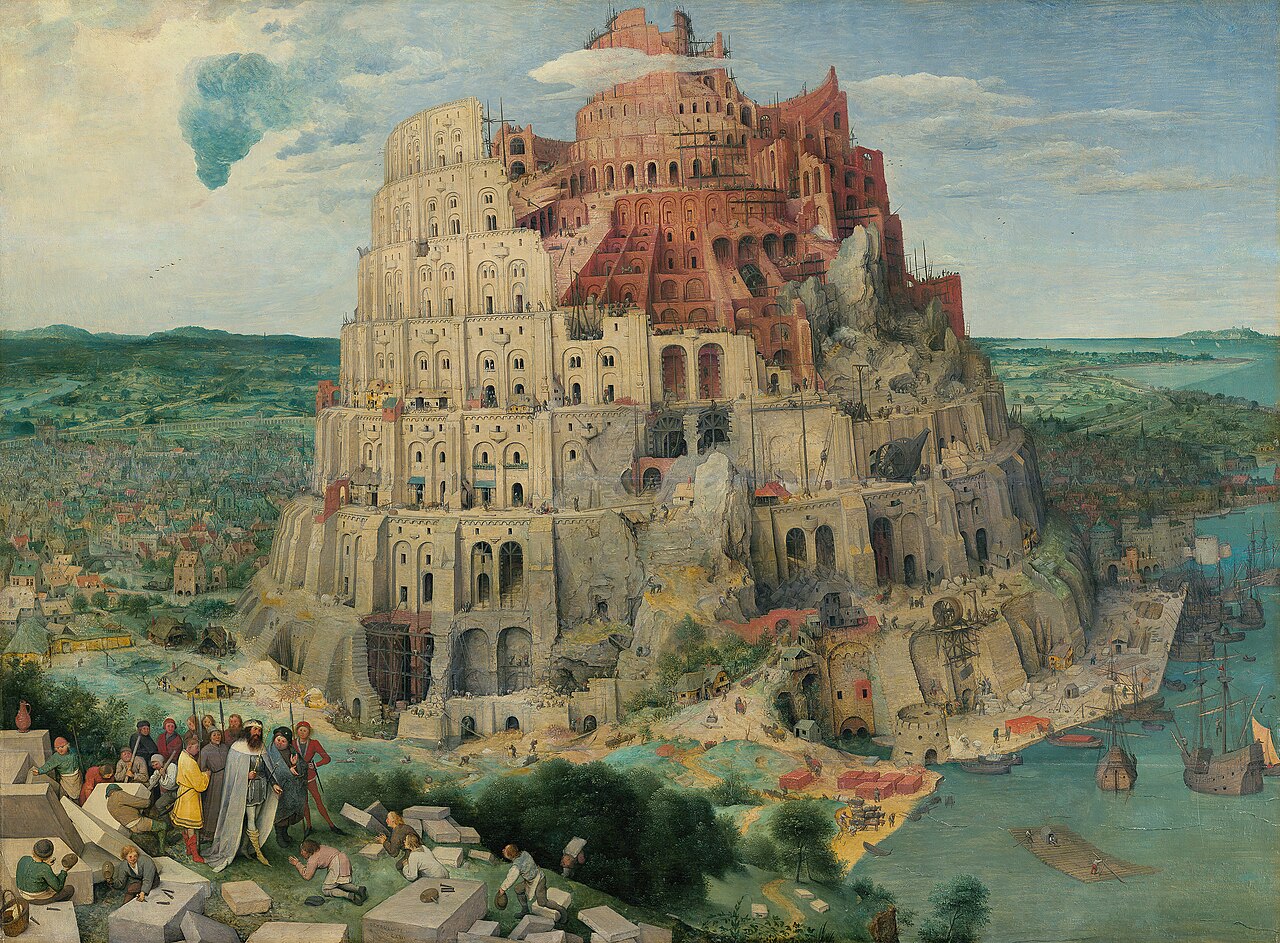
The Tower of Babel
Pieter Bruegel the Elder · 1563
Free account
Read every Pieter Bruegel the Elder source
Sign up free →
Ready when you are
Start chatting with Pieter Bruegel the Elder now.
20 messages free · No credit card · Available in 50+ languages.