


Primary sourceBook1633 (publication in Songs and Sonnets)
The Dissolution
John Donne · 1633 (publication in Songs and Sonnets)
A poem by John Donne from Songs and Sonnets about the death of a lover and the breaking down of the body into its elements.
Donne wrote this poem, which shows his use of learned ideas about the body and elements to express grief over a lover's death.
Free Humy account · No credit card · 118,535 sources to read
About this source
What it is
This is a poem by John Donne, listed on Wikisource in the collection Songs and Sonnets (1633). Donne wrote the words, so the poem is his own work. It begins with the idea that all things which die return to their first elements. The speaker describes how his body is bound up with that of his dead lover, and he uses images of fire, air, water and earth to describe his grief.
Why it matters
The poem draws on ideas about the four elements that were common in the learned thought of Donne's time. Its comparison of the body to a material made of elements shows how poets used ideas from natural philosophy and medicine. It also shows how Donne used such ideas to express grief and love in a personal way.
Look closer
- Which four elements does the speaker name, and how does he connect them to his own feelings?
- Why does the speaker say that his lover's death will lead to his own death?
- What does the poem not tell us about the lover as a real person?
This book is part of the curated material that grounds the AI version of John Donne on Humy.ai — when students ask about related events, the AI can quote it and cite it.
More John Donne sources
Browse all 83 →Primary source
Poems
John Donne · 1633
Primary source
Death Be Not Proud
John Donne · 1609 (published 1633)
 Book
Primary source
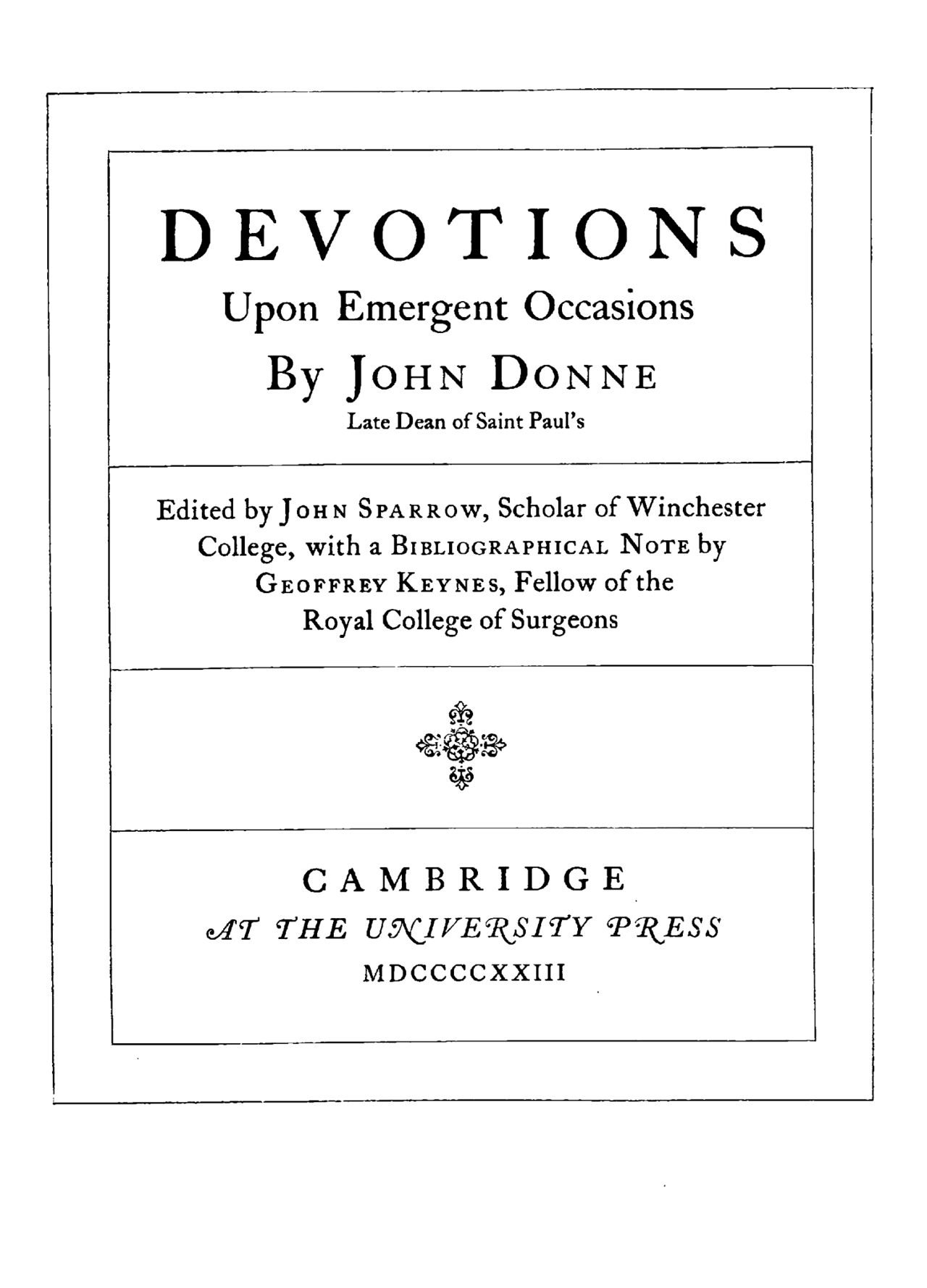
Devotions upon Emergent Occasions
John Donne · 1624
 Book
Primary source
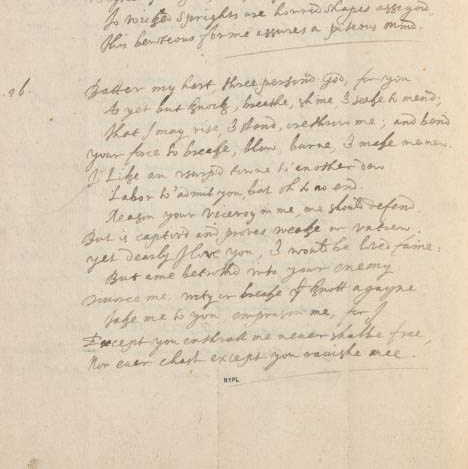
Holy Sonnets
John Donne · c. 1609-1620 (published 1633)

Free account
Read every John Donne source
Sign up free →
Ready when you are
Start chatting with John Donne now.
20 messages free · No credit card · Available in 50+ languages.