


Primary sourceBook1860
The Duty of Disobedience to the Fugitive Slave Act
Lydia Maria Child · 1860
An 1860 pamphlet by abolitionist Lydia Maria Child urging Massachusetts lawmakers to defy the federal Fugitive Slave Act.
This later Massachusetts antislavery appeal shows the long legal and moral debate that followed Walker's 1781 freedom case.
Free Humy account · No credit card · 120,912 sources to read
About this source
What it is
This is a printed pamphlet written by Lydia Maria Child in 1860, published by the American Anti-Slavery Society as part of a series of anti-slavery tracts. It is addressed directly to the legislators of Massachusetts.
In it, Child argues that citizens and lawmakers of Massachusetts have a moral duty to disobey the federal Fugitive Slave Act, which required the return of escaped enslaved people to their owners.
Why it matters
The pamphlet shows how, decades after Quock Walker's freedom suit, Massachusetts remained a center of debate over slavery and the law. It reveals the tension between federal law and state conscience, and the role women like Child played in the abolitionist movement.
Look closer
- Why might Child feel she needs to explain why a woman is addressing the legislature?
- What does her appeal to religious and moral authority suggest about how she hoped to persuade readers?
- How does this document connect to earlier Massachusetts debates about freedom and equality?
This book is part of the curated material that grounds the AI version of Quock Walker on Humy.ai — when students ask about related events, the AI can quote it and cite it.
More Quock Walker sources
Browse all 19 →Primary source
The Selling of Joseph
Samuel Sewall · 1700
 Document
Primary source
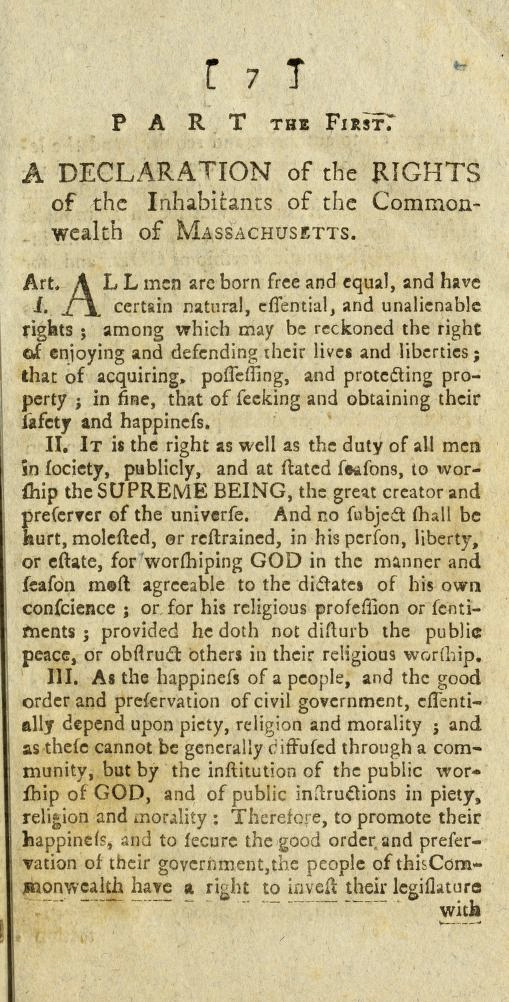
Constitution of Massachusetts
John Adams · 1779-1780
 Document
Primary source
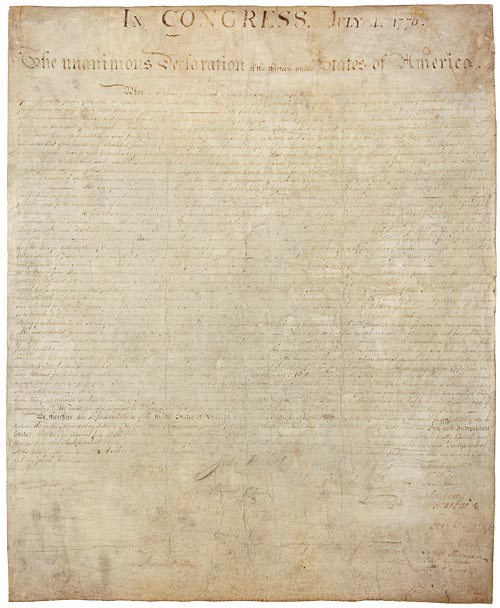
Declaration of Independence
Continental Congress (drafted by Thomas Jefferson) · 1776
 Document
Primary source
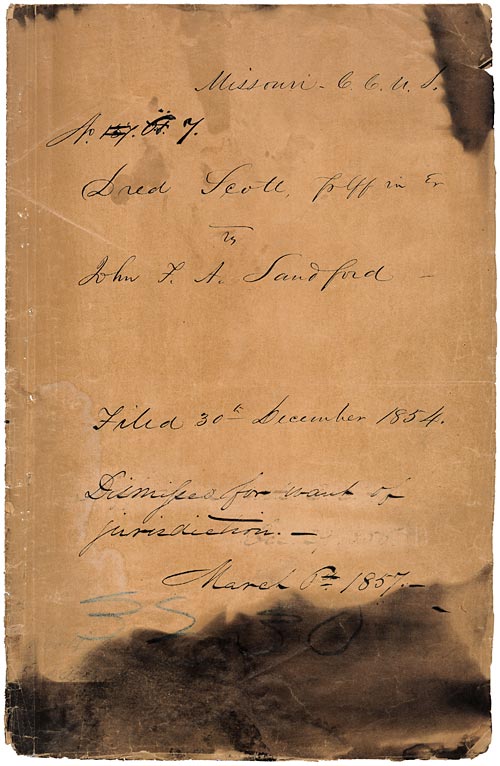
Dred Scott v. Sandford
Roger B. Taney · 6 March 1857

Free account
Read every Quock Walker source
Sign up free →
Ready when you are
Start chatting with Quock Walker now.
20 messages free · No credit card · Available in 50+ languages.