


Primary sourceBook1876
The Effects of Cross and Self Fertilisation in the Vegetable Kingdom
Charles Darwin · 1876
Darwin's 1876 book reporting experiments on over 60 plant species, showing that self-fertilised offspring usually fared worse than cross-fertilised ones.
Darwin wrote this book, reporting his own experiments and personal interest in the effects of inbreeding.
About this source
What it is
This is a book by Charles Darwin, published in 1876. It reports years of controlled breeding experiments on more than sixty plant species, comparing offspring produced by cross-fertilisation with offspring produced by self-fertilisation.
Why it matters
Darwin had argued in On the Origin of Species that constant self-fertilisation could not continue forever in plants. This book provided the detailed experimental evidence for that claim, showing that inbred plants were usually weaker. The book became a founding work in the study of inbreeding, still cited by scientists today, and reveals Darwin's patient, decades-long method of testing his ideas through careful measurement.
Look closer
- Why might Darwin have needed to test so many different species before publishing his conclusions?
- What does the long list of experiments tell you about how scientific evidence is built up?
- Why might this subject have had personal meaning for Darwin, who was concerned about his own family's intermarriage?
This book is part of the curated material that grounds the AI version of Charles Darwin on Humy.ai — when students ask about related events, the AI can quote it and cite it.
More Charles Darwin sources
Meet the AI Charles Darwin →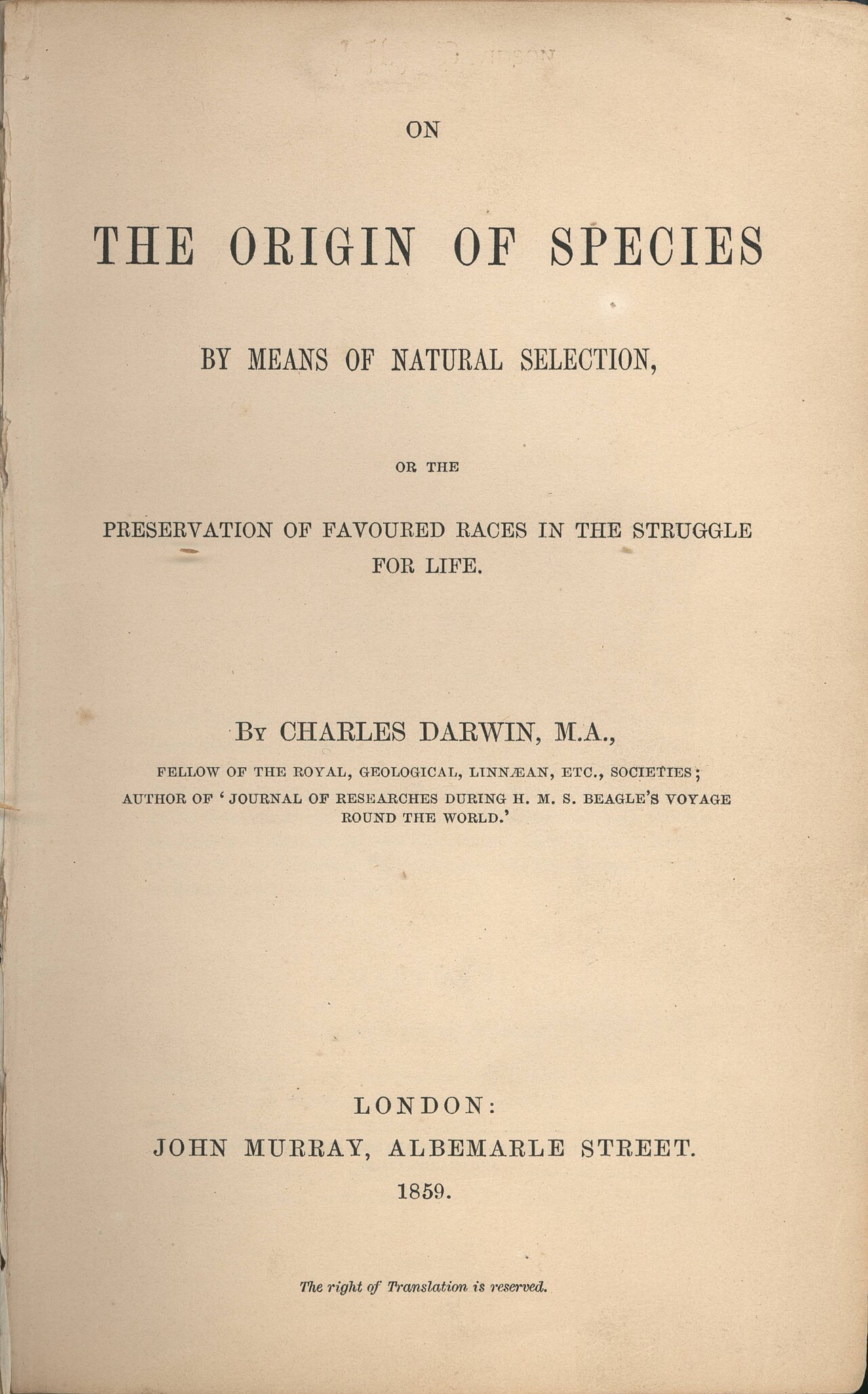 Book
Primary source
On the Origin of Species
Charles Darwin · 1859
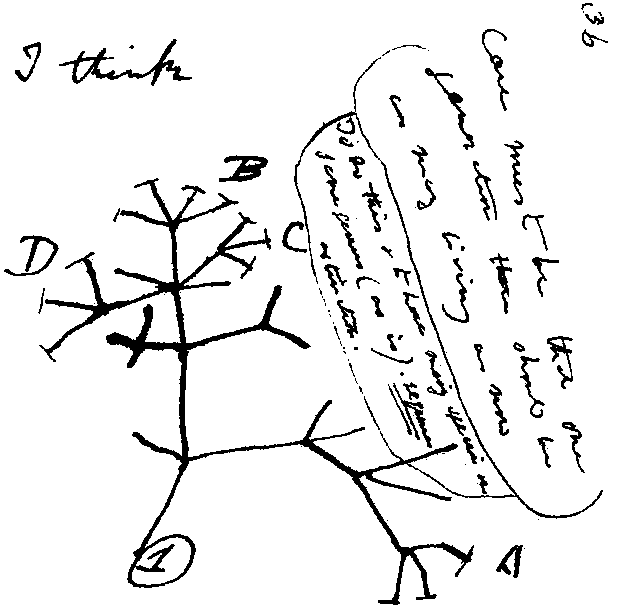 Diary entry
Primary source
Notebook B 'I think' Tree of Life Sketch
Charles Darwin · c. July 1837
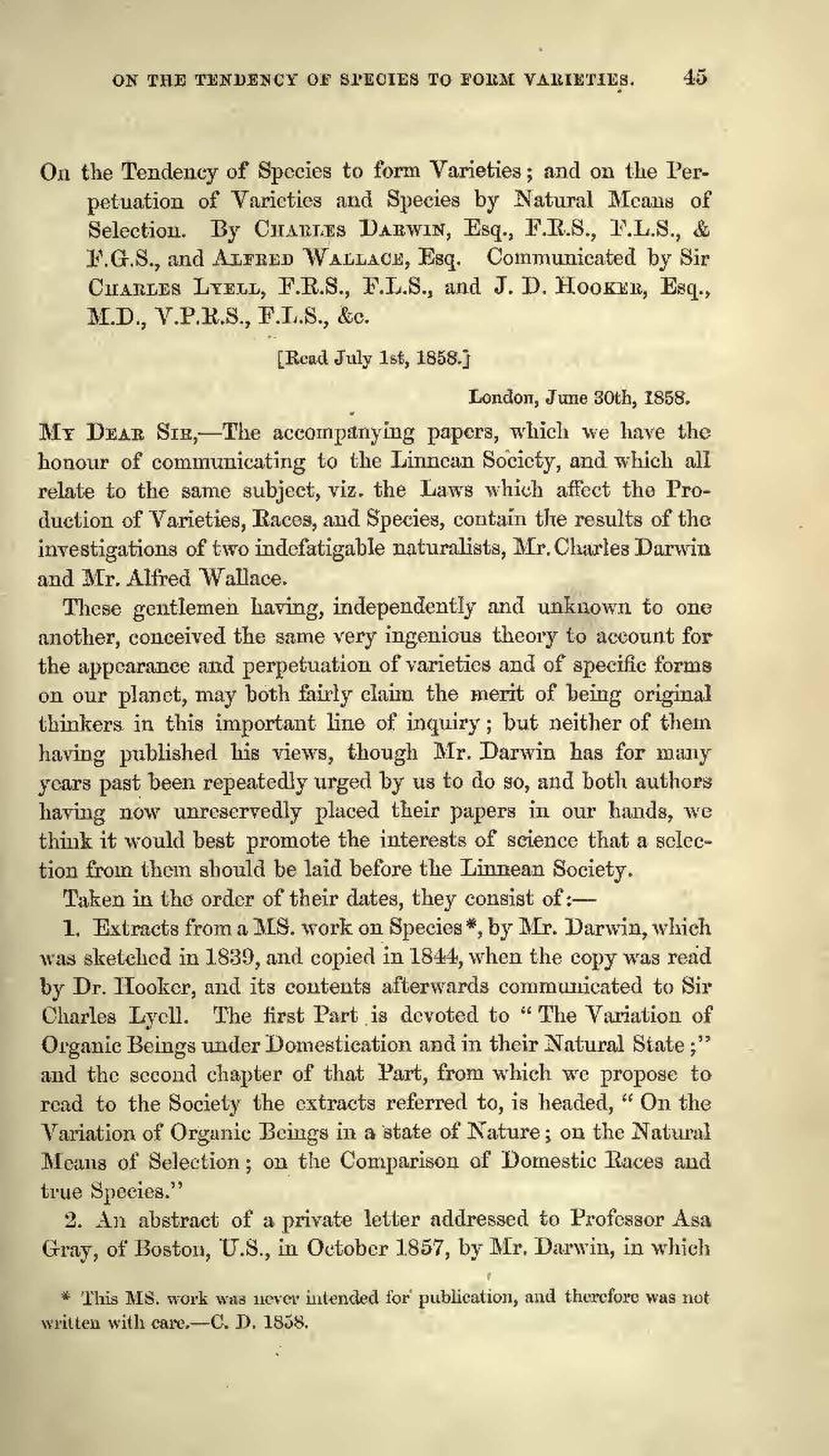 Document
Primary source
On the Tendency of Species to Form Varieties
Charles Darwin / Alfred Russel Wallace · 1858
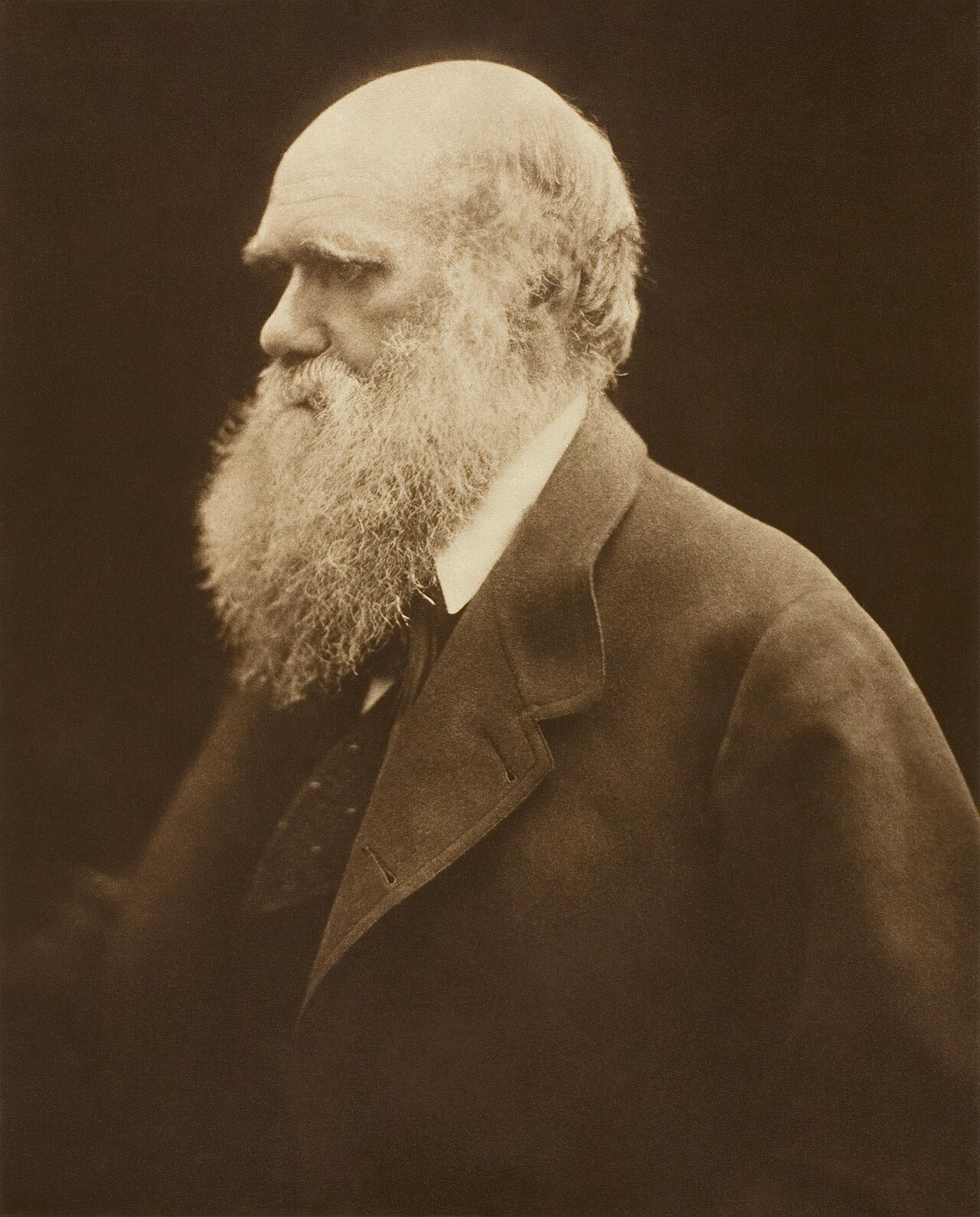 Photograph
Primary source
Charles Darwin by Julia Margaret Cameron
Julia Margaret Cameron · c. 1868
 Book
Primary source
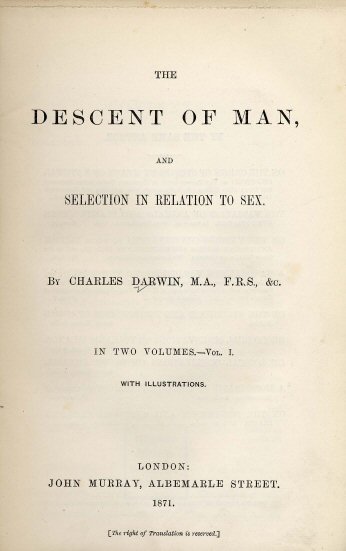
The Descent of Man, and Selection in Relation to Sex
Charles Darwin · 1871
Ready when you are
Start chatting with Charles Darwin now.
20 messages free · No credit card · Available in 50+ languages.