


Secondary sourceBook1916
The Egotism of Ideas, chapter in Egotism in German Philosophy
George Santayana · 1916
A 1916 chapter by George Santayana that critically examines Hegel's ideas, arguing that his system treats the individual's wishes as unimportant.
A critical chapter by a philosopher who reads Hegel as an example of egotism in German thought, showing how he was judged in the English-speaking world.
About this source
What it is
This is Chapter VIII, titled "The Egotism of Ideas," from George Santayana's book Egotism in German Philosophy, published in 1916. Santayana describes Hegel's tone in his later writings as full of contempt for the subjective point of view. He calls Hegel a solemn sophist who made discourse the key to reality. It is a secondary work written long after Hegel's death in 1831.
Why it matters
Santayana wrote this chapter during the First World War, when German thought was widely criticized in the English-speaking world. His critique shows how Hegel's ideas about history and the state were read as a challenge to individual judgment. The chapter is useful for students who want to see how a critic, rather than a supporter, understood Hegel's view of the individual within the great movement of events.
Look closer
- What does Santayana say Hegel thought about the individual's opinions and wishes?
- Why might a critic writing in 1916 focus on Hegel's view of the individual?
- What would you need to read in Hegel's own works to decide whether Santayana's description is fair?
This book is part of the curated material that grounds the AI version of Georg Wilhelm Friedrich Hegel on Humy.ai — when students ask about related events, the AI can quote it and cite it.
More Georg Wilhelm Friedrich Hegel sources
Meet the AI Georg Wilhelm Friedrich Hegel →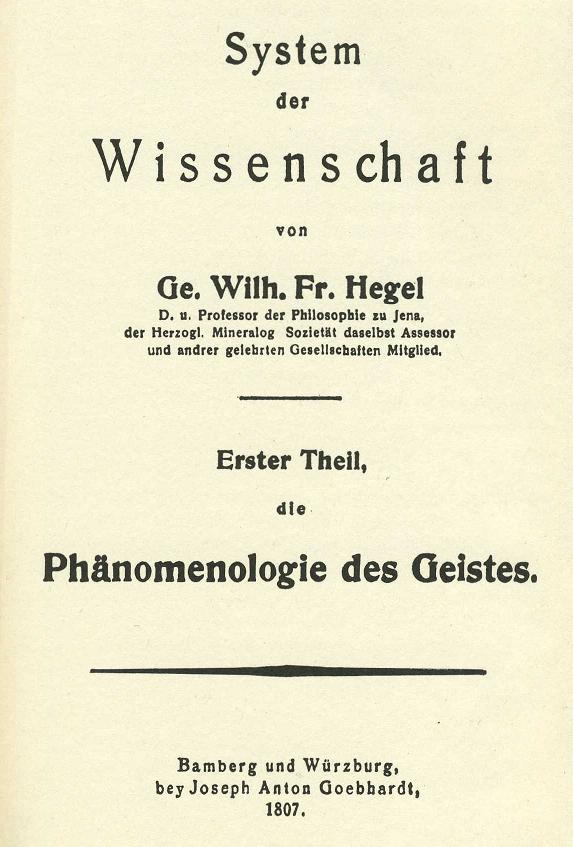 Book
Primary source
The Phenomenology of Spirit
Georg Wilhelm Friedrich Hegel · 1807
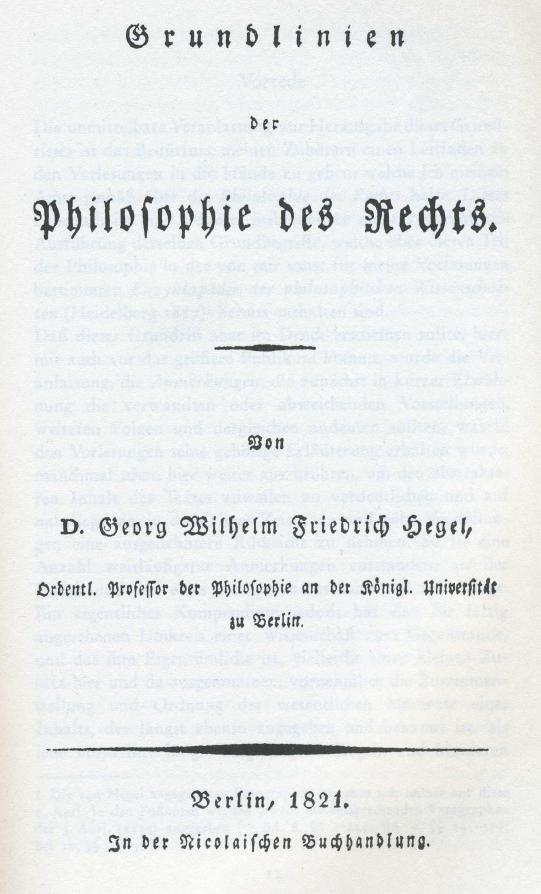 Book
Primary source
Elements of the Philosophy of Right
Georg Wilhelm Friedrich Hegel · 1821
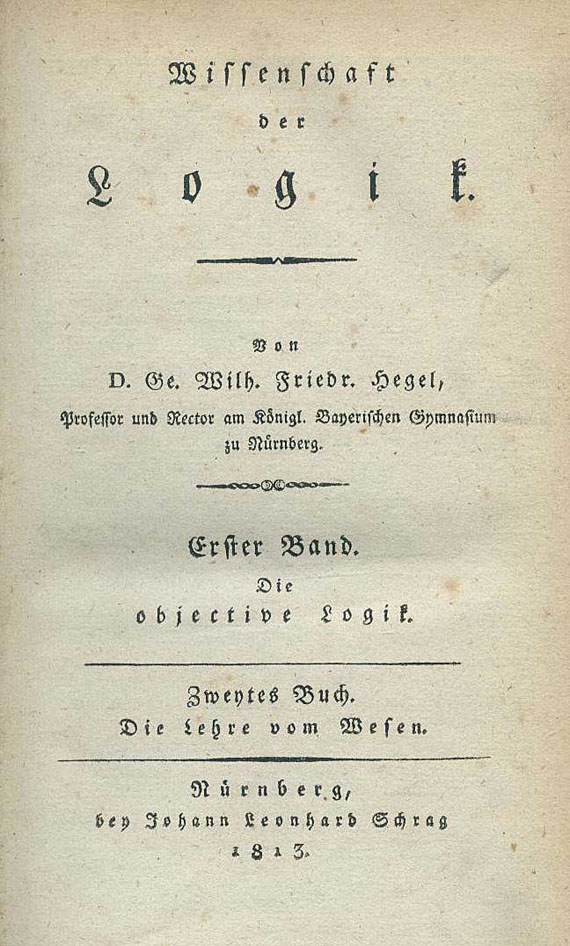 Book
Primary source
Science of Logic
Georg Wilhelm Friedrich Hegel · 1812-1816
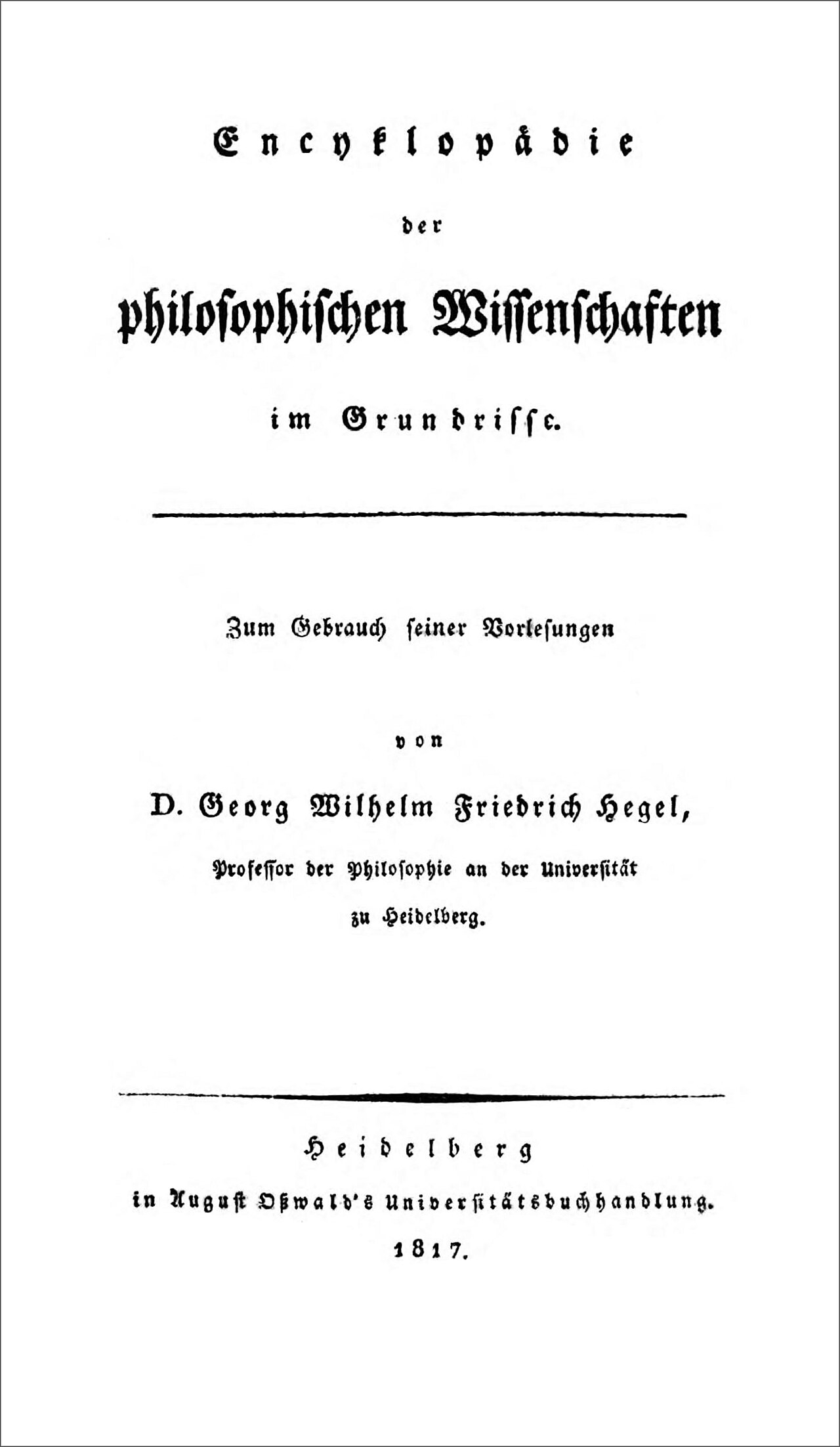 Book
Primary source
Encyclopedia of the Philosophical Sciences
Georg Wilhelm Friedrich Hegel · 1817
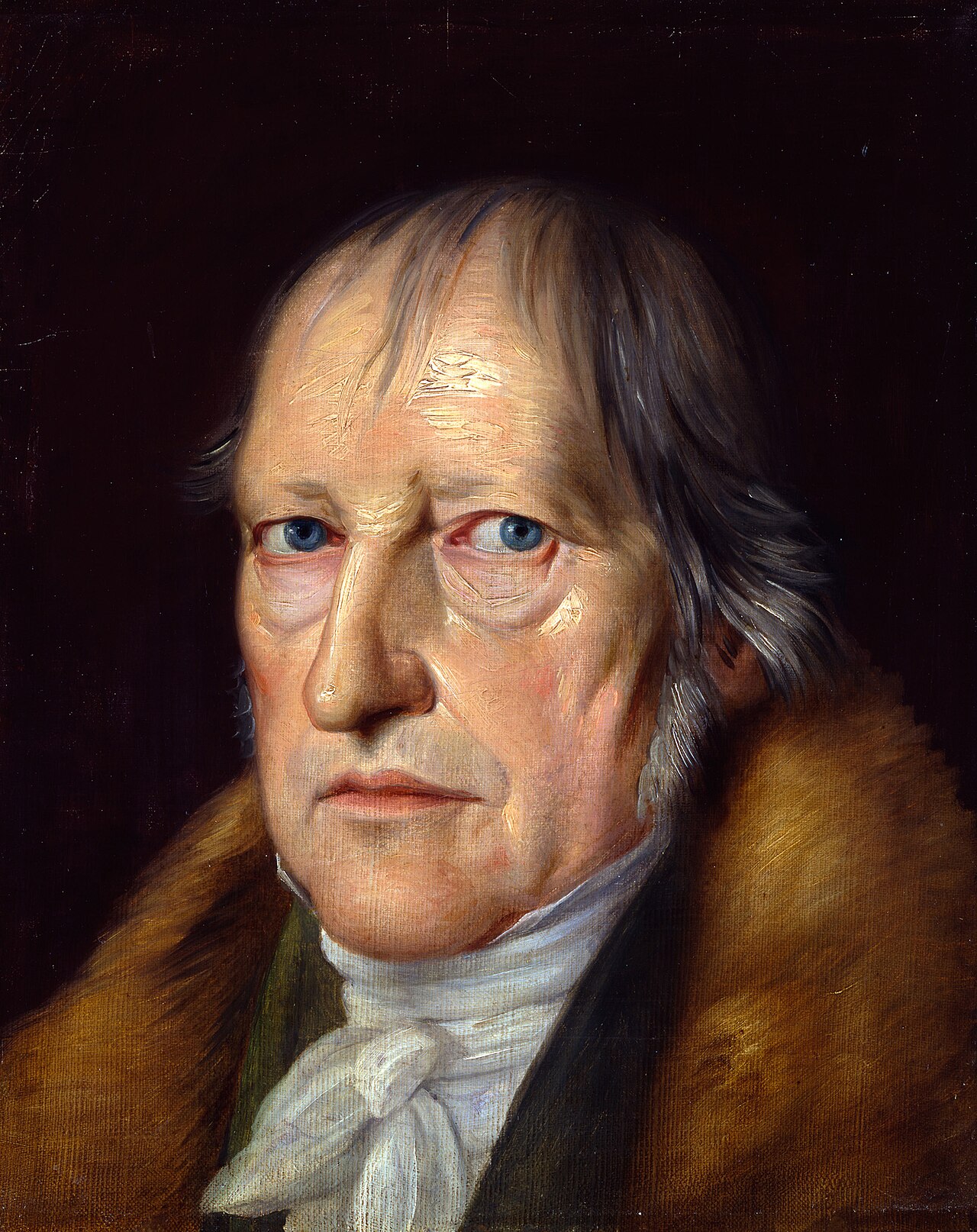 Painting
Primary source
The Philosopher Georg Friedrich Wilhelm Hegel
Jakob Schlesinger · 1831
Ready when you are
Start chatting with Georg Wilhelm Friedrich Hegel now.
20 messages free · No credit card · Available in 50+ languages.