


Primary sourcePainting1610–1611
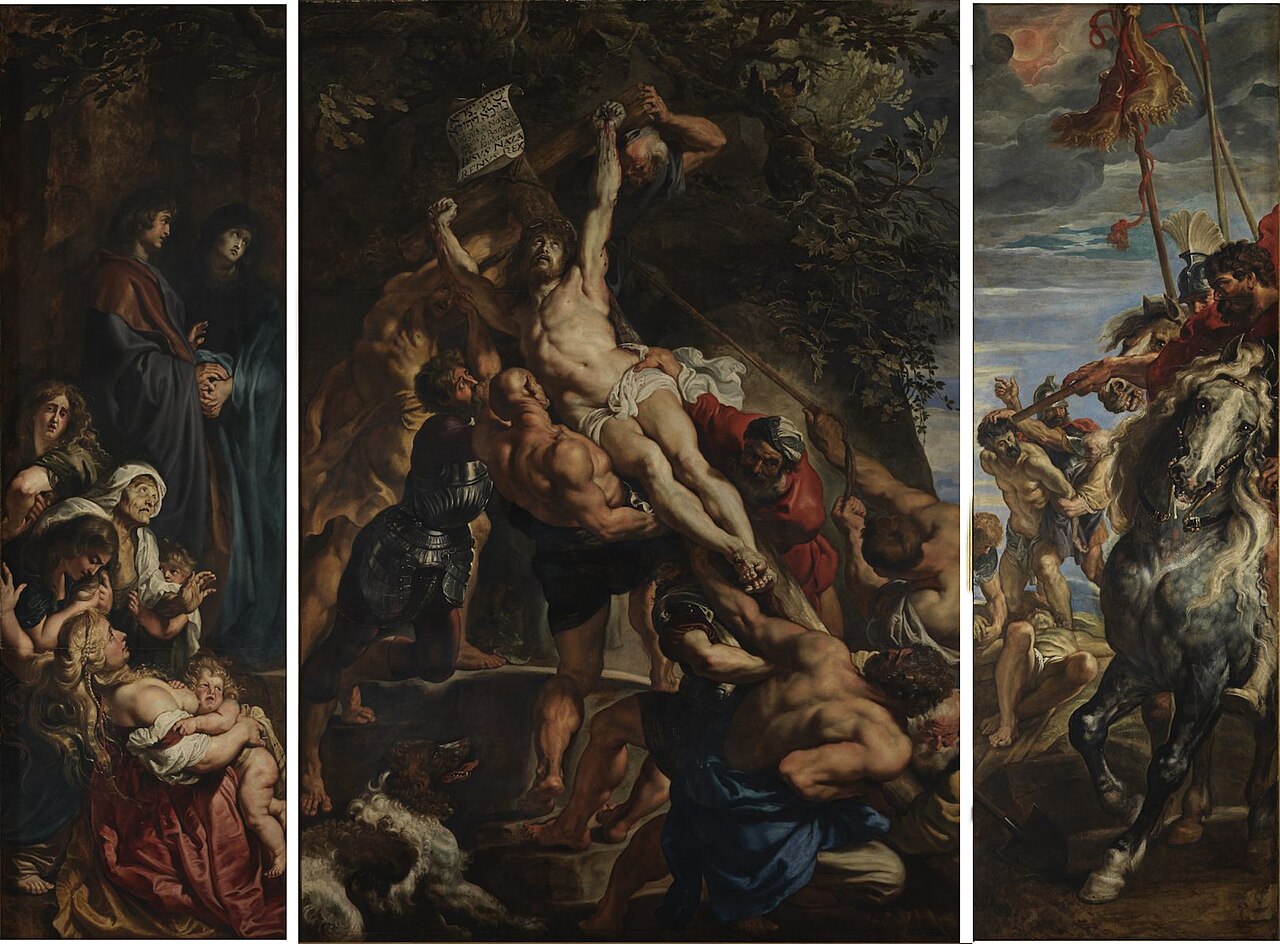
The Elevation of the Cross
Peter Paul Rubens · 1610–1611
A large triptych altarpiece painted by Rubens in 1610 for an Antwerp church, showing the raising of Christ's cross.
Painted entirely by Rubens, this altarpiece announced his mature Baroque style upon returning to Antwerp.
About this source
What it is
This triptych was painted by Peter Paul Rubens in Antwerp around 1610–1611, shortly after his return from Italy. It was made for the high altar of St. Walburga Church and now hangs in the Cathedral of Our Lady in Antwerp. The central panel shows muscular men straining to raise the cross on which Jesus is nailed, while the side wings show grieving onlookers and the two other men executed with him.
Why it matters
This was Rubens's first major religious commission after returning from Italy, and it introduced large-scale Baroque painting to Flemish art. It shows how the Catholic Church used dramatic, emotional art to strengthen faith during the Counter-Reformation, and how Rubens combined Italian influence with his own powerful style.
Look closer
- Why do you think Rubens chose to show so many straining bodies rather than a calm scene?
- What might the darkening sky and the dog in the corner add to the mood?
- One of the men may be a self-portrait of Rubens — why might he include himself here?
This painting is part of the curated material that grounds the AI version of Peter Paul Rubens on Humy.ai — when students ask about related events, the AI can quote it and cite it.
More Peter Paul Rubens sources
Browse all 97 →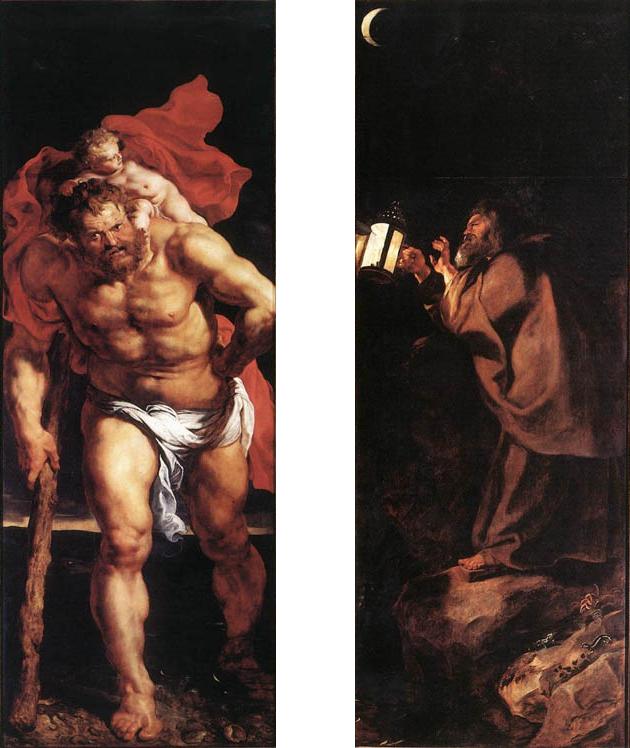 Painting
Primary source
The Descent from the Cross
Peter Paul Rubens · 1611–1614
 Painting
Primary source
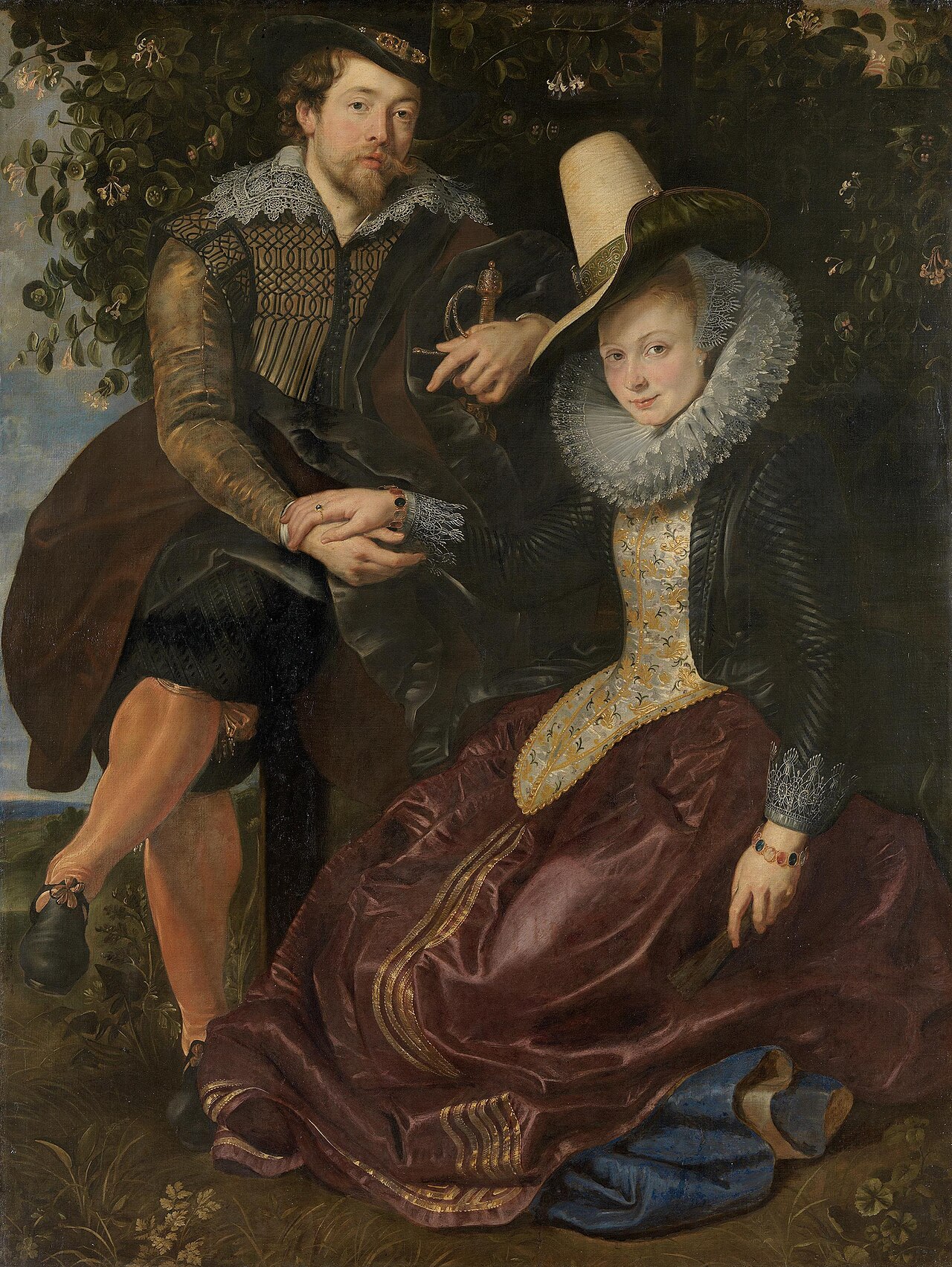
The Honeysuckle Bower
Peter Paul Rubens · c. 1609
 Painting
Primary source
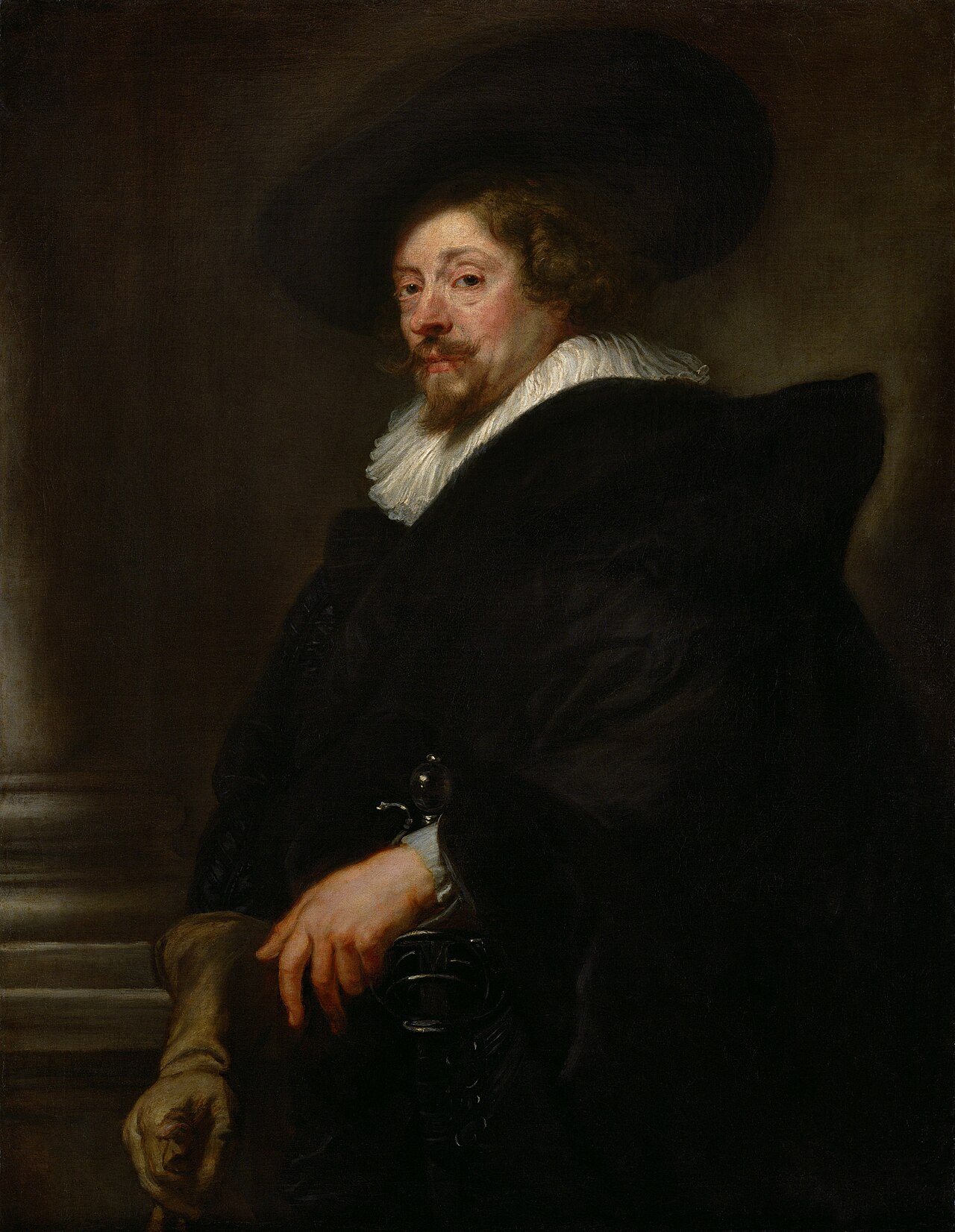
Self-Portrait
Peter Paul Rubens · 1638–1639
 Painting
Primary source
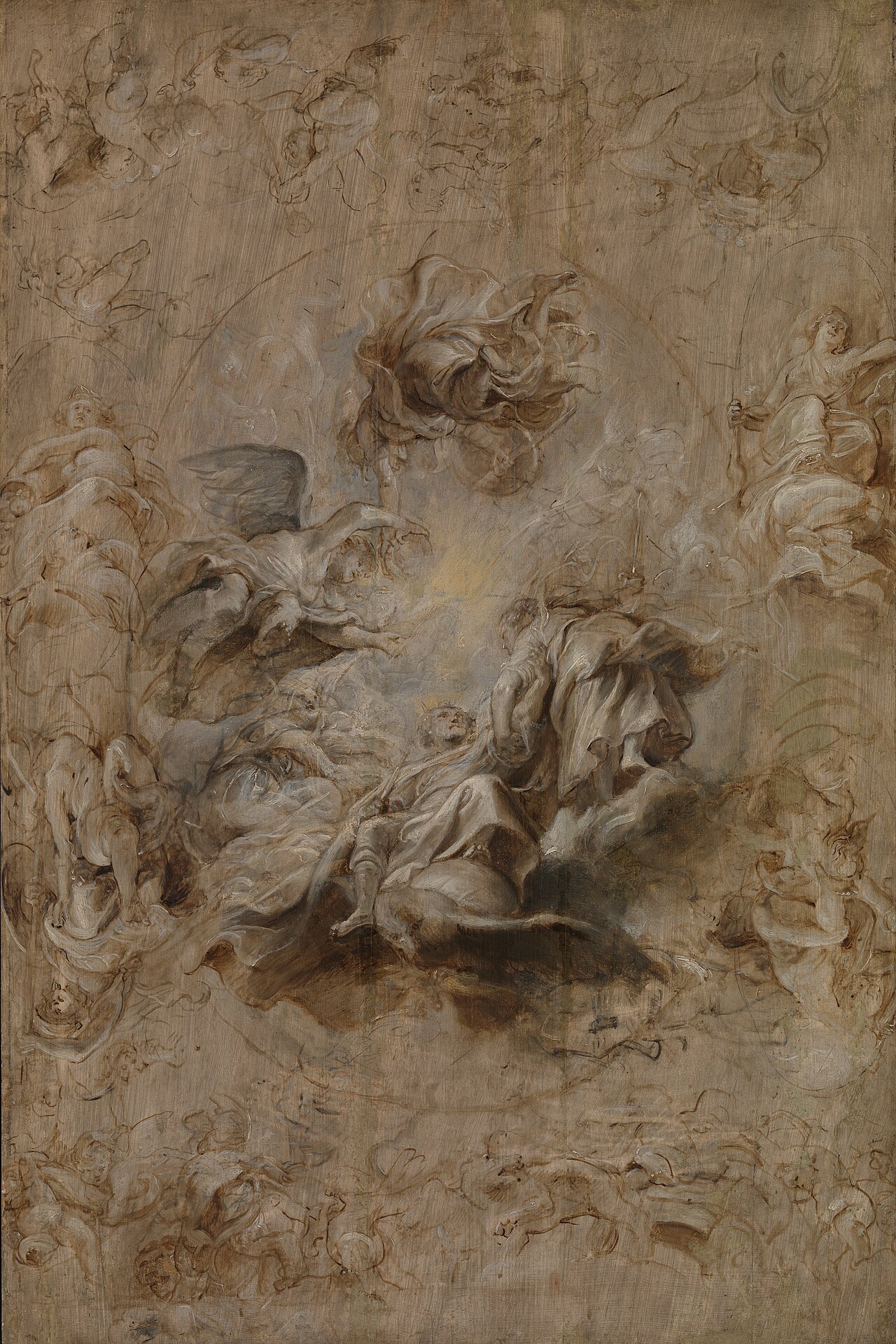
Multiple Sketch for the Banqueting House Ceiling
Peter Paul Rubens · c. 1629
Free account
Read every Peter Paul Rubens source
Sign up free →
Ready when you are
Start chatting with Peter Paul Rubens now.
20 messages free · No credit card · Available in 50+ languages.