


Primary sourcePaintingc. 1609
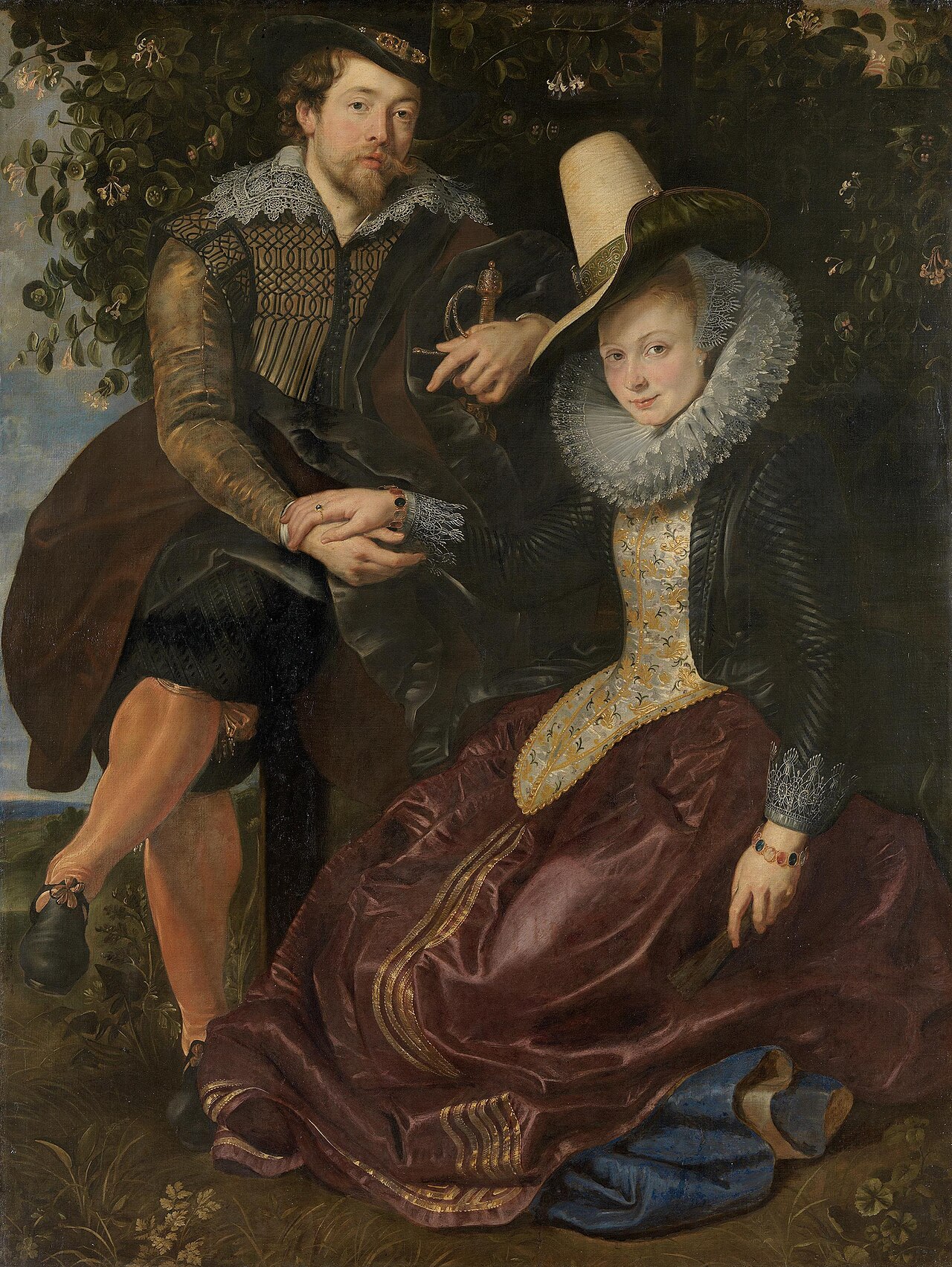
The Honeysuckle Bower
Peter Paul Rubens · c. 1609
A double self-portrait of Rubens and his first wife Isabella Brant, painted around the time of their 1609 wedding.
Rubens painted himself and his first wife Isabella Brant here, shortly after their wedding in 1609.
About this source
What it is
This painting, made around 1609, shows Peter Paul Rubens seated with his new wife Isabella Brant in a garden bower of honeysuckle. It was painted shortly after Rubens returned to Antwerp from eight years in Italy and the couple married. The work later passed to Isabella's father and eventually into the collection of Johann Wilhelm II of Düsseldorf. It is now in the Alte Pinakothek.
Why it matters
The painting shows Rubens presenting himself as a wealthy, sword-wearing gentleman rather than a mere craftsman, using symbols of love and marriage such as joined right hands and honeysuckle for faithfulness. It reveals how artists could use self-portraiture to shape their social status, and offers a personal glimpse of Rubens's family life before Isabella's death in 1625.
Look closer
- What details in their clothing and poses suggest wealth and social status?
- Why might Rubens choose to paint himself with a sword, an object restricted to the elite?
- How does this intimate garden scene differ from Rubens's grand religious and court paintings?
This painting is part of the curated material that grounds the AI version of Peter Paul Rubens on Humy.ai — when students ask about related events, the AI can quote it and cite it.
More Peter Paul Rubens sources
Browse all 97 →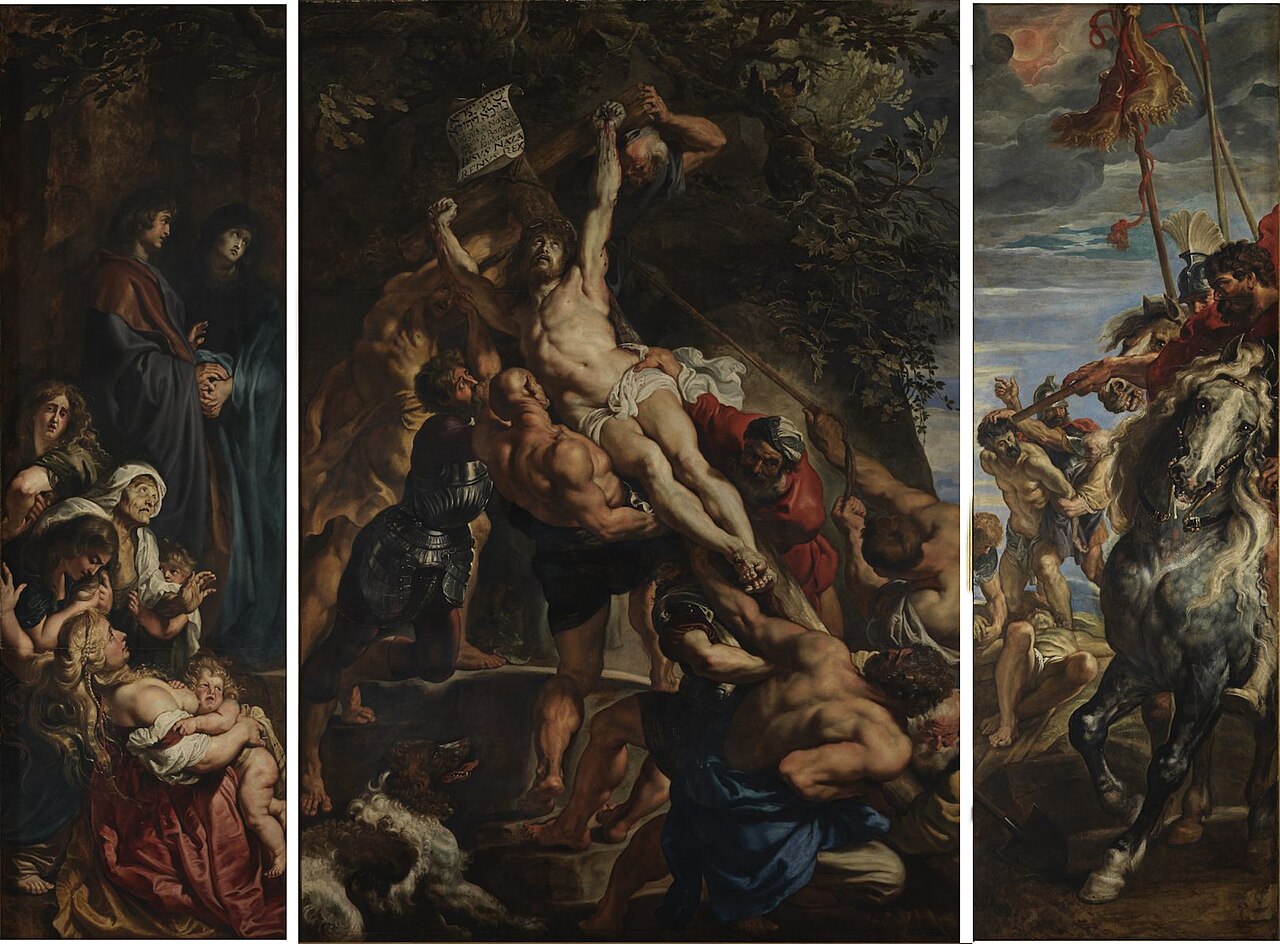 Painting
Primary source
The Elevation of the Cross
Peter Paul Rubens · 1610–1611
 Painting
Primary source
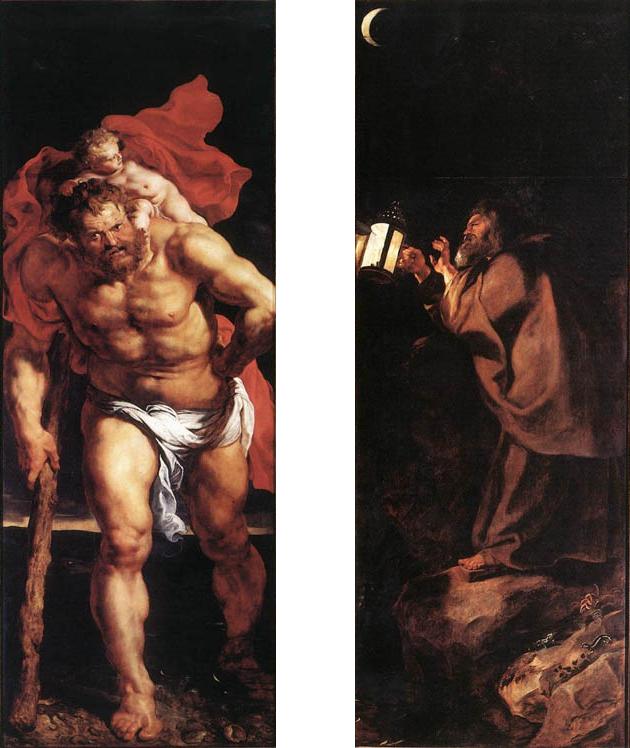
The Descent from the Cross
Peter Paul Rubens · 1611–1614
 Painting
Primary source
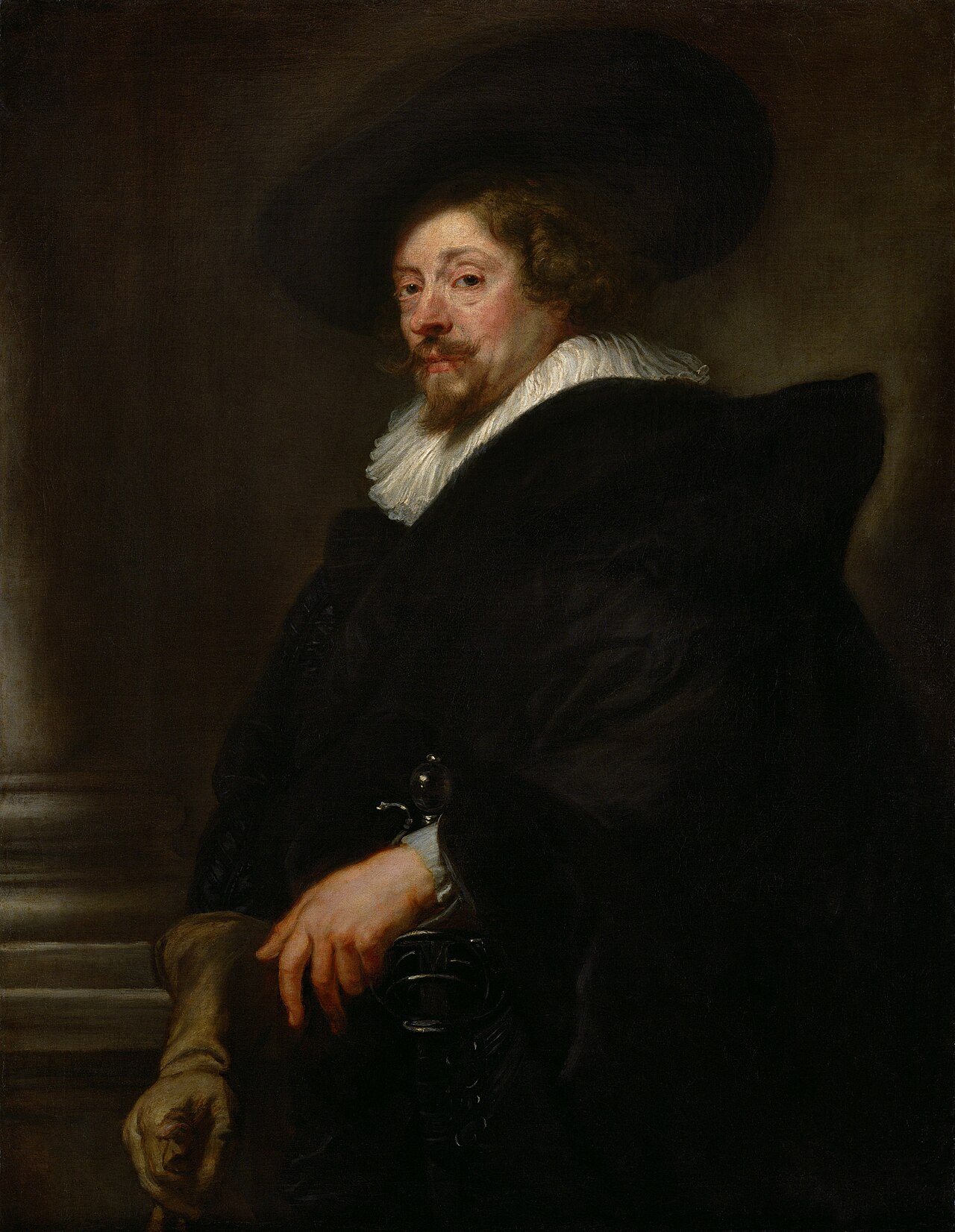
Self-Portrait
Peter Paul Rubens · 1638–1639
 Painting
Primary source
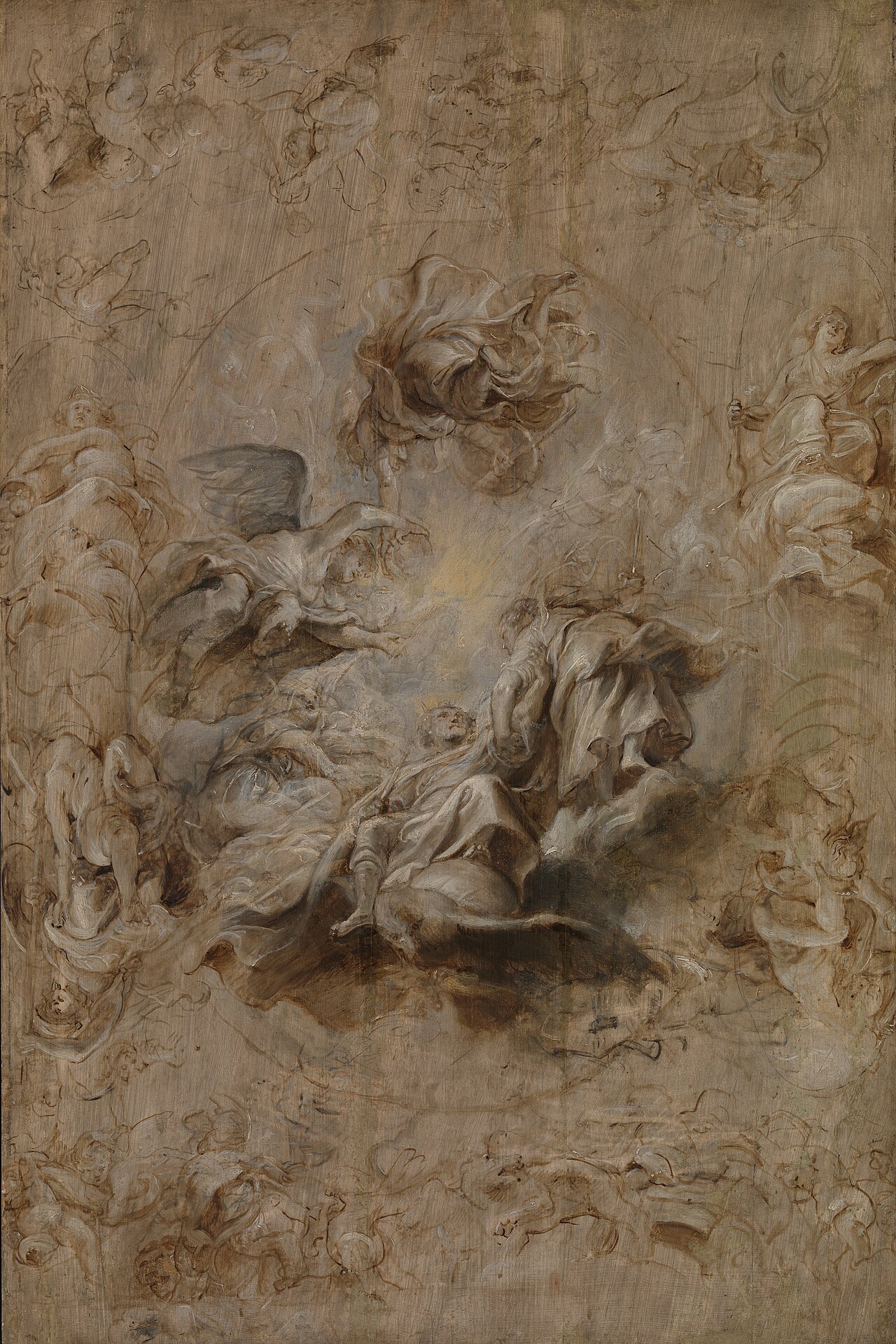
Multiple Sketch for the Banqueting House Ceiling
Peter Paul Rubens · c. 1629
Free account
Read every Peter Paul Rubens source
Sign up free →
Ready when you are
Start chatting with Peter Paul Rubens now.
20 messages free · No credit card · Available in 50+ languages.