


Primary sourceBook1880
The Experimental Novel
Émile Zola · 1880
Zola's manifesto applying the methods of experimental medicine to the writing of novels, the founding text of literary naturalism.
Zola's own manifesto explaining the scientific theory of naturalism behind his novels.
Free Humy account · No credit card · 120,912 sources to read
About this source
What it is
Le Roman expérimental is a work of literary theory written by Émile Zola, published in 1880. In it, Zola adapts ideas from the physiologist Claude Bernard's book on experimental medicine, arguing that novelists should work like scientists studying human behaviour.
Why it matters
This text is the core manifesto of literary naturalism, the movement Zola led. He proposed that novels could use careful observation and almost scientific method to reveal the truth about society, heredity and environment — the very ideas underlying his own Rougon-Macquart novels. It shows how Zola saw himself not just as a storyteller but as a thinker trying to bring the methods of science into literature.
Look closer
- Why might Zola have wanted to compare novelists to doctors or scientists?
- What are the risks of treating fictional characters as if they were scientific experiments?
- How might this theory have shaped the kinds of stories Zola chose to tell?
This book is part of the curated material that grounds the AI version of Émile Zola on Humy.ai — when students ask about related events, the AI can quote it and cite it.
More Émile Zola sources
Browse all 98 →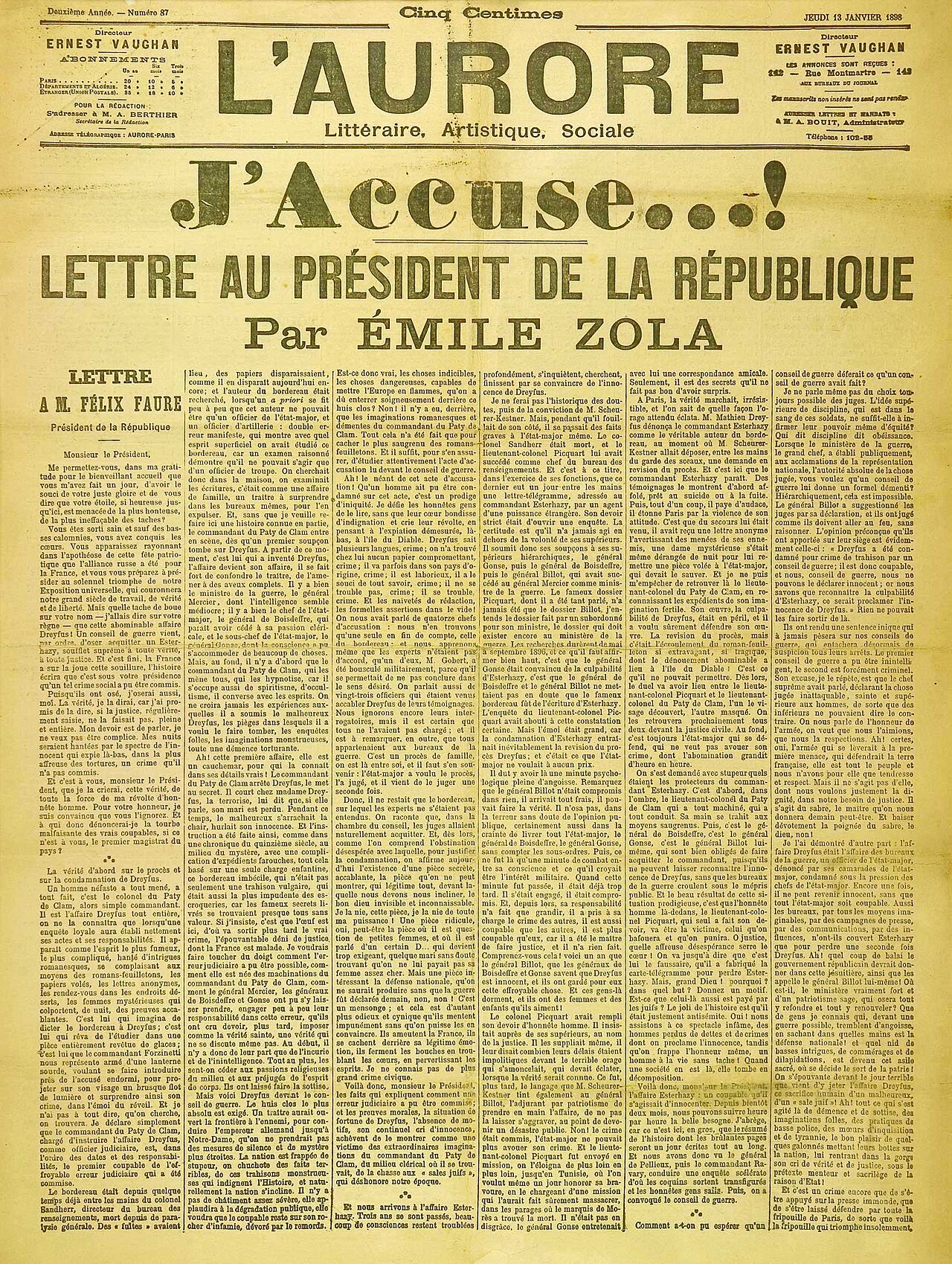 Newspaper article
Primary source
J'accuse…!
Émile Zola · 13 January 1898
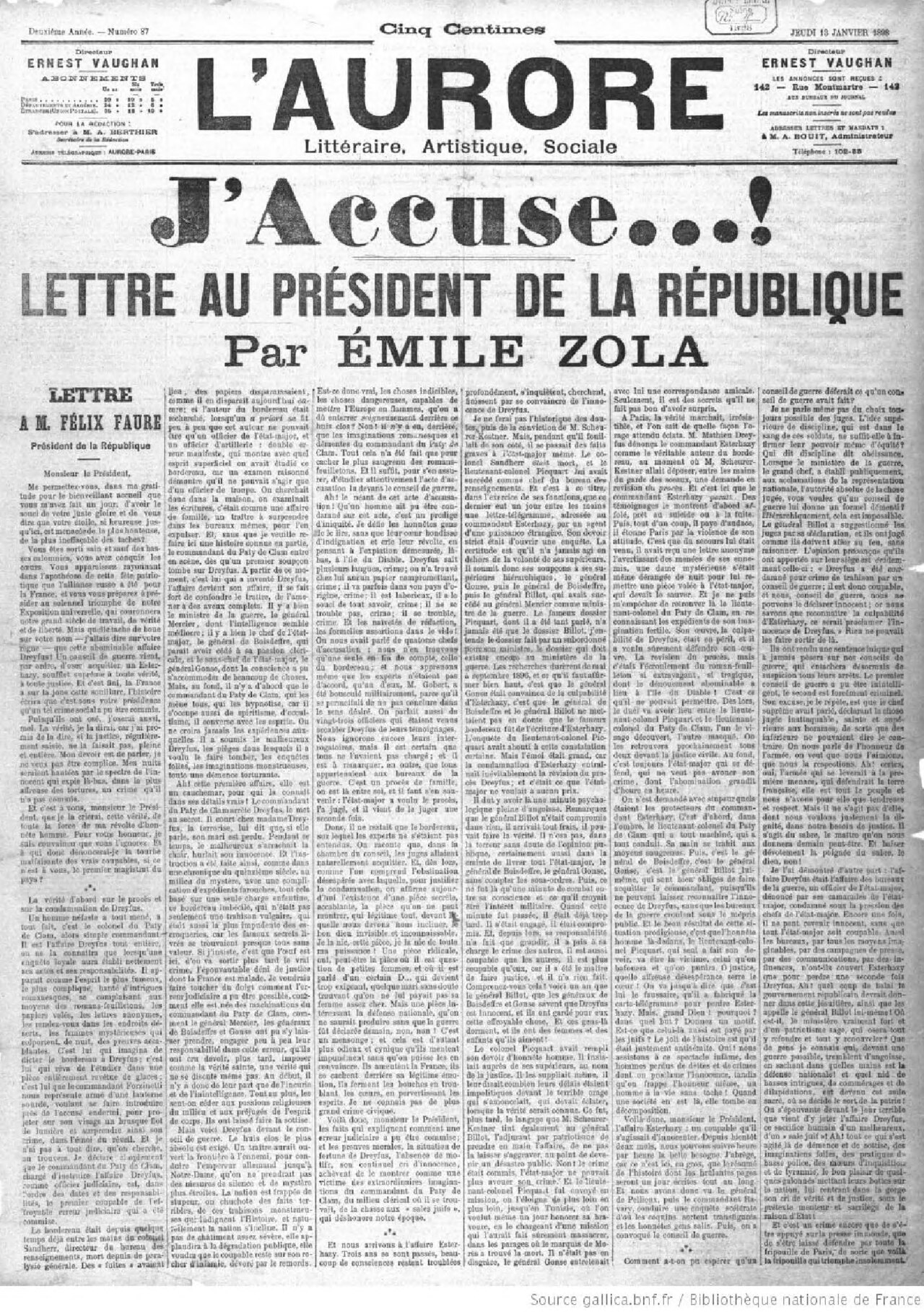 Newspaper article
Primary source
J’accuse…!, paru dans L’Aurore, 13 janvier 1898
Émile Zola · 13 January 1898
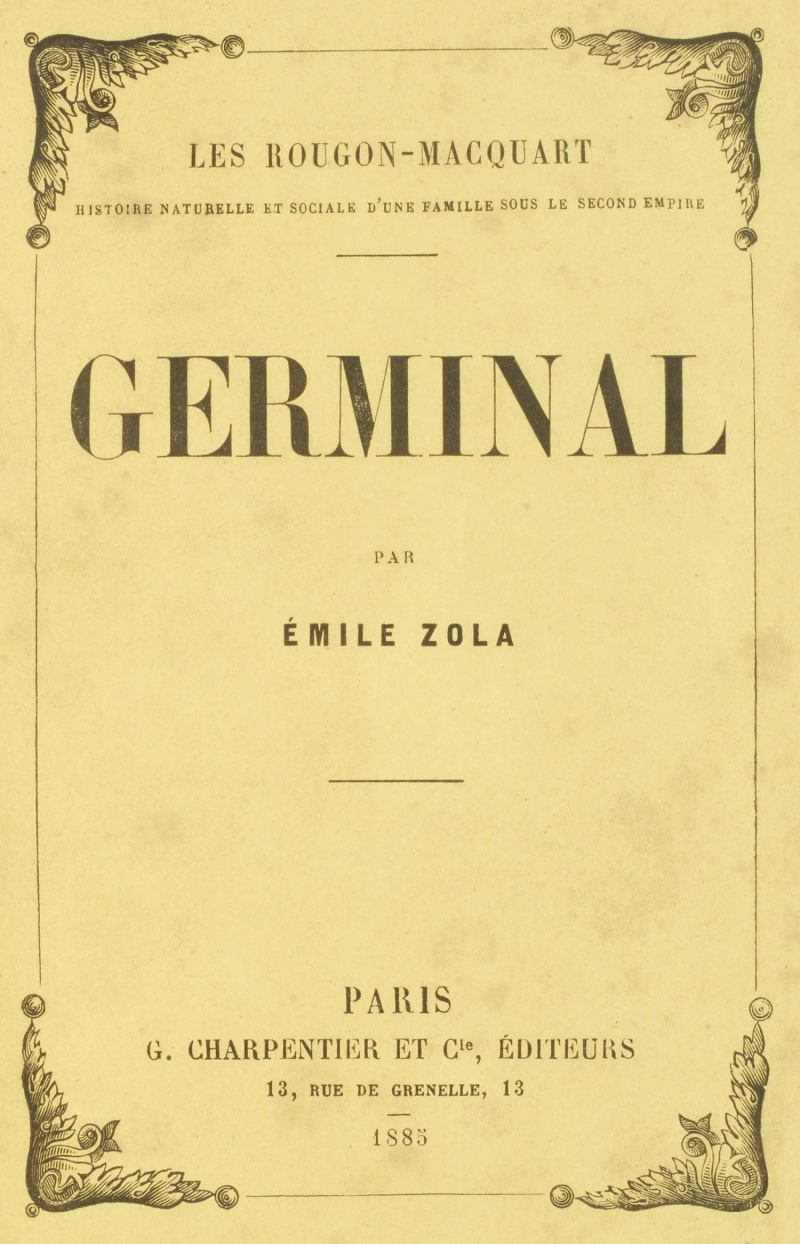 Book
Primary source
Germinal
Émile Zola · 1885
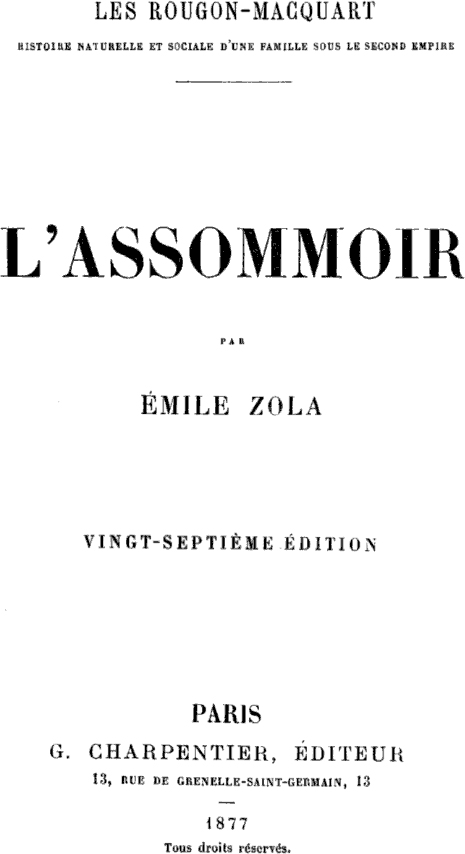 Book
Primary source
L'Assommoir
Émile Zola · 1876-1877
Free account
Read every Émile Zola source
Sign up free →
Ready when you are
Start chatting with Émile Zola now.
20 messages free · No credit card · Available in 50+ languages.