


Primary sourceBook1845
The Facts in the Case of M. Valdemar
Edgar Allan Poe · 1845
A short story by Edgar Allan Poe presented as a factual report, about a dying man kept in a hypnotic trance, which many readers believed was true.
Poe wrote this story, which shows his skill at blurring fact and fiction to fool readers of his time.
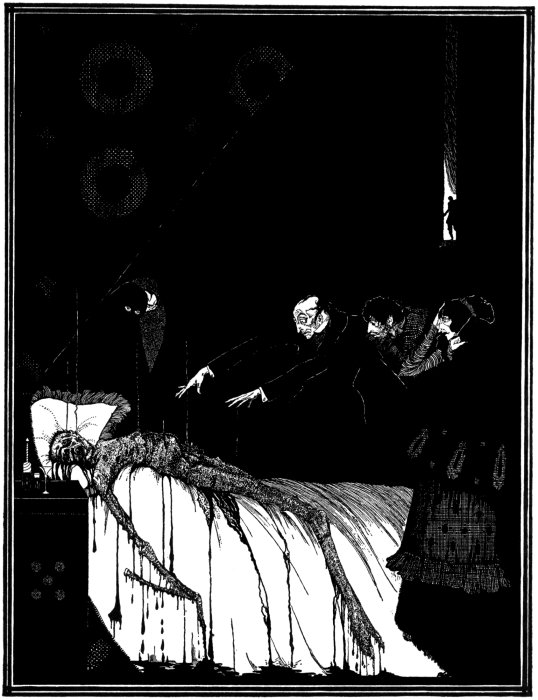
About this source
What it is
This short story, written by Edgar Allan Poe and published in 1845, describes a mesmerist who places a dying man into a hypnotic trance at the moment of death. It was printed as if it were a real account.
Why it matters
Many readers at the time believed the story was a true scientific report rather than fiction, showing Poe's skill at blurring the line between fact and invention. Poe later admitted in letters that it was a hoax. The story reflects the era's fascination with mesmerism, a popular but unproven practice, and shows how Poe used horror to explore ideas about death and the body.
Look closer
- Why might readers in 1845 have mistaken this story for a real medical report?
- What techniques does Poe use in the opening lines to make the story sound factual?
- How does the illustration of the decaying figure affect how you read the story's ending?
This book is part of the curated material that grounds the AI version of Edgar Allan Poe on Humy.ai — when students ask about related events, the AI can quote it and cite it.
More Edgar Allan Poe sources
Meet the AI Edgar Allan Poe →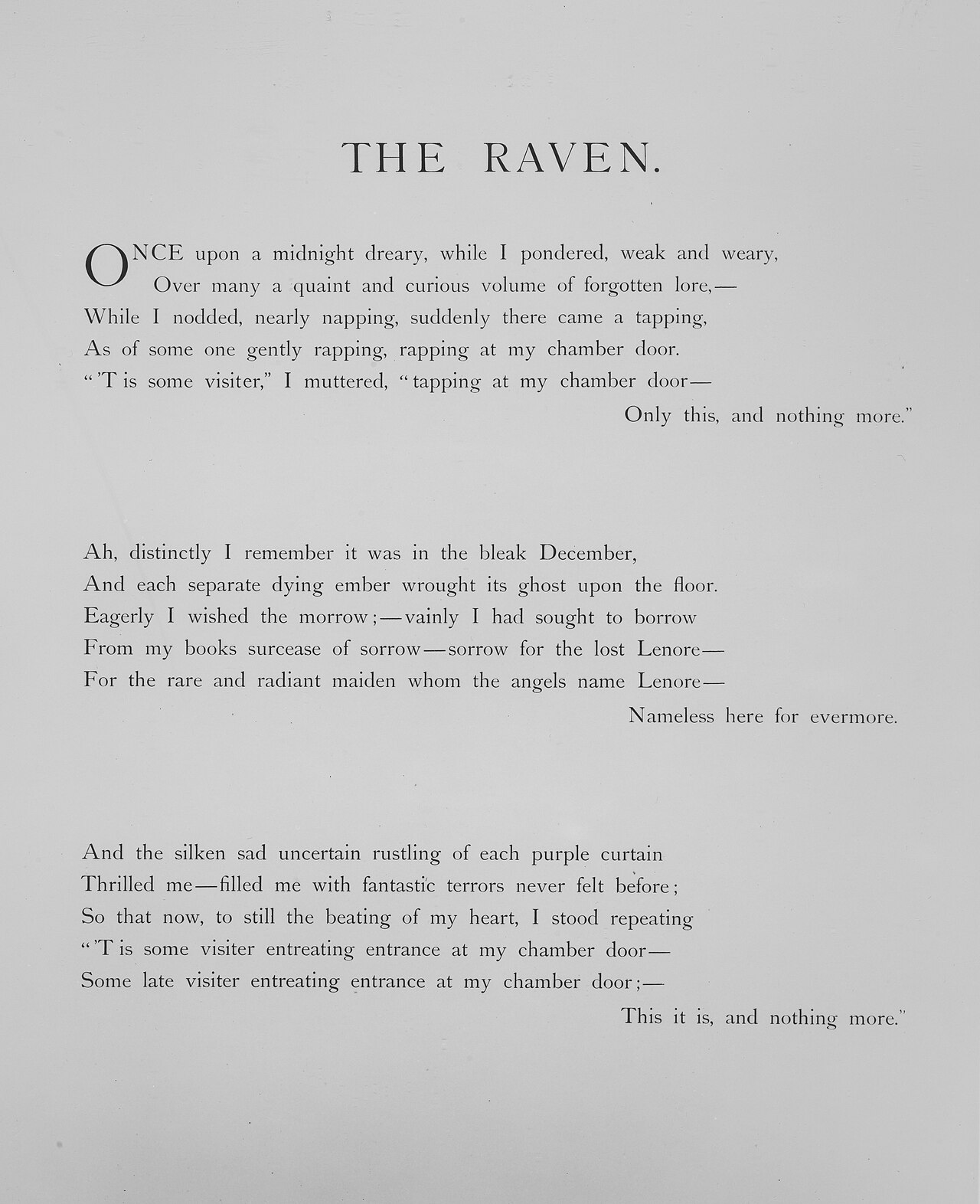 Book
Primary source
The Raven
Edgar Allan Poe · 1845
 Book
Primary source
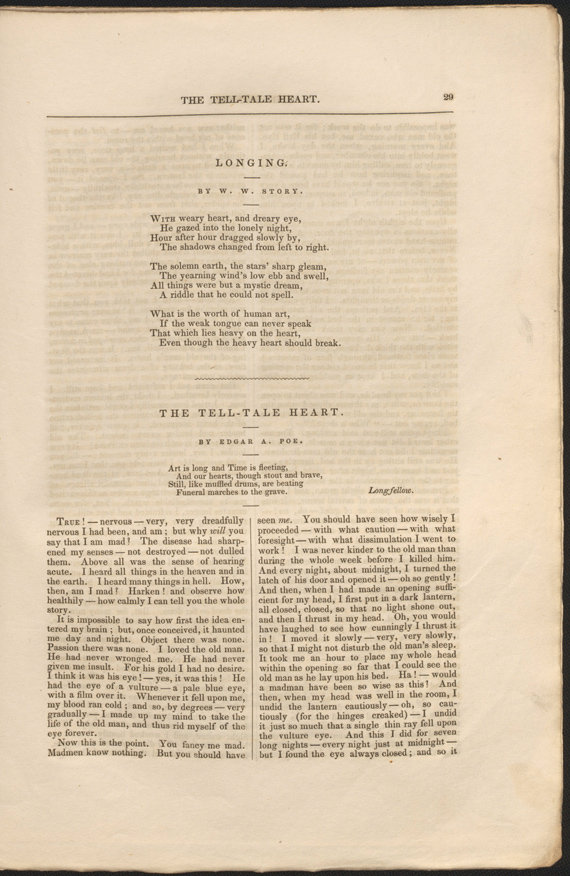
The Tell-Tale Heart
Edgar Allan Poe · 1843
 Book
Primary source
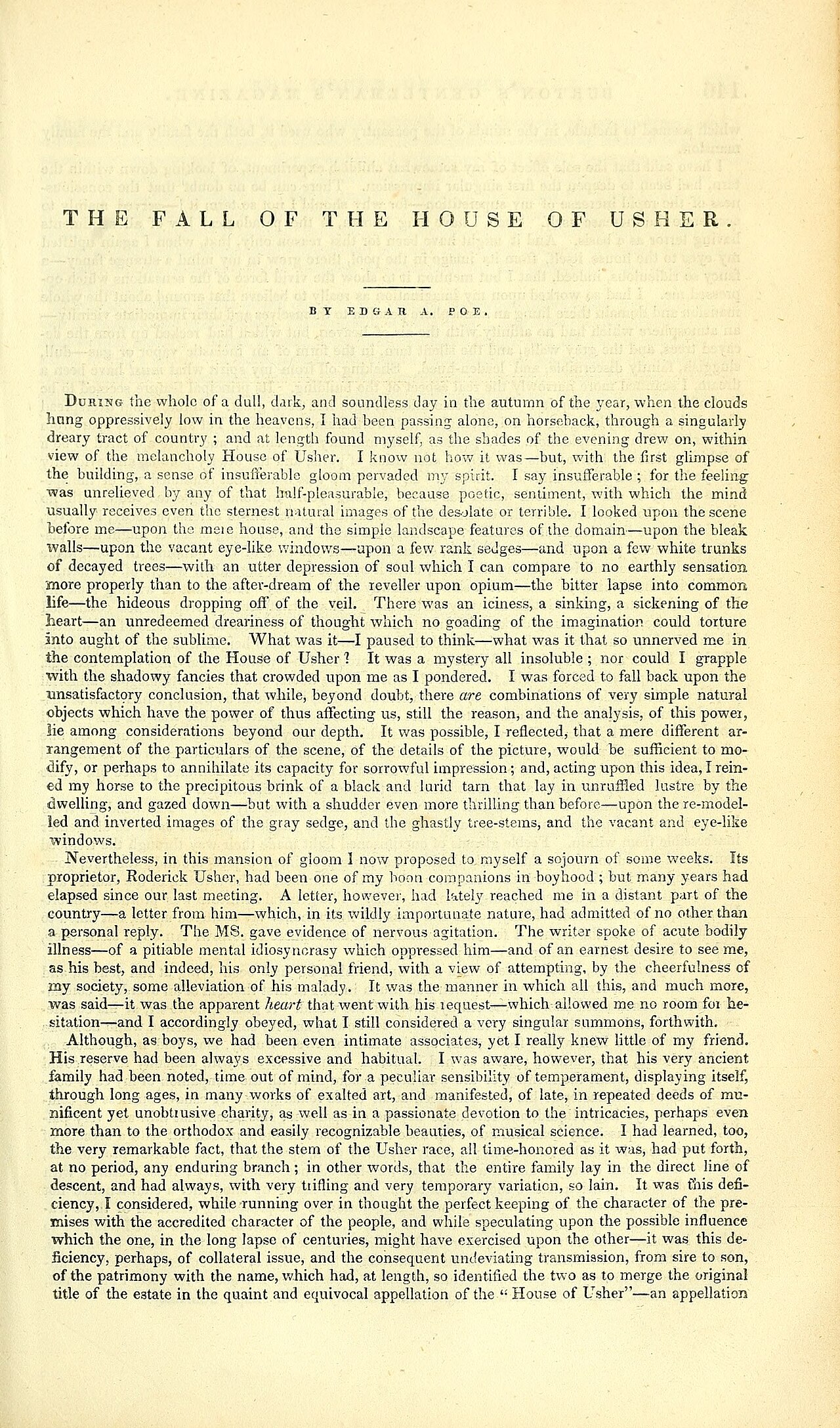
The Fall of the House of Usher
Edgar Allan Poe · 1839
 Book
Primary source
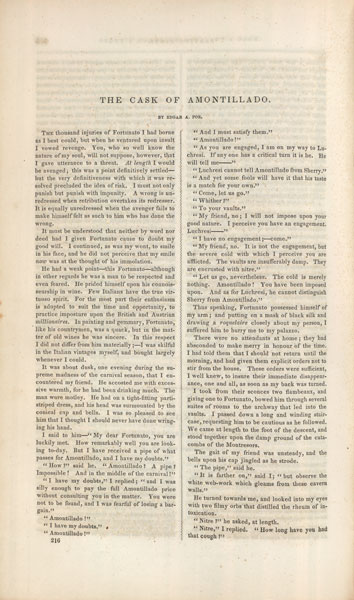
The Cask of Amontillado
Edgar Allan Poe · November 1846
 Book
Primary source
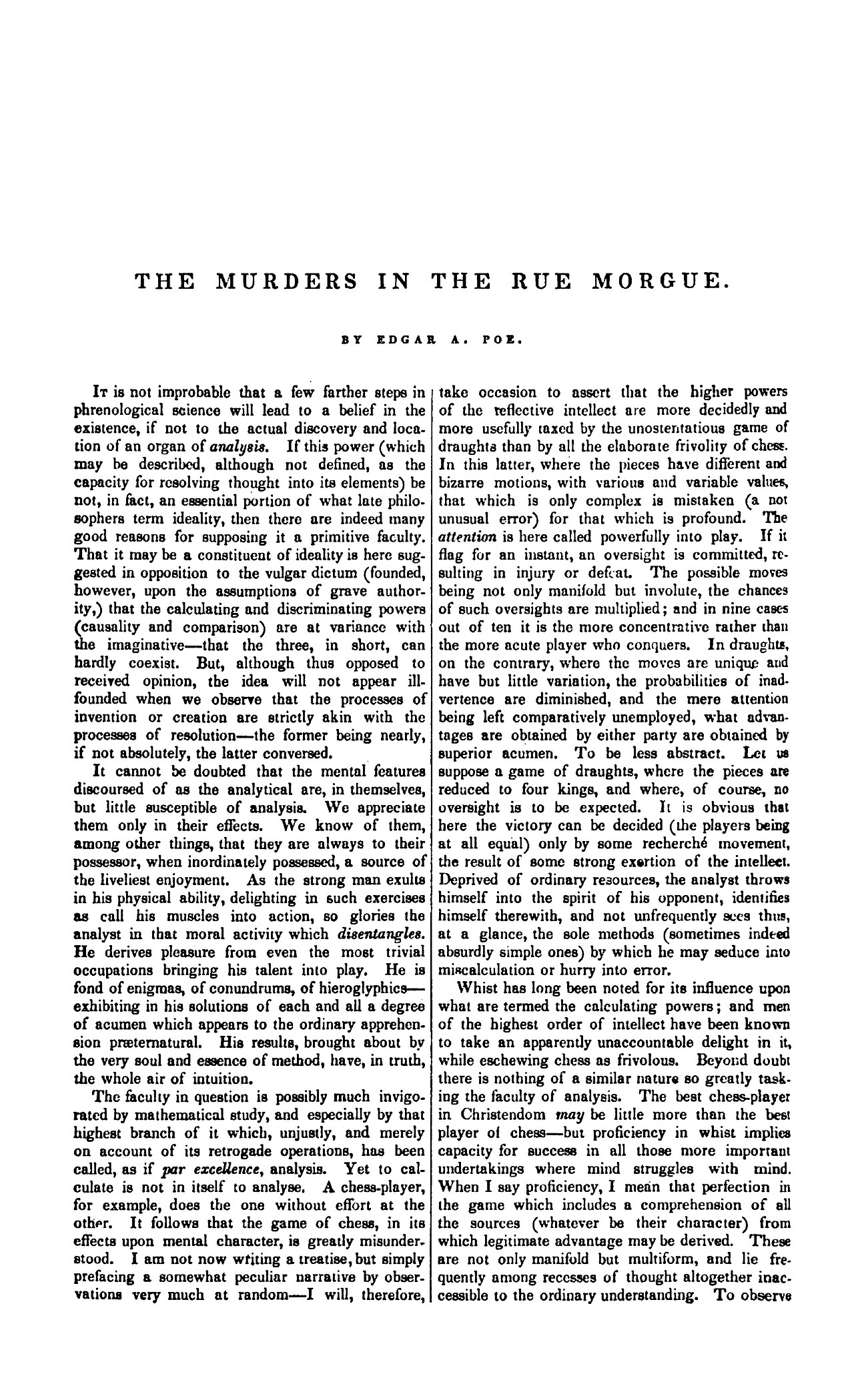
The Murders in the Rue Morgue
Edgar Allan Poe · 1841
Ready when you are
Start chatting with Edgar Allan Poe now.
20 messages free · No credit card · Available in 50+ languages.