


Secondary sourceBook1873 translation
The Faithful Arab and His Loving Wife
1873 translation
An anecdote from a collection of early Caliphate tales involving Mu'awiya, translated into English in 1873.
A later anecdote involving Mu'awiya, reflecting how his family and early life were remembered in tradition.
Free Humy account · No credit card · 120,912 sources to read
About this source
What it is
This short anecdote comes from a collection called Historical Tales and Anecdotes of the Time of the Early Khalifahs, translated into English in 1873. The translator's note explains background on Mu'awiya's father, Abu-Sufyan, and Mu'awiya's own early role as secretary to the Prophet Muhammad.
Why it matters
Stories like this one circulated long after the events they describe, mixing historical memory with storytelling. The translator's preface shows how Mu'awiya's family connections — his father's conversion to Islam and his own appointment as secretary — were remembered and retold in later Arabic tradition.
Look closer
- Why might this anecdote have been collected and translated centuries after Mu'awiya lived?
- What does the preface's focus on Mu'awiya's father and his conversion suggest about how later audiences understood Mu'awiya's rise?
- How should readers treat a story like this differently from a document written at the time?
This book is part of the curated material that grounds the AI version of Mu'awiya I on Humy.ai — when students ask about related events, the AI can quote it and cite it.
More Mu'awiya I sources
Browse all 37 →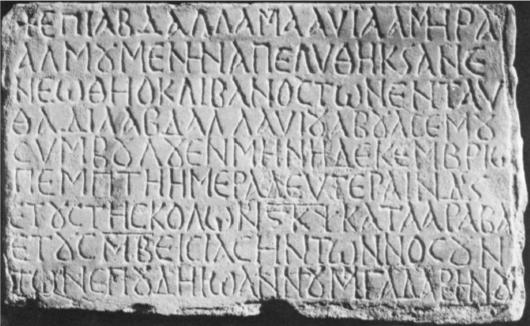 Document
Primary source
Greek Muawiya Inscription of Hammat Gader
662-663 AD
Secondary source
Hasan–Muawiya Treaty
Mu'awiya I and Hasan ibn Ali · 661
 Book
Secondary source
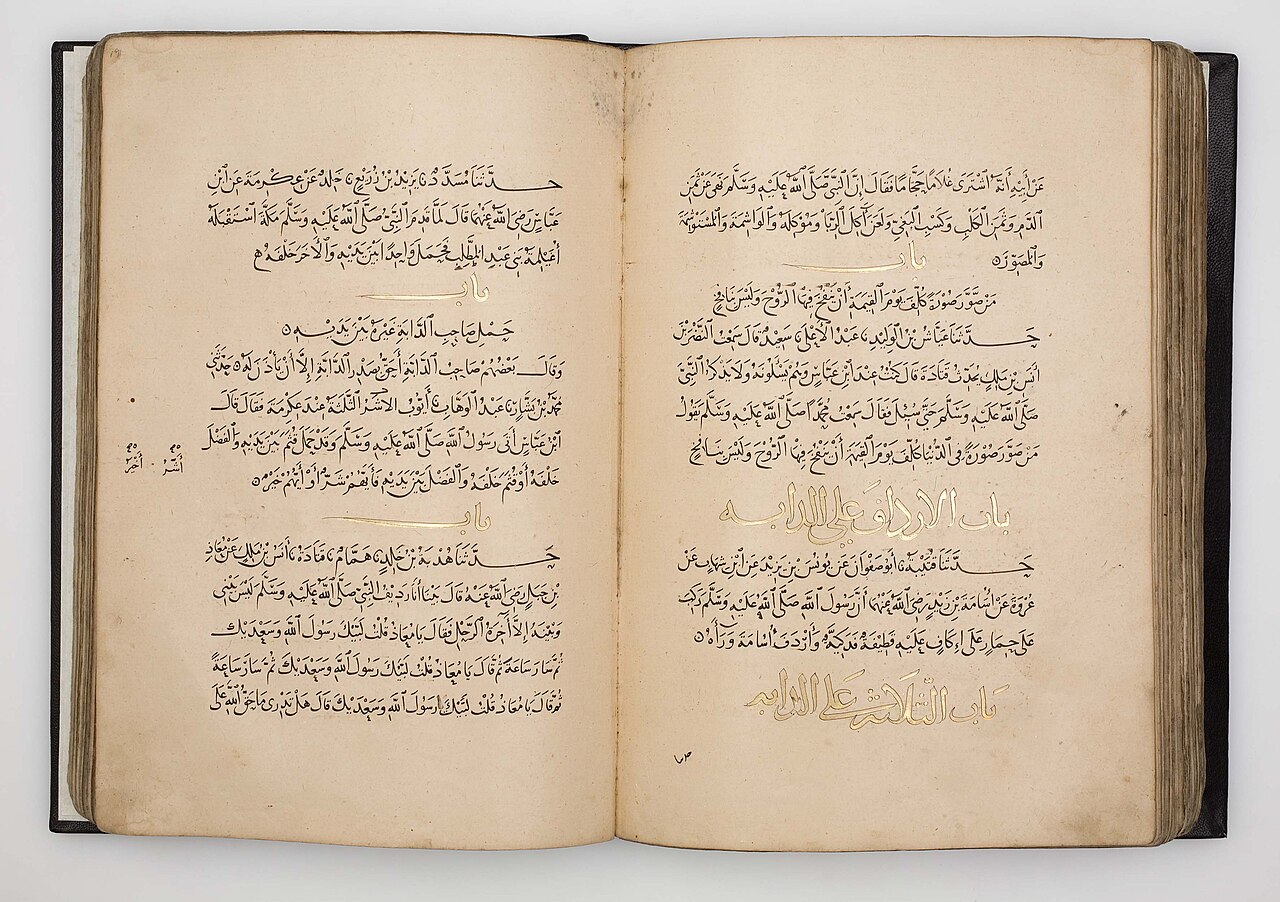
Futuh al-Buldan
Al-Baladhuri · 9th century
 Artifact
Secondary source
Hala Sultan Tekke
1760

Free account
Read every Mu'awiya I source
Sign up free →
Ready when you are
Start chatting with Mu'awiya I now.
20 messages free · No credit card · Available in 50+ languages.