


Secondary sourcePaintingc. 1565-1570
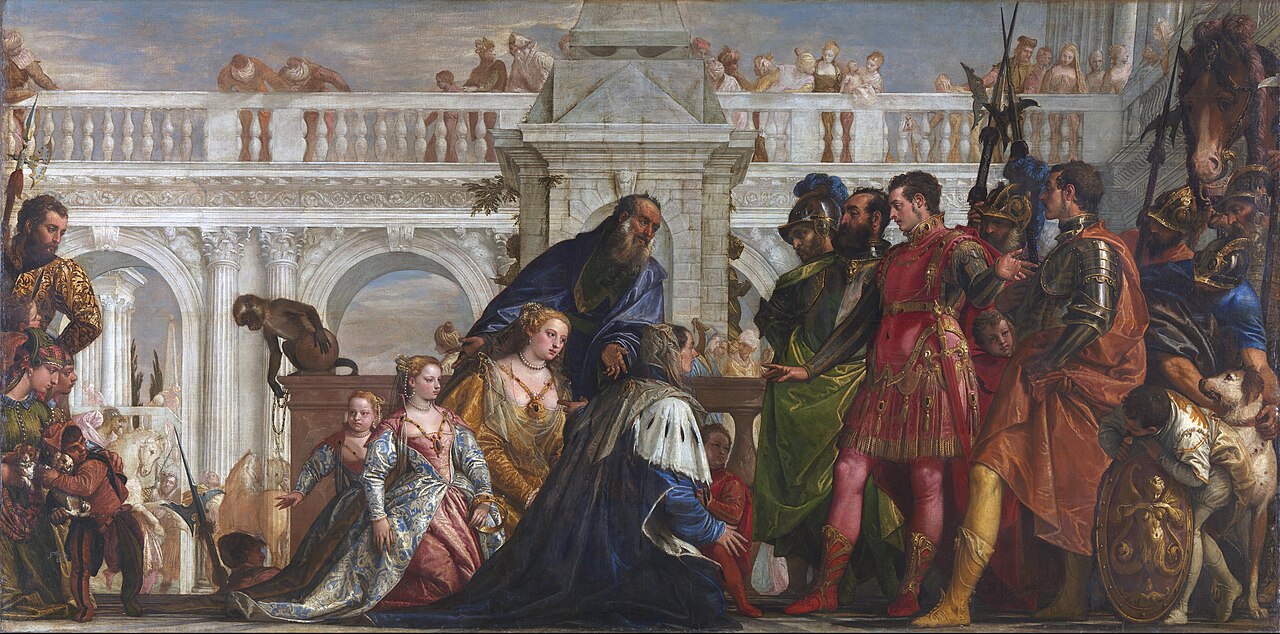
The Family of Darius Before Alexander
Paolo Veronese · c. 1565-1570
Veronese's large Renaissance painting shows Alexander the Great's famous act of mercy toward the captured family of his defeated enemy Darius III.
Depicts Alexander's celebrated act of mercy toward the captured family of his defeated rival Darius III.
About this source
What it is
This oil painting was made around 1565–1570 by the Venetian artist Paolo Veronese. It shows Alexander the Great and his friend Hephaestion before the captured family of the Persian king Darius III, after Alexander's victory at the Battle of Issus in 333 BC. It has been in the collection of the National Gallery in London since 1857.
Why it matters
The painting illustrates a famous ancient story, told by writers such as Plutarch and Quintus Curtius Rufus, about Alexander's mercy and self-control toward his defeated enemies. Darius's mother Sisygambis mistakenly knelt before Hephaestion instead of Alexander, and Alexander generously said Hephaestion was 'Alexander too.' Veronese dressed the figures in 16th-century Venetian clothing, showing how Renaissance artists reimagined ancient history through their own world.
Look closer
- Can you tell which figure is meant to be Alexander, and which is Hephaestion? Why is this still debated by historians?
- Why did Veronese dress the ancient Persians and Greeks in Venetian Renaissance clothing?
- What does the painting leave out about the realities of ancient warfare and captivity?
This painting is part of the curated material that grounds the AI version of Alexander the Great on Humy.ai — when students ask about related events, the AI can quote it and cite it.
More Alexander the Great sources
Meet the AI Alexander the Great →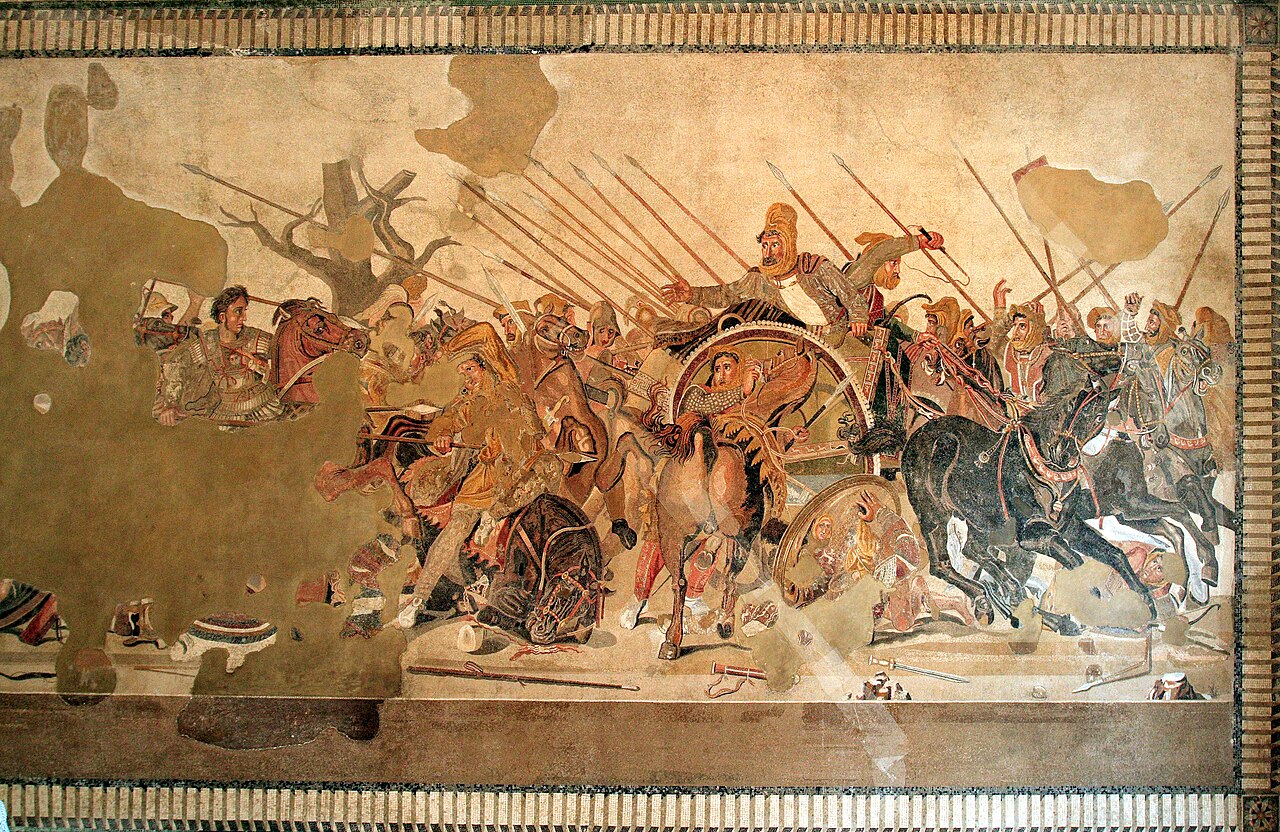 Artifact
Secondary source
Alexander Mosaic
Philoxenus of Eretria · c. 120-100 BCE (copy of an earlier Hellenistic painting)
 Painting
Secondary source
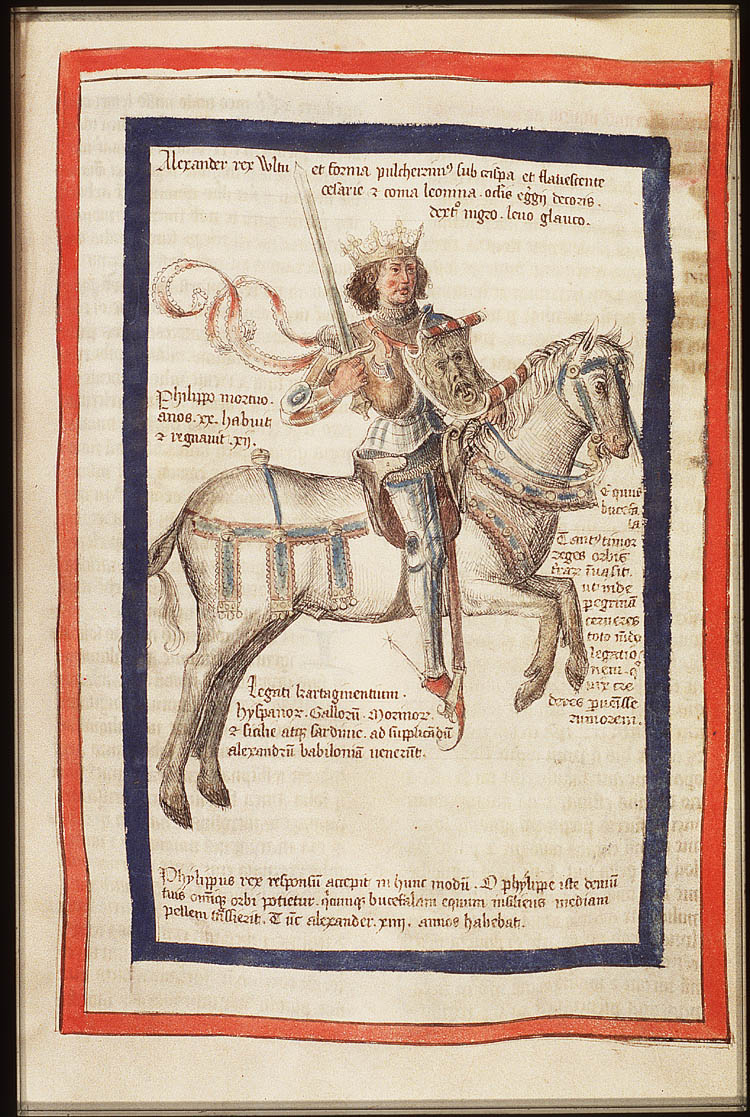
Alexander the Great riding Bucephalus
1460
 Artifact
Primary source
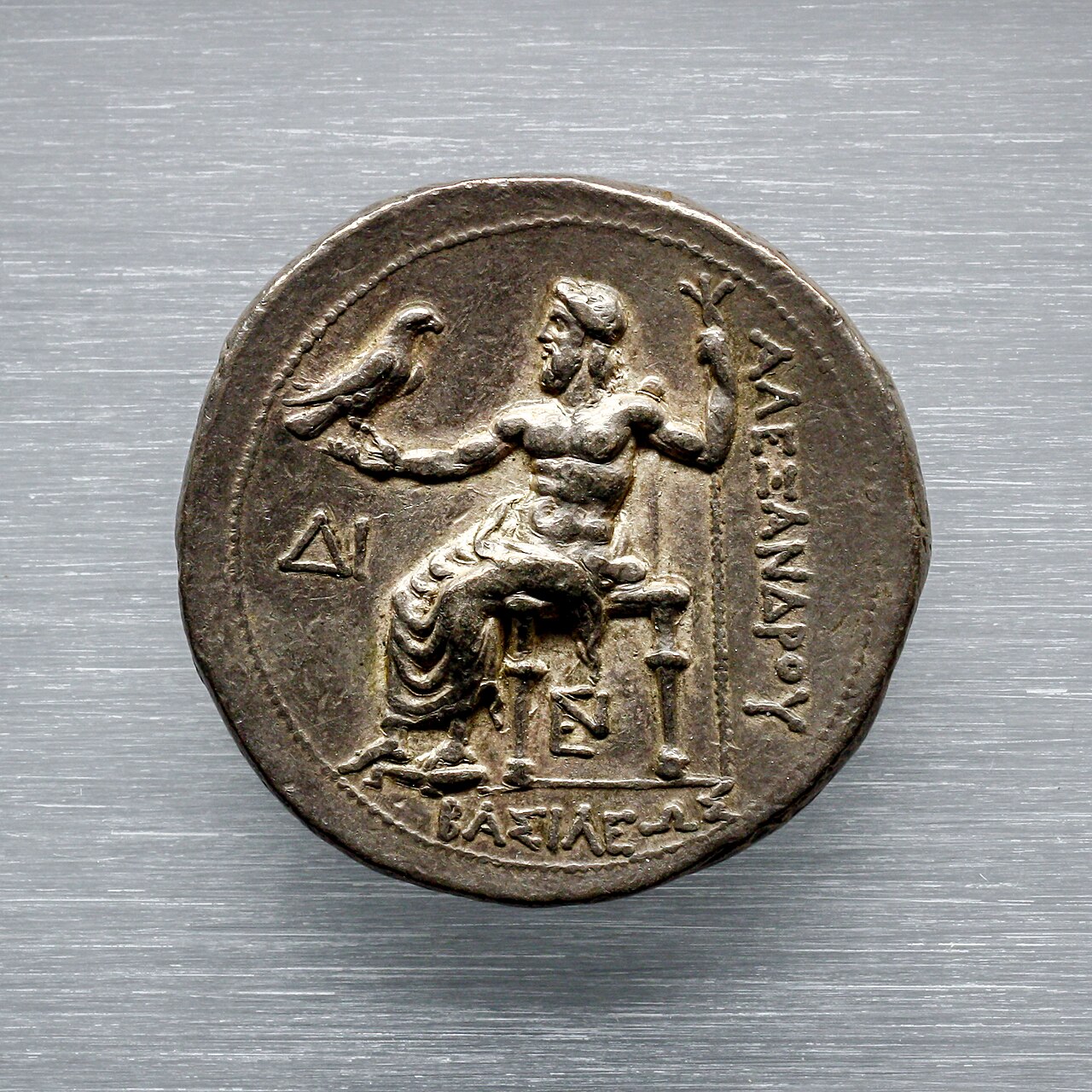
Silver Tetradrachm of Alexander the Great
Royal mints of Alexander III · c. 336-323 BCE
 Painting
Secondary source
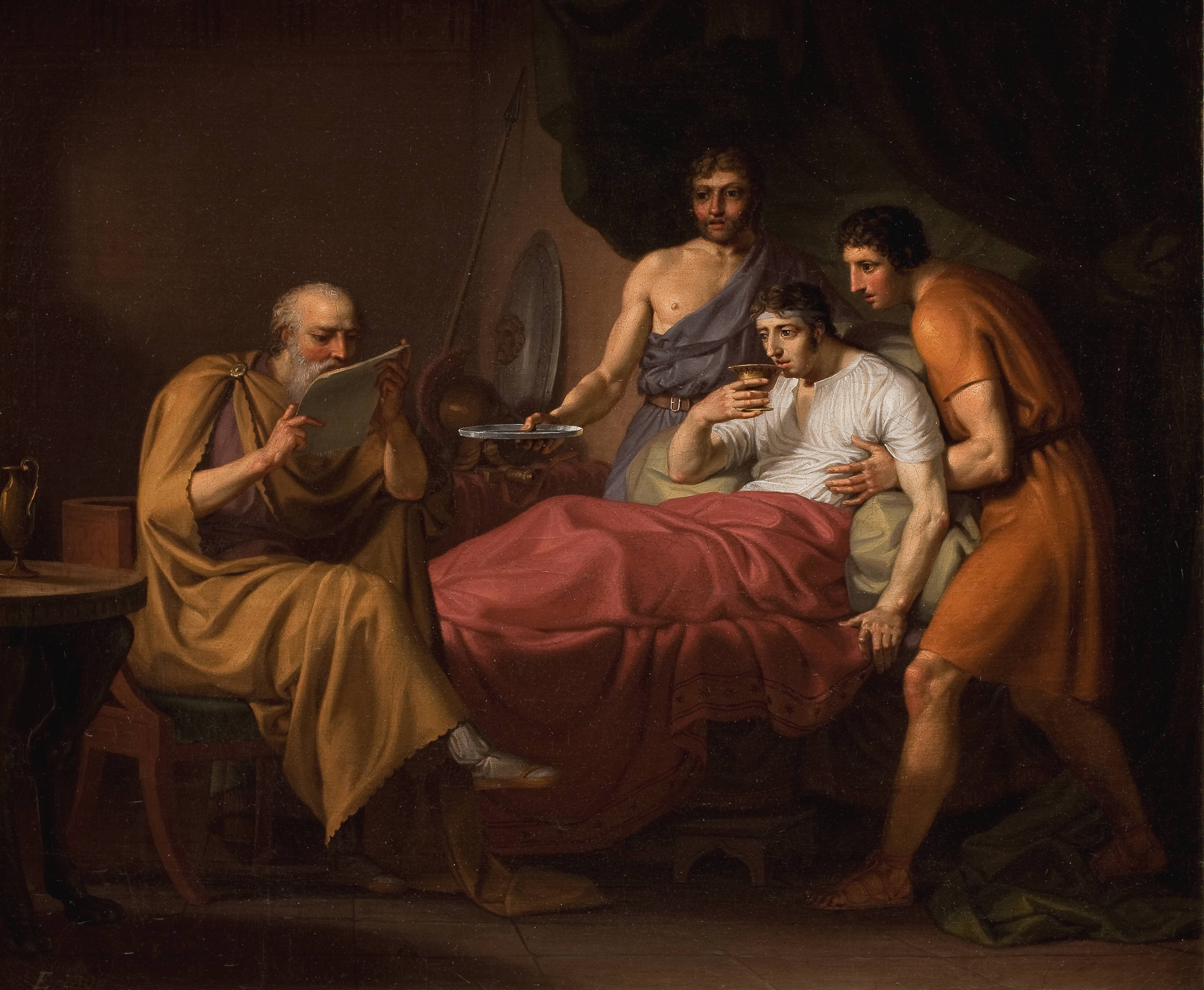
Alexander the Great on his Sickbed
1806
 Book
Secondary source
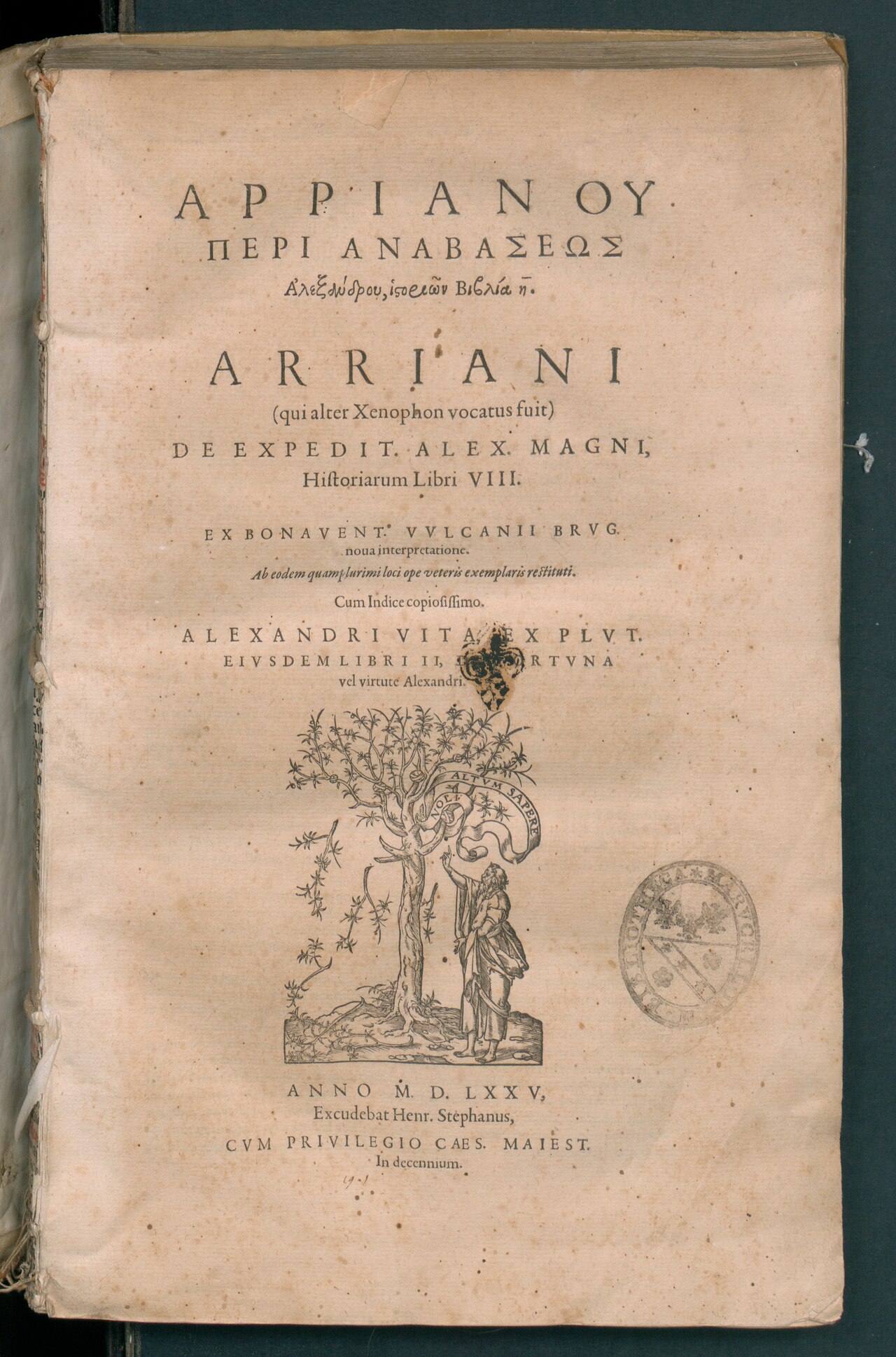
Anabasis of Alexander
Arrian · c. 150 AD
Ready when you are
Start chatting with Alexander the Great now.
20 messages free · No credit card · Available in 50+ languages.