


Primary sourcePainting1838
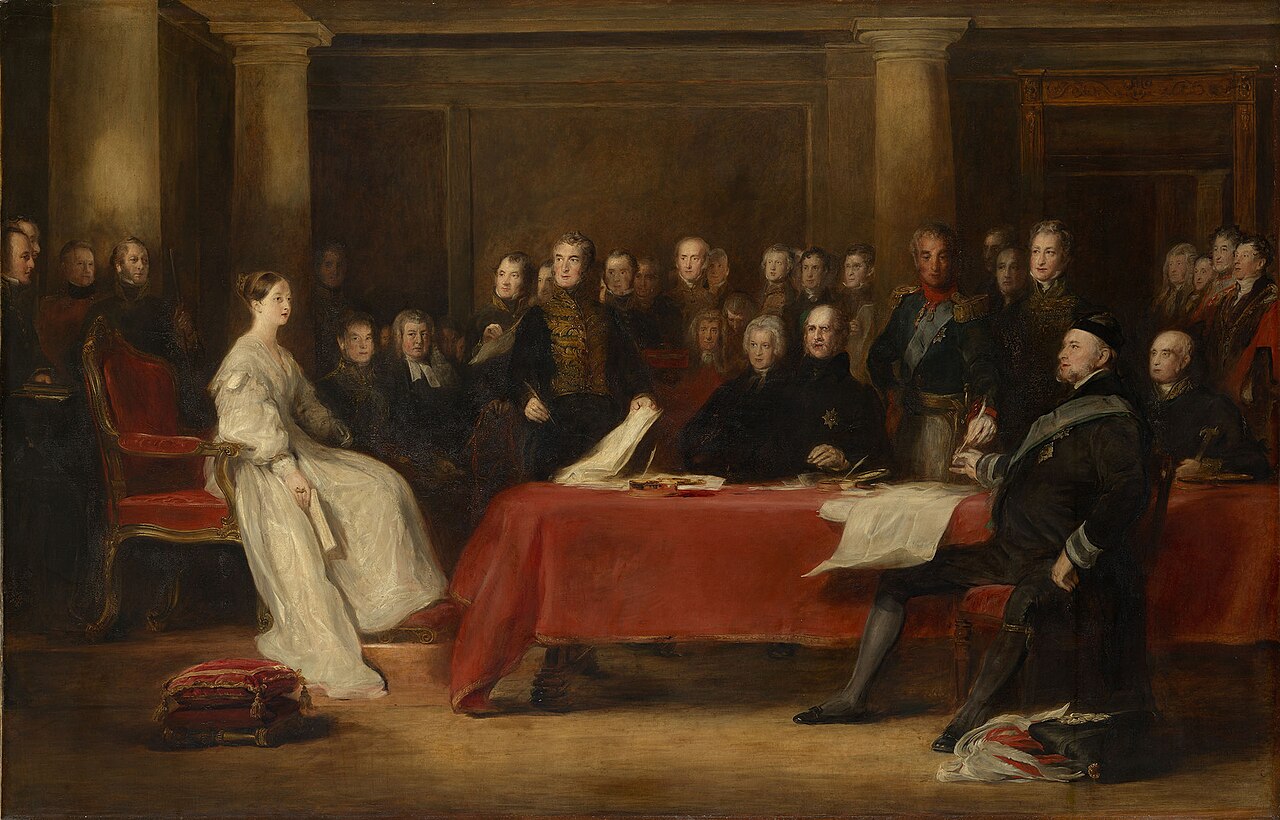
The First Council of Queen Victoria
David Wilkie · 1838
David Wilkie's 1838 painting of the 18-year-old Victoria's first Privy Council meeting on the day she became queen.
The painting shows the 18-year-old Victoria presiding over her first Privy Council on the day of her accession.
About this source
What it is
This 1838 history painting by David Wilkie shows the first Privy Council meeting of Queen Victoria, held at Kensington Palace on 20 June 1837 after the death of her uncle William IV. It depicts senior politicians from both major parties, including several former and future Prime Ministers, and is part of the Royal Collection, displayed at Kensington Palace.
Why it matters
Victoria herself commissioned the work and had strong opinions about who should appear in it. Wilkie dressed her in white, seated among older statesmen in dark clothing, to emphasise her youth and purity, even though she actually wore mourning black that day. Victoria was unhappy with the result and afterwards turned to George Hayter for later ceremonial paintings. The picture shows how royal image-making could differ from reality.
Look closer
- Why do you think Wilkie dressed Victoria in white instead of the black she actually wore?
- What effect does placing one young woman among many older men create?
- Why might Victoria have been dissatisfied with a painting she had specifically requested?
This painting is part of the curated material that grounds the AI version of Queen Victoria on Humy.ai — when students ask about related events, the AI can quote it and cite it.
More Queen Victoria sources
Meet the AI Queen Victoria → Letter
Primary source
The Letters of Queen Victoria, vol. 2
Victoria · 1908
Primary source
Proclamation to the Princes, Chiefs and People of India
Victoria / British Government · 1 November 1858
 Artifact
Primary source
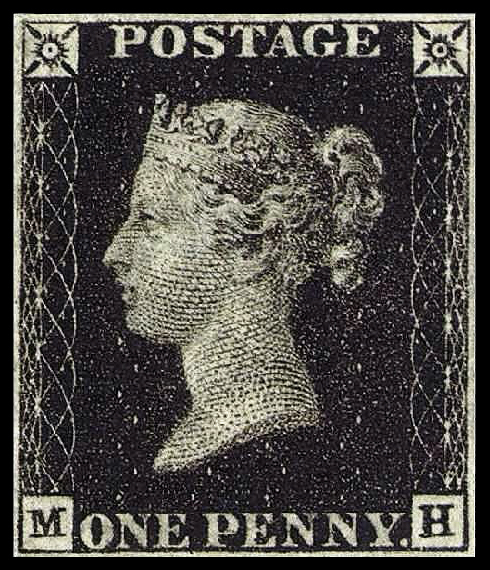
Penny Black
Charles Heath and Frederick Heath (engravers), after Henry Corbould · 1840
 Painting
Primary source
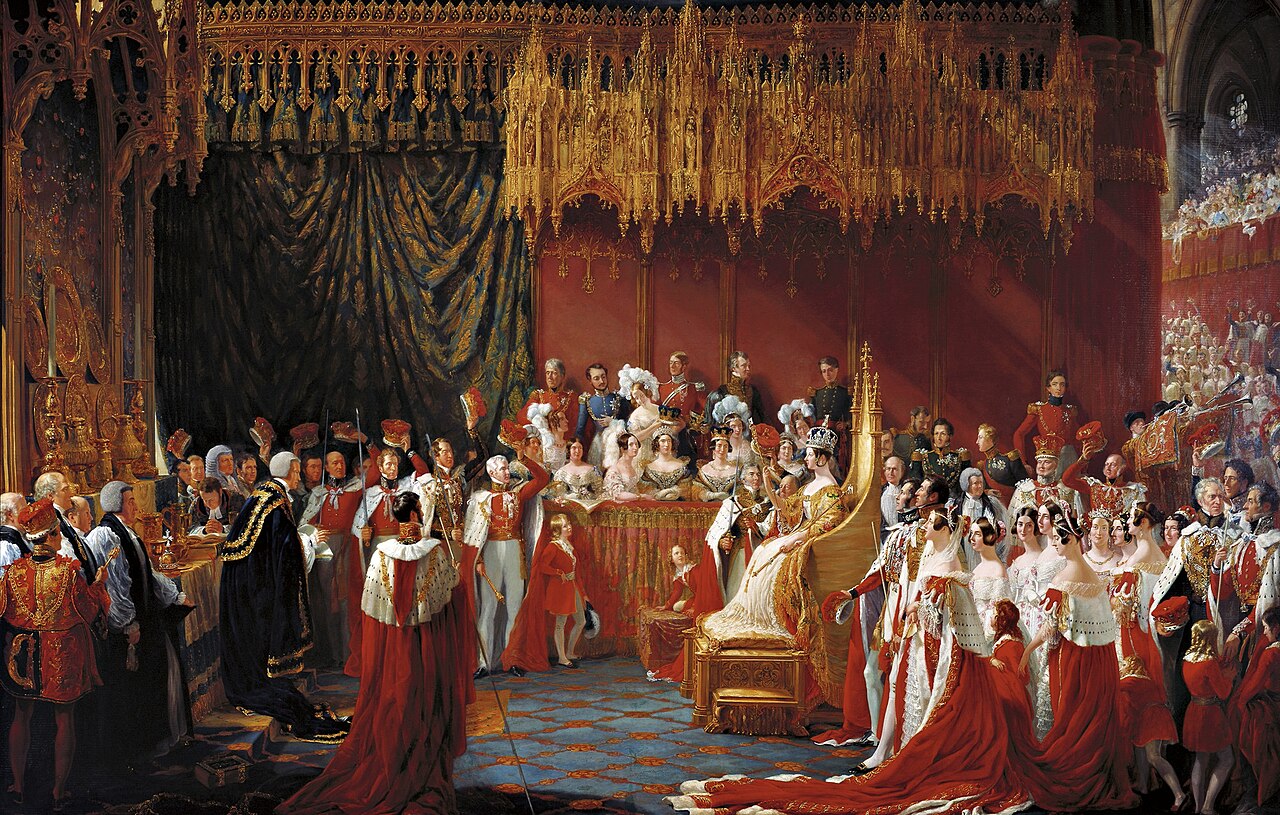
The Coronation of Queen Victoria in Westminster Abbey
George Hayter · 1838-1839
 Painting
Primary source
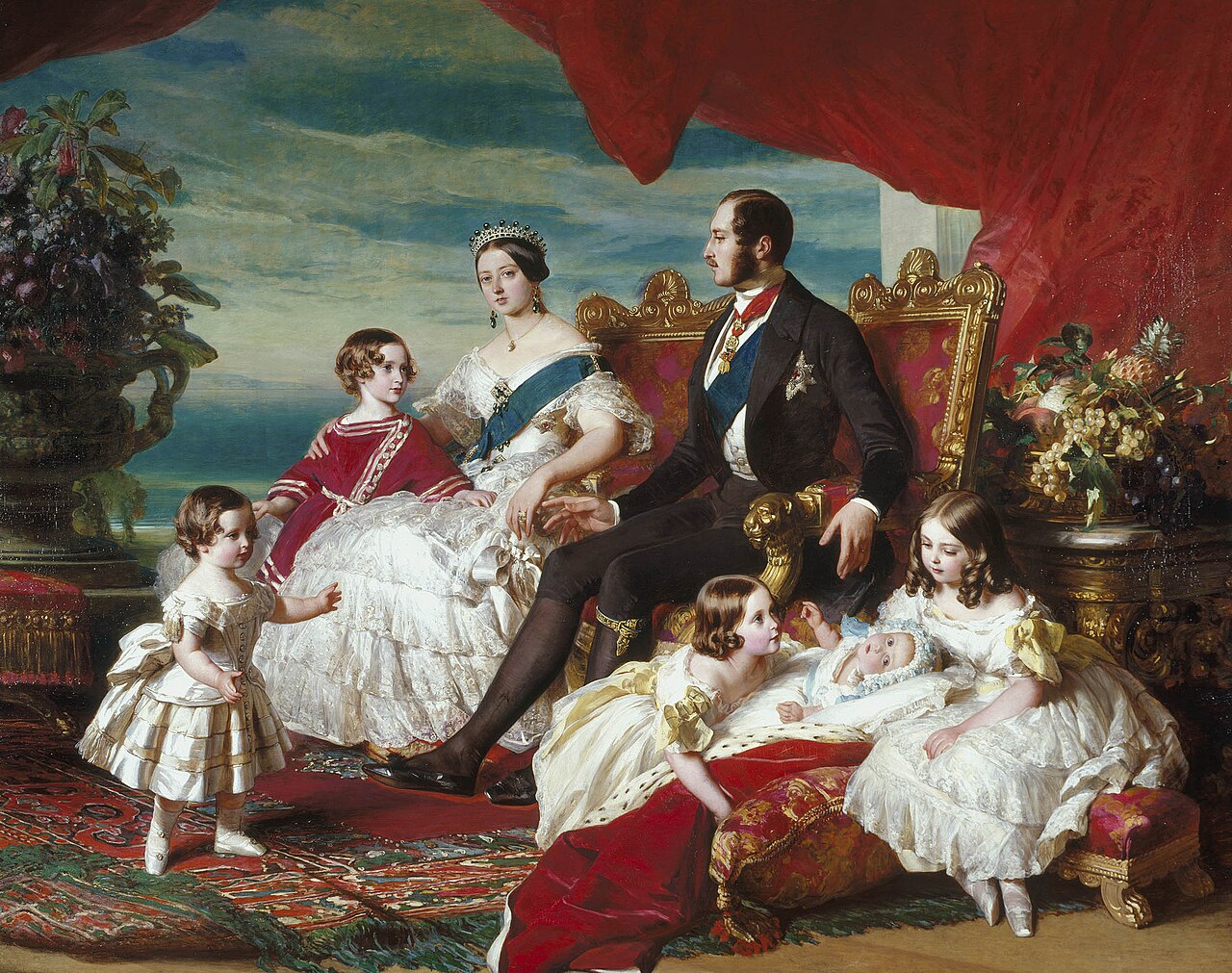
The Royal Family in 1846
Franz Xaver Winterhalter · 1846-1847
Ready when you are
Start chatting with Queen Victoria now.
20 messages free · No credit card · Available in 50+ languages.