


Primary sourceBook1812
The Fisherman and His Wife
Philipp Otto Runge · 1812
A Low German fairy tale about greed, collected by the Brothers Grimm from a manuscript by painter Philipp Otto Runge.
Jacob Grimm co-published this dialect tale with his brother Wilhelm as part of their collection of German fairy tales.
About this source
What it is
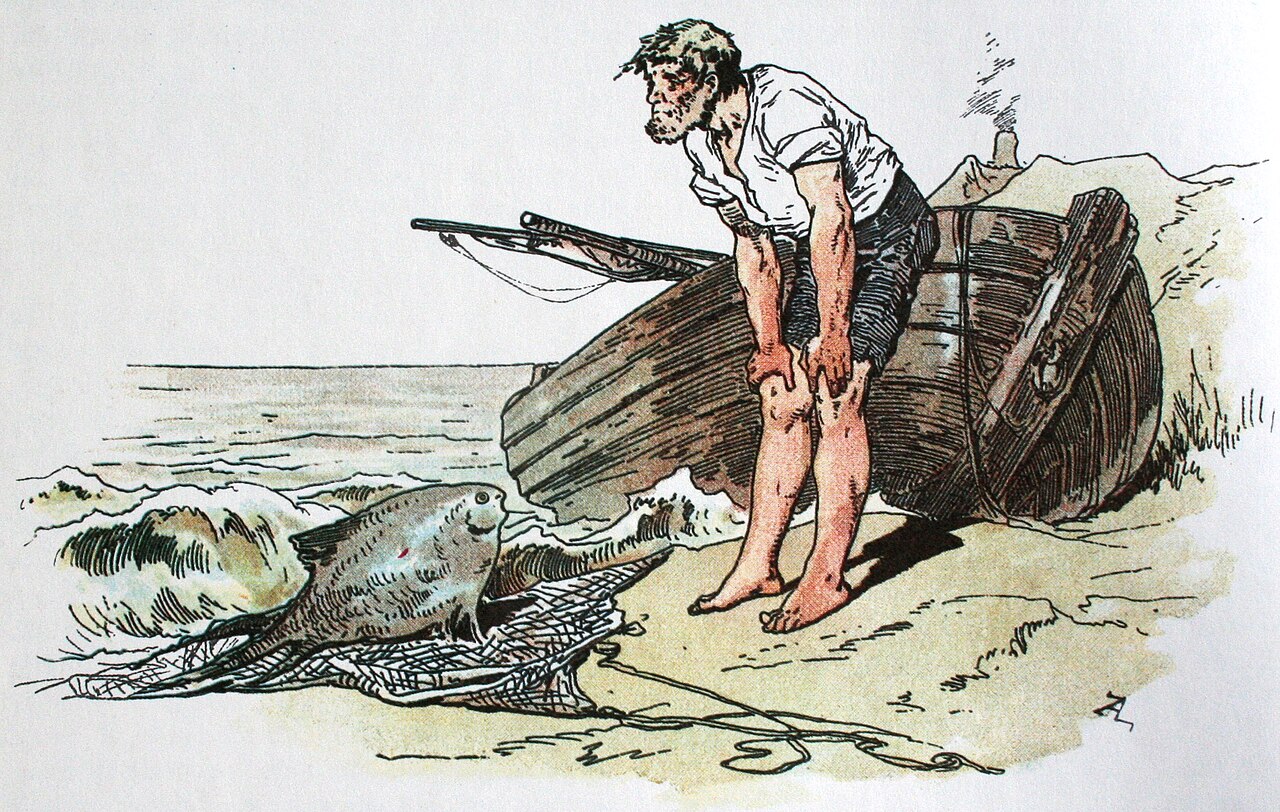
"The Fisherman and His Wife" is a German fairy tale in Low German dialect, collected by the Brothers Grimm and published in 1812. Their source was a manuscript by the painter Philipp Otto Runge, obtained a few years earlier. The story tells of a fisherman whose wife's endless demands for wealth and power are granted by a magic fish, until her greed destroys everything.
Why it matters
The tale reflects the Grimm brothers' belief that dialect speech preserved the authentic voice of ordinary people, which is why they kept it in Low German rather than standard German. As a tale about dissatisfaction and greed, it has influenced later writers, showing how the Grimms' collecting work shaped literature far beyond Germany.
Look closer
- Why might the Grimms have chosen to keep this story in dialect instead of translating it?
- What does the illustration of the fisherman and the talking fish suggest about how artists later imagined the tale?
- What does the story's ending suggest about the values the tale is teaching?
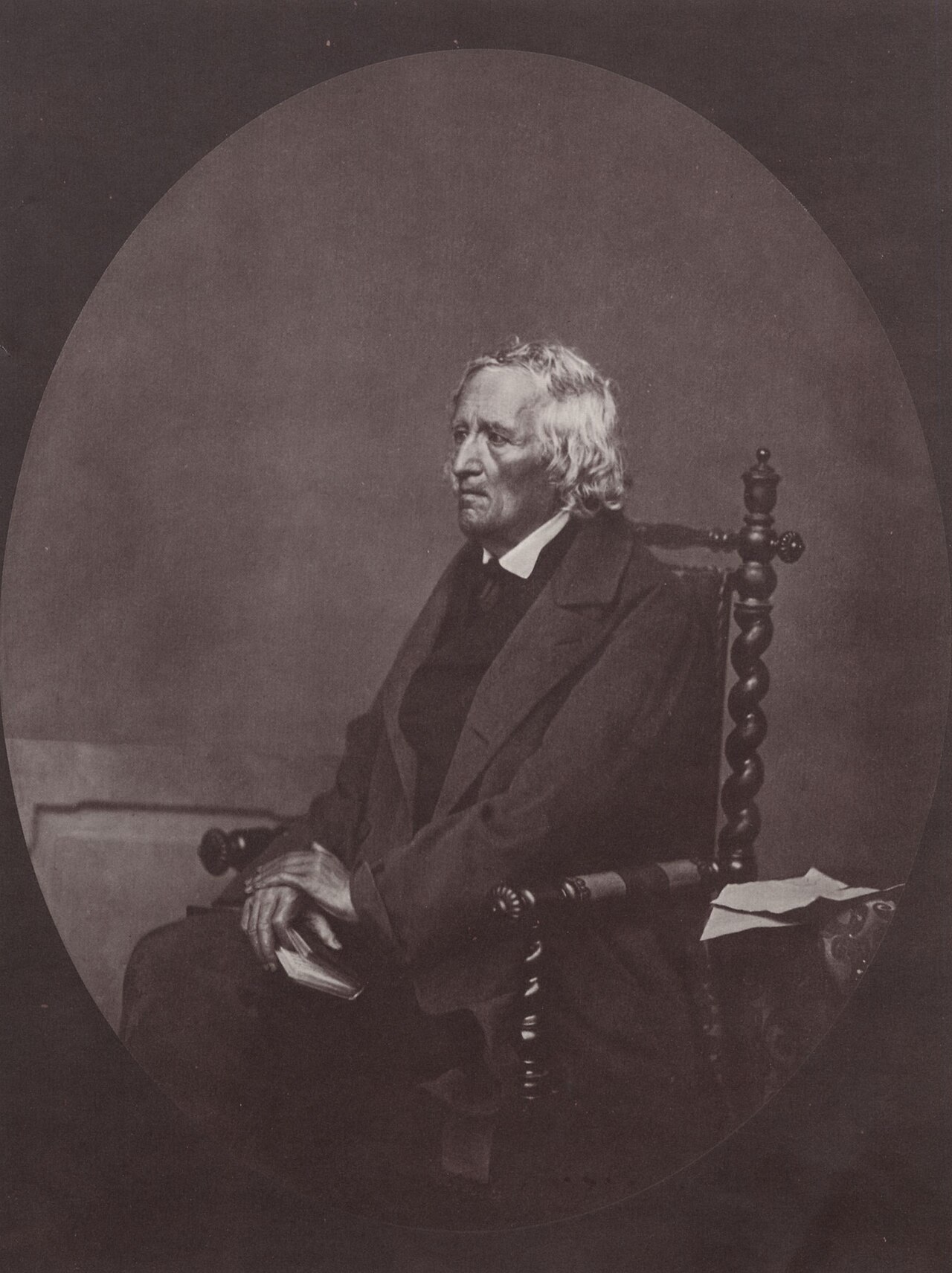
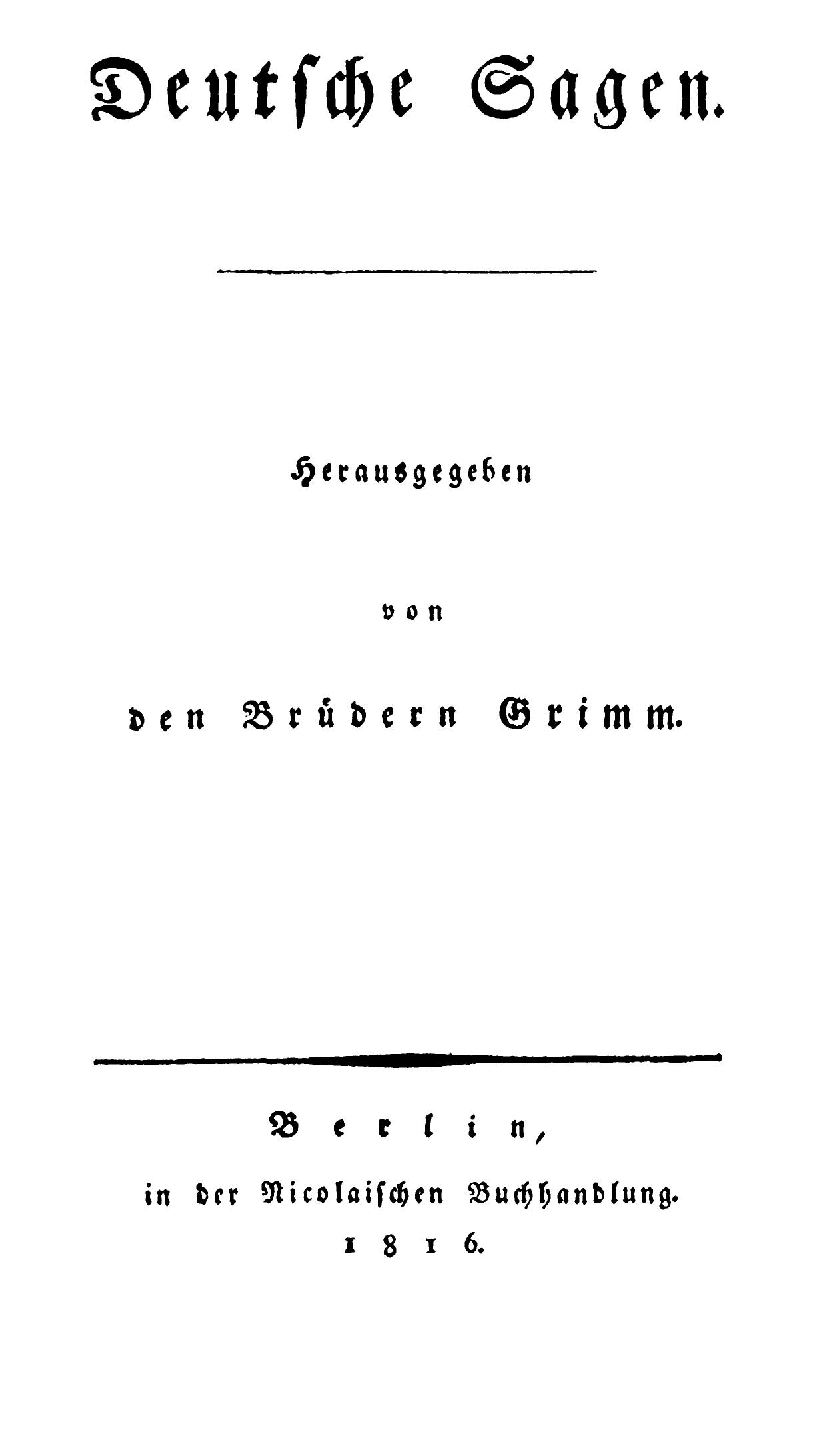
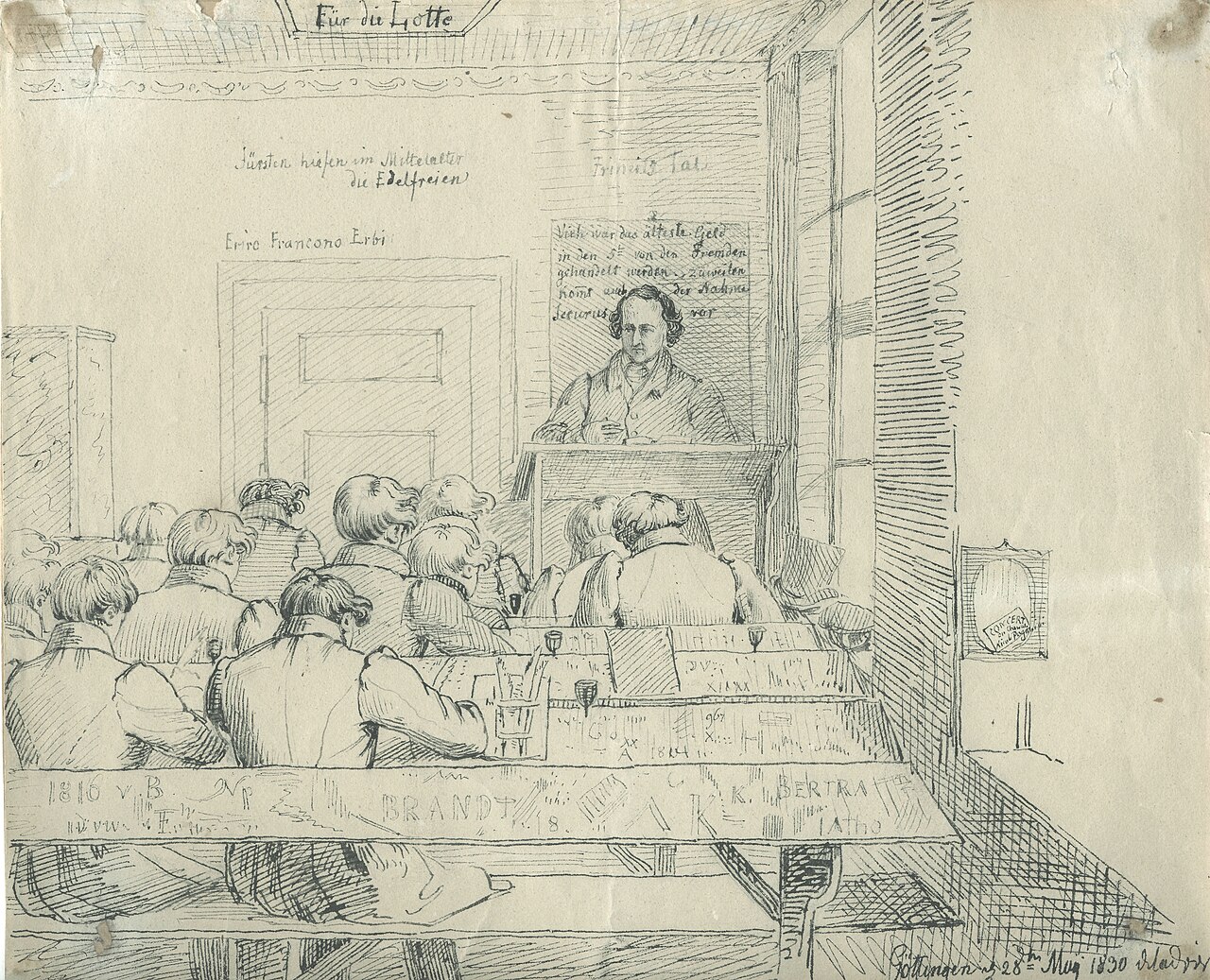
This book is part of the curated material that grounds the AI version of Jacob Grimm on Humy.ai — when students ask about related events, the AI can quote it and cite it.
More Jacob Grimm sources
Browse all 90 → Book
Primary source
Grimms' Fairy Tales
Jacob Grimm and Wilhelm Grimm · 1812-1815 (first edition)
 Book
Primary source
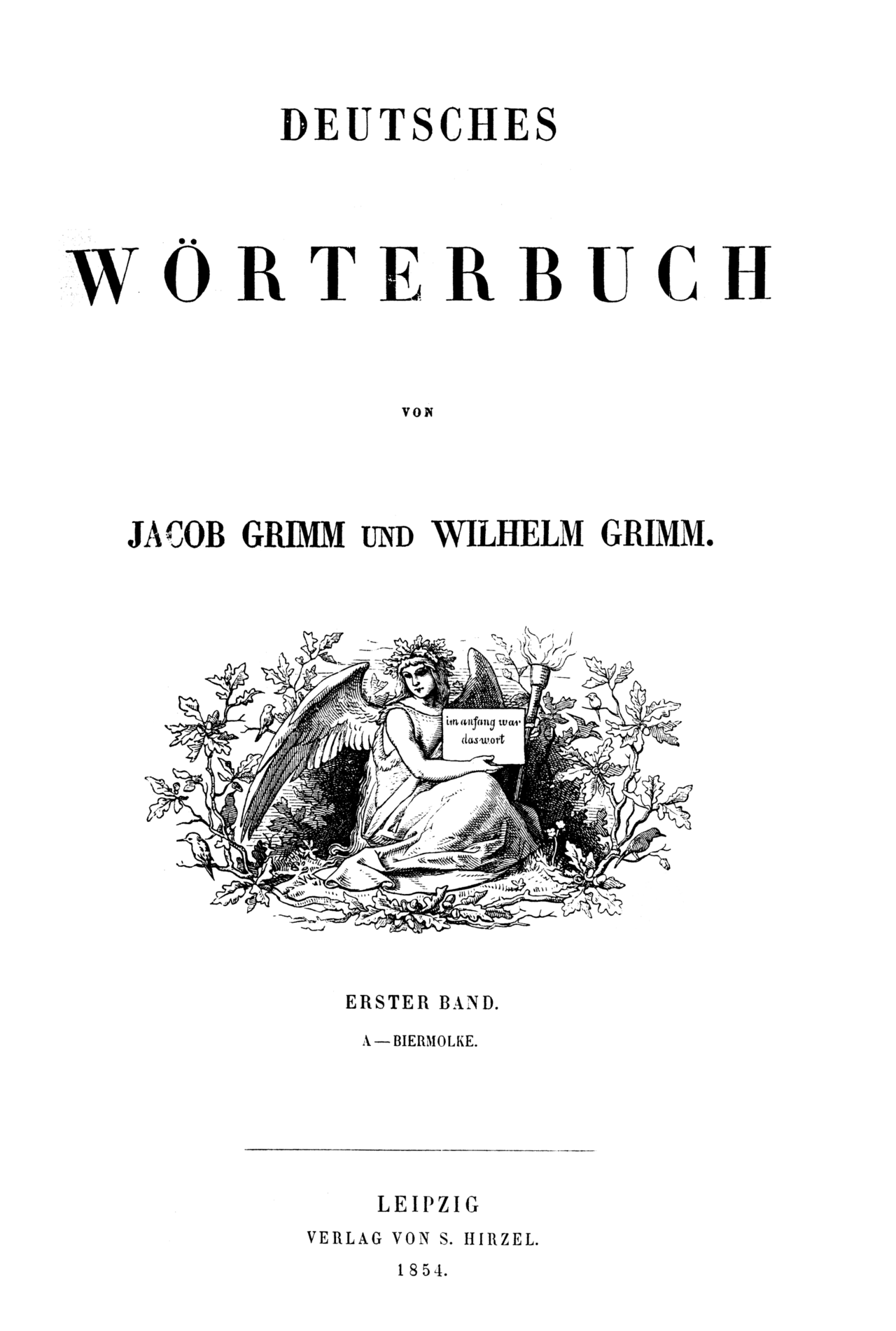
Deutsches Wörterbuch
Jacob Grimm and Wilhelm Grimm · begun 1838, first volume 1854
 Photograph
Primary source
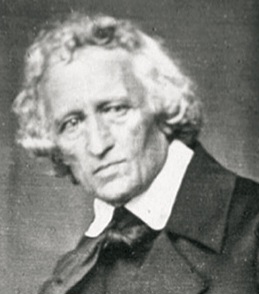
Jacob Grimm Daguerreotype
Hermann Biow · 1847
Primary source
Deutsche Mythologie
Jacob Grimm · 1835
Free account
Read every Jacob Grimm source
Sign up free →
Ready when you are
Start chatting with Jacob Grimm now.
20 messages free · No credit card · Available in 50+ languages.