


Primary sourceSculptureModeled 1862–63
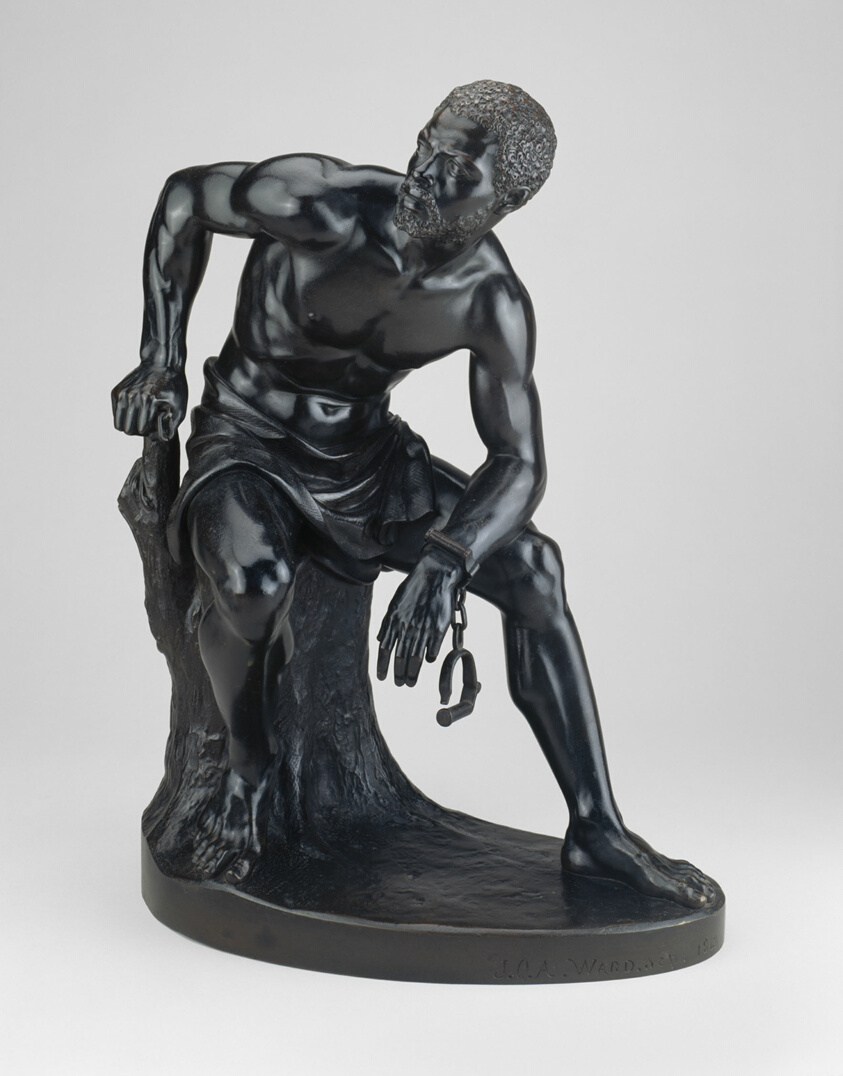
The Freedman
John Quincy Adams Ward · Modeled 1862–63
An 1862-63 bronze sculpture by John Quincy Adams Ward depicting a freed man breaking his chains, reflecting the emancipation era in which Still worked.
An emancipation-era artwork reflecting the historical moment in which Still's abolitionist work took place.
About this source
What it is
This bronze sculpture, modeled in 1862-63 by John Quincy Adams Ward, shows a seated, muscular man with a broken shackle and chain hanging from his wrist, looking upward. It is held today by the Art Institute of Chicago.
Why it matters
Created during the Civil War as slavery was ending, this sculpture captures the emotion of emancipation through the image of broken chains. It reflects the same historic moment in which William Still, as an abolitionist and historian of the Underground Railroad, was deeply involved, showing how artists of the time responded to the end of slavery in visual form.
Look closer
- What does the man's posture and upward gaze suggest about how the sculptor wanted viewers to feel?
- Why might the sculptor have chosen to show a broken chain rather than slavery itself?
- What is missing from this artwork about the real experiences of enslaved and freed people?
This sculpture is part of the curated material that grounds the AI version of William Still on Humy.ai — when students ask about related events, the AI can quote it and cite it.
More William Still sources
Meet the AI William Still →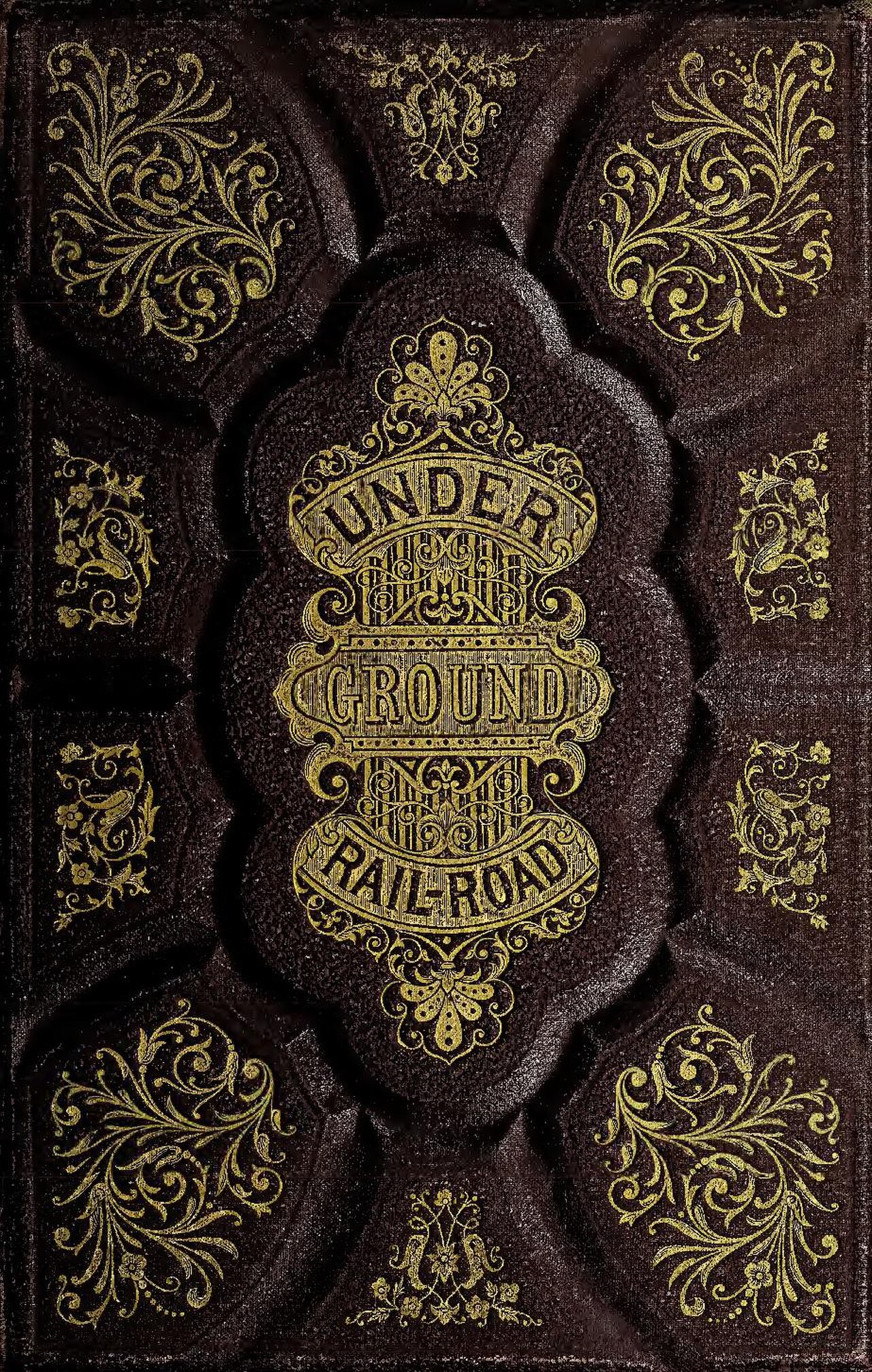 Book
Primary source
The Underground Rail Road
William Still · 1872
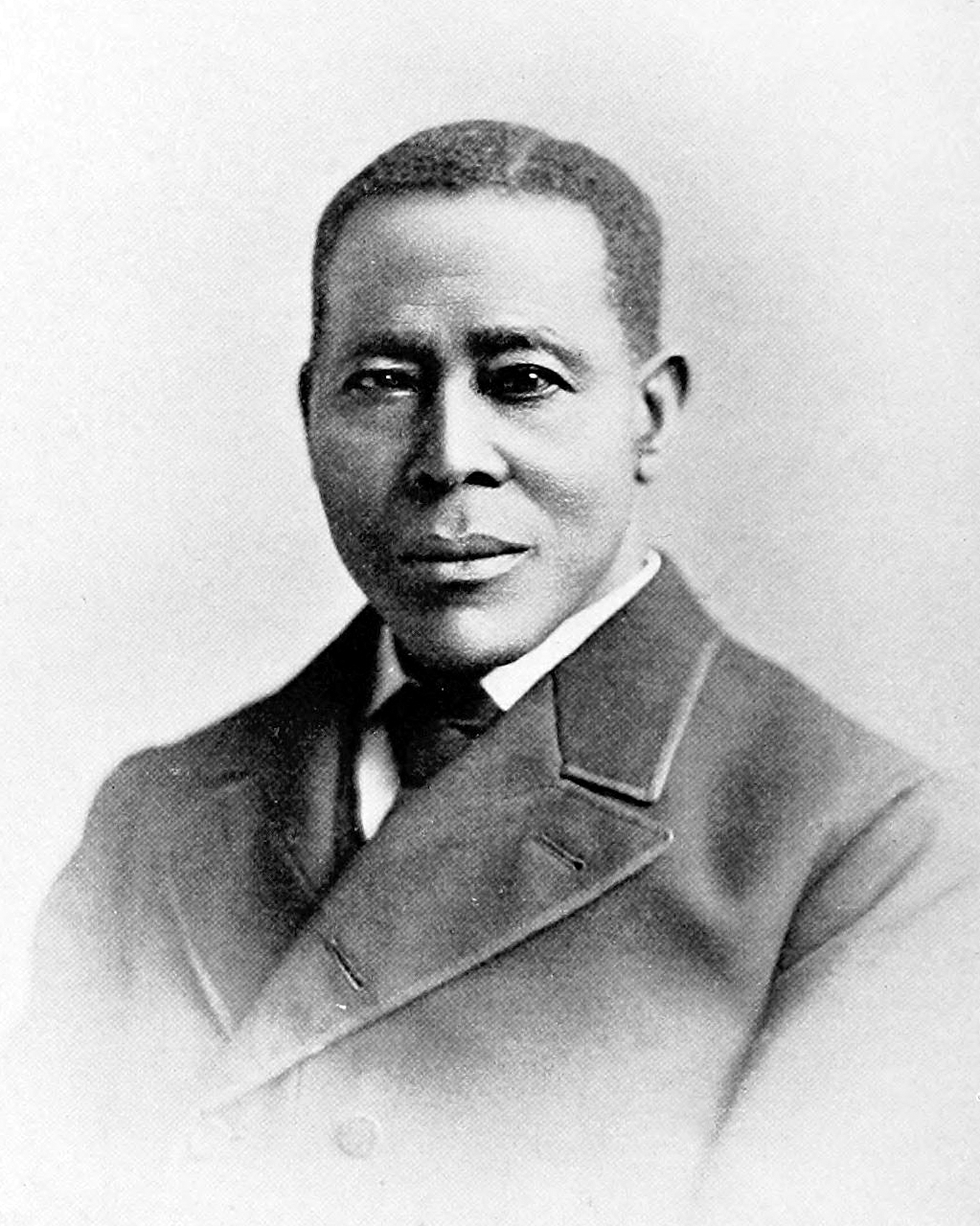 Photograph
Primary source
Portrait of William Still
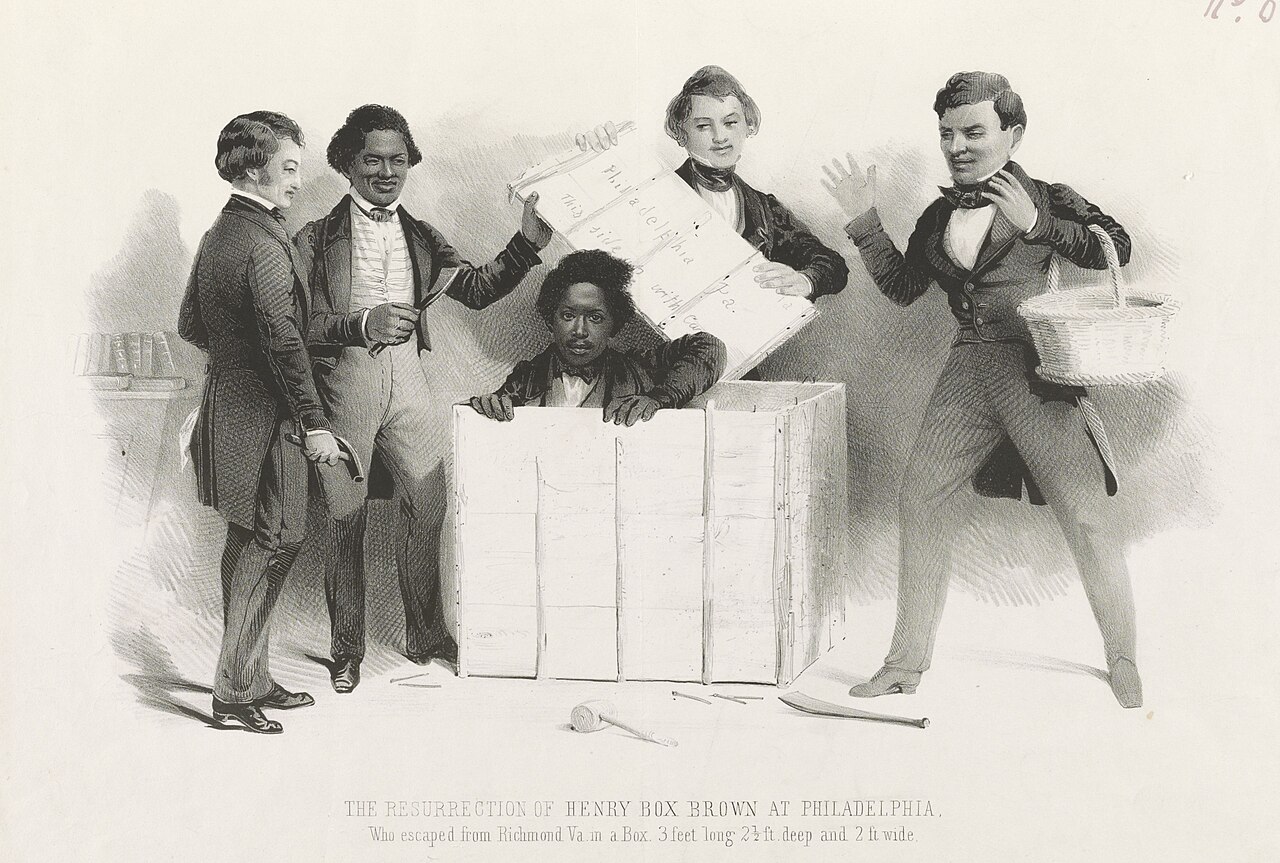 Painting
Primary source
The Resurrection of Henry Box Brown at Philadelphia
Samuel W. Rowse · 1850
 Document
Primary source
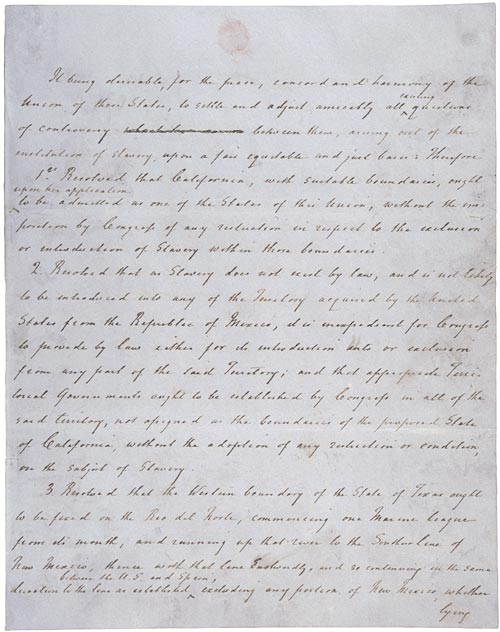
Compromise of 1850
Henry Clay · 29 January 1850 (resolutions); statutes enacted September 1850
 Photograph
Primary source
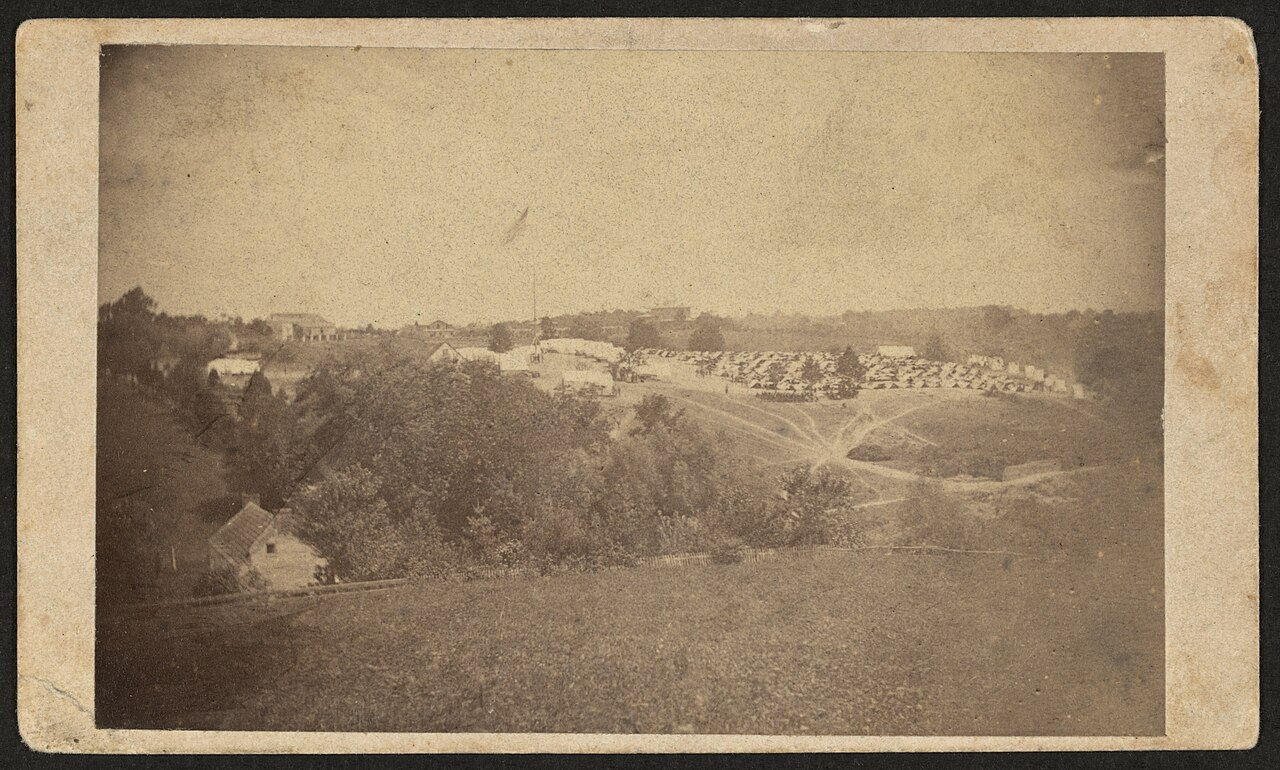
Camp William Penn
B.F. Reimer · 1863
Ready when you are
Start chatting with William Still now.
20 messages free · No credit card · Available in 50+ languages.