


Primary sourcePainting1770
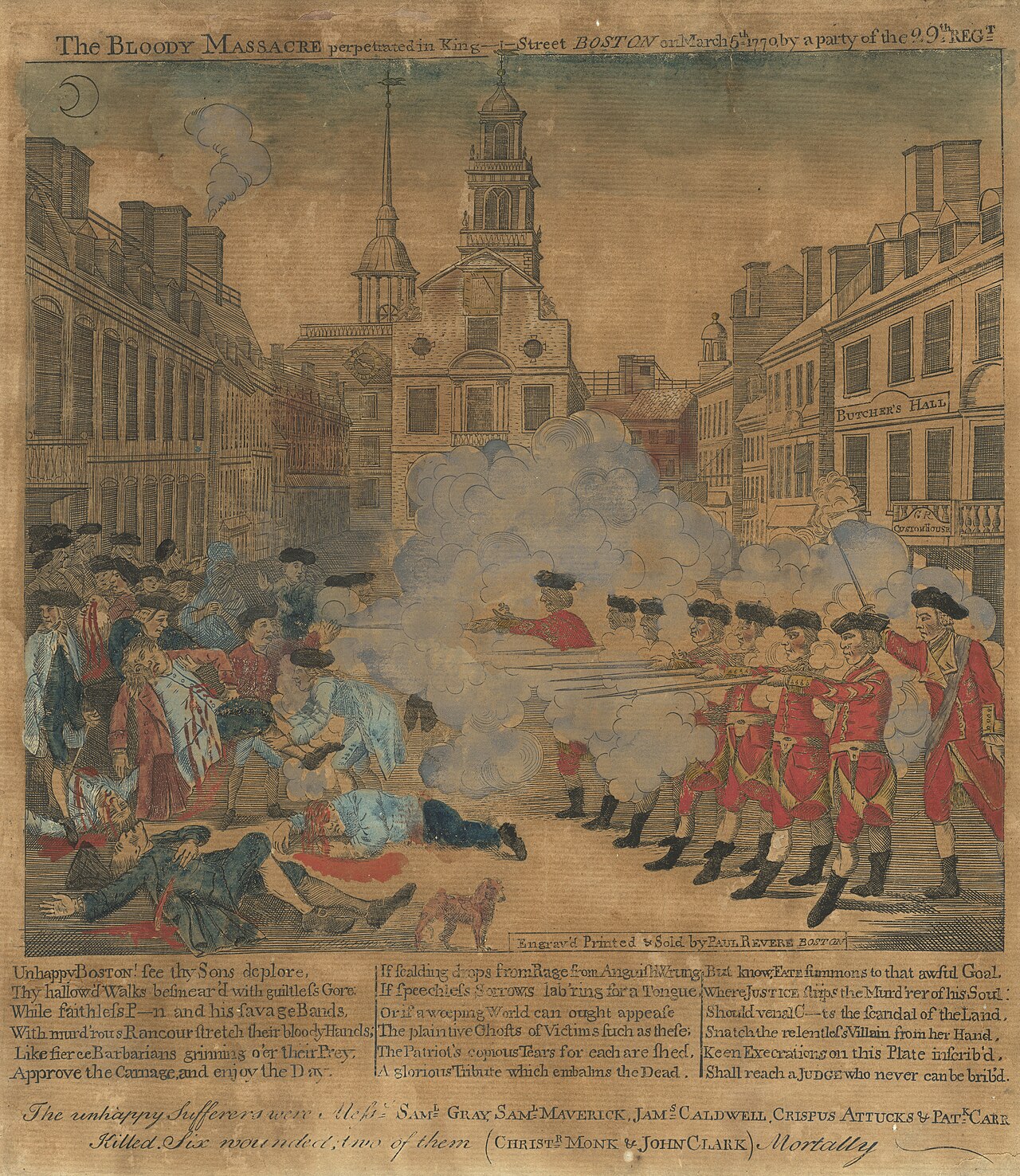
The Fruits of Arbitrary Power, or the Bloody Massacre
Henry Pelham · 1770
Henry Pelham's 1770 engraving of the Boston Massacre, which Paul Revere copied without credit for his own faster-selling print.
Pelham's original design was copied by Revere without credit, making this print central to understanding Revere's own famous Massacre engraving.
About this source
What it is
This 1770 engraving by Henry Pelham depicts the Boston Massacre of March 5, 1770, showing British soldiers firing into a crowd of colonists. It is held by the American Antiquarian Society.
Why it matters
Pelham lent a copy of his design to Paul Revere, who copied it and released his own version under his own name three weeks after the massacre, a week before Pelham's print went on sale, without crediting Pelham. Comparing the two prints shows how quickly political images could spread and be copied in colonial Boston, and how image-making became a tool of Patriot propaganda.
Look closer
- What does it mean that Revere's copy reached buyers before Pelham's original?
- Why might speed and credit have mattered so much to engravers at this moment?
- How does an image like this shape public feeling about an event compared to a written account?
This painting is part of the curated material that grounds the AI version of Paul Revere on Humy.ai — when students ask about related events, the AI can quote it and cite it.
More Paul Revere sources
Meet the AI Paul Revere →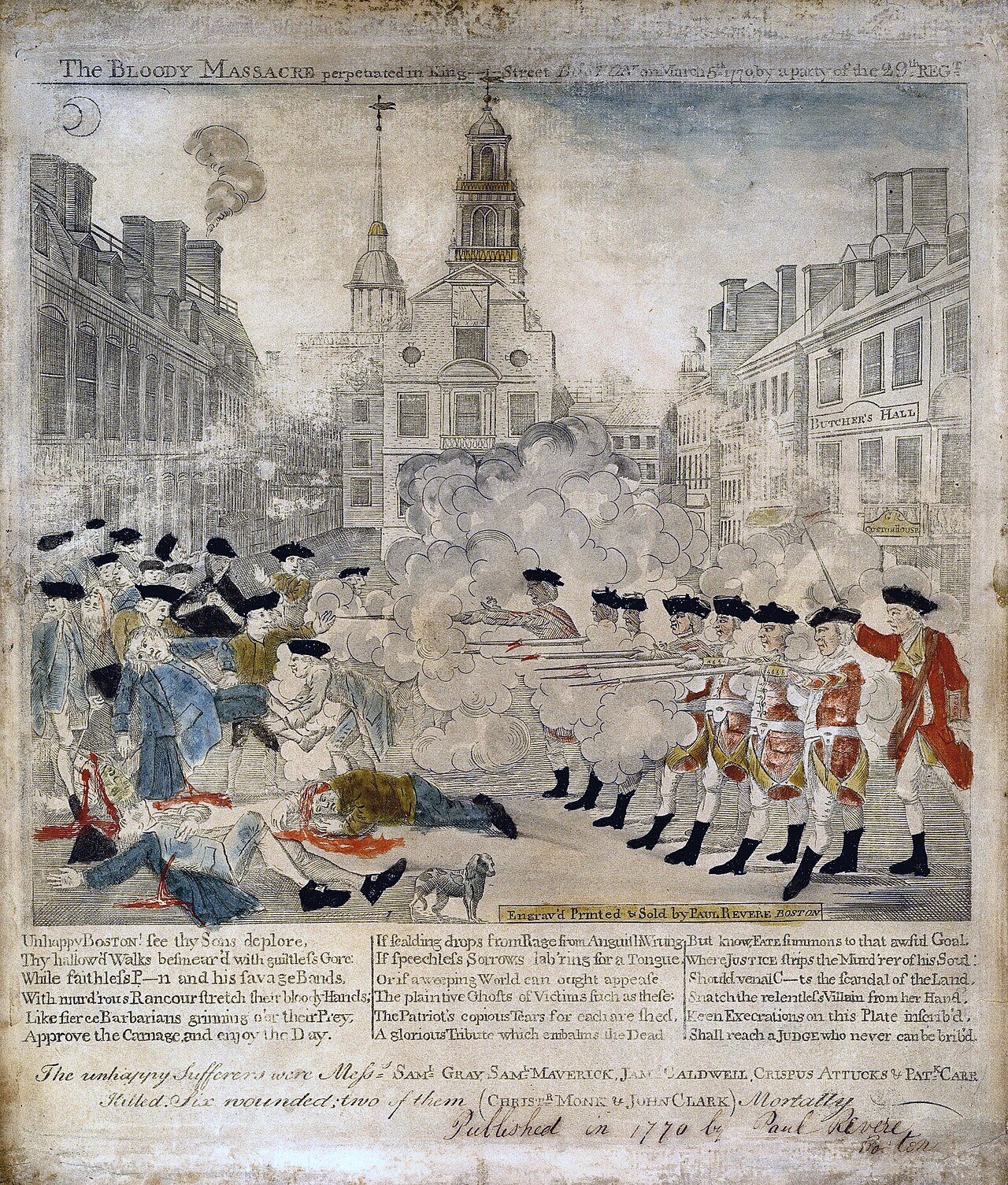 Painting
Primary source
The Bloody Massacre
Paul Revere · 1770
 Painting
Primary source
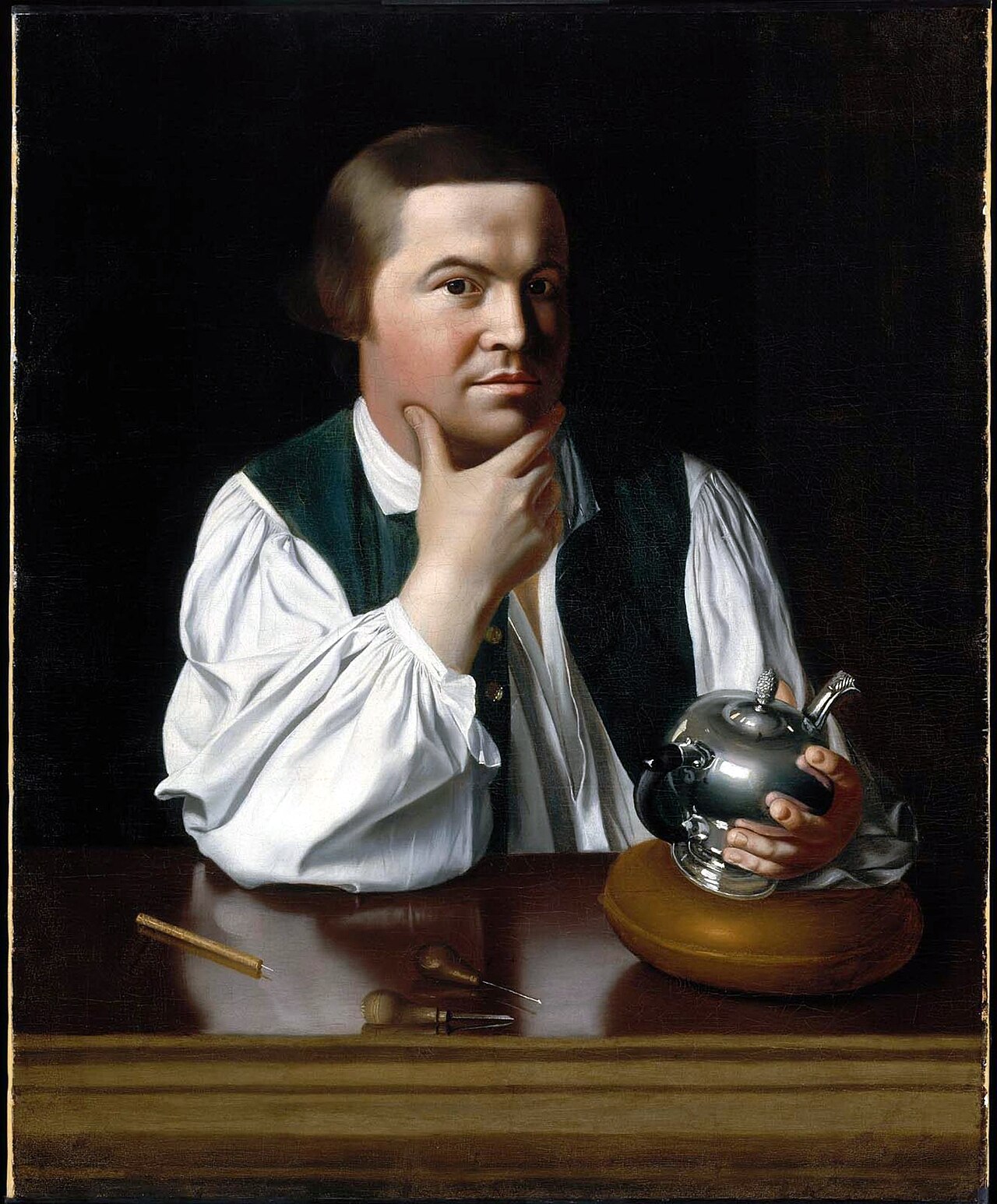
Portrait of Paul Revere
John Singleton Copley · 1768
 Artifact
Primary source
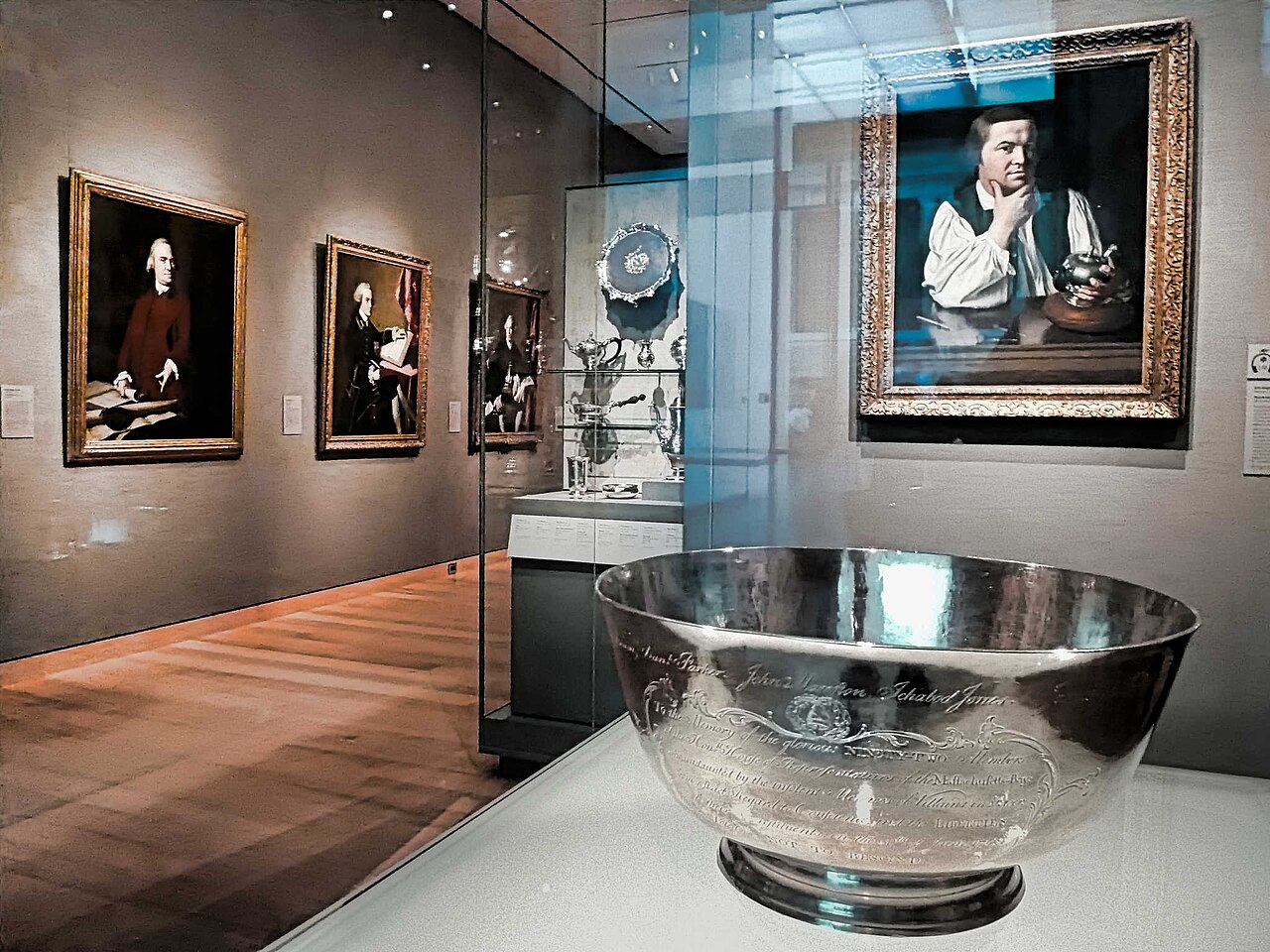
Sons of Liberty Bowl
Paul Revere · 1768
 Book
Secondary source
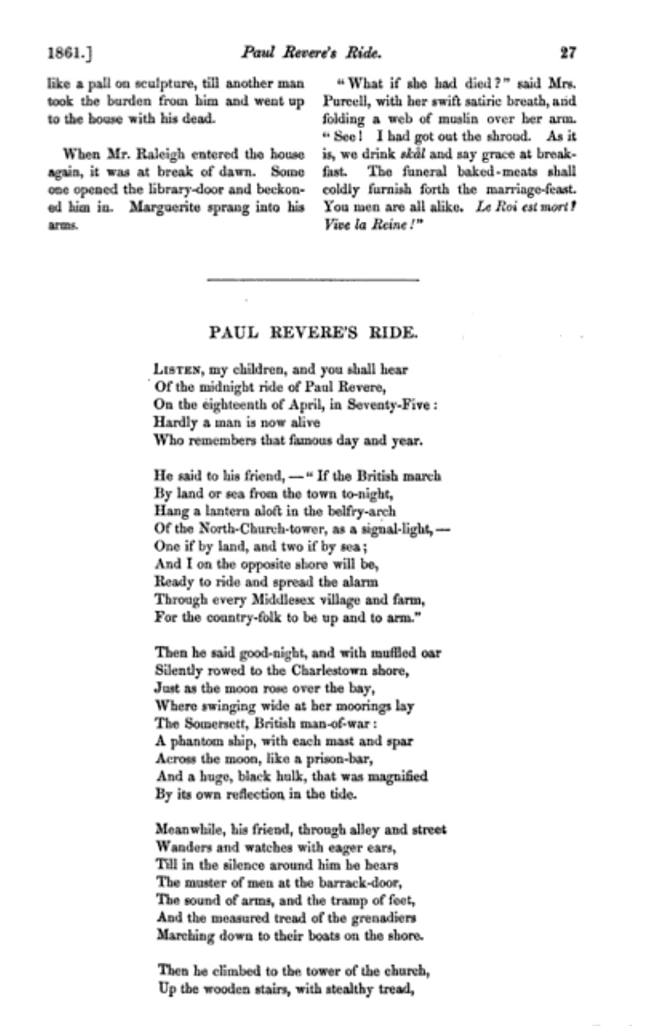
Paul Revere's Ride
Henry Wadsworth Longfellow · 1860
 Artifact
Primary source
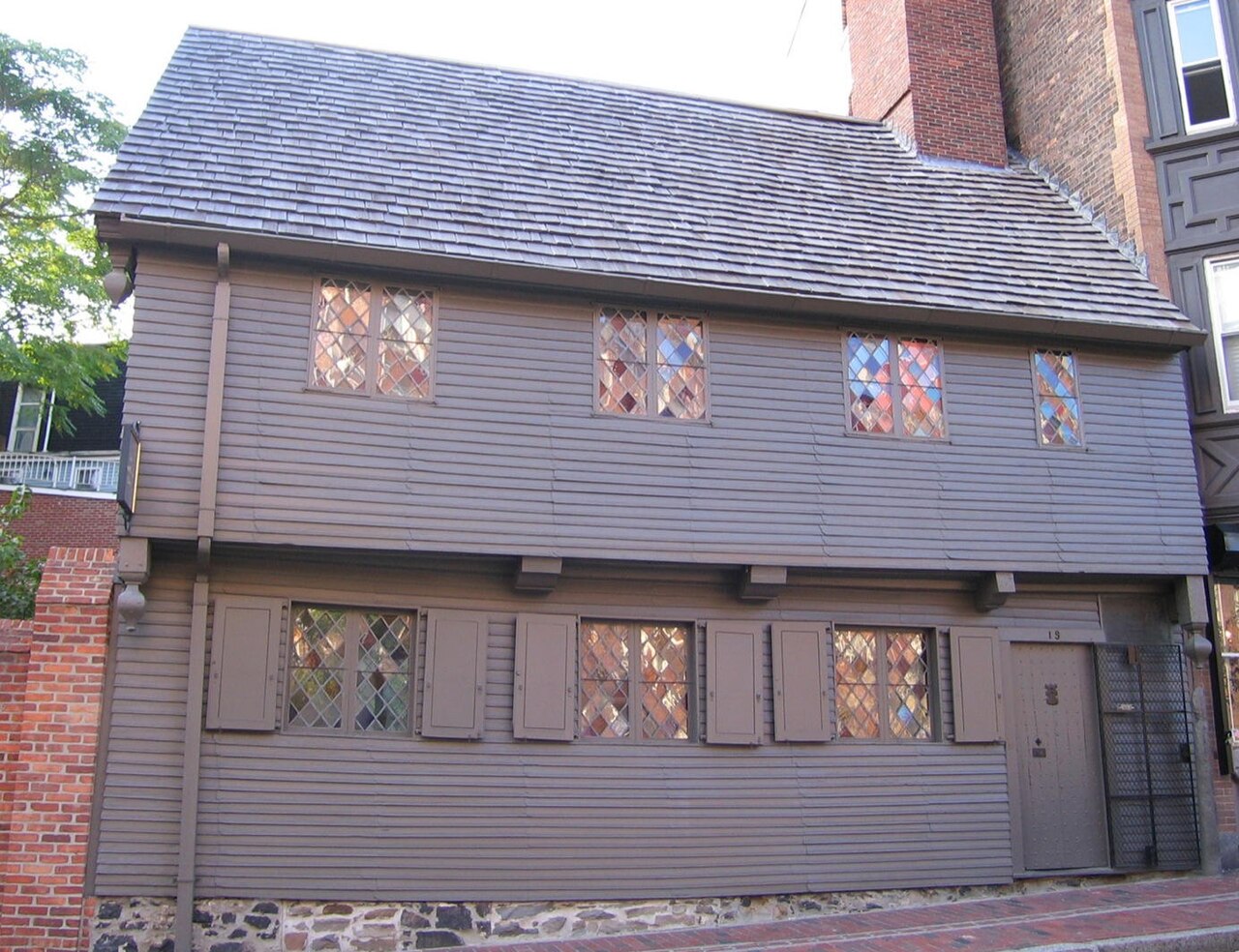
Paul Revere House
c. 1680
Ready when you are
Start chatting with Paul Revere now.
20 messages free · No credit card · Available in 50+ languages.