


Primary sourceDocument1854
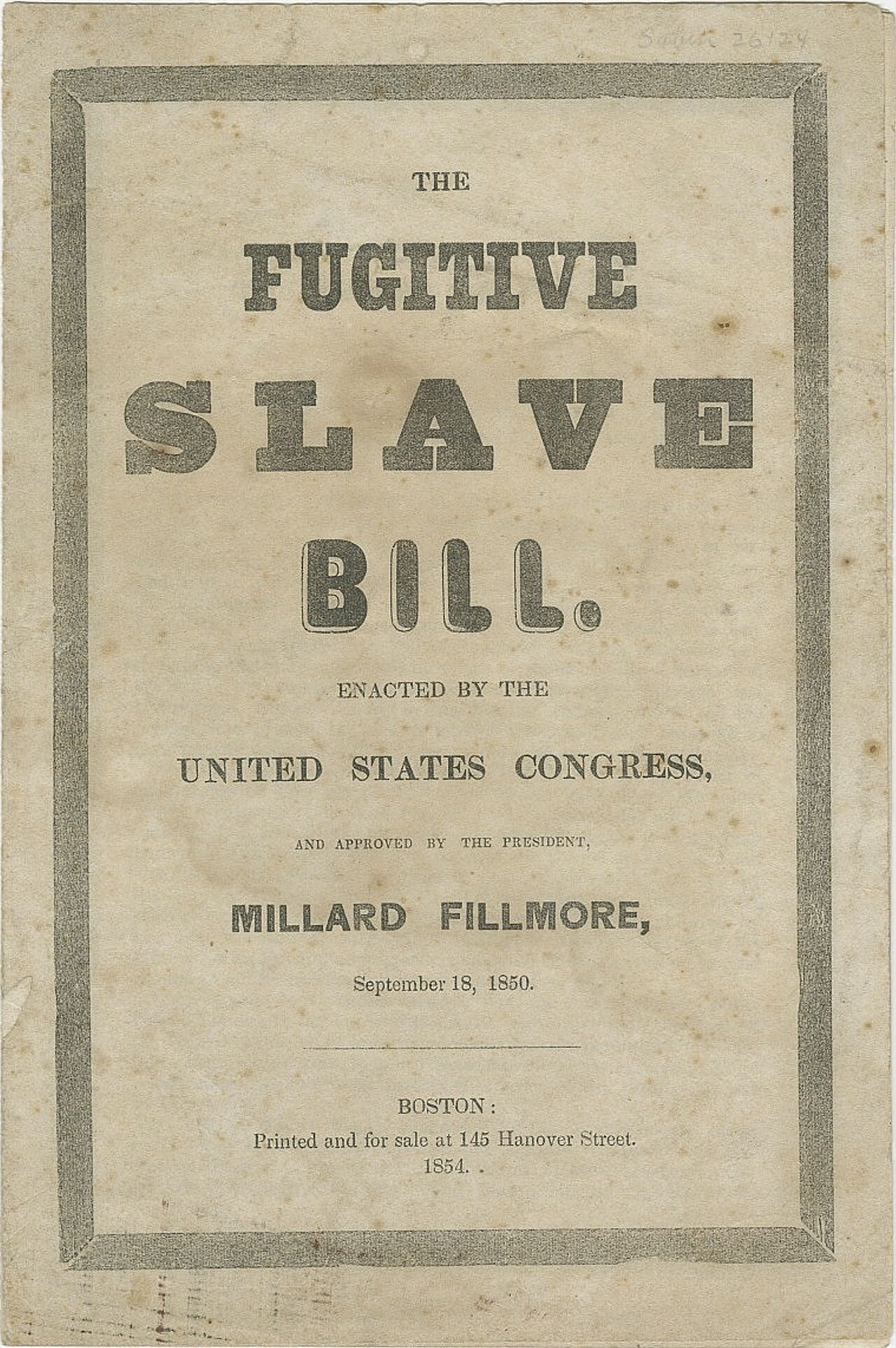
The Fugitive Slave Bill, 1854 Protest Printing
American Anti-Slavery Society · 1854
An 1854 pamphlet reprinting the Fugitive Slave Act of 1850 as an abolitionist protest, reflecting the opposition movement Coffin was part of.
Represents the organized abolitionist protest movement that paralleled Coffin's direct Underground Railroad work.
About this source
What it is
This is the title page of a pamphlet printed in Boston in 1854 by the American Anti-Slavery Society. It reprints the text of the Fugitive Slave Bill, enacted by Congress and signed by President Millard Fillmore in September 1850.
Why it matters
Anti-slavery groups printed copies of this law as a form of protest, publicizing its harsh requirement that local and state authorities help slaveholders recapture escaped people. This kind of organized opposition was part of the same abolitionist movement that included Levi Coffin, whose Underground Railroad work in Cincinnati helped people escape despite this law.
Look closer
- Why might reprinting a law be used as a form of protest?
- What does the choice to name the President on the title page suggest about where the printers placed responsibility?
- How does this document show that opposition to slavery took many forms besides direct rescue?
This document is part of the curated material that grounds the AI version of Levi Coffin and Harriet Jacobs on Humy.ai — when students ask about related events, the AI can quote it and cite it.
More Levi Coffin sources
Meet the AI Levi Coffin → Book
Primary source
Reminiscences of Levi Coffin
Levi Coffin · 1876
 Book
Secondary source
The Underground Railroad from Slavery to Freedom
Wilbur Henry Siebert · 1898
 Artifact
Primary source
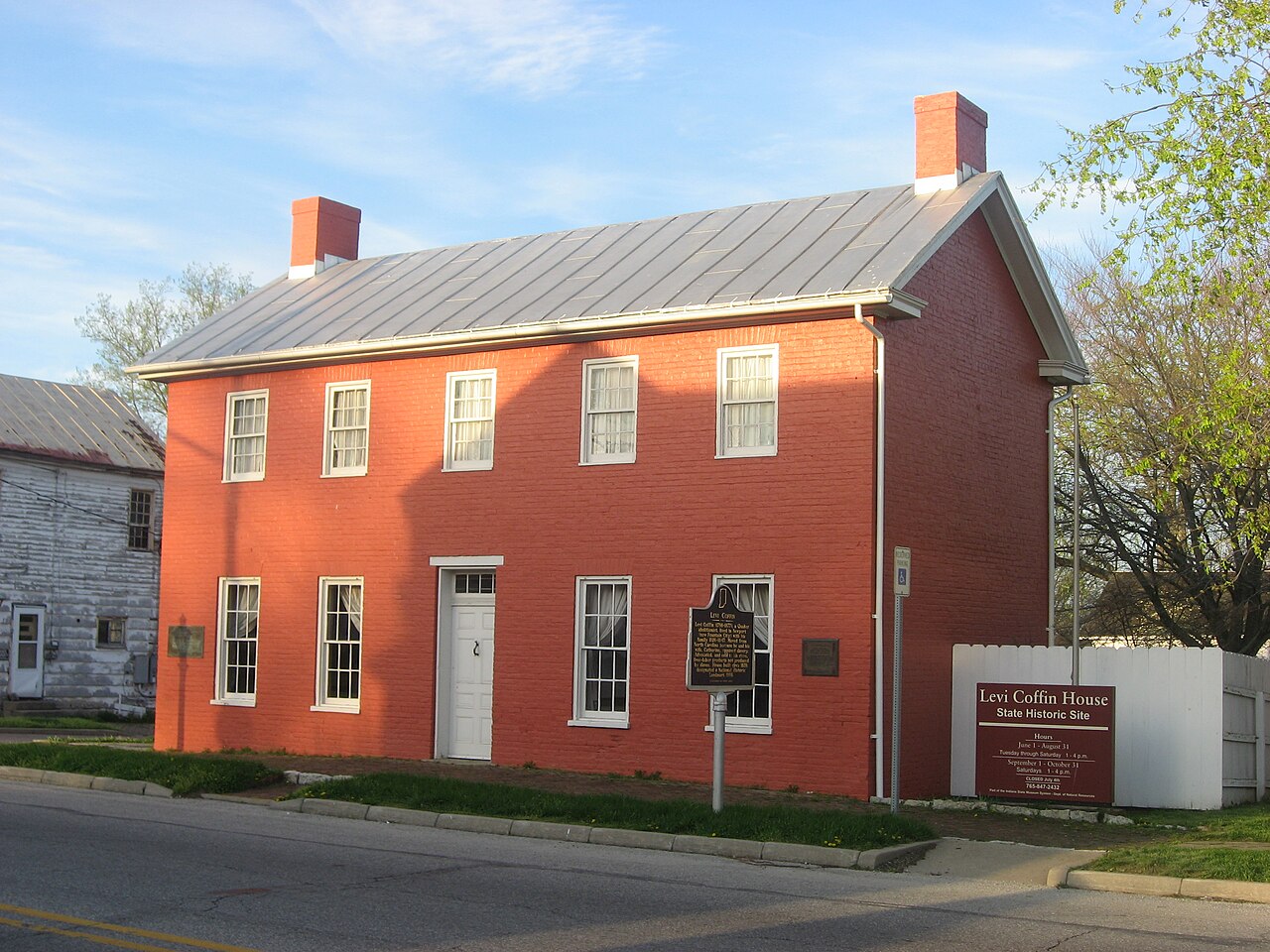
Levi Coffin House
Levi Coffin · 1838-1839
Primary source
A Woman's Life-Work
Laura Smith Haviland · 1881
 Photograph
Primary source
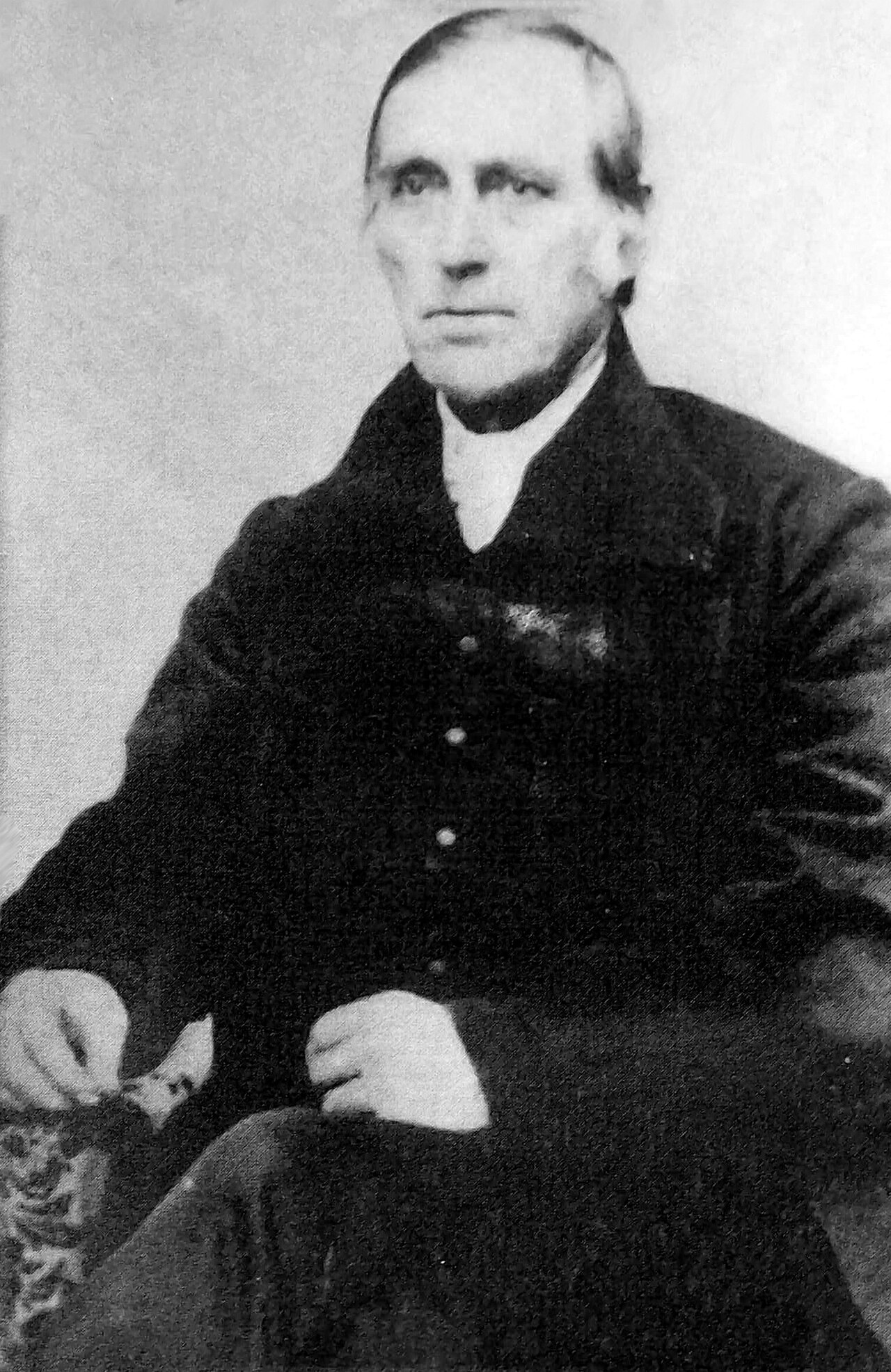
Levi Coffin photograph, c. 1865
Unknown · c. 1865
Ready when you are
Start chatting with Levi Coffin now.
20 messages free · No credit card · Available in 50+ languages.