


Primary sourceDocumentApril 1884
The Future Slavery
José Martí · April 1884
A Spanish-language essay by José Martí from 1884 warning against new forms of 'slavery' arising from socialism and excessive state power.
Martí wrote this essay himself, showing his political and philosophical thinking as an exiled Cuban intellectual.
About this source
What it is
This is an essay written by José Martí in April 1884, titled La futura esclavitud ('The Future Slavery'). It responds to Herbert Spencer's treatise of the same name and was written while Martí was in New York. The text survives in Spanish on Wikisource.
Why it matters
The essay shows Martí engaging with political philosophy, discussing socialism, the power of the state, and the risks of new forms of control over ordinary people. It reveals him not only as a poet but as a political thinker reacting to European ideas from his position as a Cuban exile living in the United States.
Look closer
- Why might Martí, writing from exile, be interested in debates about European socialism?
- What does his criticism of Spencer's 'lordly' English tone tell us about his own values?
- How might Martí's own experience with slavery and colonialism in Cuba shape his views here?
This document is part of the curated material that grounds the AI version of José Martí on Humy.ai — when students ask about related events, the AI can quote it and cite it.
More José Martí sources
Meet the AI José Martí →Primary source
Simple Verses
José Martí · 1891
 Photograph
Primary source
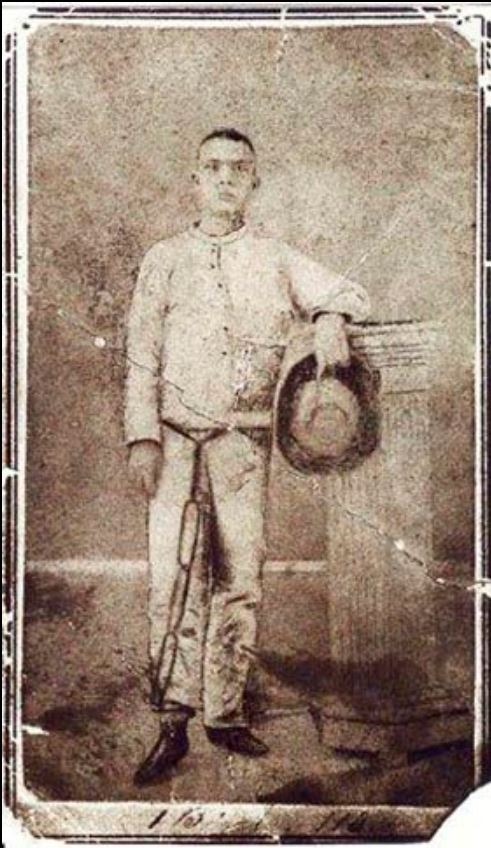
José Martí in the Quarry of San Lázaro
Unknown · c. 1870
 Photograph
Primary source
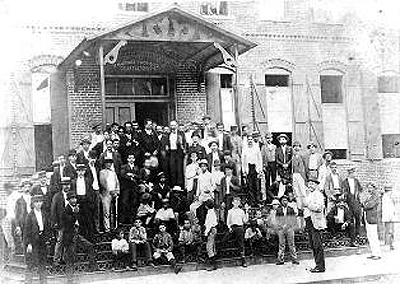
José Martí in Ybor City
Unknown · 1893
 Photograph
Primary source
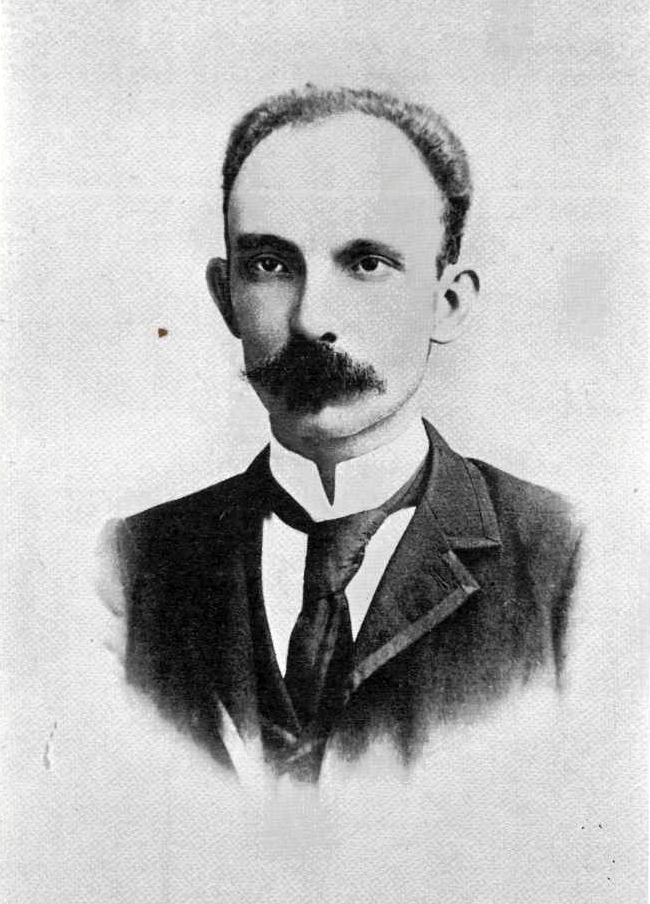
José Martí's Best-Known Portrait, Kingston 1892
Juan Bautista Valdés · 1892
 Newspaper article
Primary source
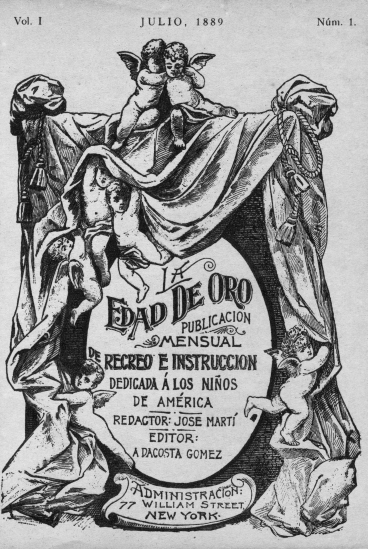
La Edad de Oro
José Martí · 1889
Ready when you are
Start chatting with José Martí now.
20 messages free · No credit card · Available in 50+ languages.