


Primary sourceSculpture1880-1917
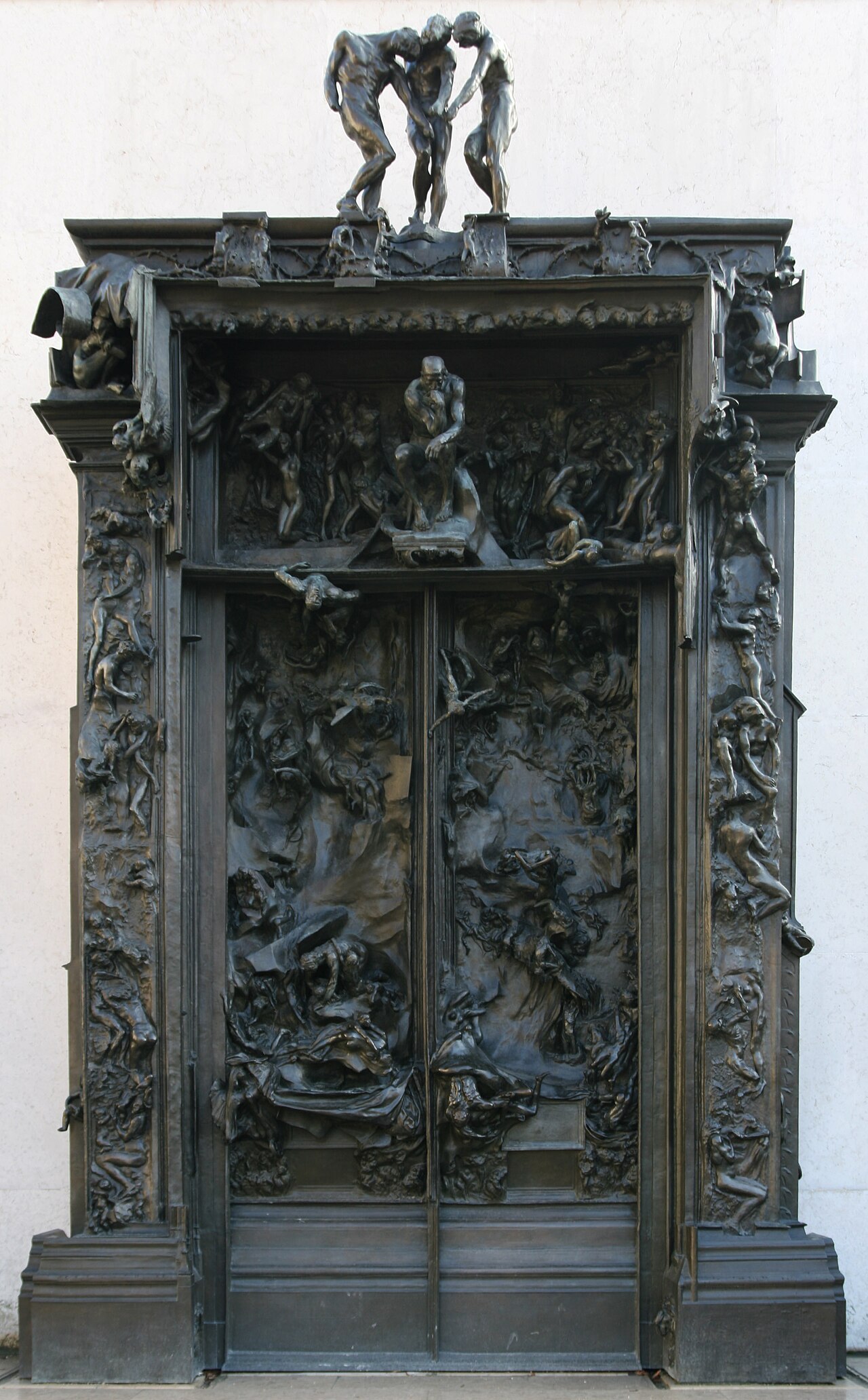
The Gates of Hell
Auguste Rodin · 1880-1917
Rodin's monumental unfinished bronze doorway depicting Dante's Inferno, containing 180 figures and the source of many of his famous sculptures.
Rodin's lifelong, unfinished masterwork, the source of many of his best-known individual sculptures.
About this source
What it is
The Gates of Hell is a monumental bronze sculptural group by Auguste Rodin, commissioned in 1880 as a doorway for a planned museum of decorative arts in Paris. Rodin worked on it for thirty-seven years, continually changing its more than two hundred figures, until his death in 1917. The original plaster model is in the Musée d'Orsay; this cast is held by the Museo Soumaya.
Why it matters
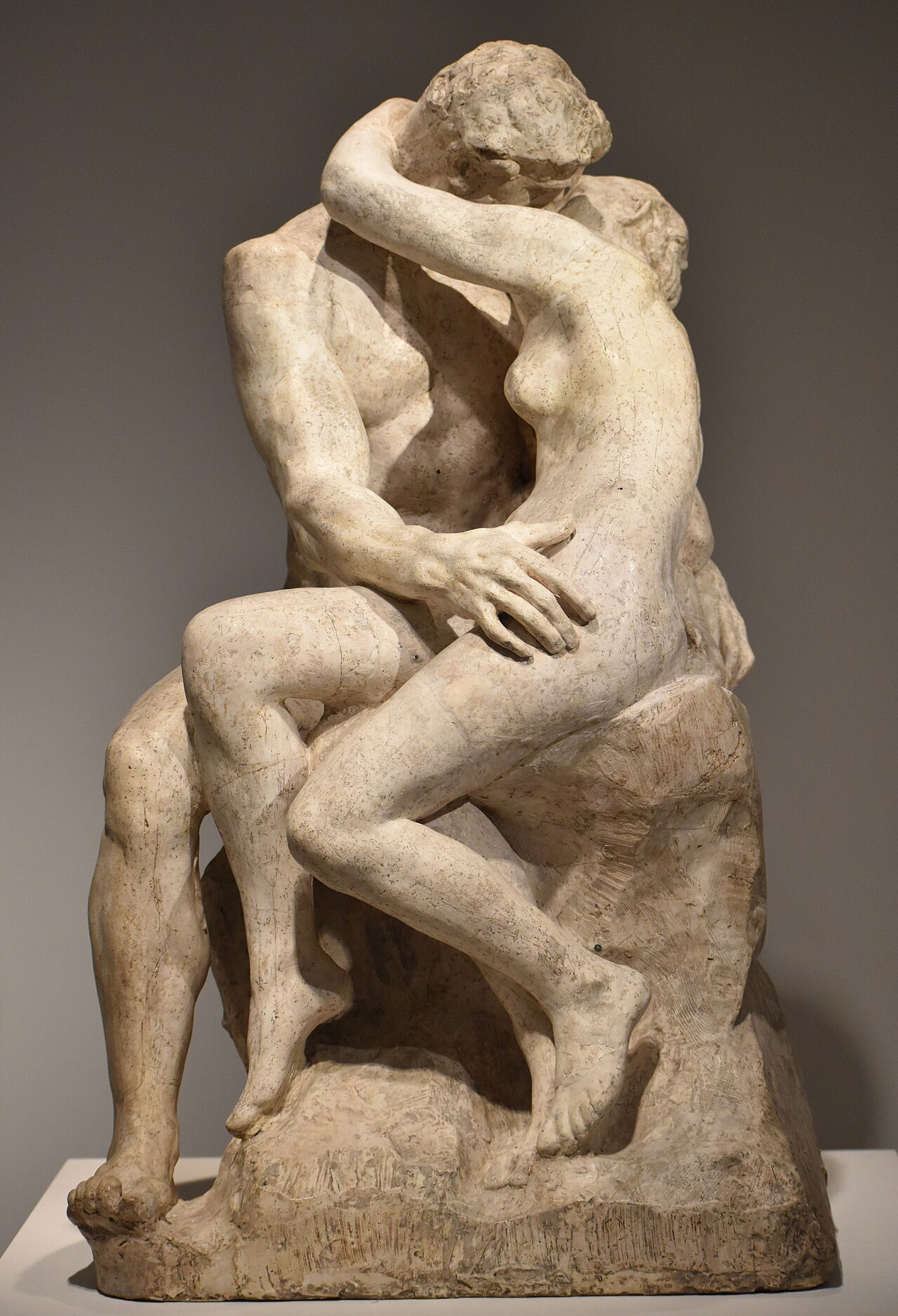
Based on Dante Alighieri's Divine Comedy, the work was inspired by Ghiberti's Florentine doors, Michelangelo's Last Judgment, and writings by Balzac and Baudelaire. Many of Rodin's most celebrated independent sculptures—including The Thinker and The Kiss—began as figures on these gates, making this work a kind of laboratory for his entire career.
Look closer
- Why do you think Rodin never considered the work finished, even after thirty-seven years?
- What might it mean that individual figures were later removed and exhibited on their own?
- How does showing suffering, writhing bodies differ from traditional heroic images of hell?
This sculpture is part of the curated material that grounds the AI version of Auguste Rodin on Humy.ai — when students ask about related events, the AI can quote it and cite it.
More Auguste Rodin sources
Browse all 98 →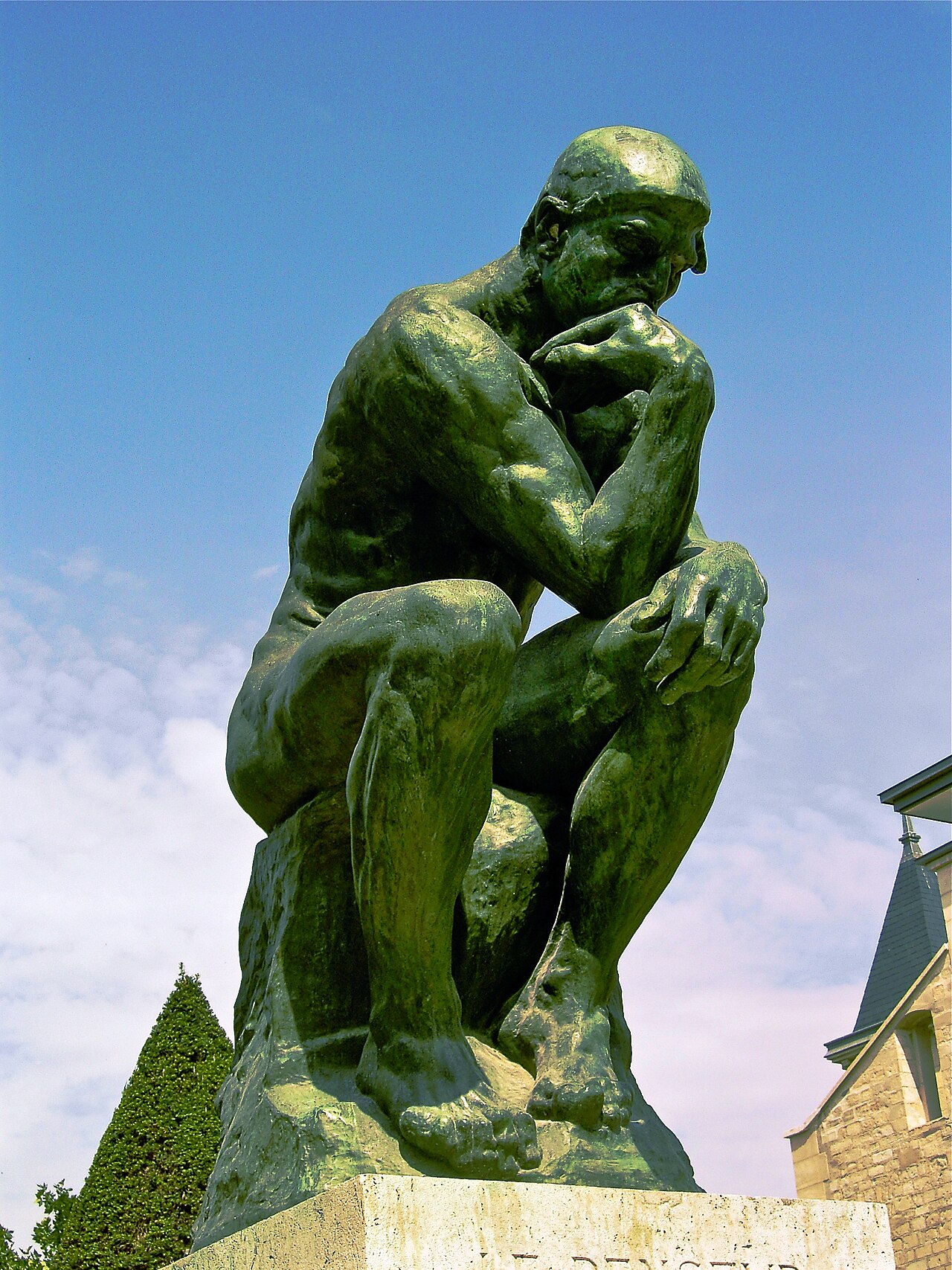 Sculpture
Secondary source
The Thinker
Auguste Rodin · 1882
 Sculpture
Primary source
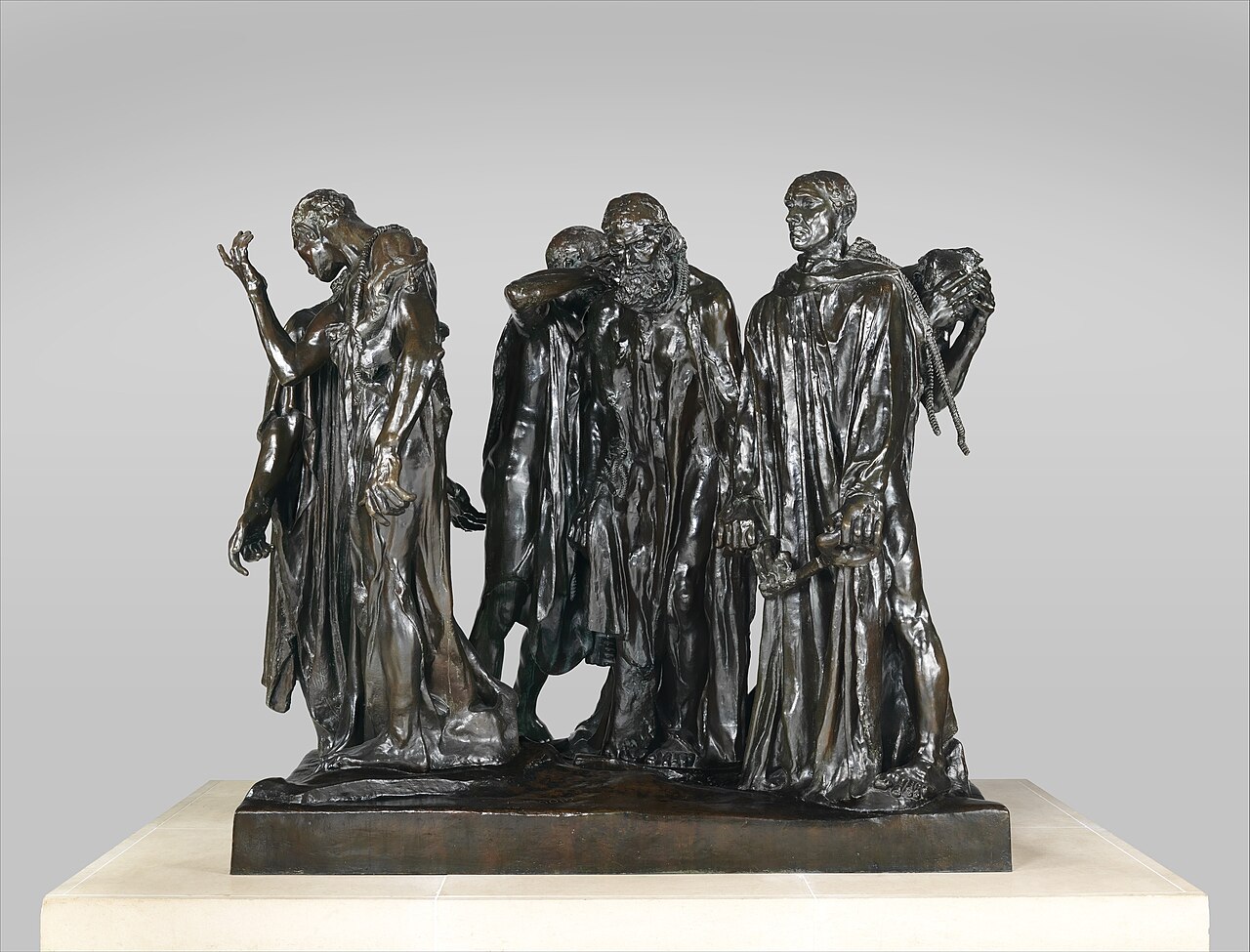
The Burghers of Calais
Auguste Rodin · 1884-1889
 Sculpture
Primary source
The Kiss
Auguste Rodin · 1882
 Sculpture
Primary source
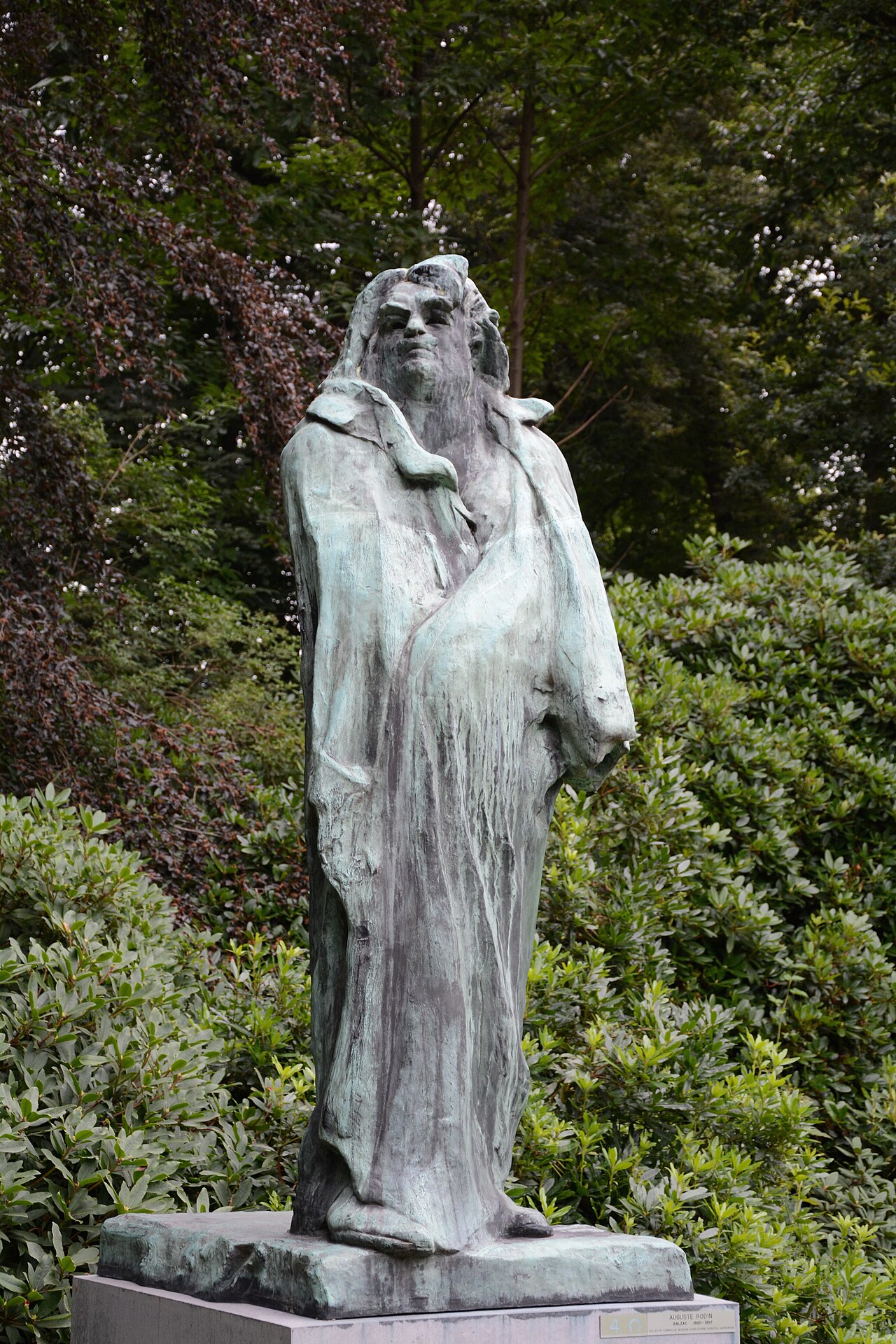
Monument to Balzac
Auguste Rodin · 1891-1898 (model); cast 1939
Free account
Read every Auguste Rodin source
Sign up free →
Ready when you are
Start chatting with Auguste Rodin now.
20 messages free · No credit card · Available in 50+ languages.