


Secondary sourceSculpture1882
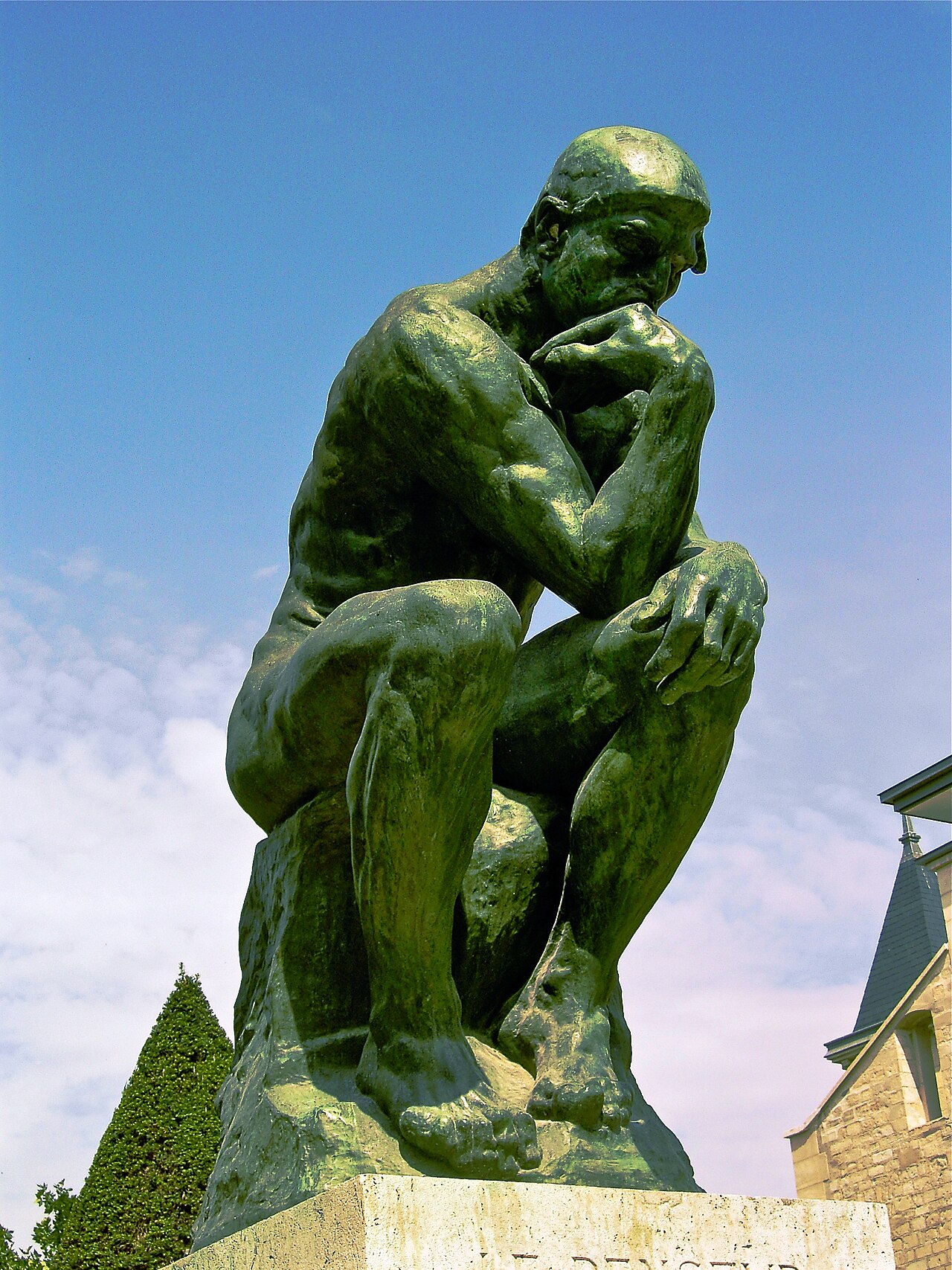
The Thinker
Auguste Rodin · 1882
Rodin's famous bronze sculpture, originally conceived as Dante contemplating his poem above the Gates of Hell.
Some critics identify this sculpture as a depiction of Dante himself, contemplating his poem above the Gates of Hell.
About this source
What it is
This bronze sculpture was made by the French sculptor Auguste Rodin, first conceived in 1880 as part of a larger work called The Gates of Hell, based on Dante's Divine Comedy. The seated, nude male figure was originally named The Poet and placed above the doorway in that composition, before being enlarged and cast separately. The original monumental bronze is now in the Musée Rodin in Paris.
Why it matters
Some critics believe the figure was meant to represent Dante himself, pondering his poem at the gates of Hell, though others dispute this since the figure is nude while Dante is always shown clothed in his own writing. Whatever its exact identity, the sculpture shows how deeply Dante's poem shaped Rodin's imagination, and it became one of the most famous artworks in the world, symbolizing thought itself.
Look closer
- Why might Rodin have chosen to make the figure nude rather than clothed like Dante in his poem?
- How does the pose create a feeling of
This sculpture is part of the curated material that grounds the AI version of Dante Alighieri on Humy.ai — when students ask about related events, the AI can quote it and cite it.
More Dante Alighieri sources
Meet the AI Dante Alighieri →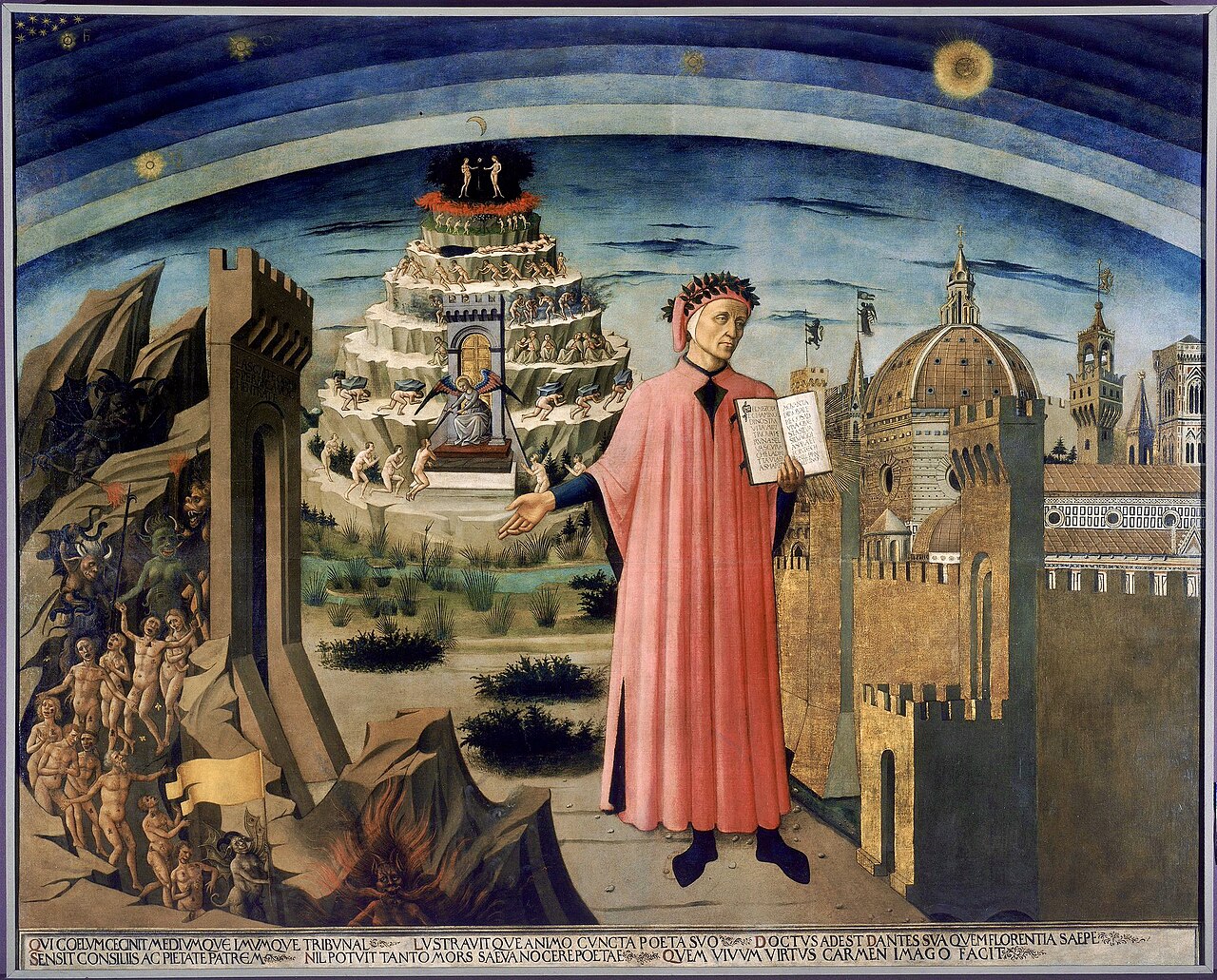 Book
Secondary source
The Divine Comedy
Dante Alighieri · 1320
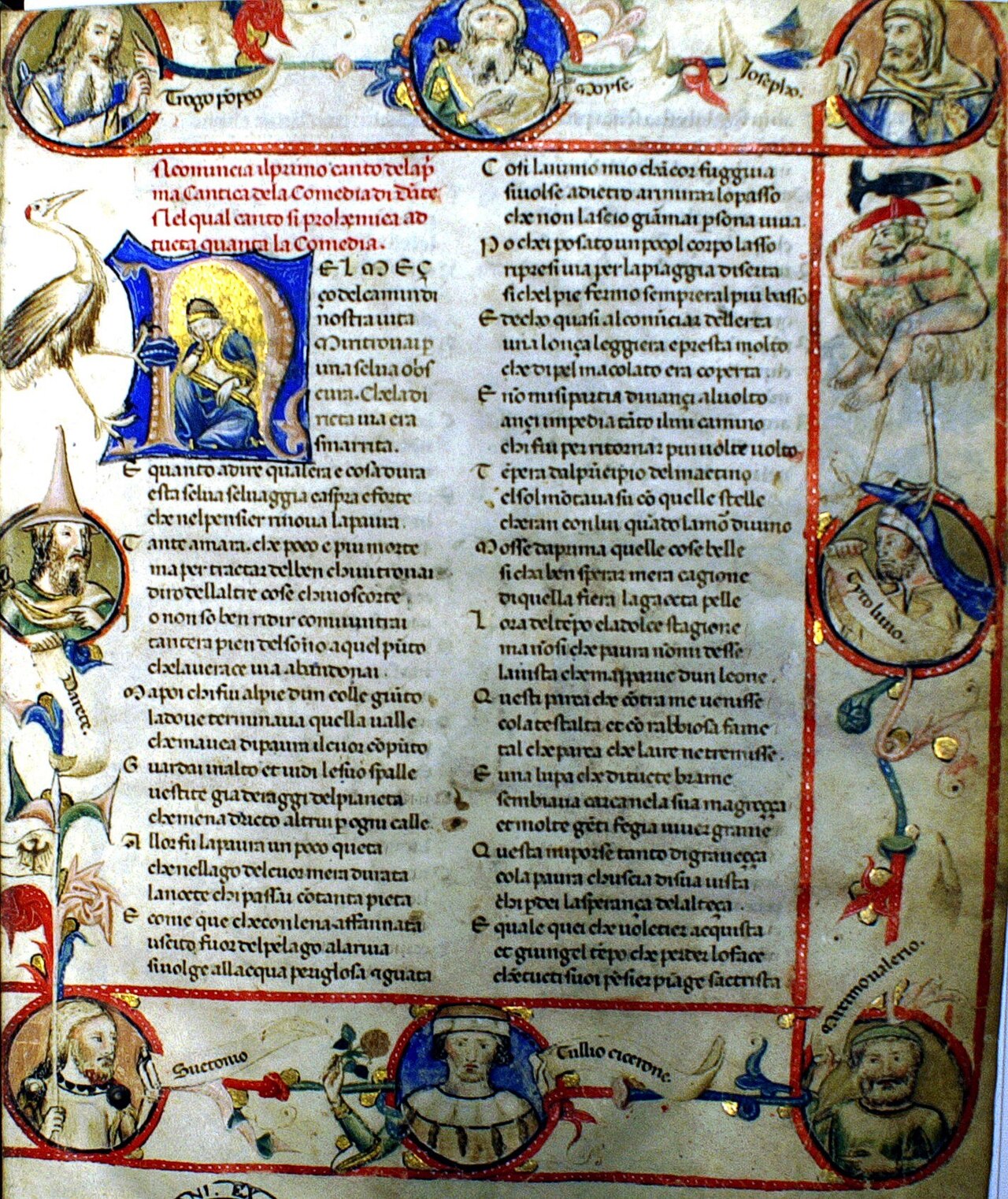 Book
Primary source
Inferno
Dante Alighieri · c. 1306–1310
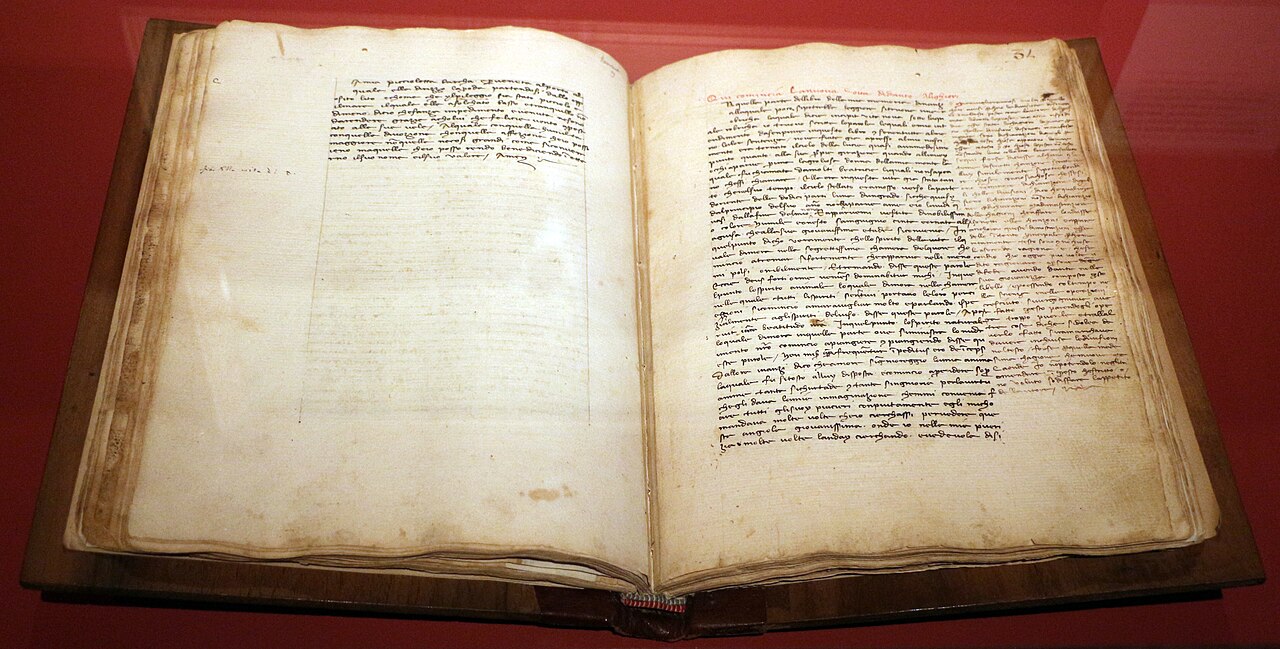 Book
Primary source
Vita Nuova
Dante Alighieri · before 1294
 Book
Primary source
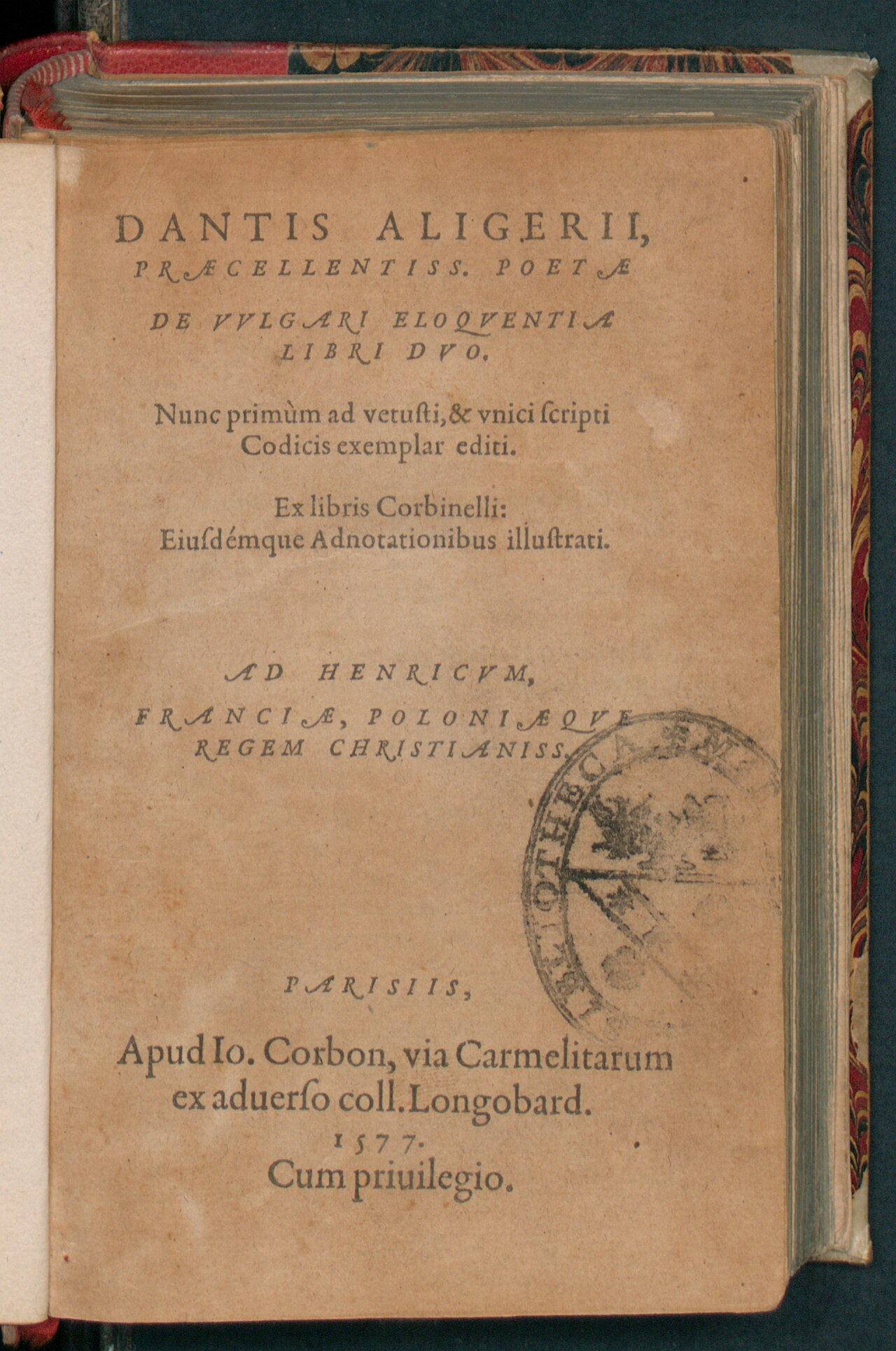
De vulgari eloquentia
Dante Alighieri · c. 1302–1305
 Book
Primary source
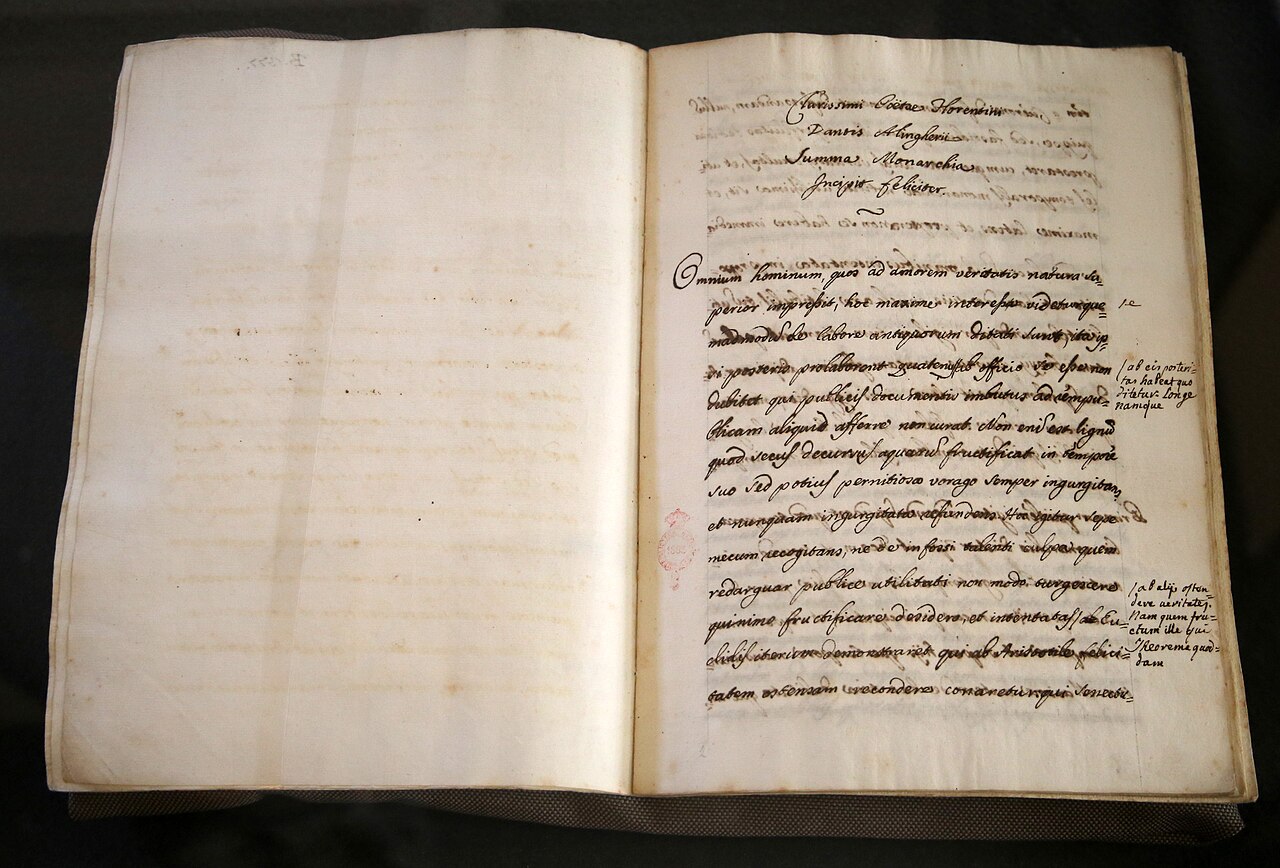
De Monarchia
Dante Alighieri · c. 1312–1313
Ready when you are
Start chatting with Dante Alighieri now.
20 messages free · No credit card · Available in 50+ languages.