


Primary sourceBookc. 1312–1313
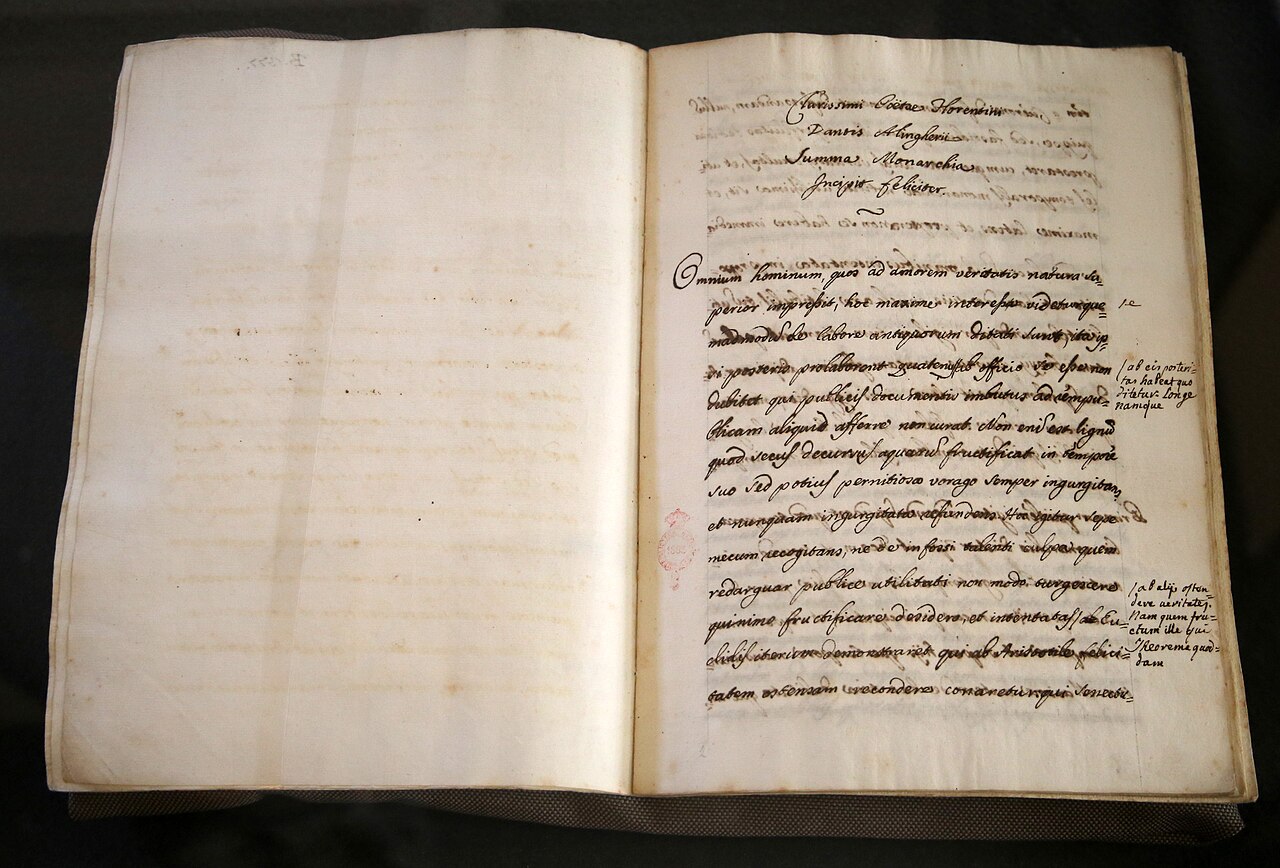
De Monarchia
Dante Alighieri · c. 1312–1313
Dante's Latin political treatise arguing that the emperor's authority comes directly from God, independent of the pope.
De Monarchia is Dante's own political treatise, revealing the ideas about empire and papacy that shaped his life and later poetry.
About this source
What it is
Monarchia, often called De Monarchia, is a Latin treatise by Dante Alighieri, written around 1312–1313, during the period of Henry VII of Luxembourg's journey to Italy. It argues about the relationship between secular and religious power.
Why it matters
Dante argues that the Holy Roman emperor and the pope each receive authority directly from God, with the emperor responsible for earthly happiness and the pope for the soul's eternal life. This reflects Dante's own political struggles in Florence against papal authority, and the work was later banned by the Catholic Church.
Look closer
- Why might Dante, after being exiled from Florence, have cared so much about the balance between emperor and pope?
- What does the later banning of this book tell us about how controversial its ideas were?
- How does this treatise connect to the politics shown in Dante's Inferno?
This book is part of the curated material that grounds the AI version of Dante Alighieri on Humy.ai — when students ask about related events, the AI can quote it and cite it.
More Dante Alighieri sources
Meet the AI Dante Alighieri →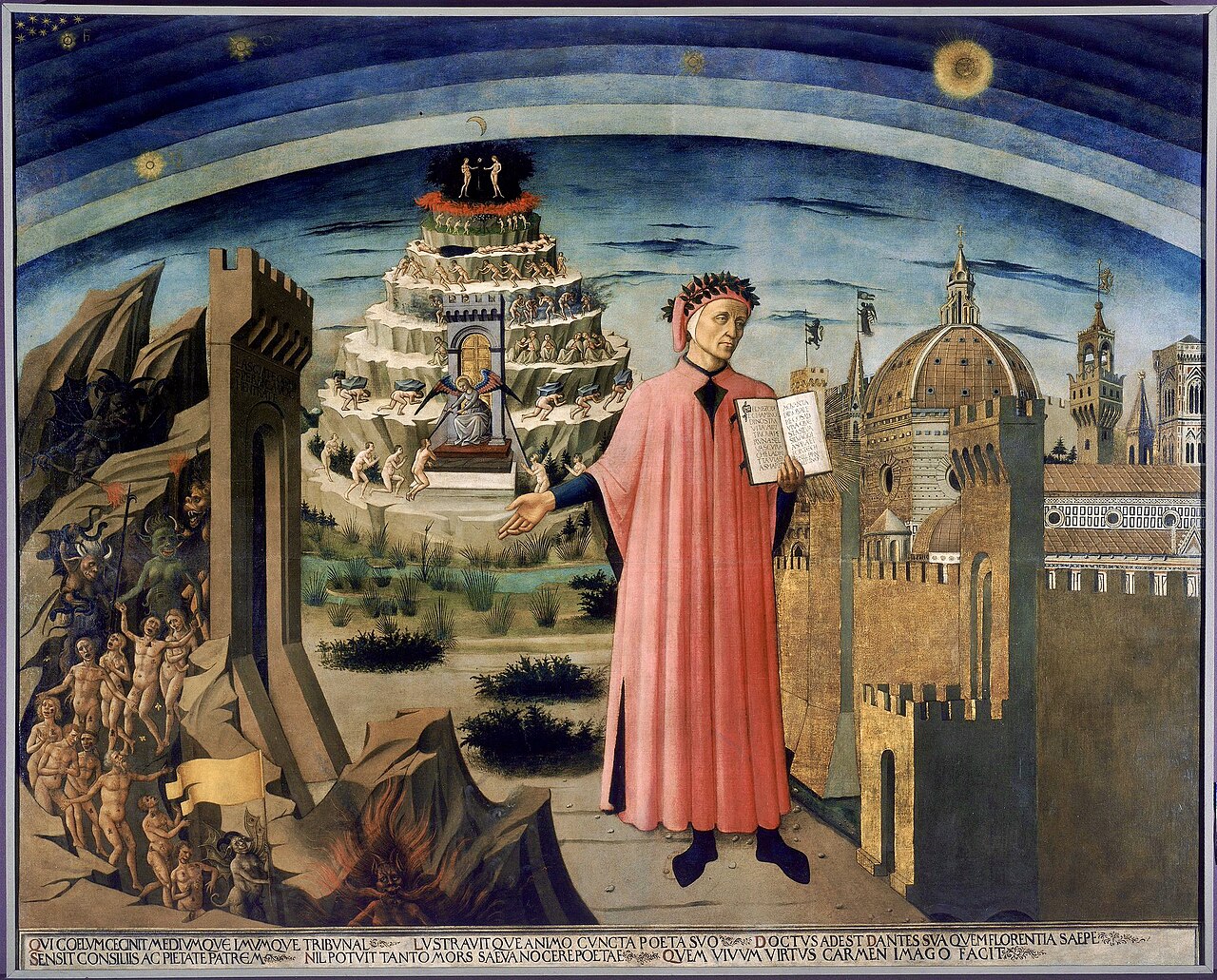 Book
Secondary source
The Divine Comedy
Dante Alighieri · 1320
 Book
Primary source
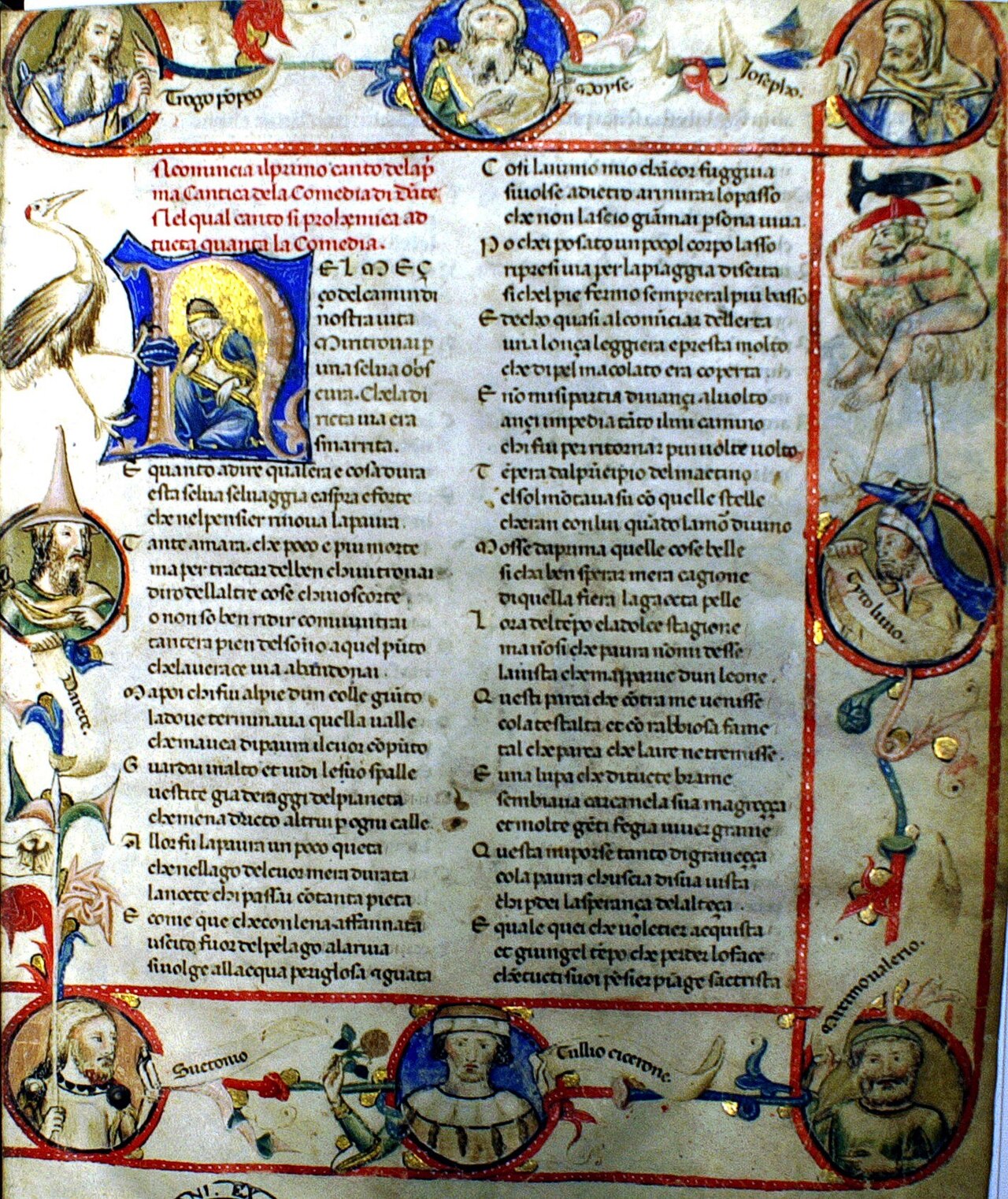
Inferno
Dante Alighieri · c. 1306–1310
 Book
Primary source
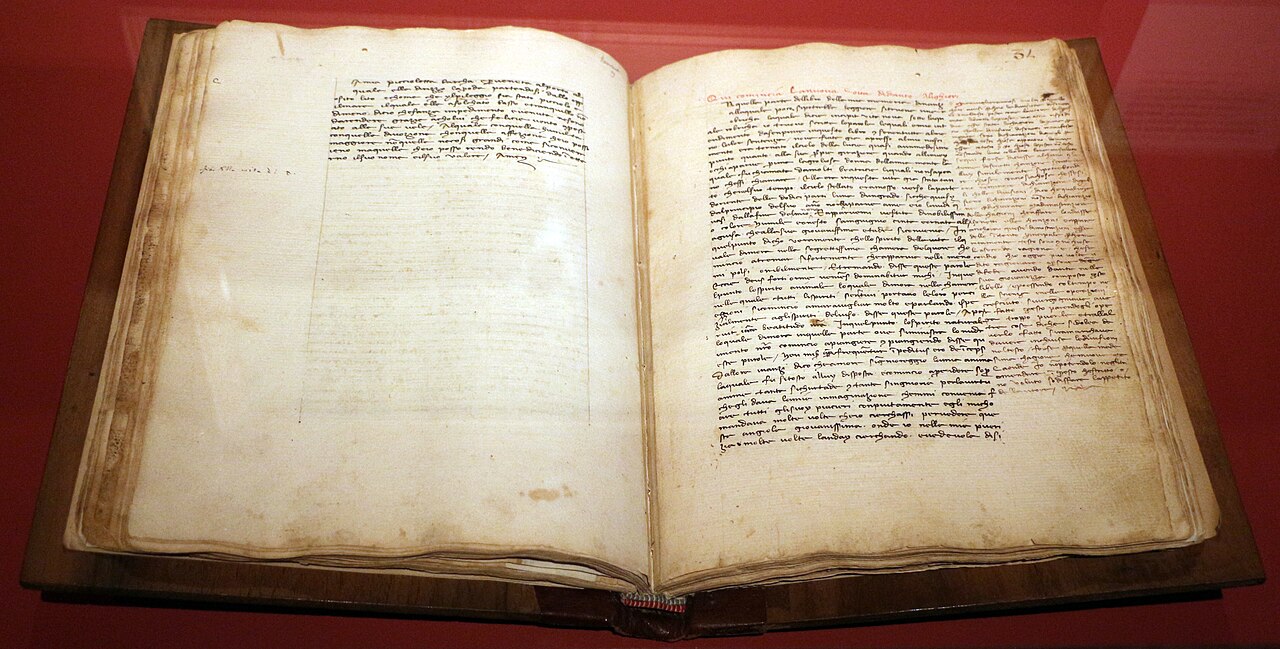
Vita Nuova
Dante Alighieri · before 1294
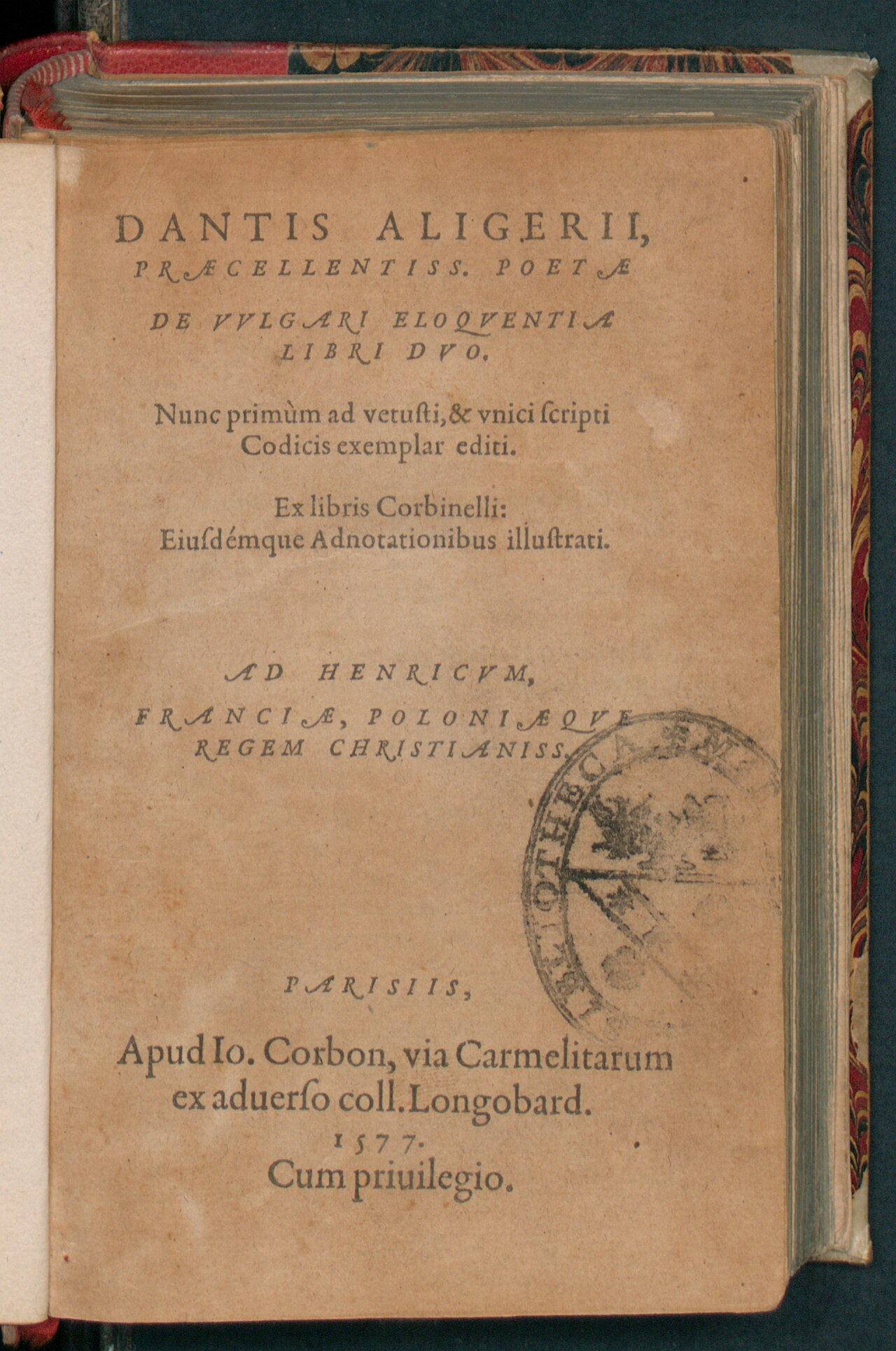 Book
Primary source
De vulgari eloquentia
Dante Alighieri · c. 1302–1305
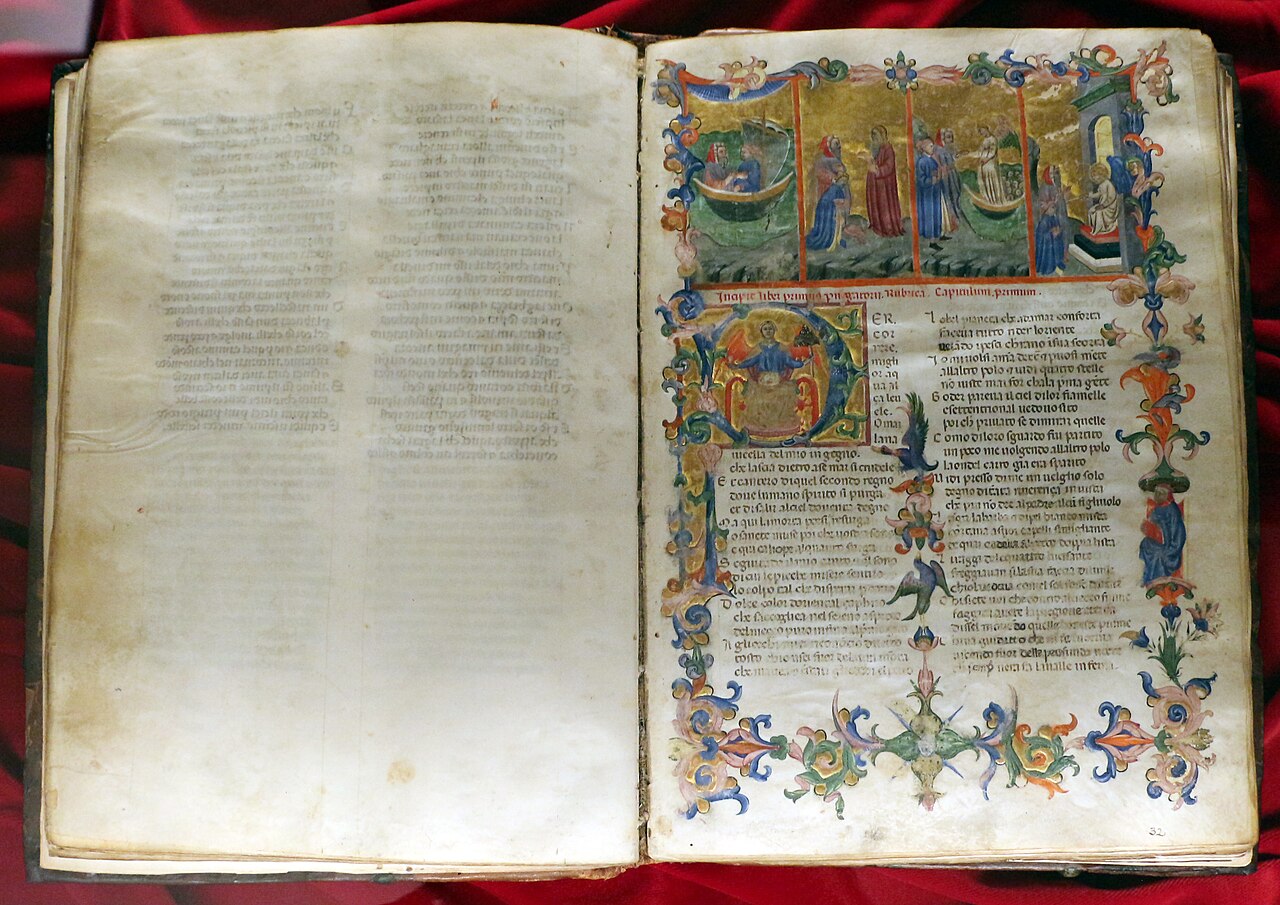 Book
Primary source
Purgatorio
Dante Alighieri · early 14th century
Ready when you are
Start chatting with Dante Alighieri now.
20 messages free · No credit card · Available in 50+ languages.