


Primary sourceBookc. 1302–1305
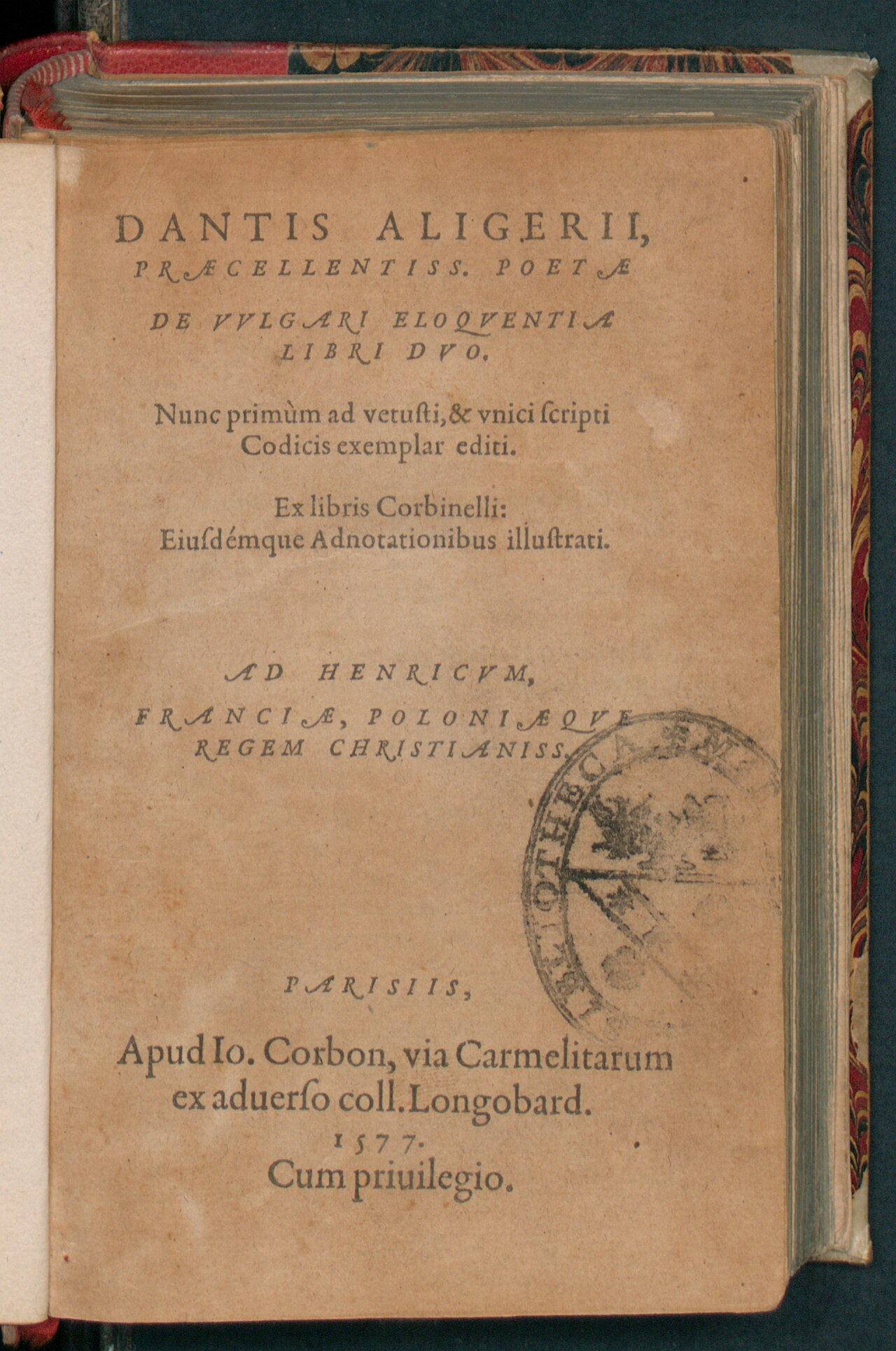
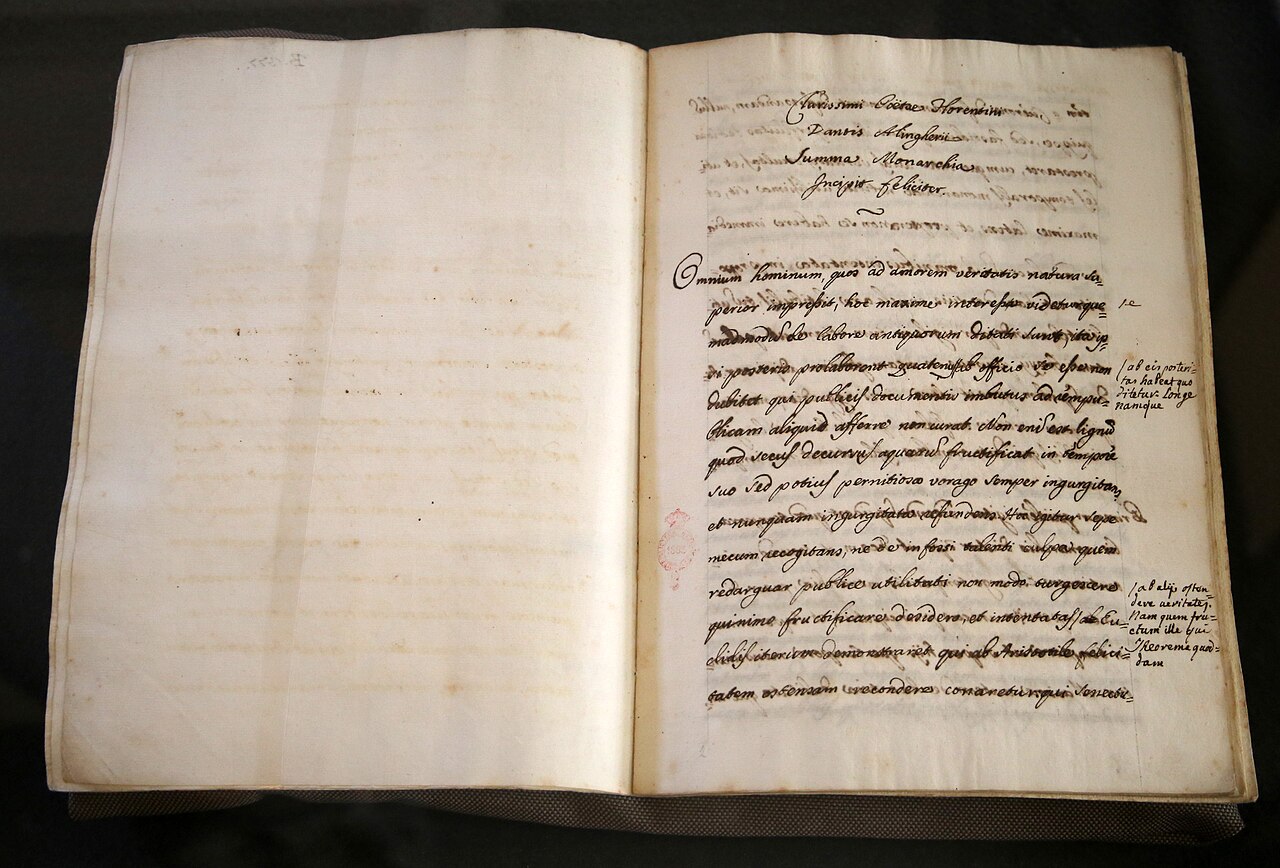
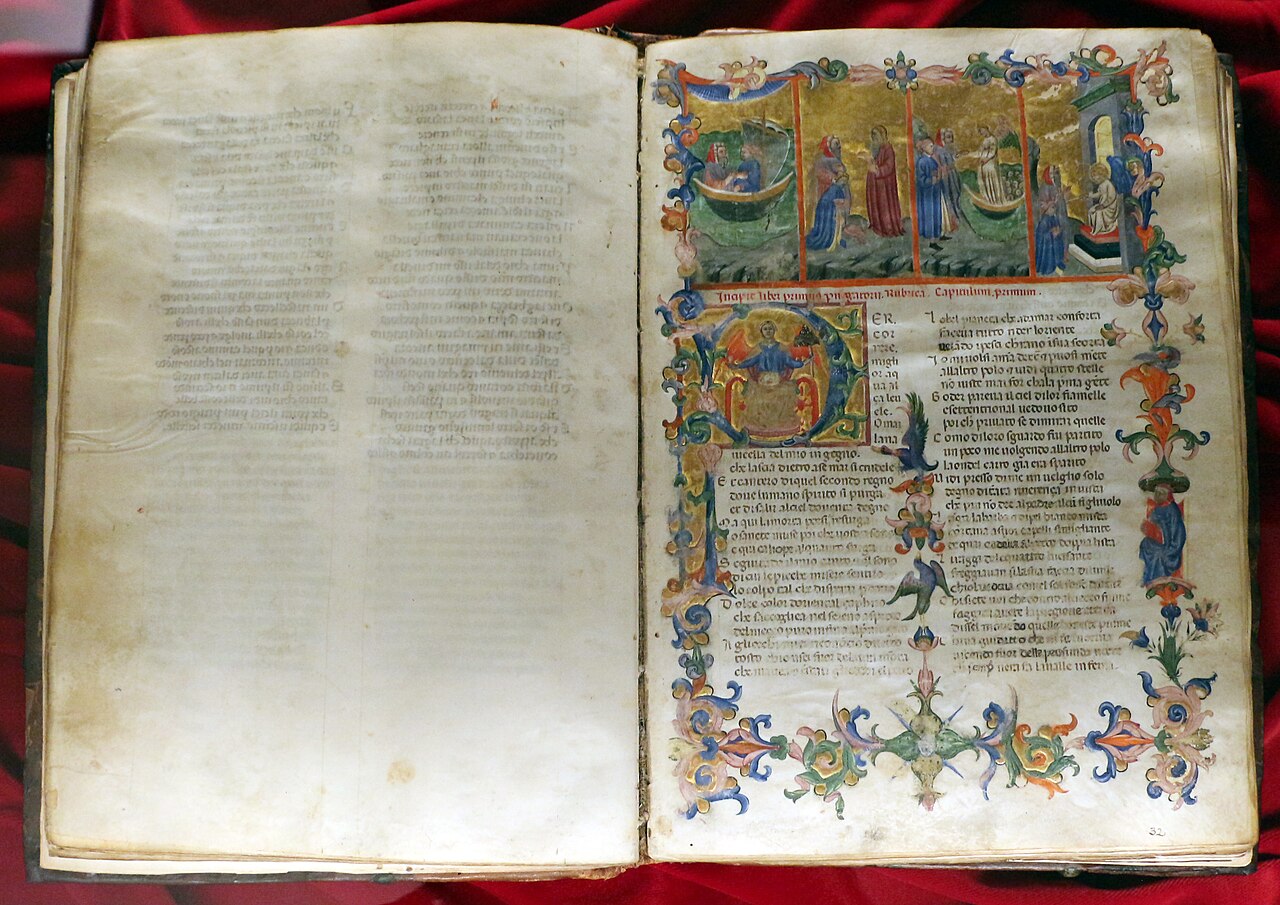
De vulgari eloquentia
Dante Alighieri · c. 1302–1305
Dante's unfinished Latin treatise defending the dignity of vernacular language, explaining the theory behind his choice to write poetry in Tuscan.
This treatise is Dante's own argument for the vernacular, explaining the linguistic theory behind his great poem.
About this source
What it is
De vulgari eloquentia is a Latin essay by Dante Alighieri, probably written shortly after his exile began in the early 1300s. Meant to have four books, it breaks off partway through the second. It discusses the relationship between Latin and the vernacular languages and surveys the dialects of Italy.
Why it matters
Unusually for its time, this essay argues that vernacular language deserves the same dignity as Latin. It reveals the thinking behind Dante's decision to write the Divine Comedy in Tuscan rather than Latin, and shows him engaging with earlier Occitan and Sicilian poetic traditions.
Look closer
- Why would defending everyday language have been a controversial idea in Dante's time?
- What does Dante's unfinished treatise suggest about the limits of his time or interest?
- How might this essay connect to Dante's choice of language in his other works?
This book is part of the curated material that grounds the AI version of Dante Alighieri on Humy.ai — when students ask about related events, the AI can quote it and cite it.
More Dante Alighieri sources
Meet the AI Dante Alighieri →
Ready when you are
Start chatting with Dante Alighieri now.
20 messages free · No credit card · Available in 50+ languages.