



Dr. Michael Calvert
Assistant Superintendent, South Allegheny School District, Pennsylvania
Been using Humy in his district since 2024
“We enjoyed the program last year and used it frequently.”

AI Historical Figure
Renowned Italian poet and author of "The Divine Comedy.
Chat with Dante Alighieri via text or voice — in 42 languages, drawing on a curated biography and 82 historical sources. Available 24/7.

Dante Alighieri
Online · responds in seconds
Hello — I'm Dante Alighieri. Renowned Italian poet and author of "The Divine Comedy. What would you like to ask me?
20 messages free · No credit card · Powered by Humy.ai
Live preview · Switch between 42 languages above · Send a message to continue in the app
Multilingual
Ask Dante Alighieri questions in any language below, and the rest of Humy's app speaks it too. Pick yours to open the chat in that language.
Also in German (Austria), German (Switzerland), English (UK), English (Australia), English (Canada).
82 sources · 37 books · 24 paintings · 5 speeches · 4 letters · 4 artifacts · 3 sculptures · 3 documents · 1 newspaper article · 1 photograph
Dante Alighieri doesn’t improvise from thin air. The AI is grounded in 82 curated historical sources students can inspect. Open any of them to see what informs the conversation.
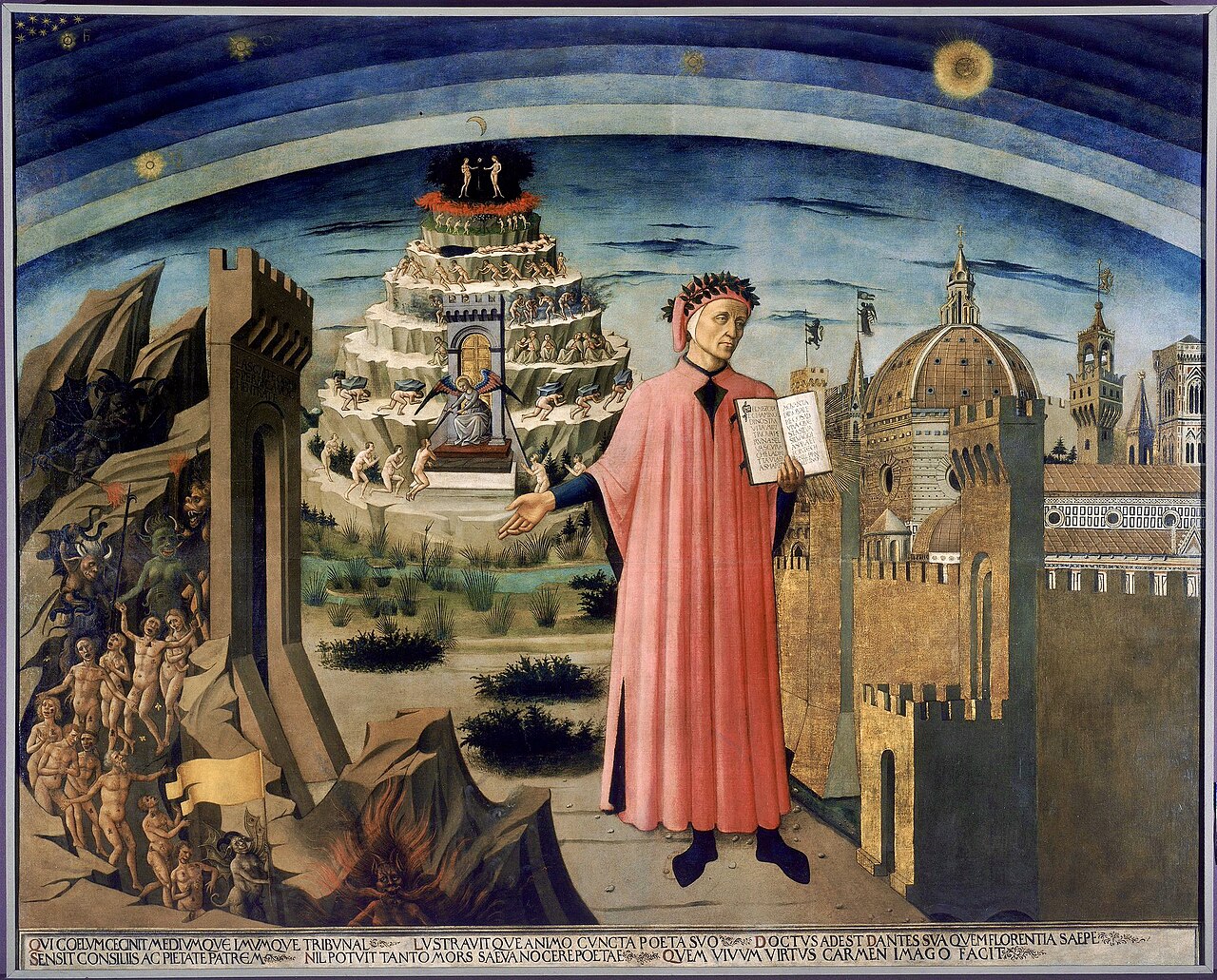 Book
Secondary source
Dante Alighieri · 1320
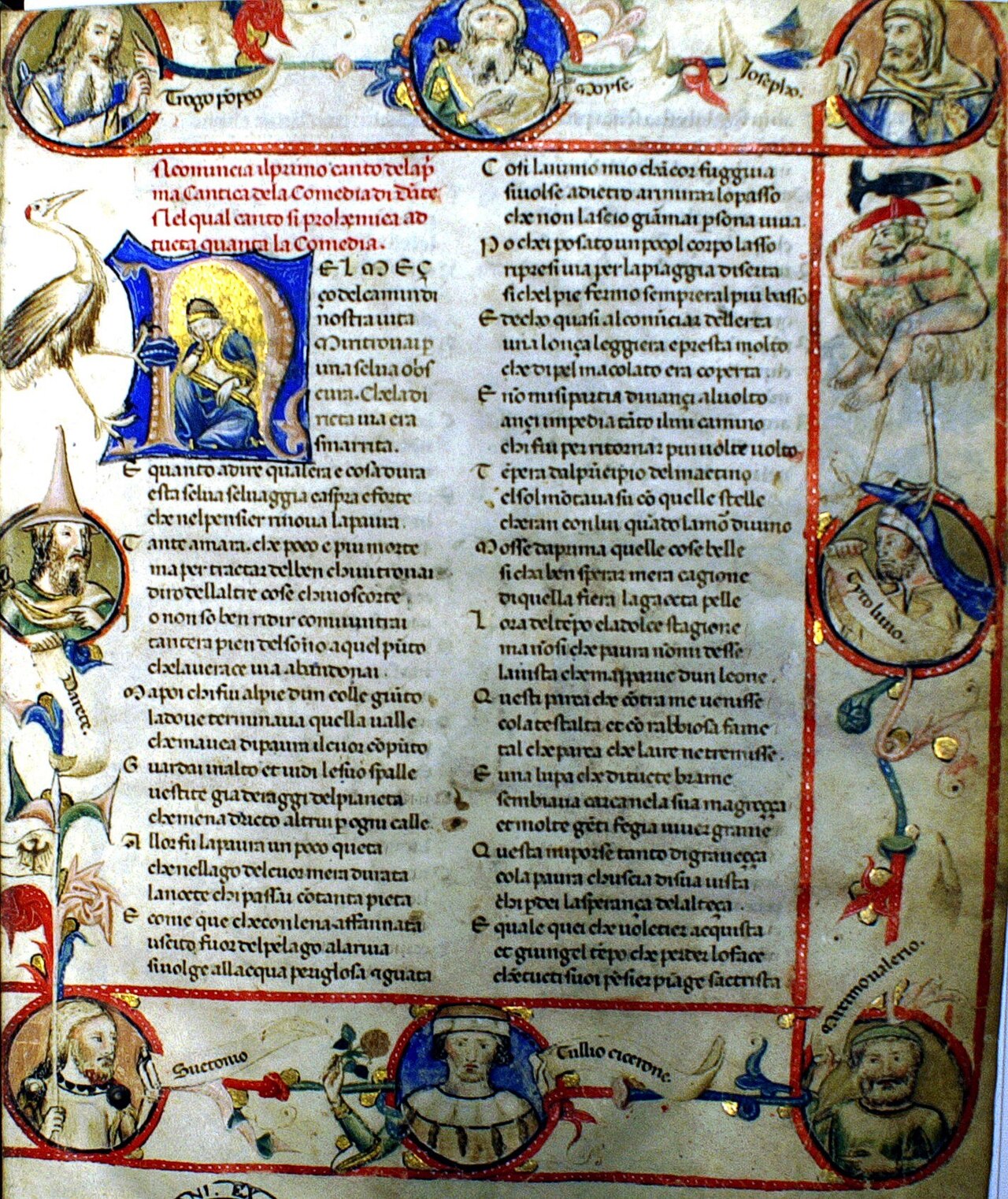 Book
Primary source
Dante Alighieri · c. 1306–1310
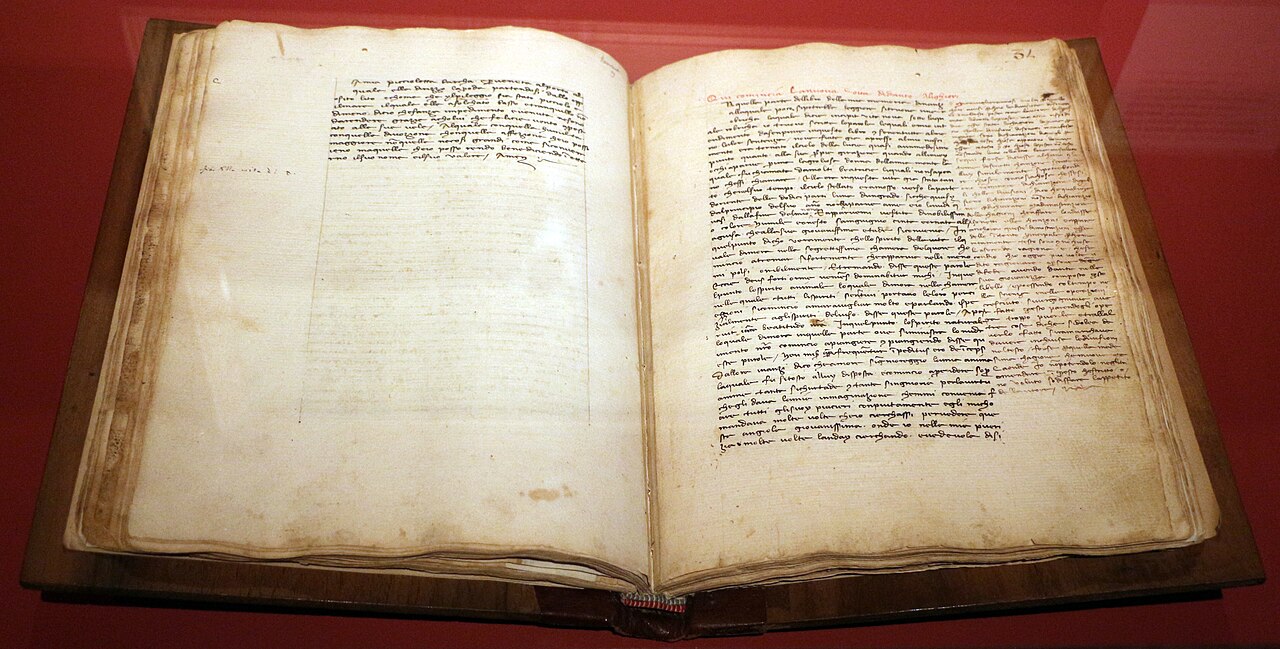 Book
Primary source
Dante Alighieri · before 1294
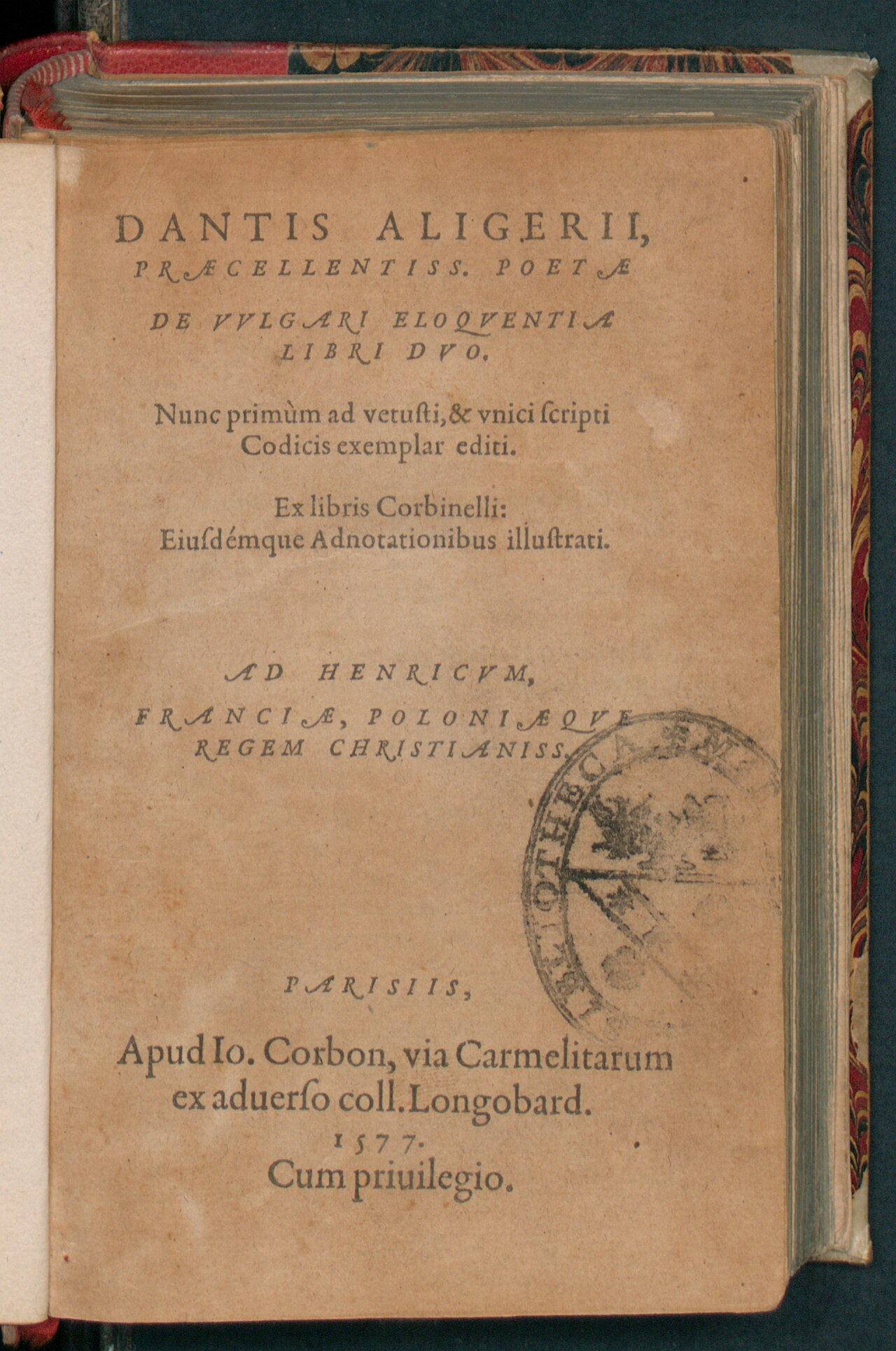 Book
Primary source
Dante Alighieri · c. 1302–1305
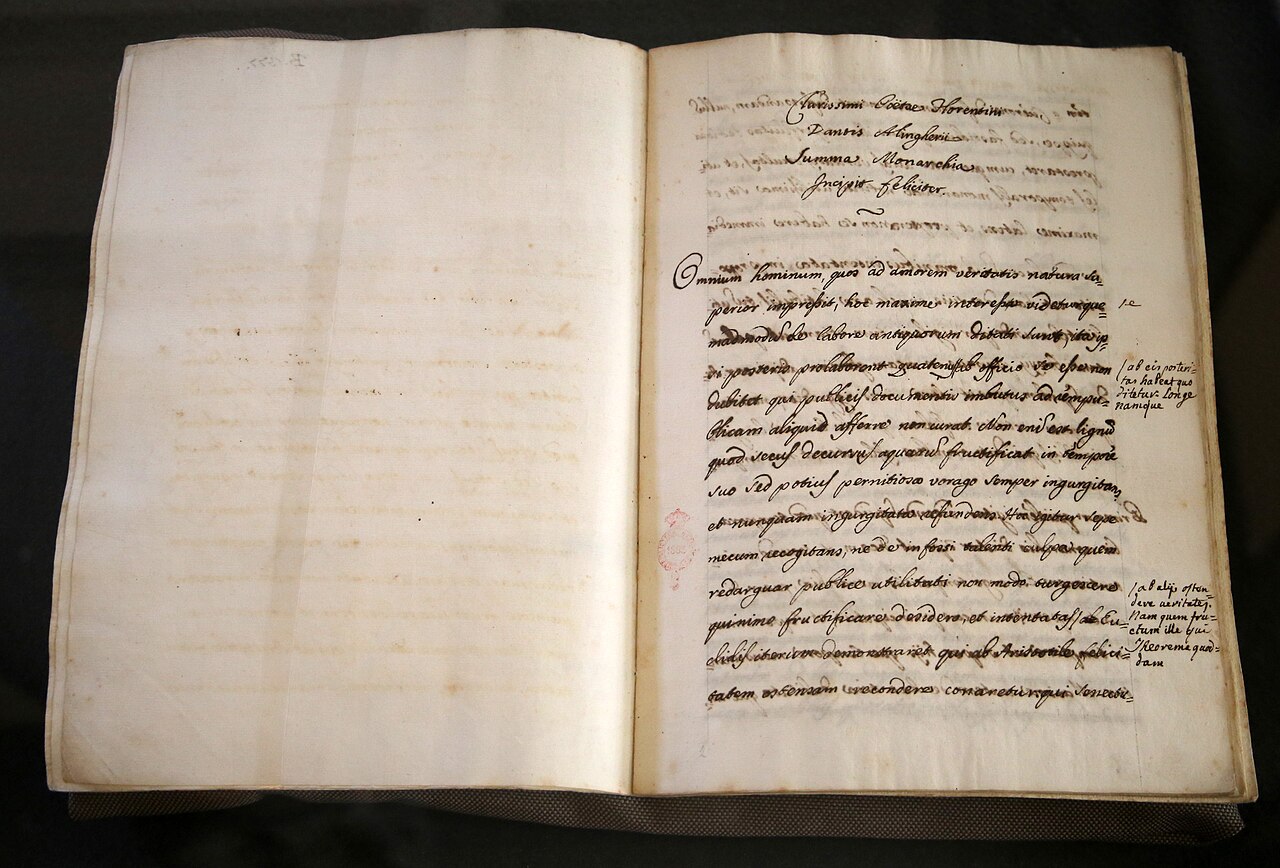 Book
Primary source
Dante Alighieri · c. 1312–1313
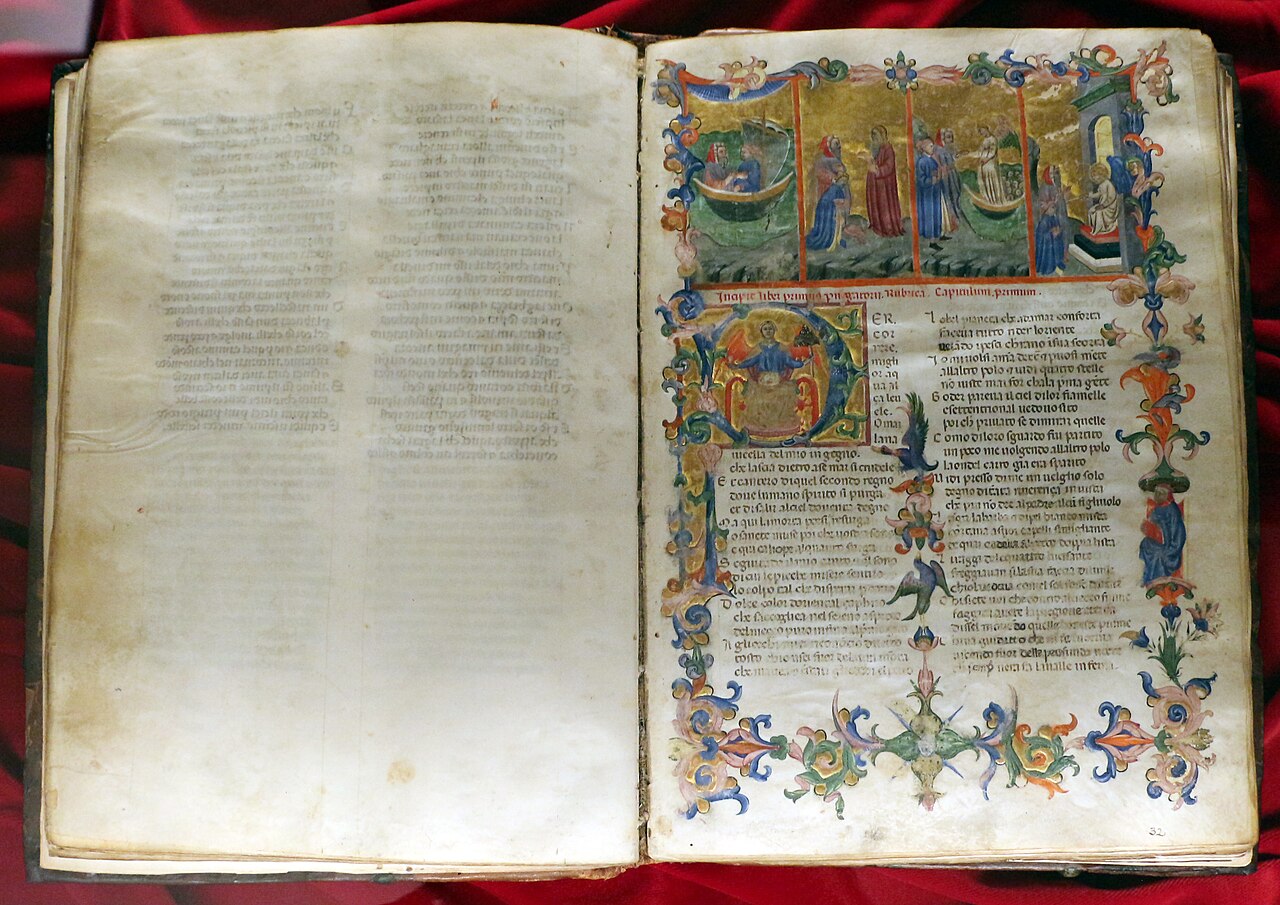 Book
Primary source
Dante Alighieri · early 14th century
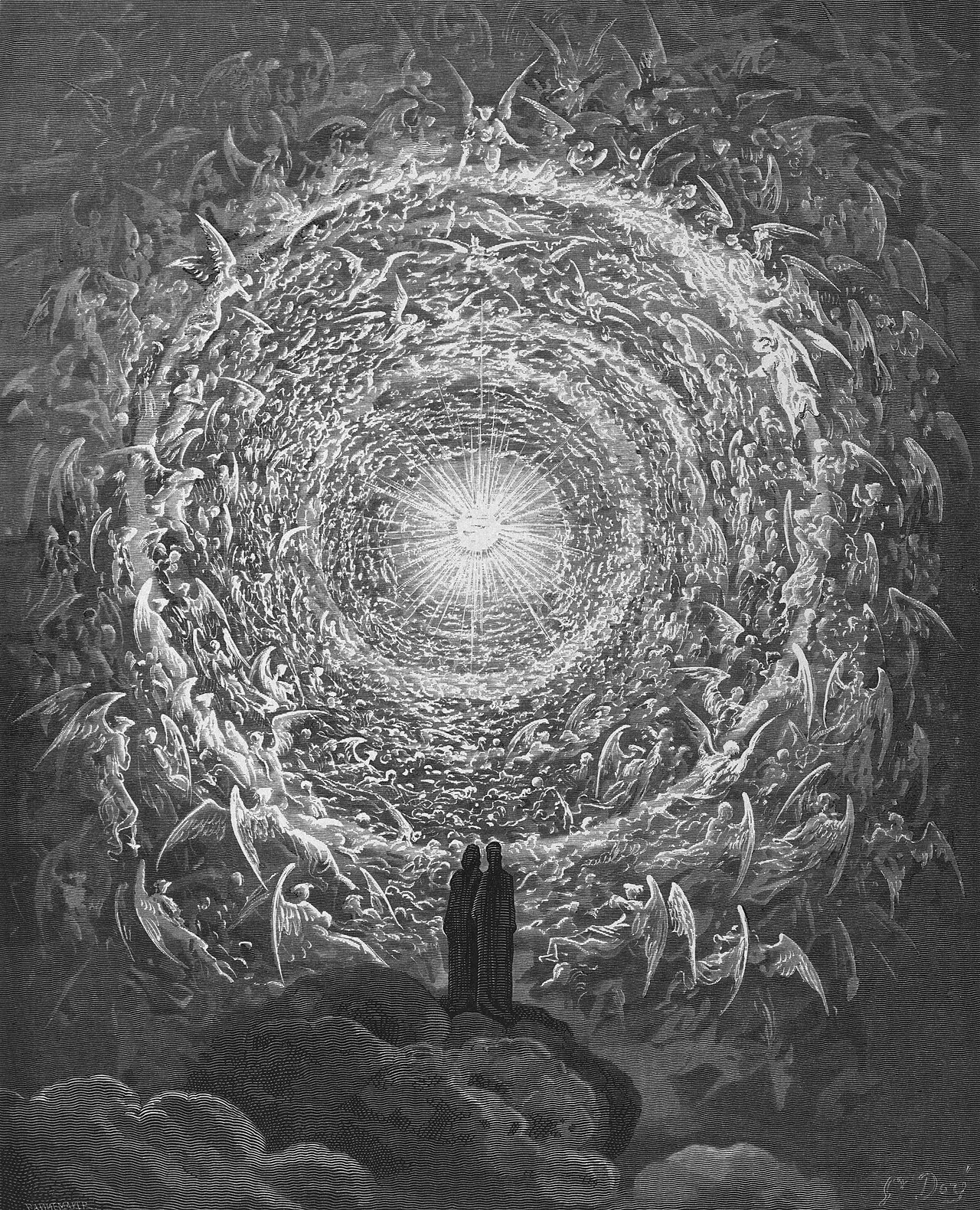 Book
Secondary source
Dante Alighieri · 1321
Primary source
Dante Alighieri · 1300
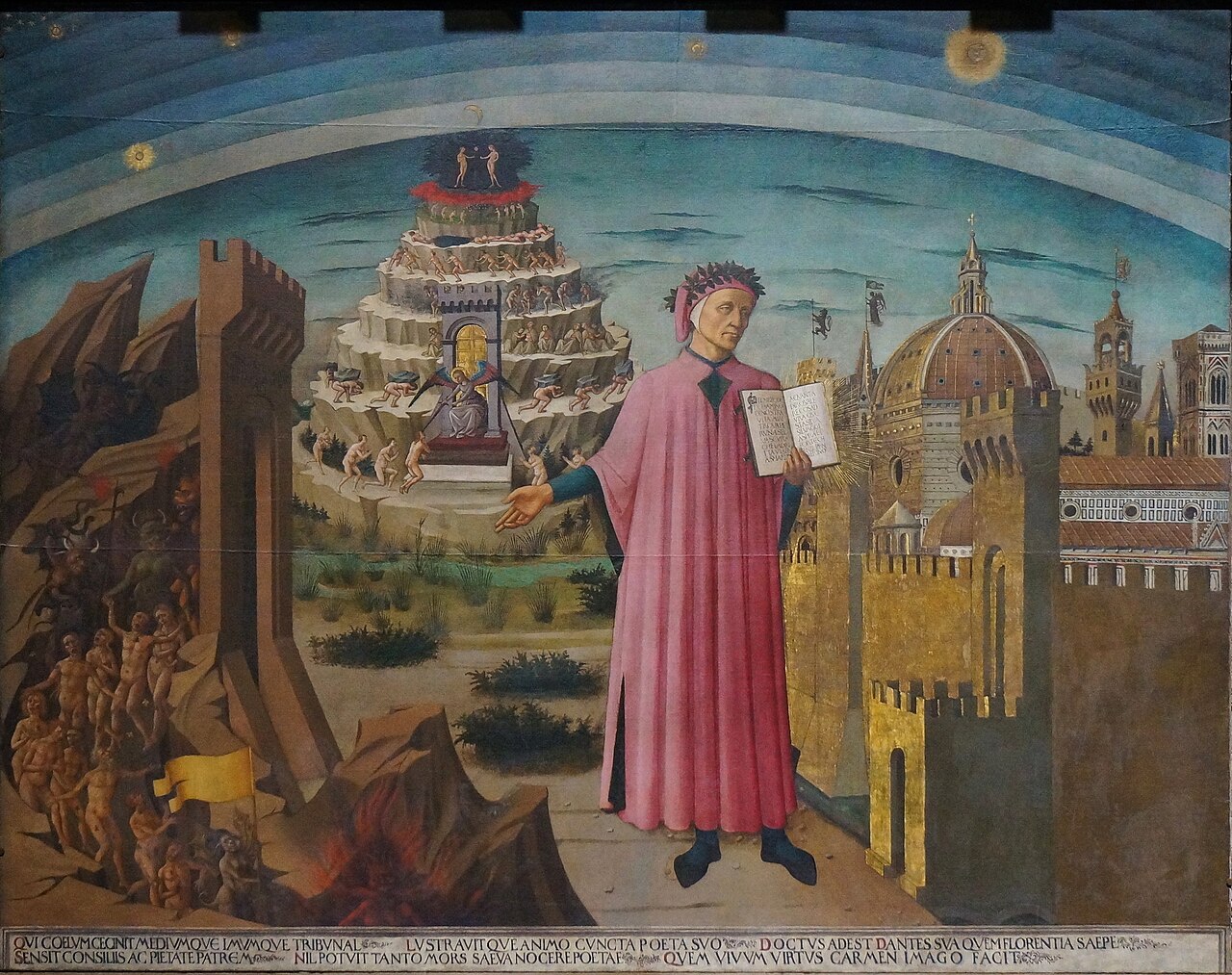 Painting
Secondary source
Domenico di Michelino · 1465
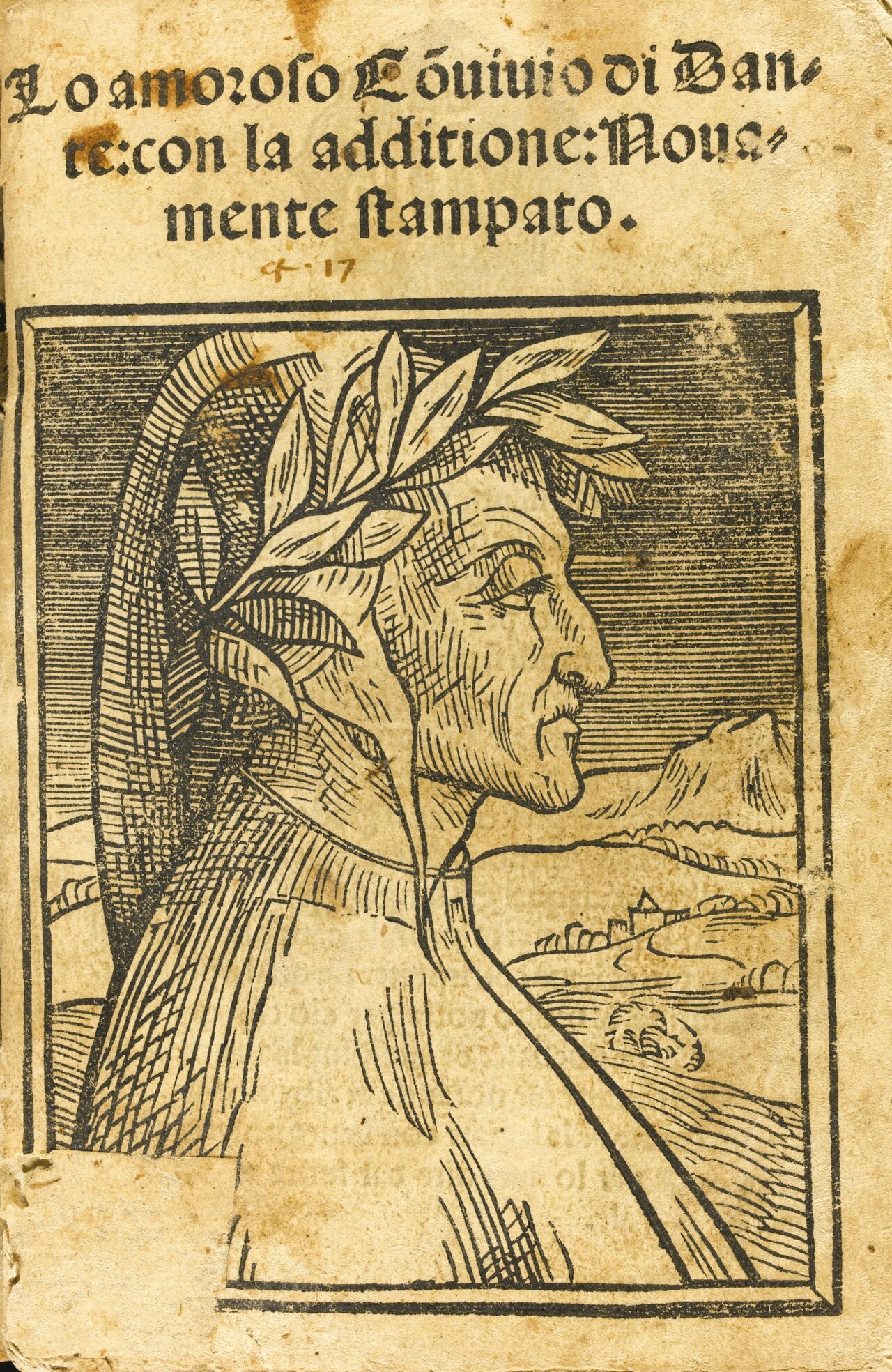 Book
Primary source
Dante Alighieri · 1304
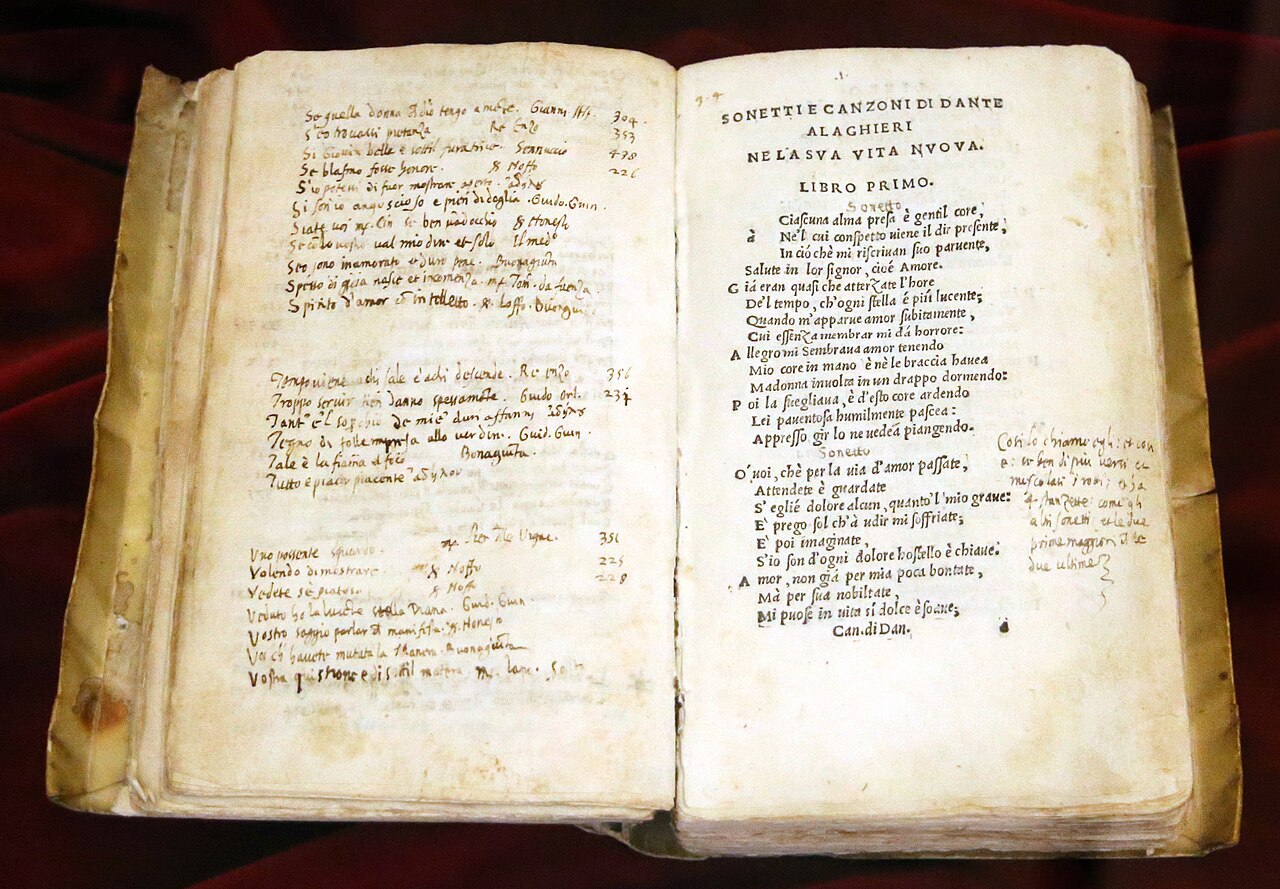 Book
Primary source
Dante Alighieri · 1283
Primary source
Dante Alighieri · c. 1300
Primary source
Dante Alighieri · c. 1300
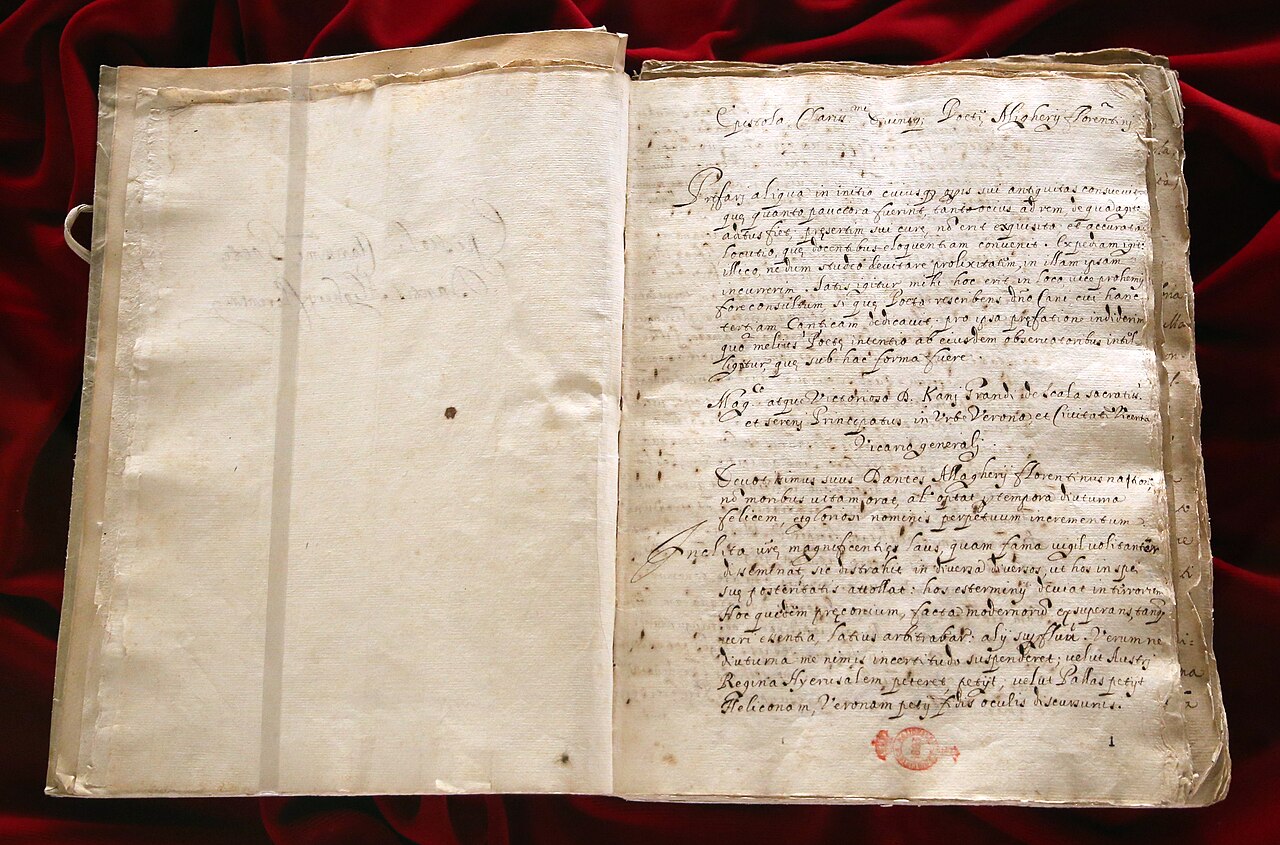 Letter
Primary source
Dante Alighieri (attributed) · c. 1316–1320
 Book
Secondary source
Giovanni Villani · 1348
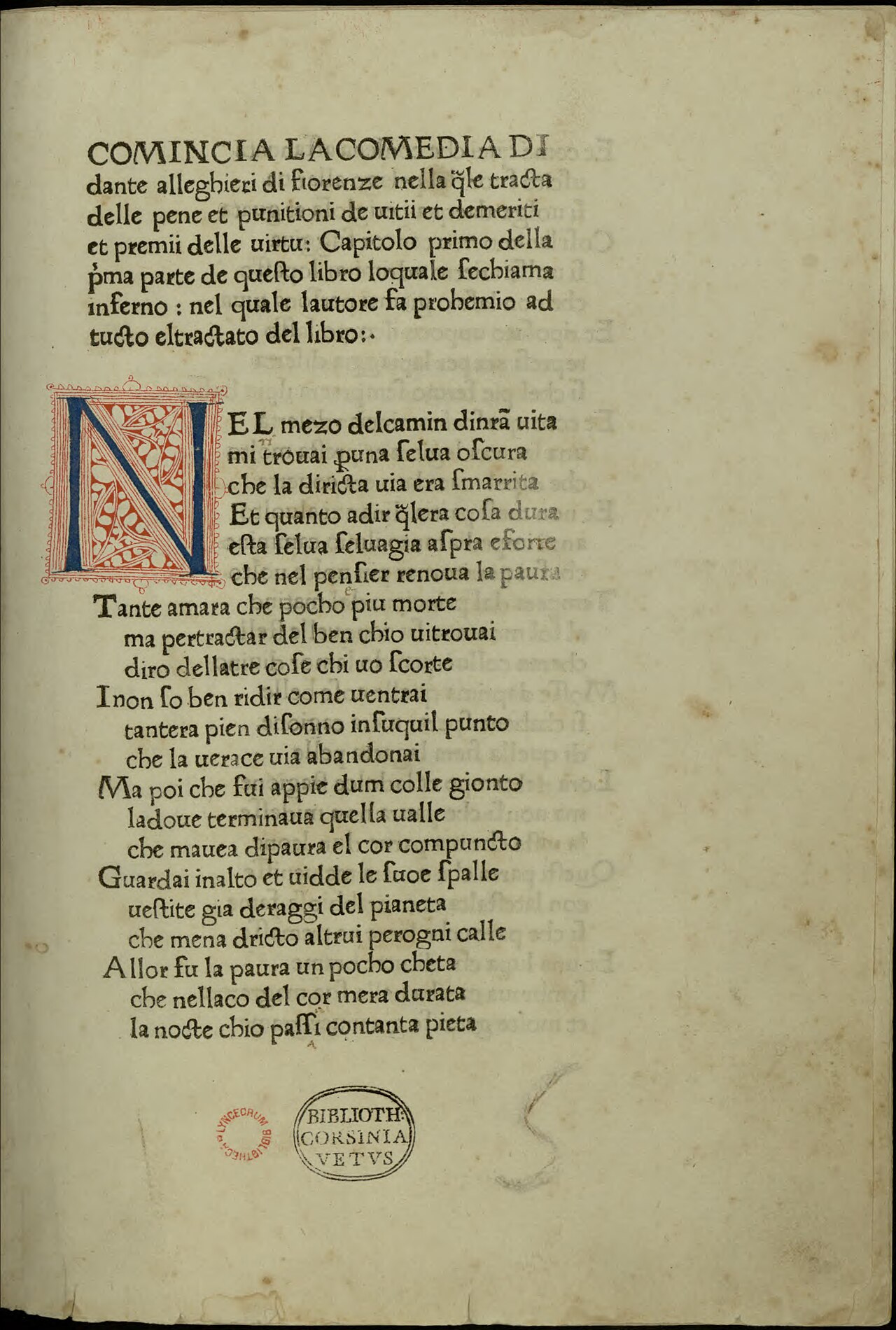 Book
Secondary source
Dante Alighieri · 1472
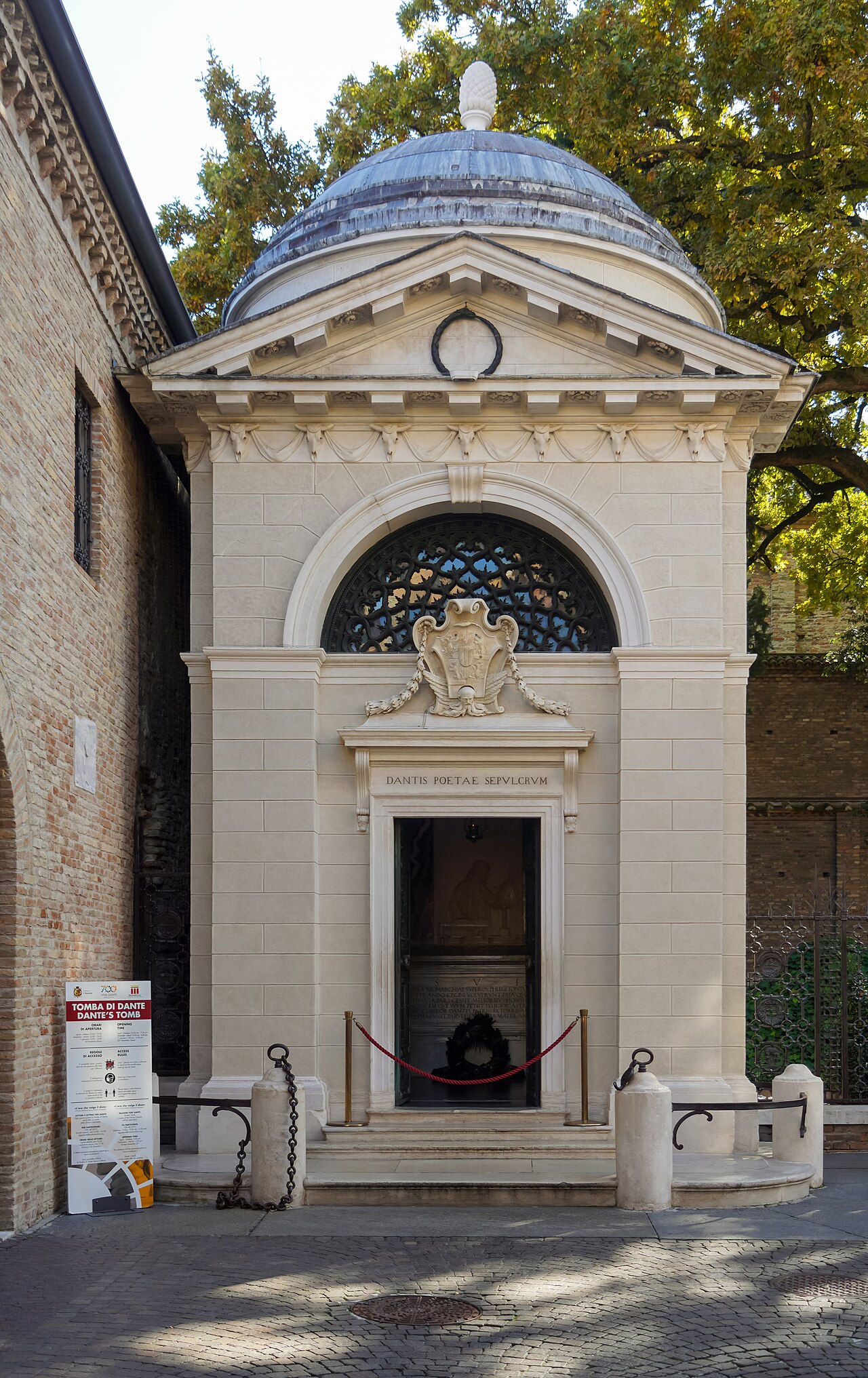 Artifact
Secondary source
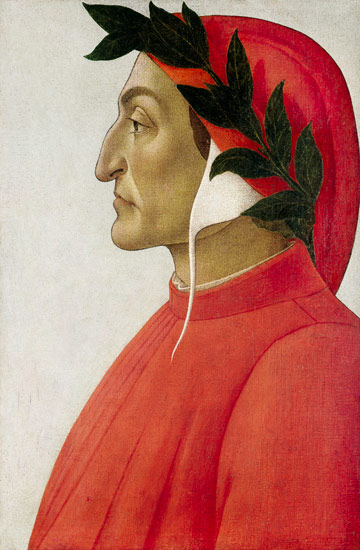 Painting
Secondary source
Sandro Botticelli · 1495
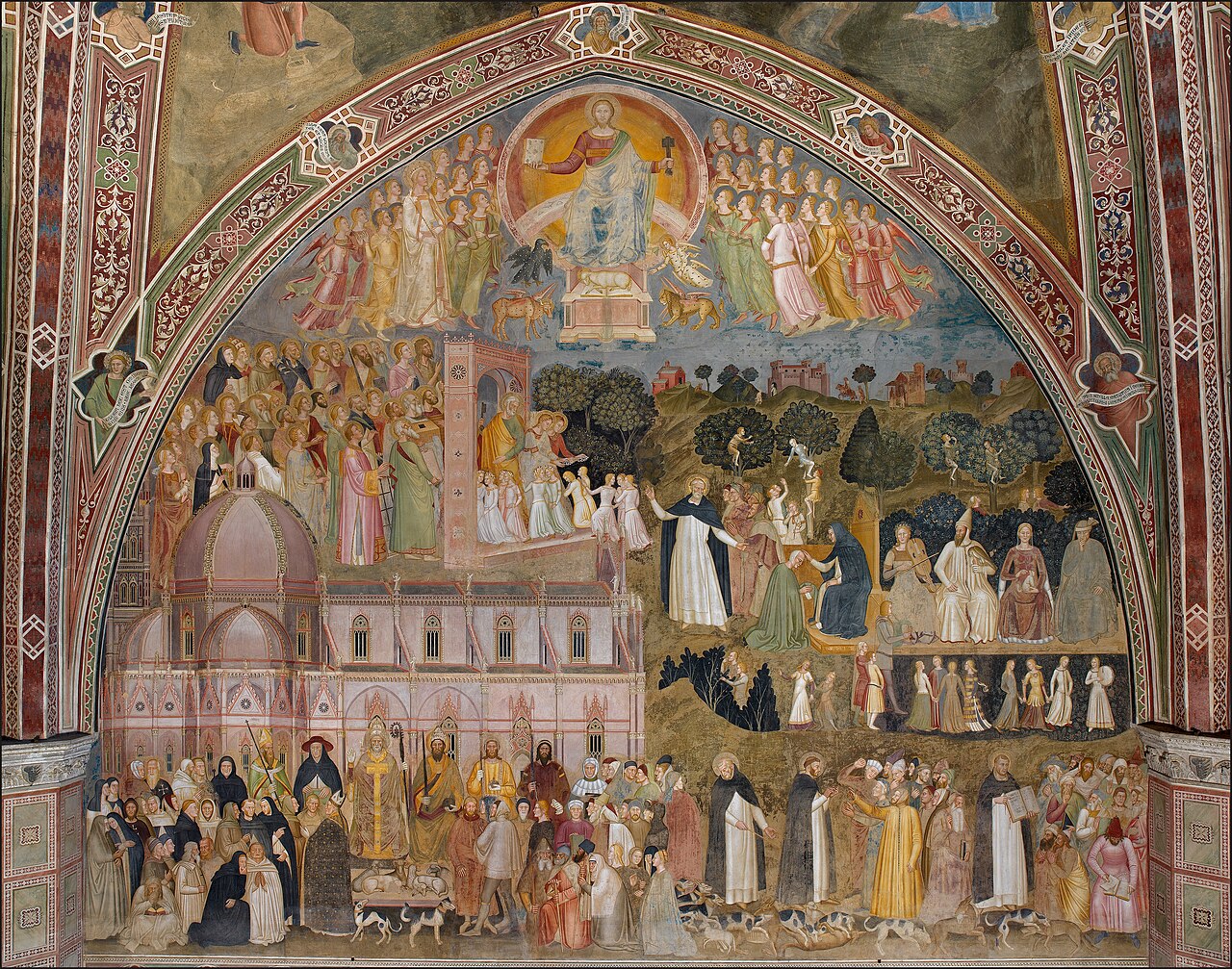 Painting
Secondary source
Andrea di Bonaiuto · 1360
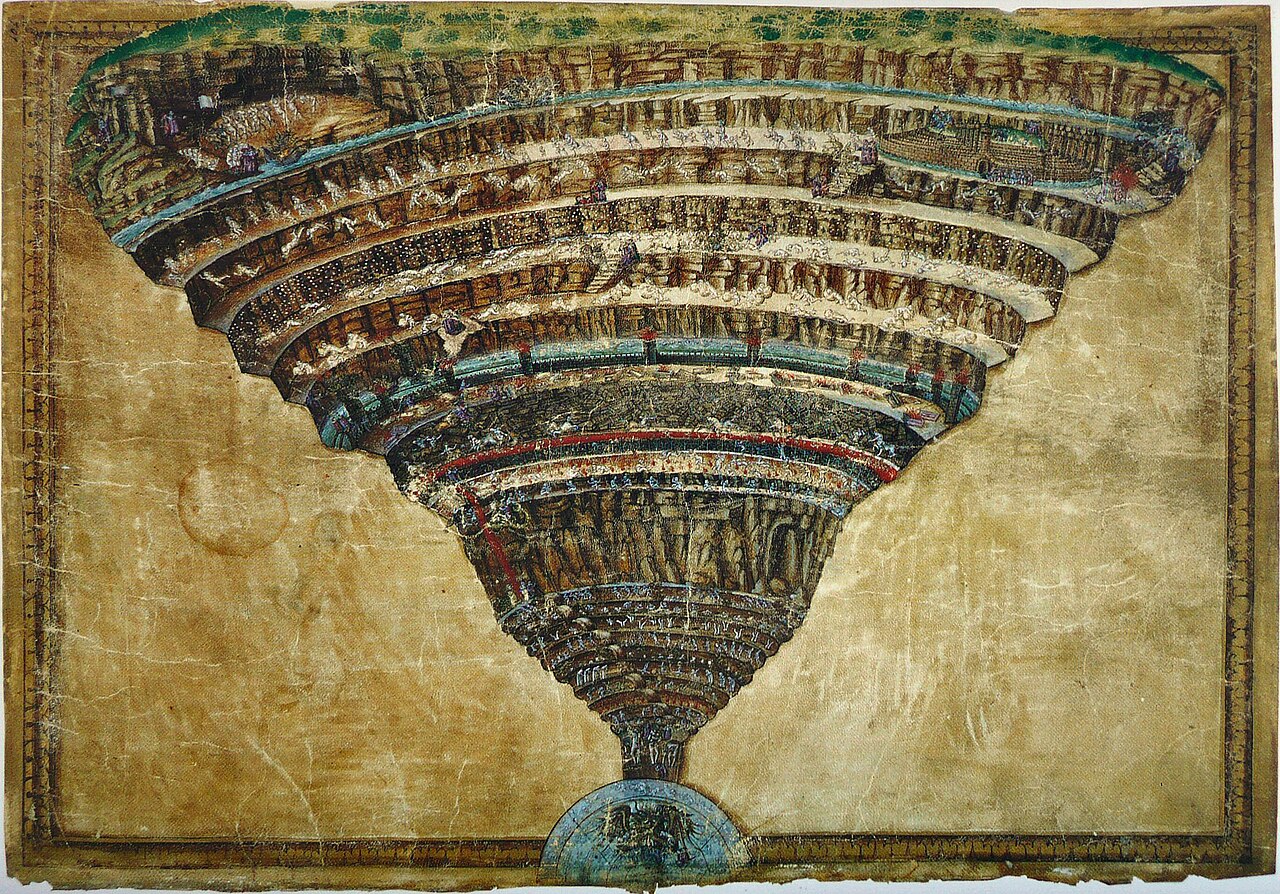 Painting
Secondary source
Sandro Botticelli · 1485
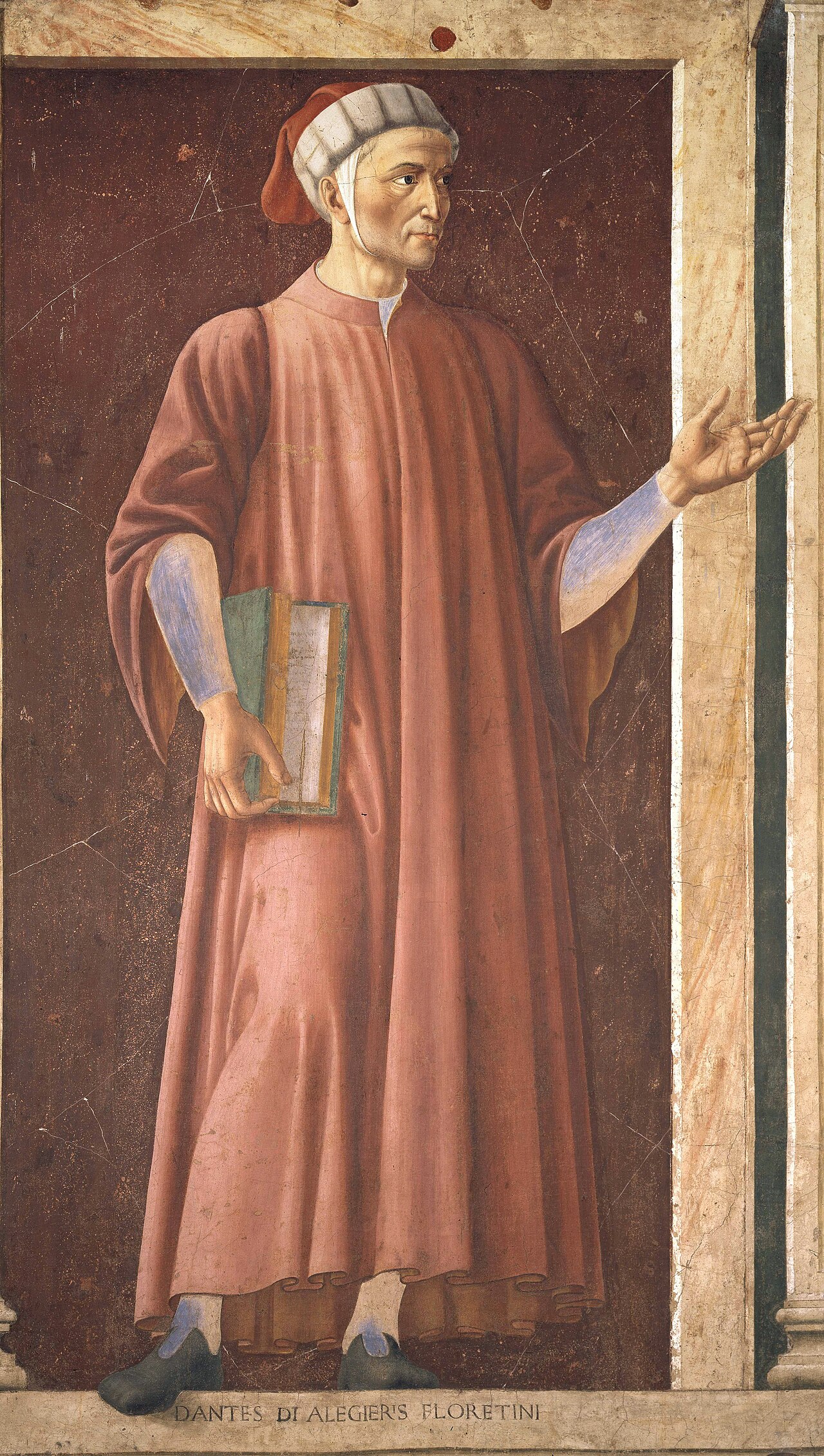 Painting
Secondary source
Andrea del Castagno · c. 1450
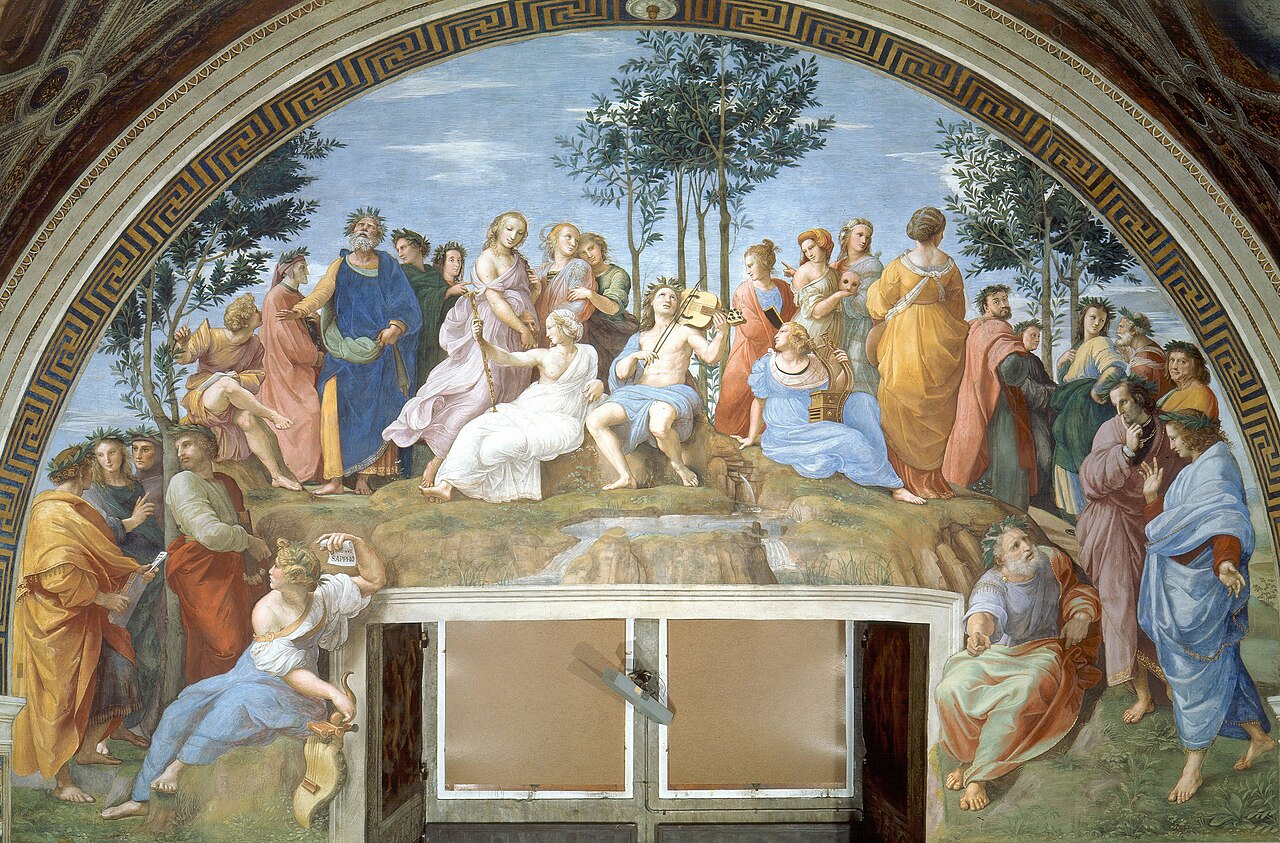 Painting
Primary source
Raphael · c. 1509-1511
 Painting
Secondary source
Luca Signorelli · 1500
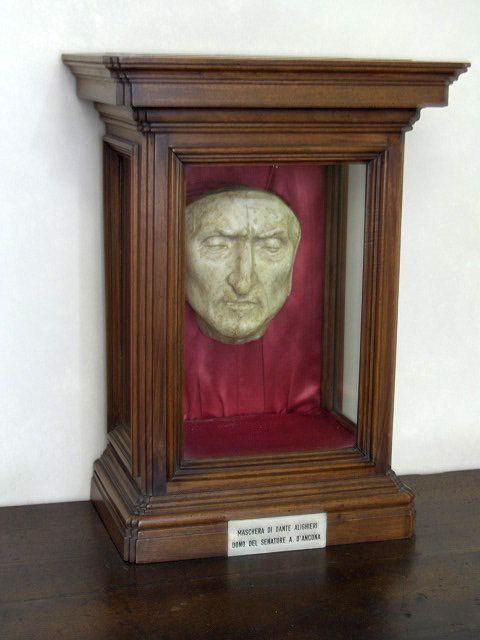 Artifact
Secondary source
Unknown (traditionally attributed to Pietro and Tullio Lombardo) · 15th century (traditionally 1321)
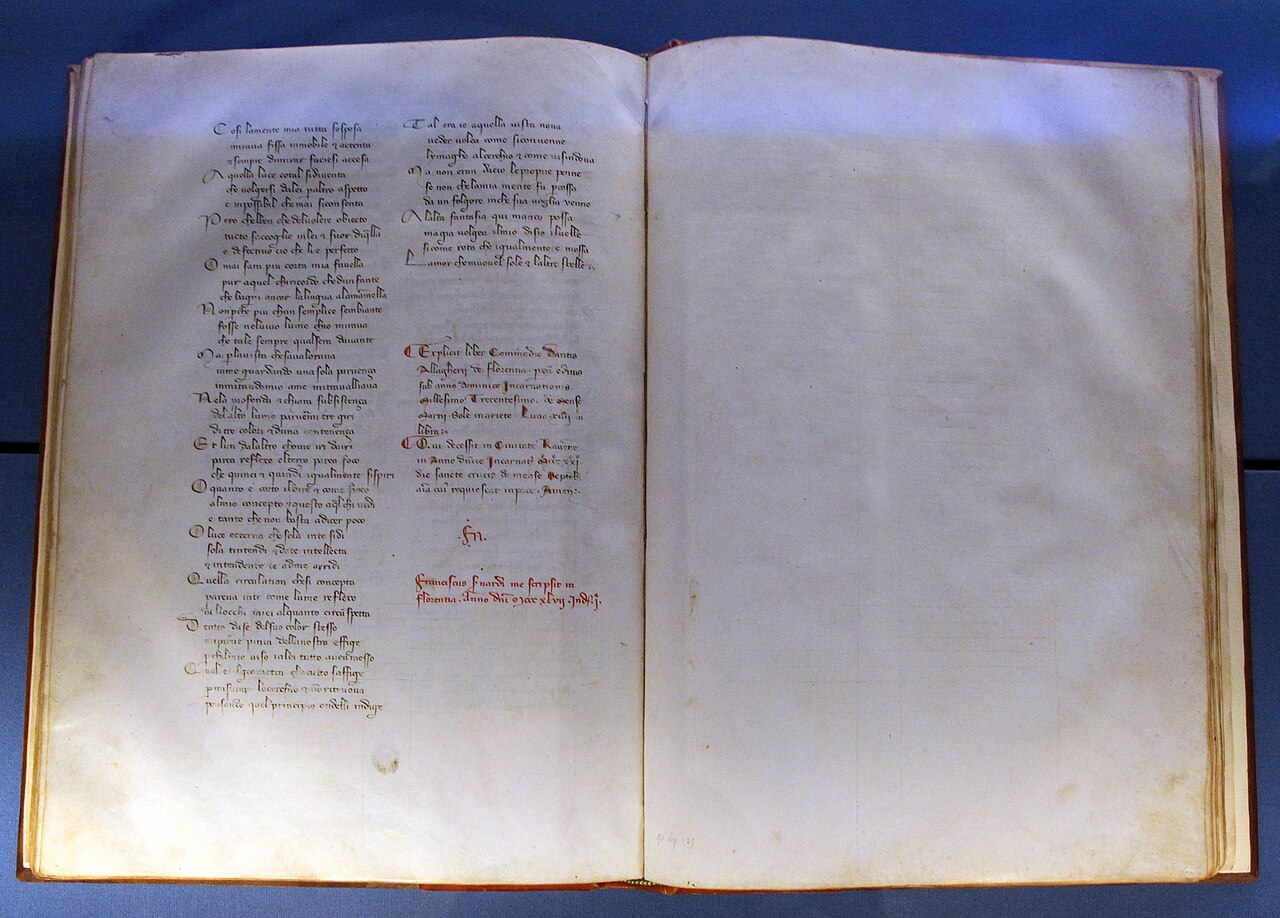 Book
Secondary source
Francesco di Ser Nardo da Barberino (scribe) · 1340s (manuscript copy)
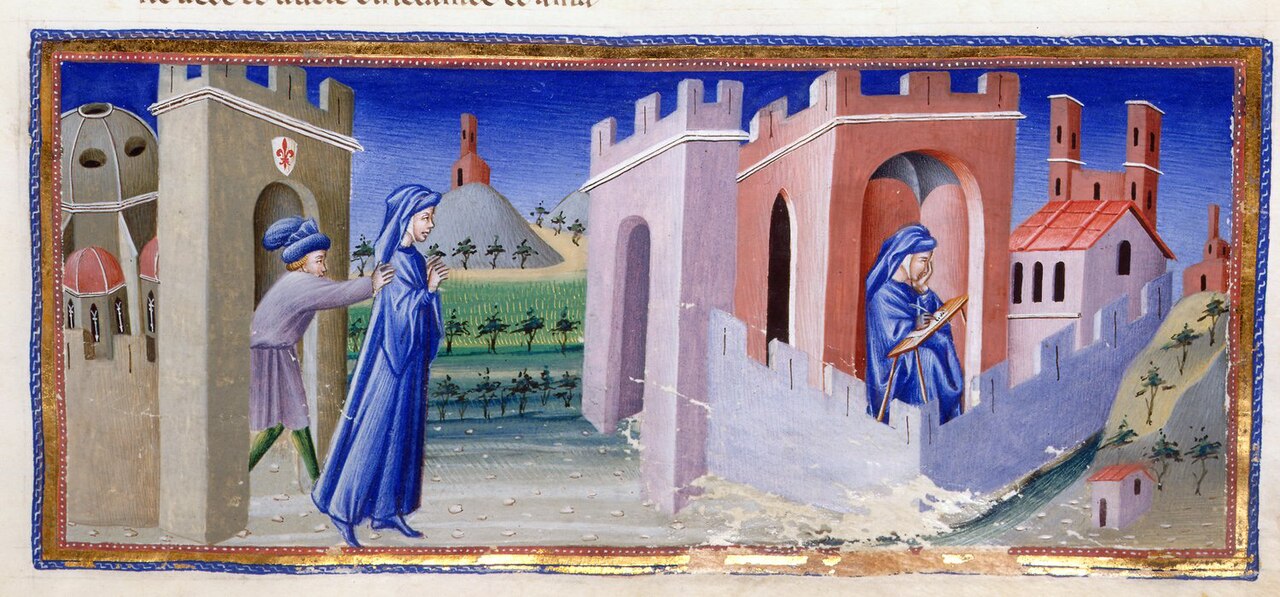 Painting
Secondary source
Priamo della Quercia and Giovanni di Paolo · c. 1444-1450
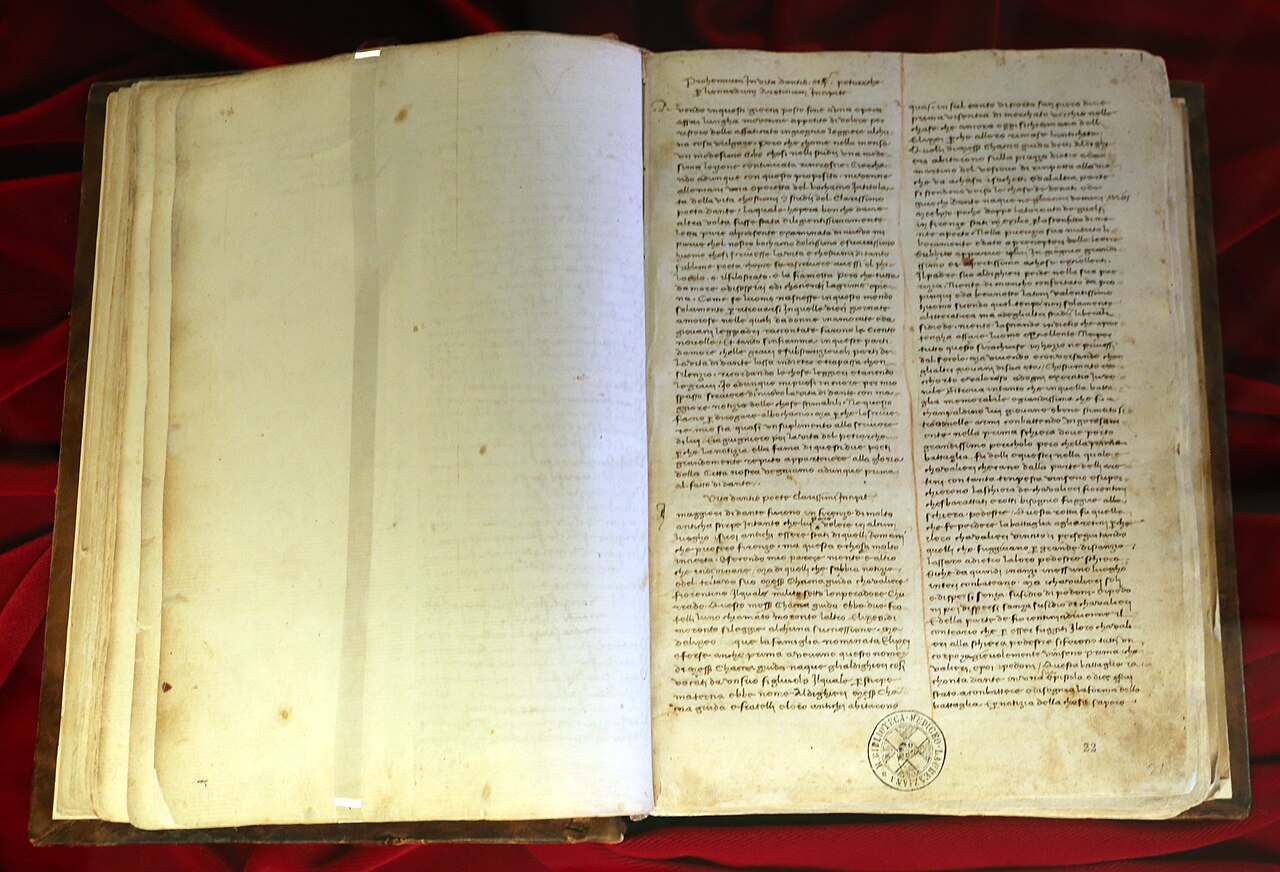 Book
Secondary source
Leonardo Bruni · 1436
Primary source
Dante Alighieri · 1319-1320
Primary source
Dante Alighieri
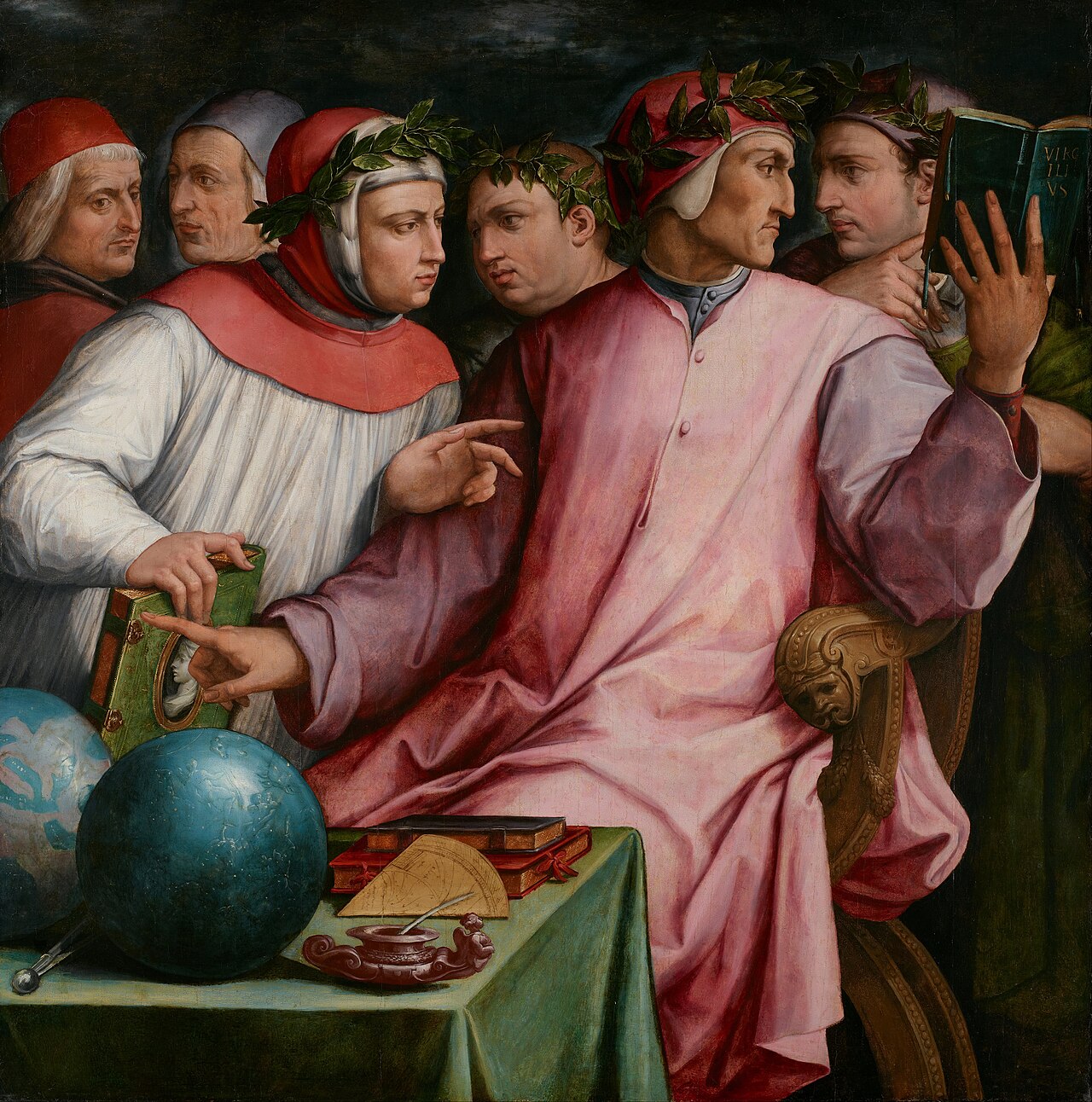 Painting
Secondary source
Giorgio Vasari · 1544
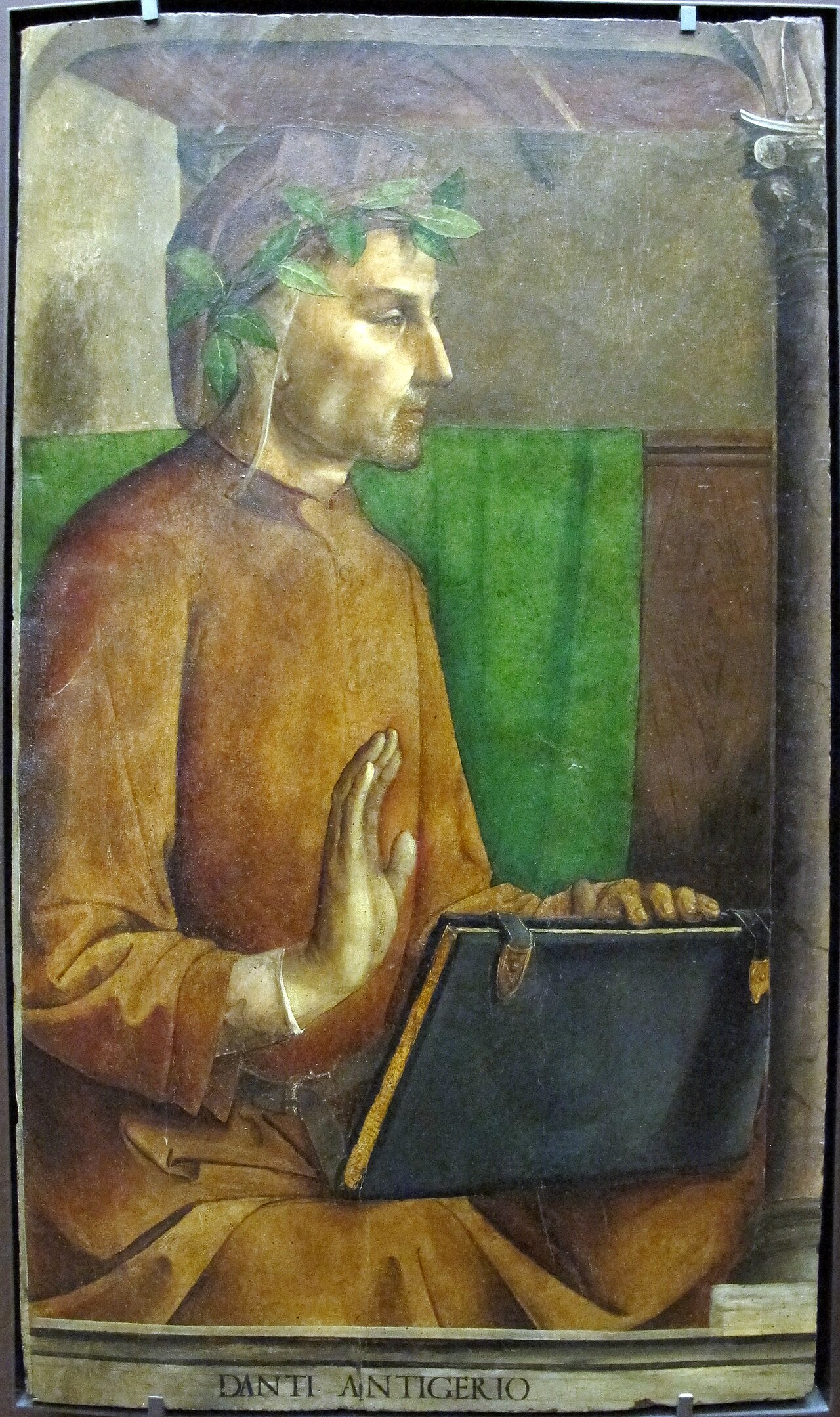 Painting
Secondary source
Justus van Gent · 1476
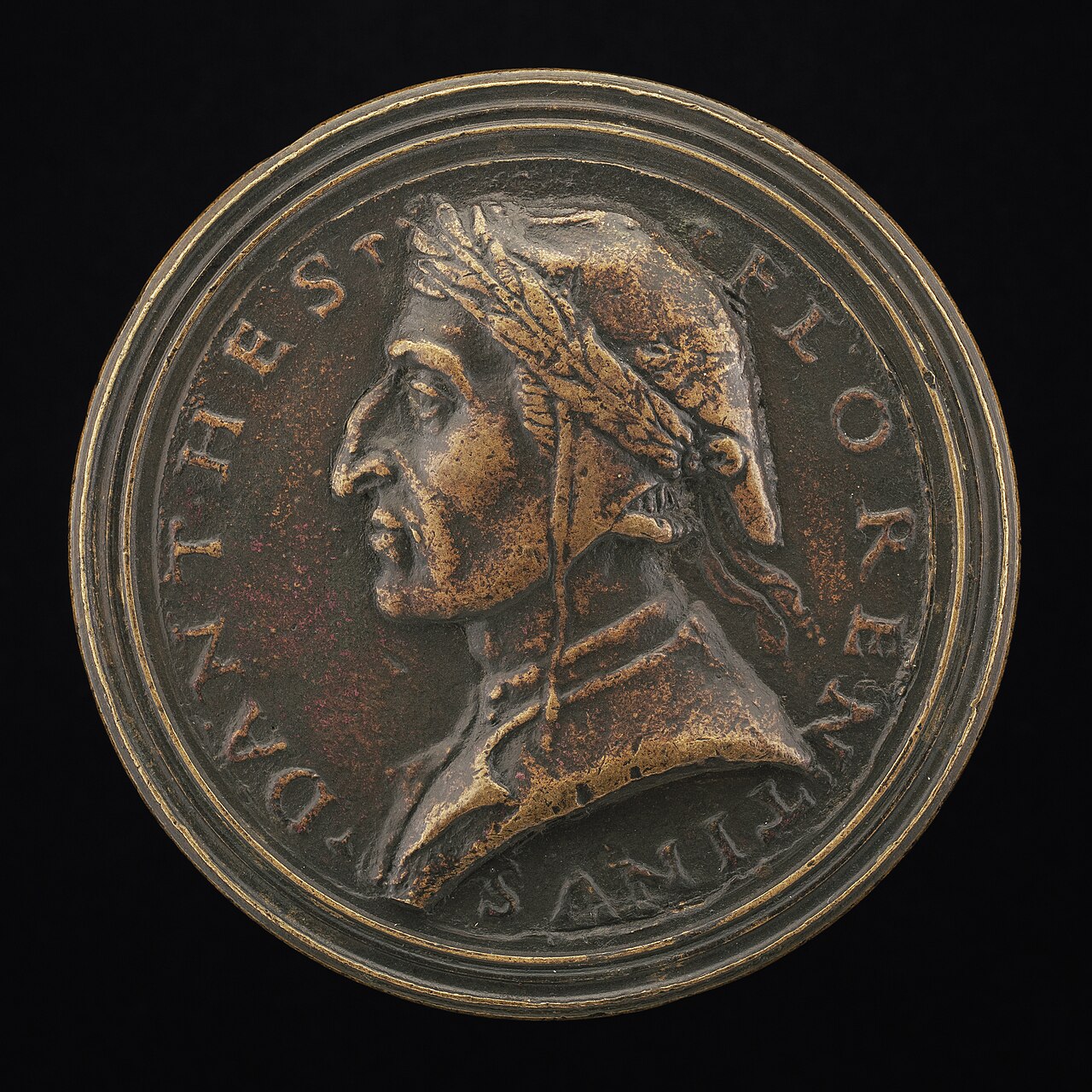 Artifact
Secondary source
1401
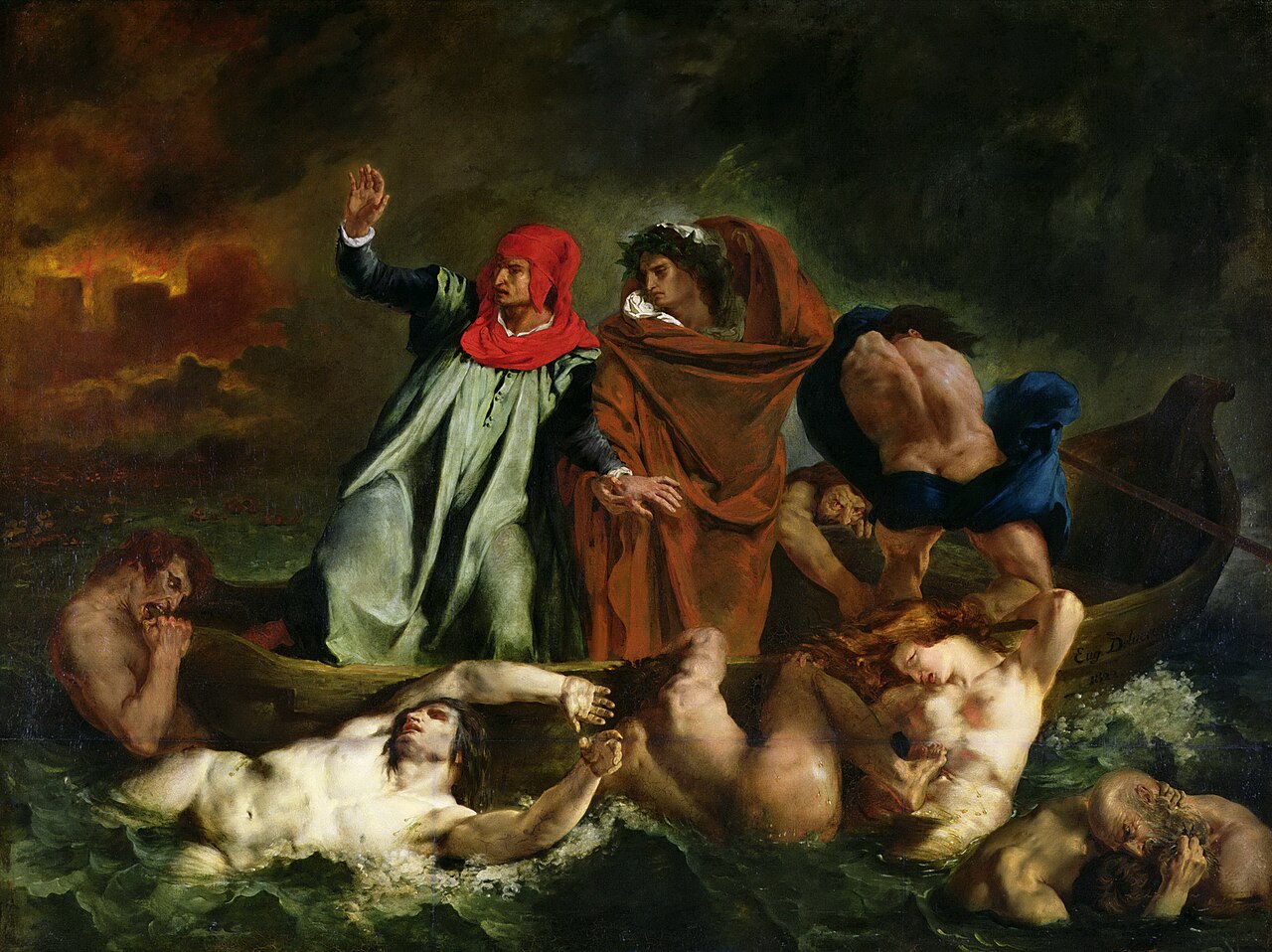 Painting
Secondary source
Eugène Delacroix · 1822
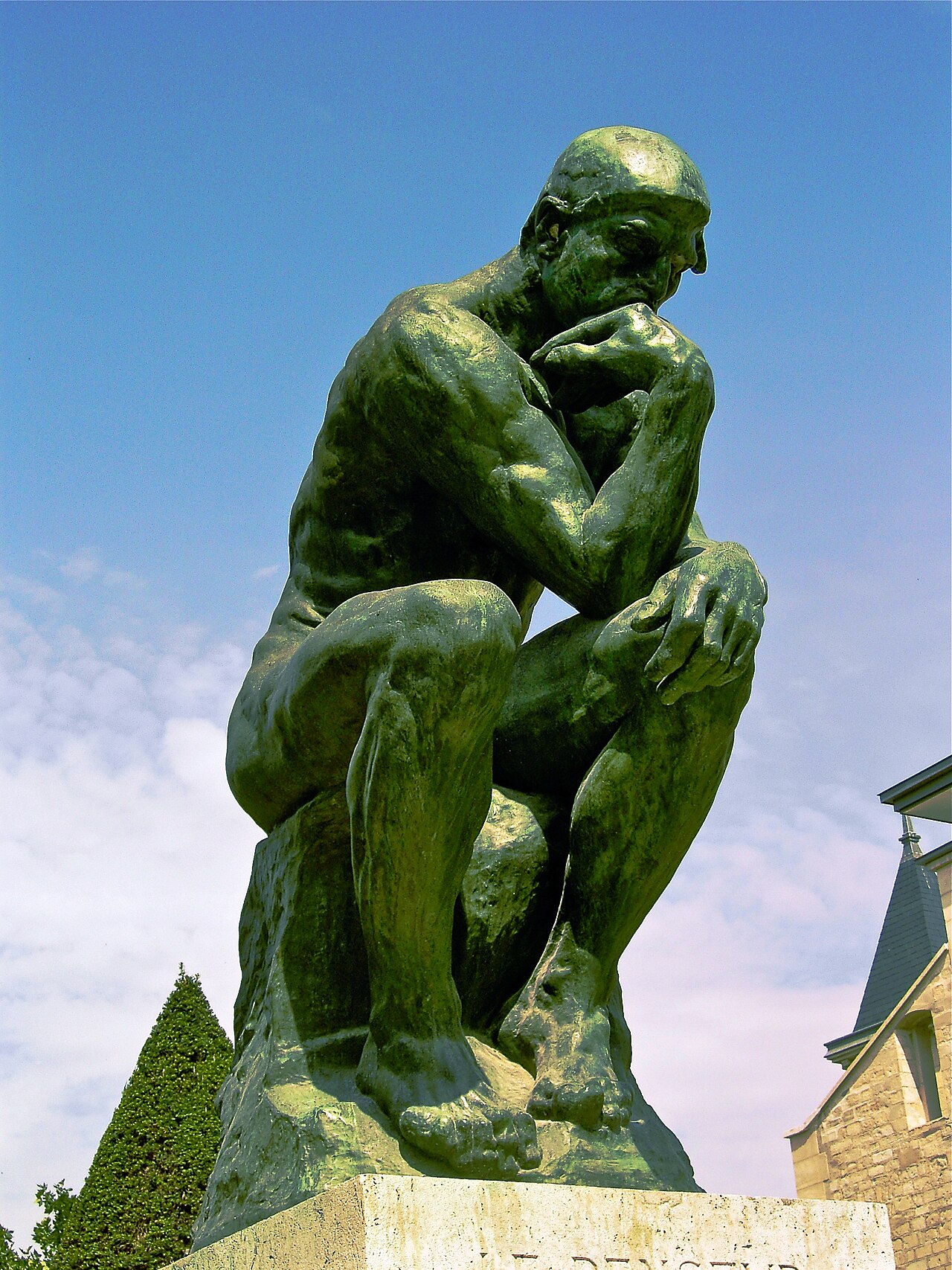 Sculpture
Secondary source
Auguste Rodin · 1882
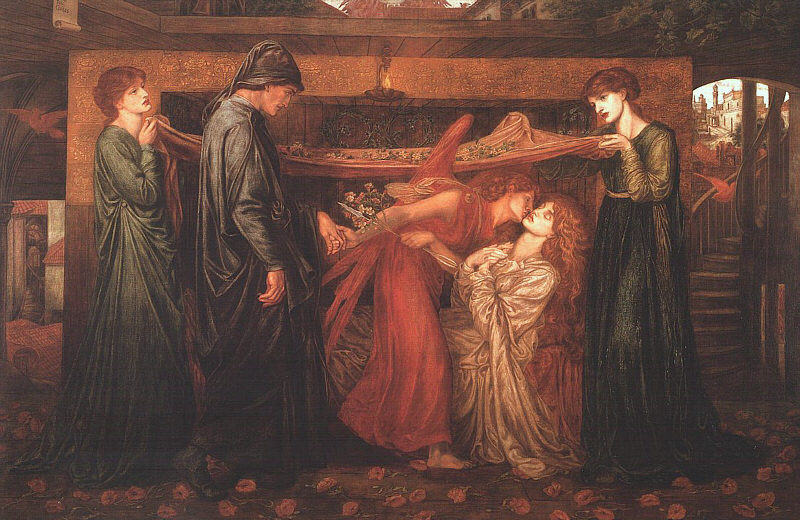 Painting
Secondary source
Dante Gabriel Rossetti · 1871
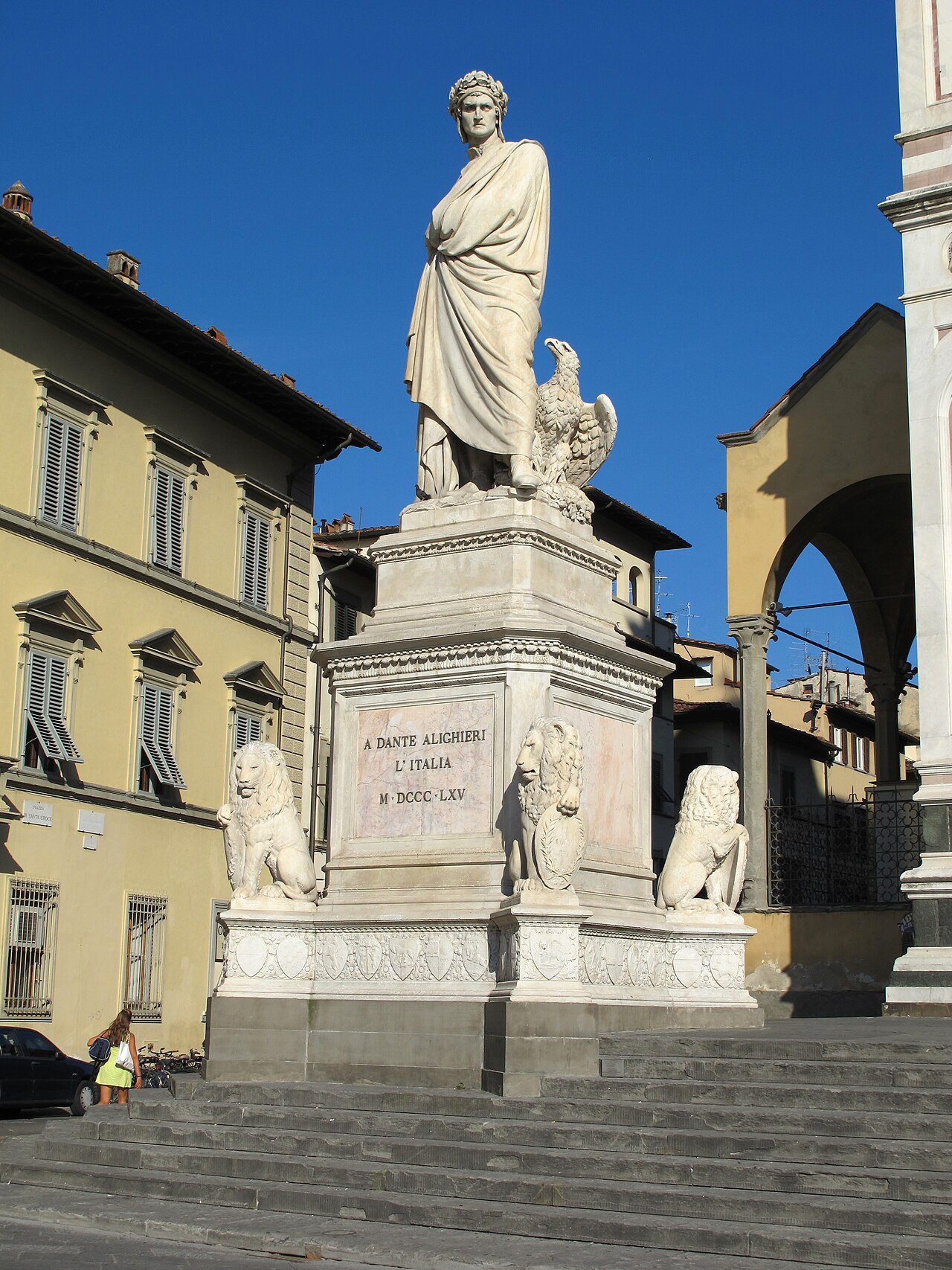 Sculpture
Secondary source
Enrico Pazzi · 1865
 Book
Secondary source
Giovanni Boccaccio · 1900
Primary source
10 March 1302
Primary source
Dante Alighieri · 1920 (edition of letters written by Dante)
 Book
Secondary source
Philip Henry Wicksteed · 1904
Primary source
Dante Alighieri · 1913
 Book
Primary source
Dante Alighieri · 1903
 Book
Primary source
Dante Alighieri · 1892
Primary source
Dante Alighieri · 1899 translation (text written earlier by Dante)
 Letter
Primary source
Dante Alighieri · 1891 translation (letters written earlier by Dante)
Primary source
Dante Alighieri · 1320
Primary source
Dante Alighieri
Secondary source
James Robinson Smith (translator); Giovanni Boccaccio and Lionardo Bruni Aretino (original authors) · 1901
Secondary source
Giovanni Boccaccio · c. 1362
Secondary source
Edmund G. Gardner · 1923
 Book
Primary source
Dante Alighieri · 1899
 Book
Primary source
Dante Alighieri · 1880
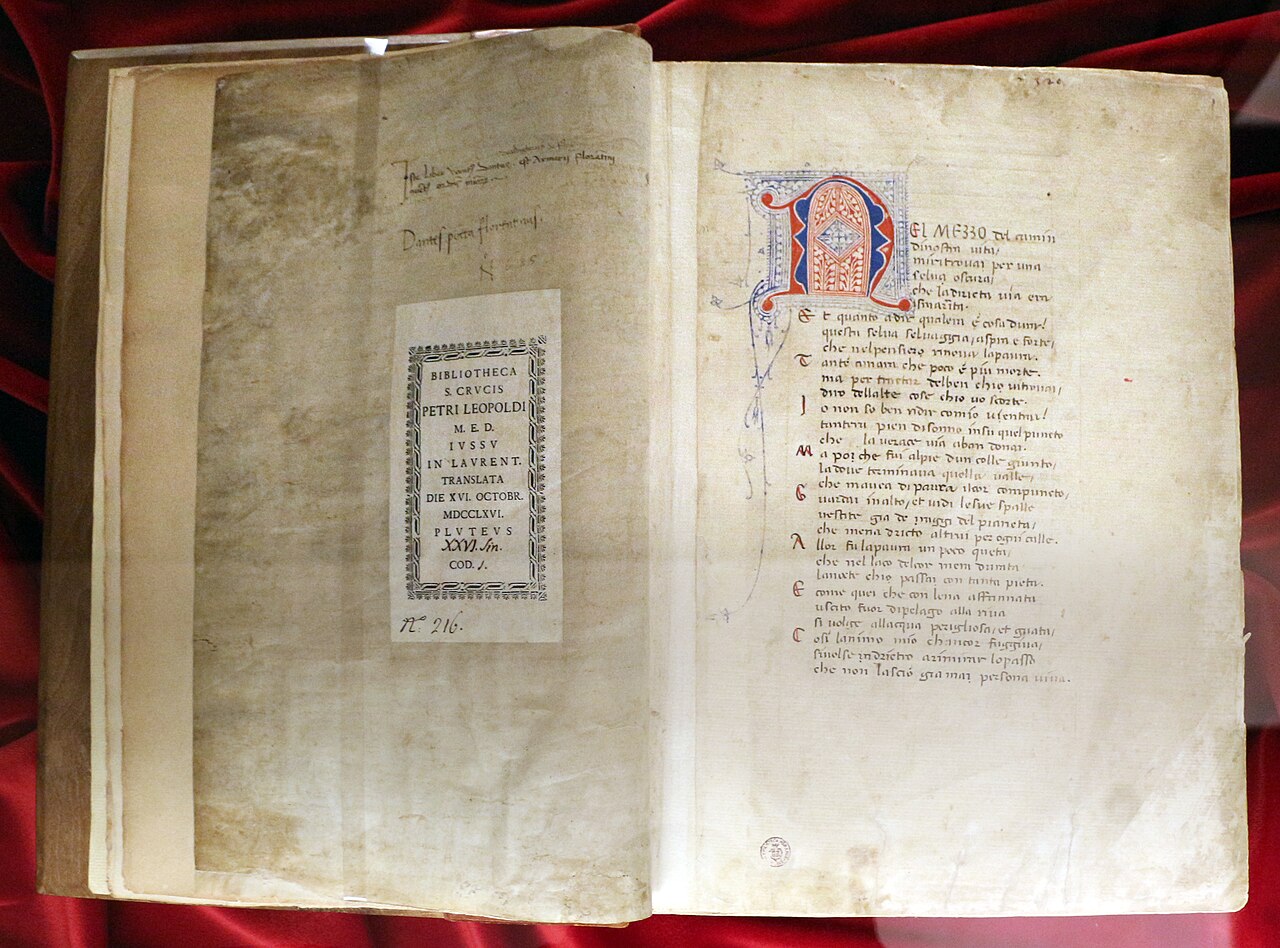 Book
Secondary source
c. 1390-1405
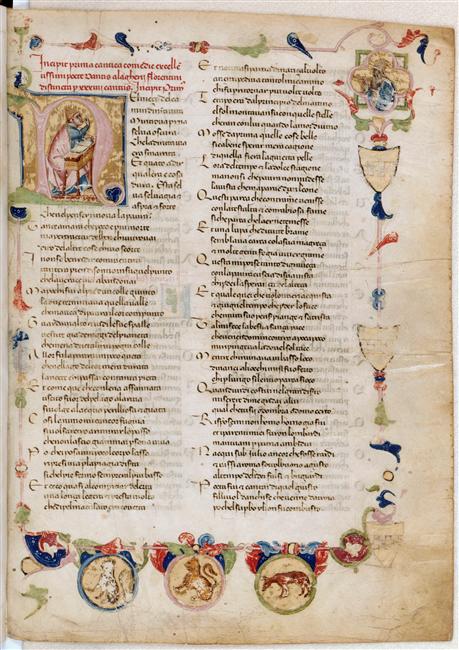 Painting
Primary source
Artiste toscan anonyme · c. 1328-1330
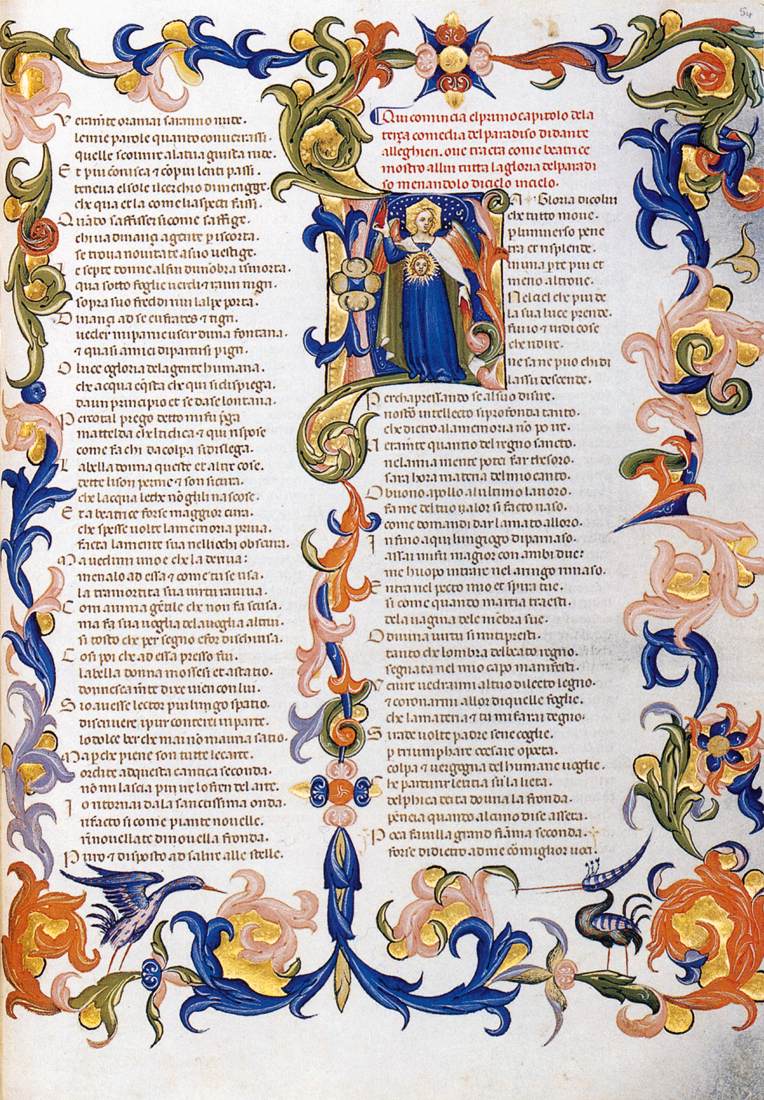 Book
Primary source
Don Simone Camaldolese · 1386-1388
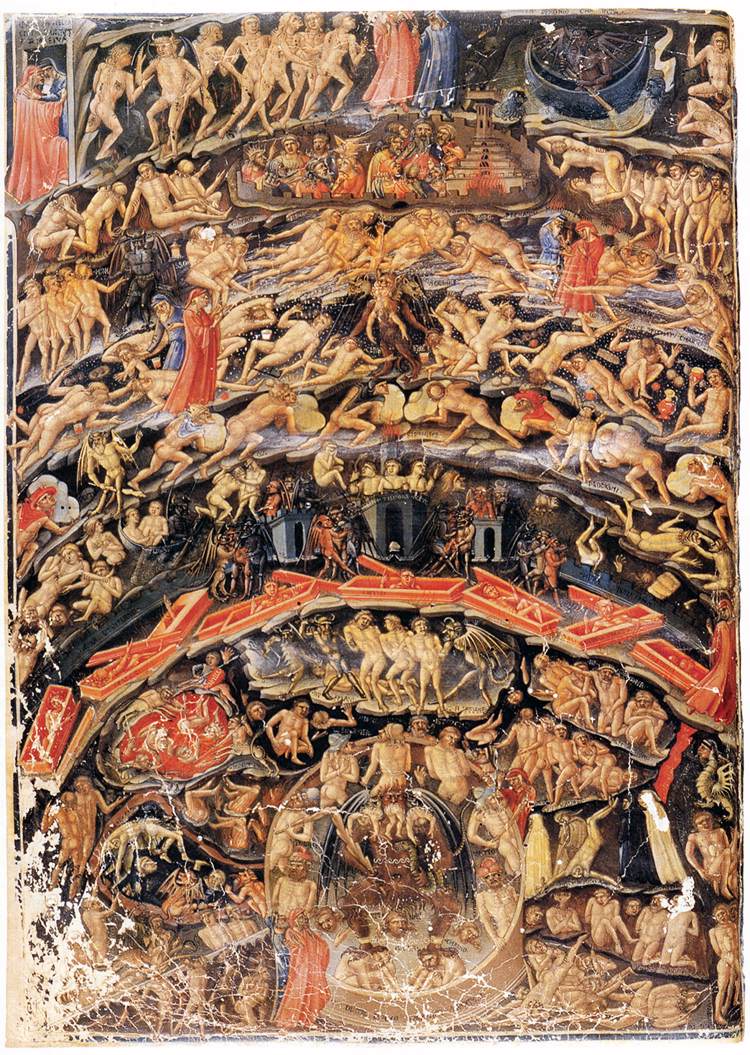 Painting
Secondary source
Bartolomeo di Fruosino · 1430-1435
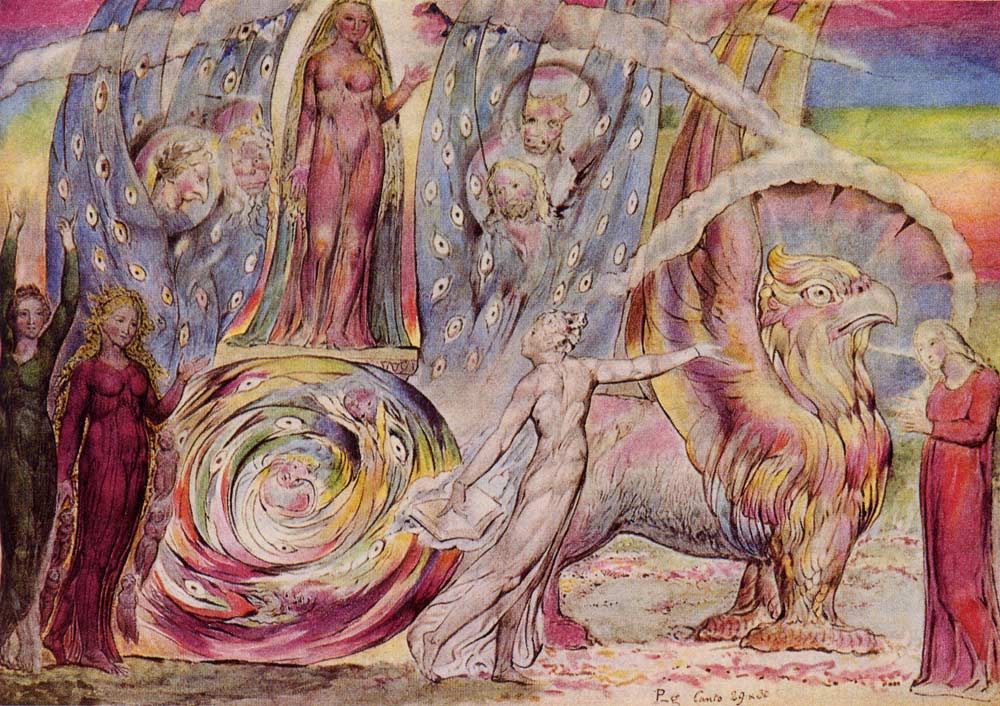 Painting
Secondary source
William Blake · 1824
Secondary source
Comitato cattolico per l'omaggio a Dante Alighieri · 1914
Secondary source
William Warren Vernon · 1900
Secondary source
Paget Jackson Toynbee · 1898
 Book
Secondary source
John Joseph Rolbiecki · 1921
 Document
Secondary source
Francesco Bini
Primary source
Luigi Di Benedetto (editor) · 13th century (this edition 1941)
Secondary source
Marsilio Ficino (translator); Dante Alighieri (original author) · 1468
Secondary source
Filippo Scolari (translator); Dante Alighieri and Giovanni del Virgilio (original authors) · 1845
Secondary source
Dante Alighieri (author); Henry Wadsworth Longfellow (translator); LibriVox volunteer (reader) · 1308-1321
Secondary source
Dante Alighieri (author); Mary J (LibriVox reader)
Secondary source
Dante Alighieri (author); Philip H. Wicksteed (translator); LibriVox volunteers (readers)
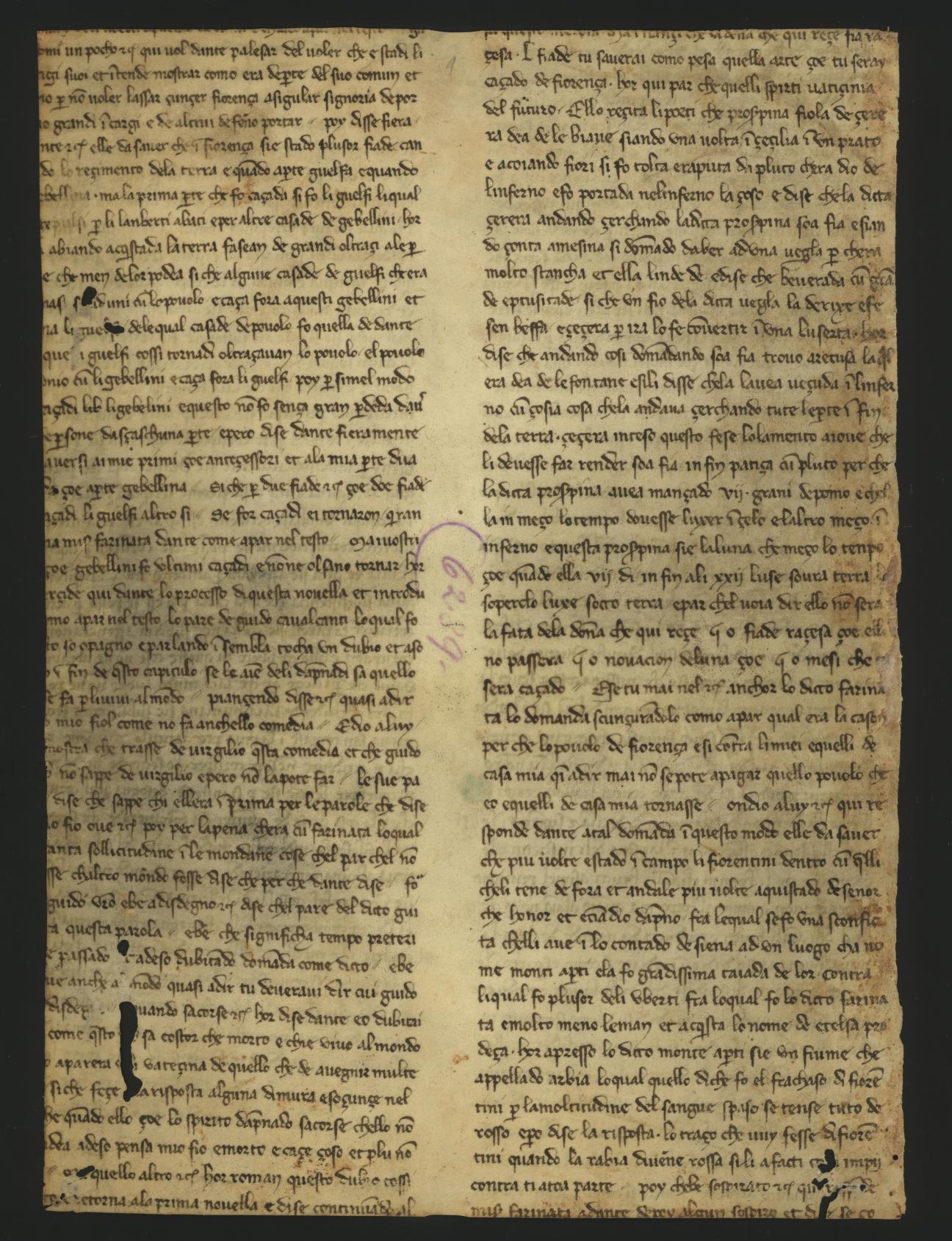 Book
Secondary source
Unknown scribe (commentary on Dante Alighieri's Divine Comedy) · second half of the 14th century
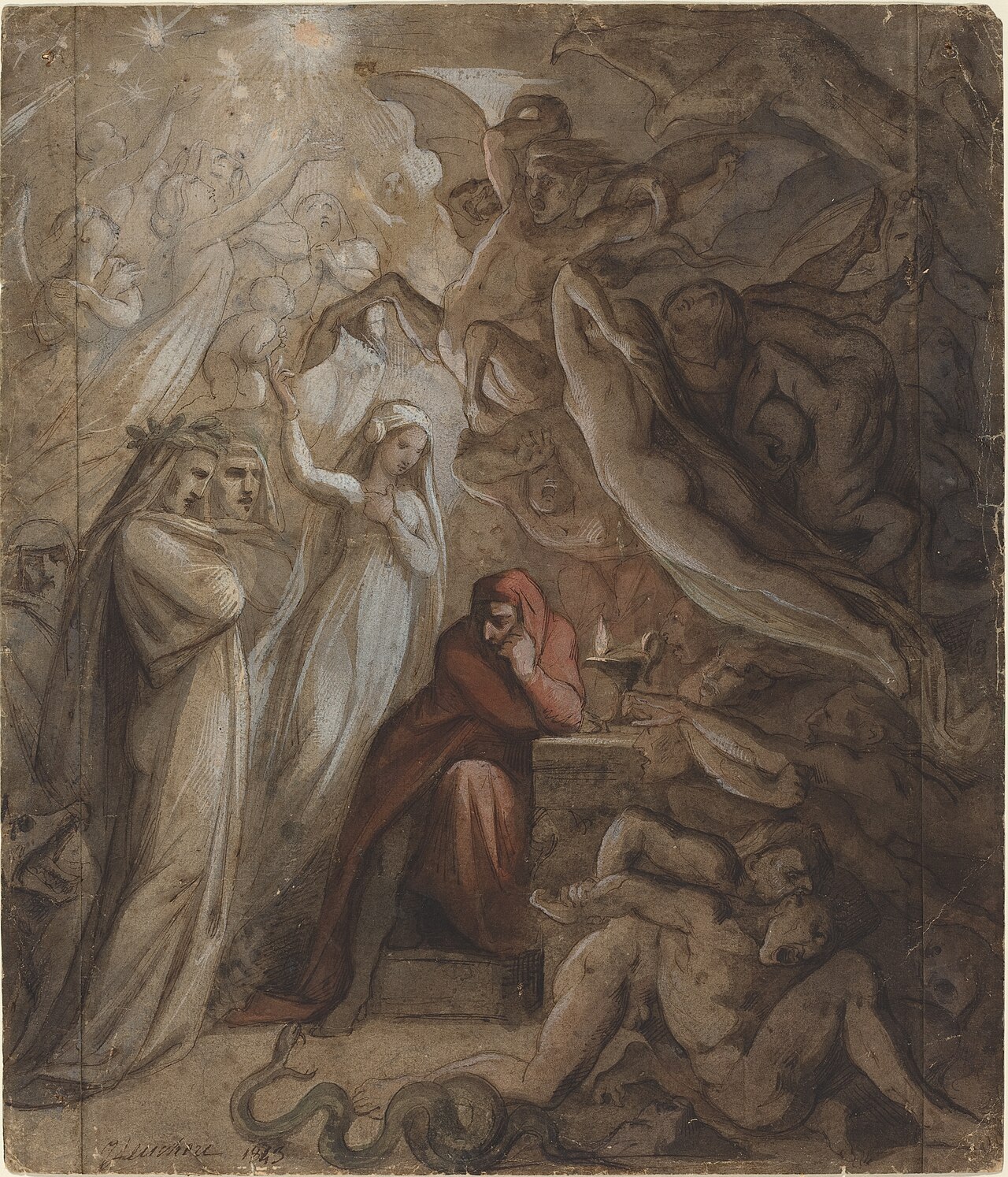 Painting
Secondary source
Jean-Jacques Feuchère · 1843
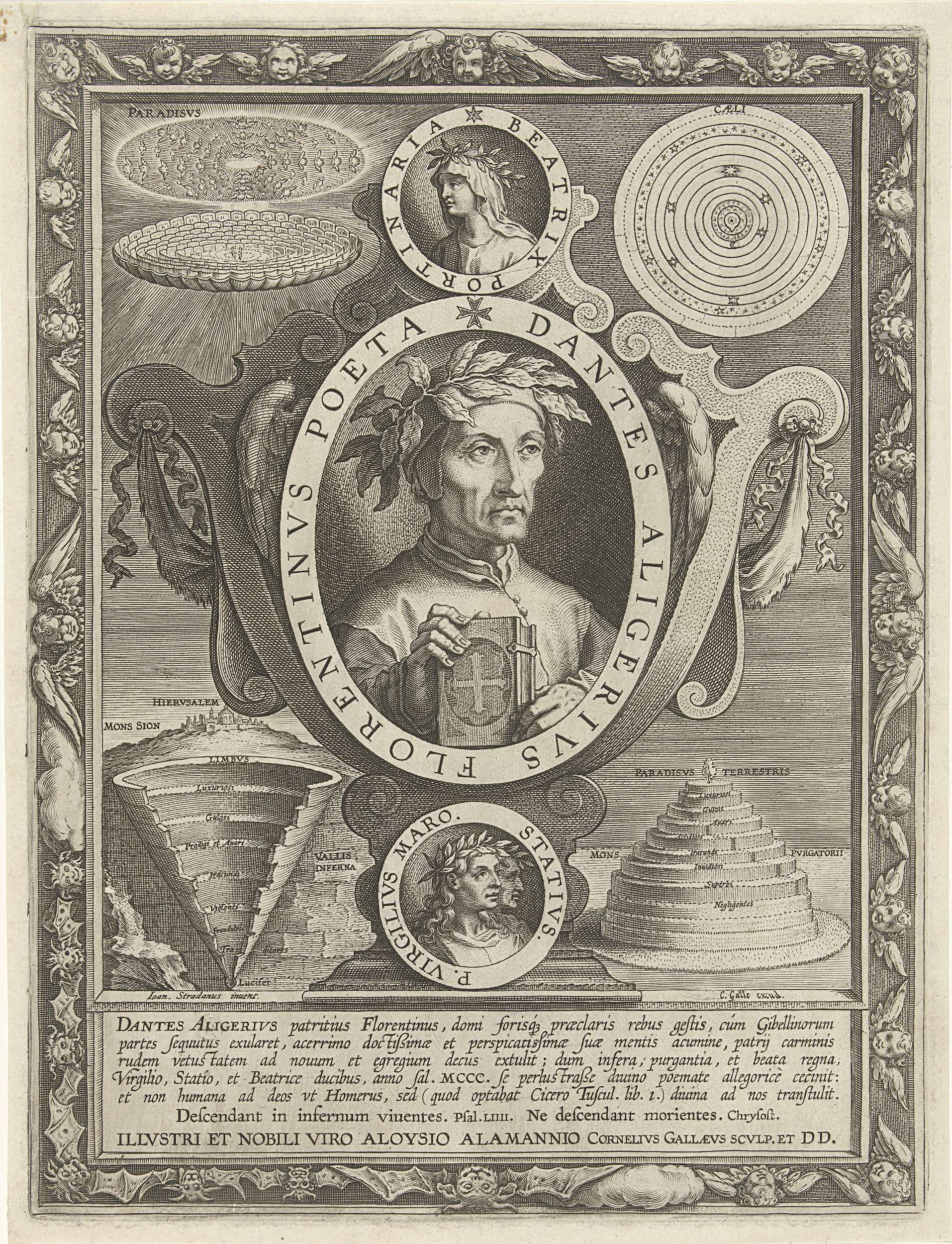 Painting
Secondary source
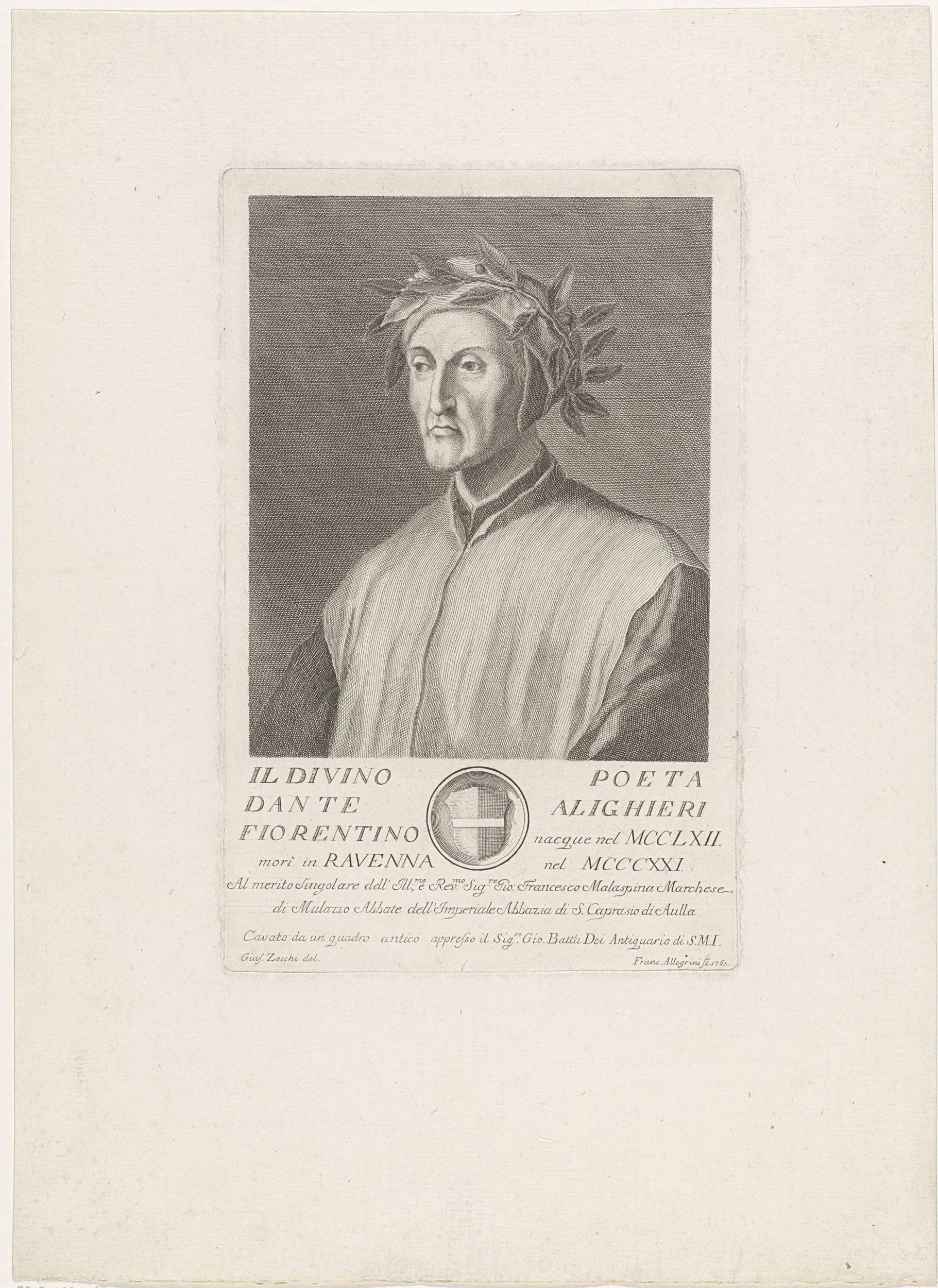 Painting
Secondary source
1761
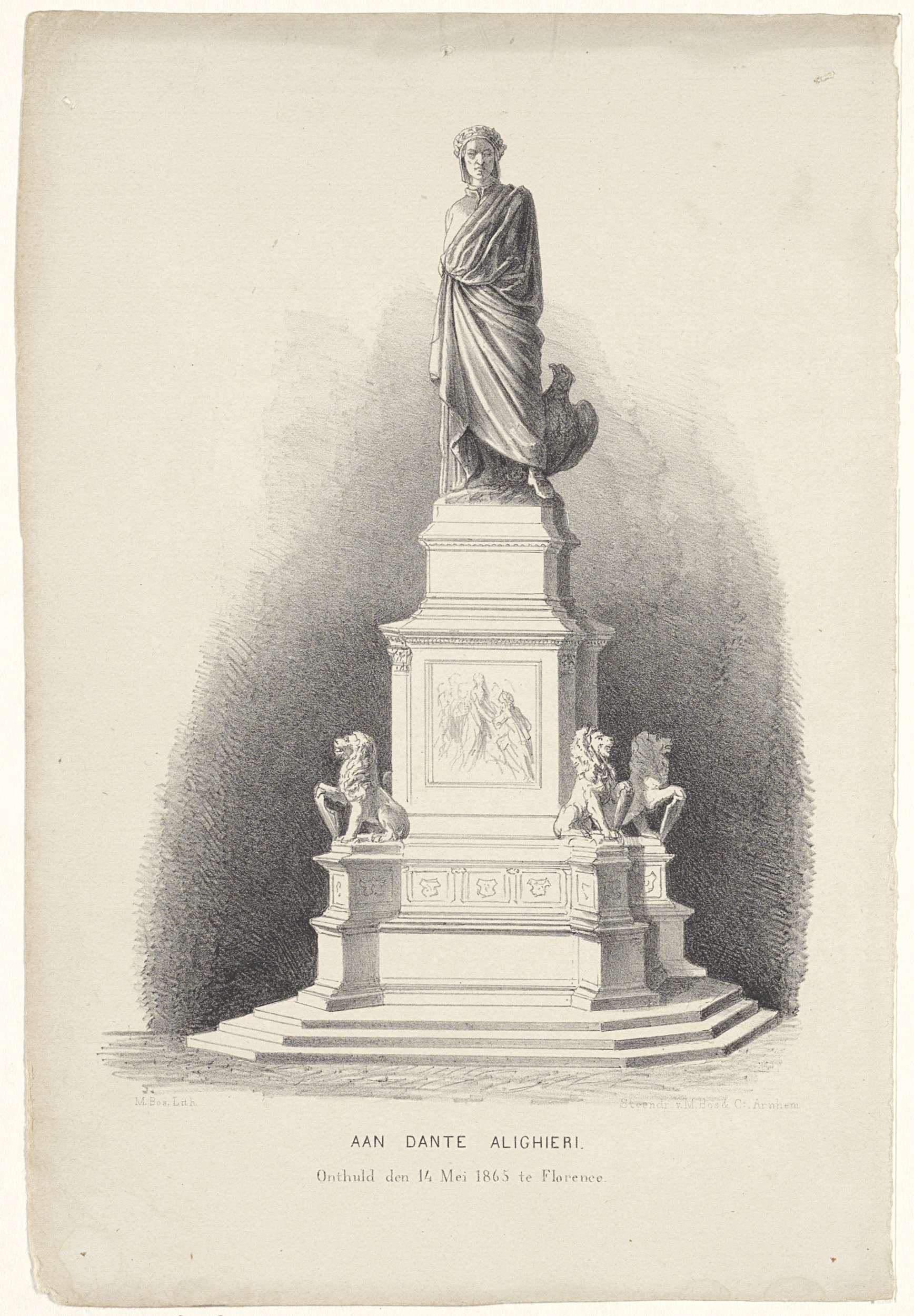 Painting
Secondary source
14 May 1865
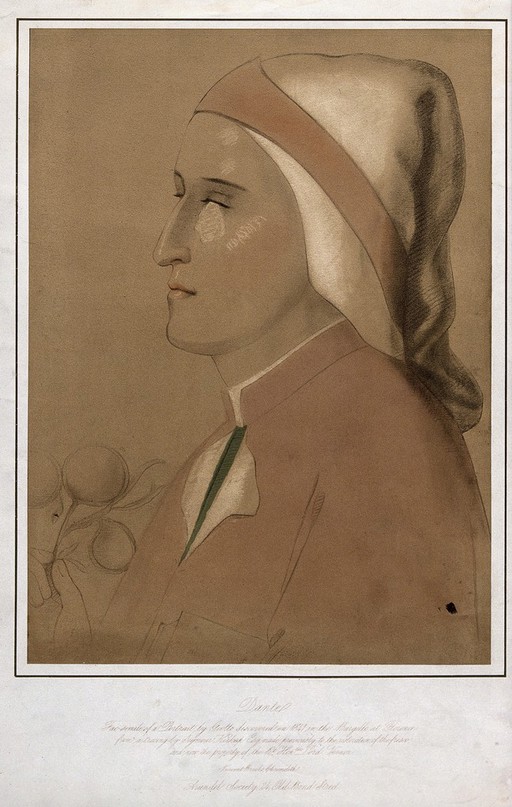 Painting
Secondary source
Ambrogio Bondone Giotto · 1859
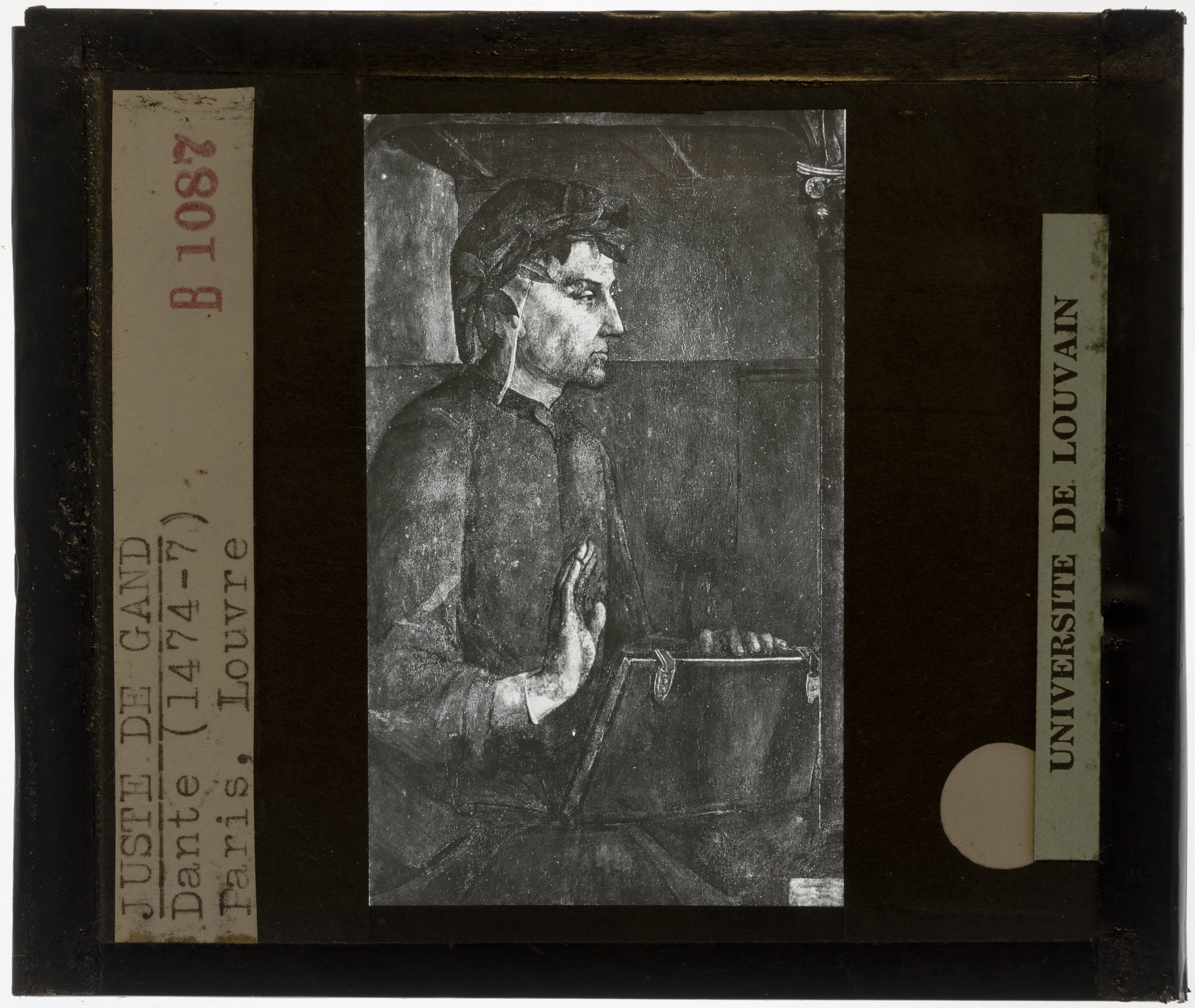 Painting
Secondary source
Joos van Wassenhove · c. 1473-1477
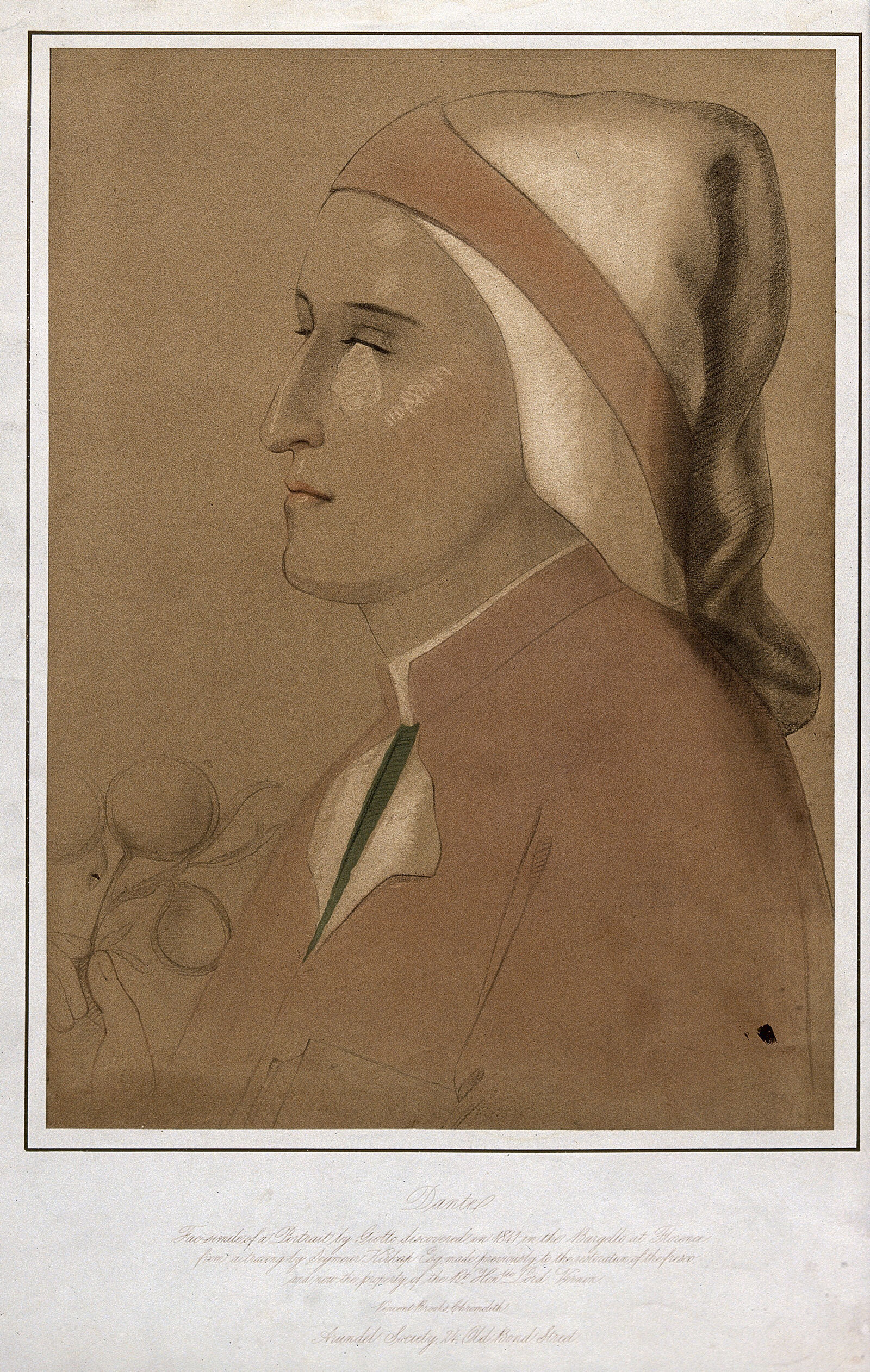 Painting
Secondary source
Giotto (fresco attributed); S. S. Kirkup (copy) · [1859]
Secondary source
Sandro Botticelli (drawings); F. Lippmann (introduction and commentary) · 1896
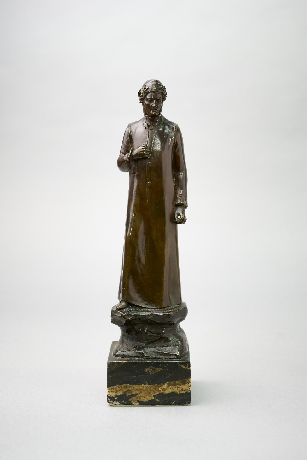 Sculpture
Secondary source
c. 1860
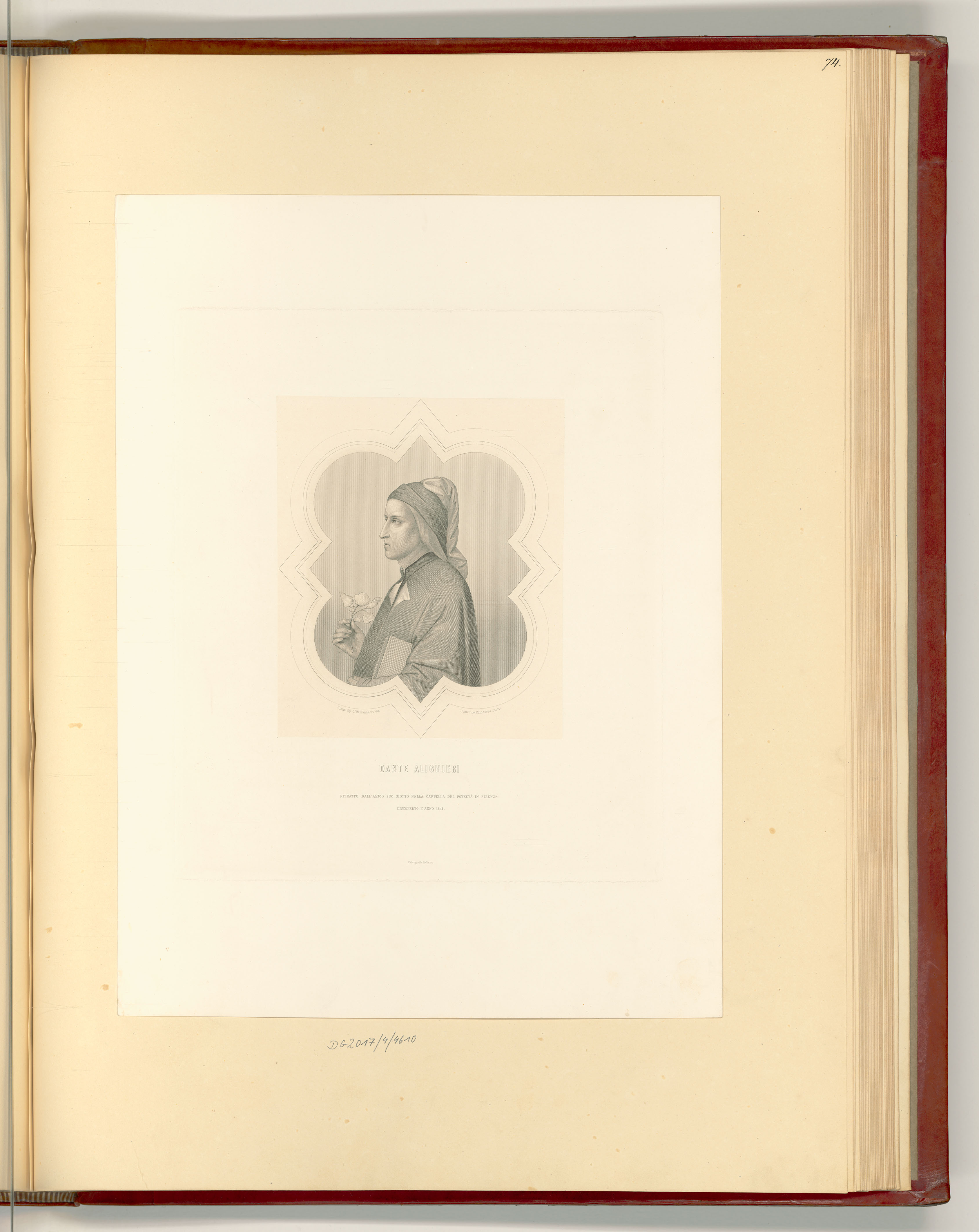 Artifact
Secondary source
1841
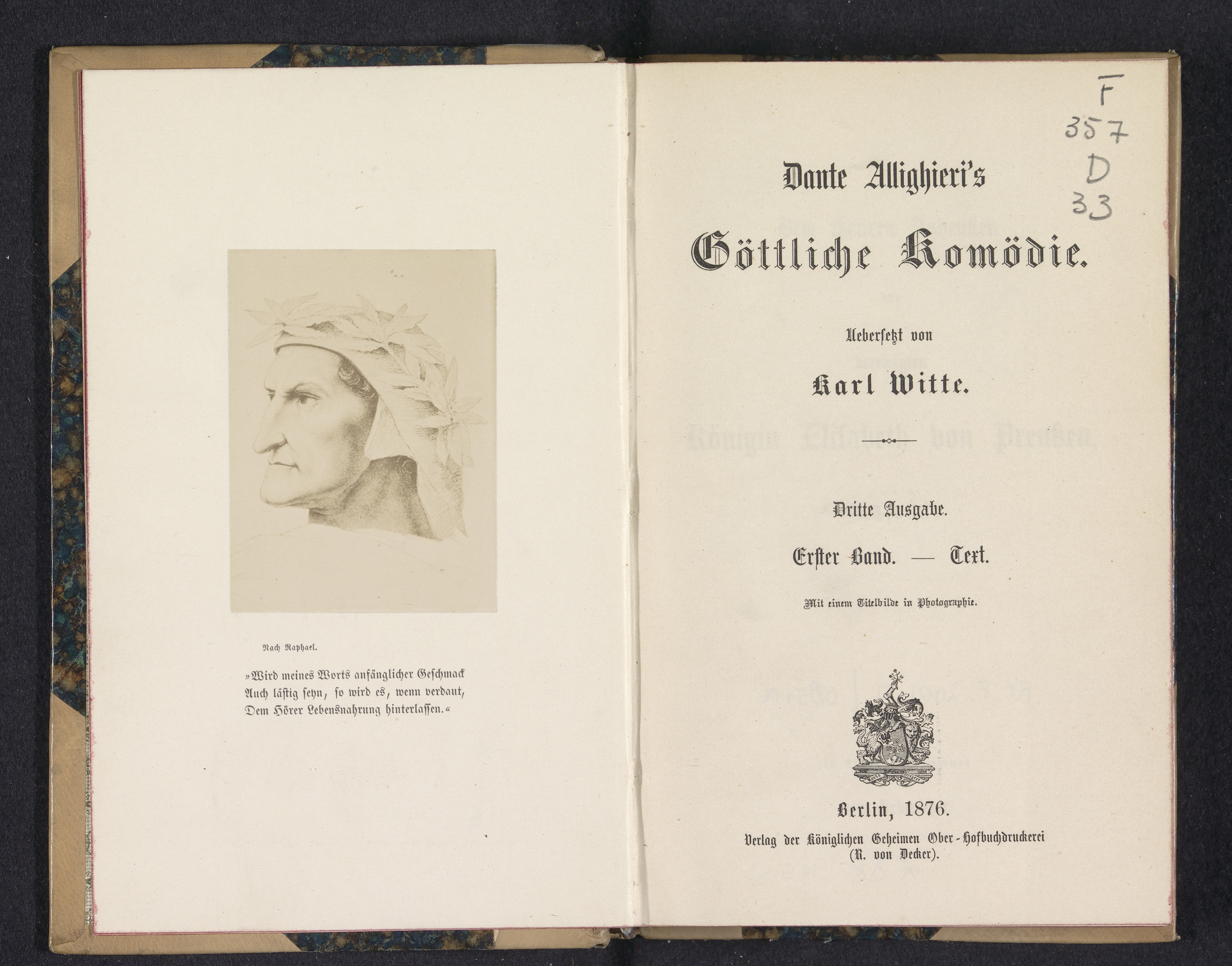 Photograph
Secondary source
1876
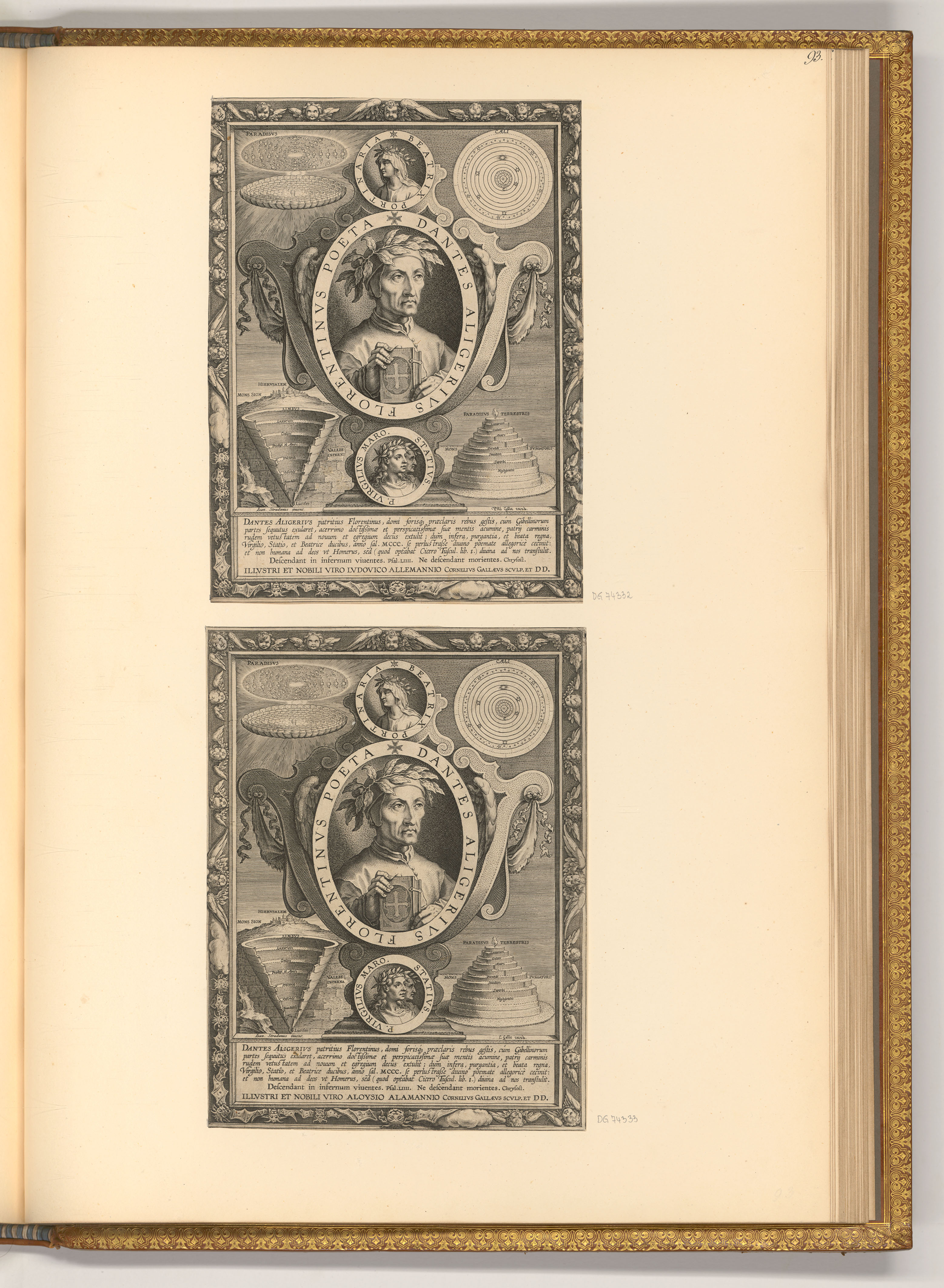 Painting
Secondary source
Cornelis Galleder the Elder
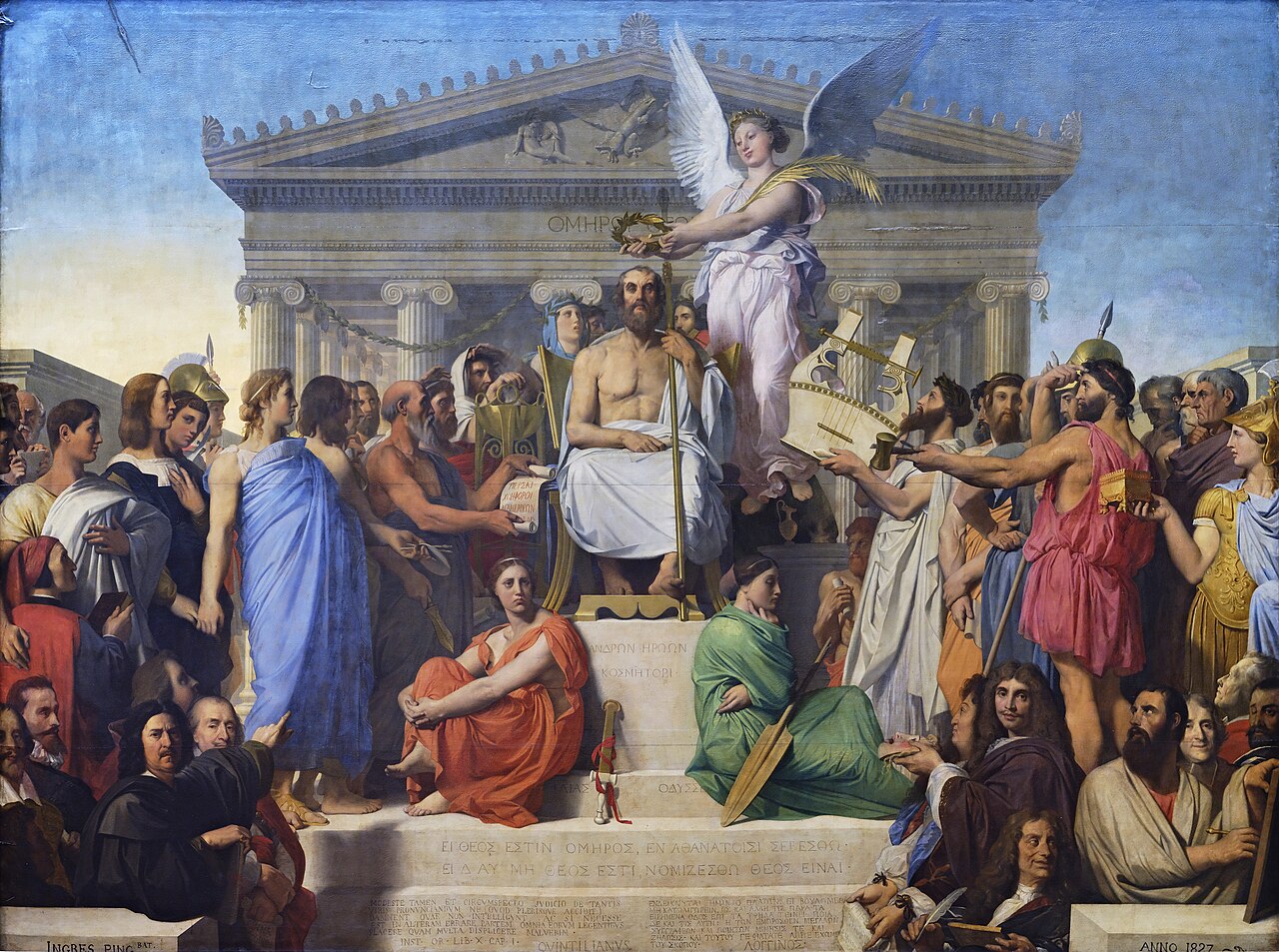 Painting
Secondary source
Jean-Auguste-Dominique Ingres · 1827
Want the full shelf? Chat with Dante Alighieri in the app and open the Sources panel — every quote links back to the original.
1 collection
A ready-made collection from the Humy team that features Dante Alighieri. Preview it, then try it free.
Paying customers



























Dr. Michael Calvert
Assistant Superintendent, South Allegheny School District, Pennsylvania
Been using Humy in his district since 2024
“We enjoyed the program last year and used it frequently.”

Jacob Chisom
World and American History, Monticello High School, Arkansas
Been using Humy in his classroom since 2024
“My students say it’s a welcome change of pace. I’m not a fan of the “sage on the stage” model, so I try to incorporate research-oriented and self-paced activities. With Humy, students have to take charge of their learning. They’ve become more adept at critical thinking, forming better questions, and improving their reading comprehension. The interview feature has been my go-to tool. I create assignments where students must ask historical figures a set number of questions, then summarize the responses to ensure they’re truly absorbing the material. This approach lets them actively explore the past rather than passively consuming information.”
Roger Campbell
7th-grade World History, Lancaster County, Pennsylvania
Been using Humy in his classroom since 2024
“Humy has helped me bring historical figures, sometimes long past, to life. When my students interact with these figures in real-time, it eliminates some of the perceived “ancient” characteristics of my curriculum. This has shifted my students’ thinking away from viewing history as abstract or irrelevant. Real-time interactions make historical figures relatable, even allowing students to ask off-topic questions that help put historical lives in a more relevant context for 13-year-olds. The feature I use the most is the interview feature. After teaching a topic, most recently Gandhi and Joan of Arc, I have the students ask pointed, focused questions. We practice good conversation techniques beforehand, teaching them to listen (or read) carefully and formulate thoughtful follow-up questions rather than just interrogating. It helps students practice effective conversation skills.”
Dr. Michael Calvert
Assistant Superintendent, South Allegheny School District, Pennsylvania
Been using Humy in his district since 2024
“We enjoyed the program last year and used it frequently.”
Jacob Chisom
World and American History, Monticello High School, Arkansas
Been using Humy in his classroom since 2024
“My students say it’s a welcome change of pace. I’m not a fan of the “sage on the stage” model, so I try to incorporate research-oriented and self-paced activities. With Humy, students have to take charge of their learning. They’ve become more adept at critical thinking, forming better questions, and improving their reading comprehension. The interview feature has been my go-to tool. I create assignments where students must ask historical figures a set number of questions, then summarize the responses to ensure they’re truly absorbing the material. This approach lets them actively explore the past rather than passively consuming information.”
Roger Campbell
7th-grade World History, Lancaster County, Pennsylvania
Been using Humy in his classroom since 2024
“Humy has helped me bring historical figures, sometimes long past, to life. When my students interact with these figures in real-time, it eliminates some of the perceived “ancient” characteristics of my curriculum. This has shifted my students’ thinking away from viewing history as abstract or irrelevant. Real-time interactions make historical figures relatable, even allowing students to ask off-topic questions that help put historical lives in a more relevant context for 13-year-olds. The feature I use the most is the interview feature. After teaching a topic, most recently Gandhi and Joan of Arc, I have the students ask pointed, focused questions. We practice good conversation techniques beforehand, teaching them to listen (or read) carefully and formulate thoughtful follow-up questions rather than just interrogating. It helps students practice effective conversation skills.”
FAQ
Like any LLM, the AI version of Dante Alighieri can get details wrong. Open one of these sources in a new tab to verify what you’ve read.

Influential theologian and philosopher in early Christianity.

Powerful medieval queen and influential figure in European politics.

Author of "The Canterbury Tales" and considered the father of English literature.

Caliph during the Islamic Golden Age.

Byzantine emperor known for his legal reforms and re-conquest of former Roman territories.

Queen of Castile and patron of Christopher Columbus.
Ready when you are
20 messages free · No credit card · Available in 50+ languages.