


Secondary sourcePainting1761
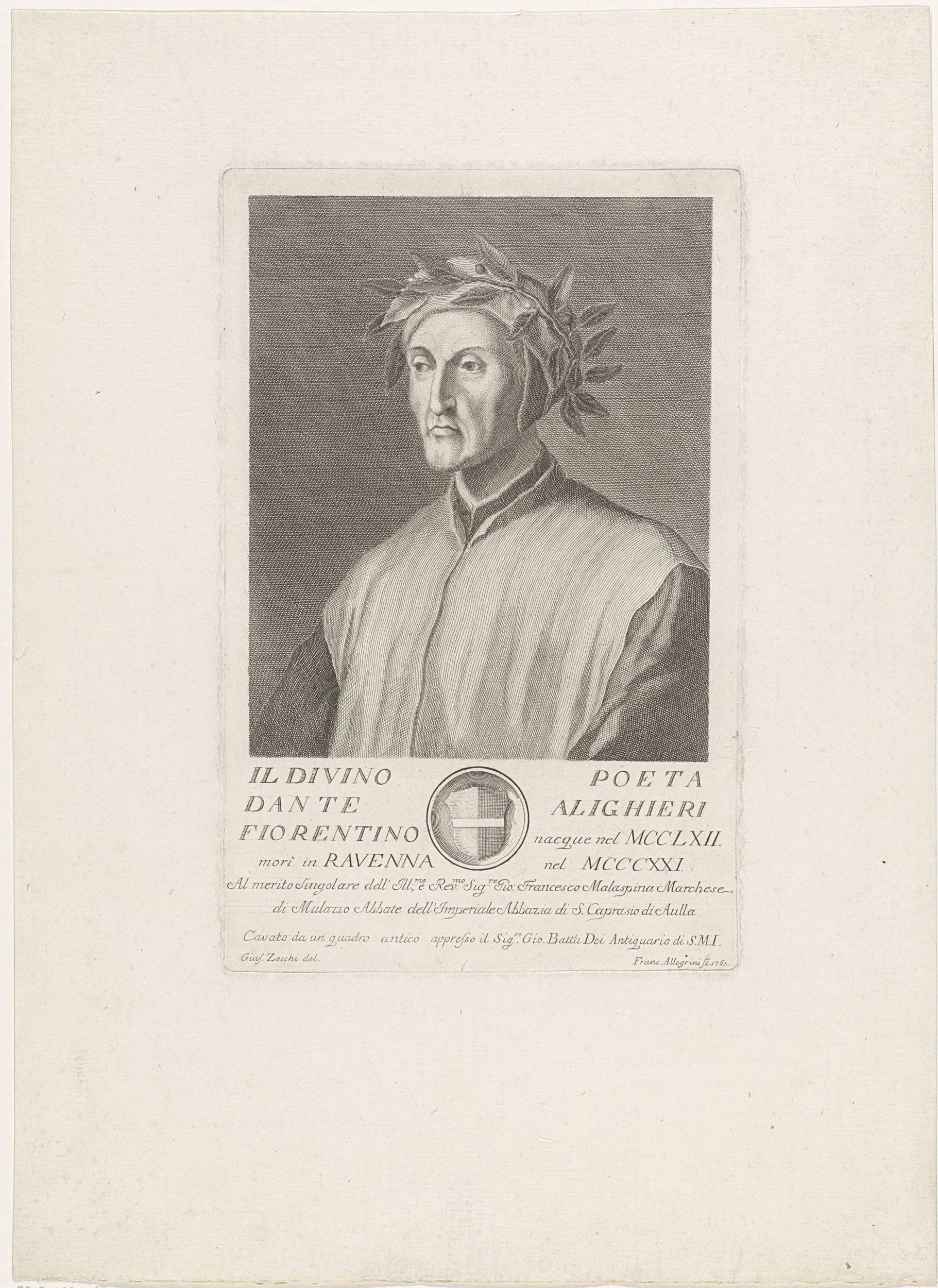
Portrait of Dante Alighieri with laurel wreath, 1761 print
1761
A 1761 engraved portrait of Dante in a laurel wreath, with Italian inscriptions and a coat of arms below. It is held by the Rijksmuseum.
Shows how an 18th-century print honored Dante as a laureate poet, which is why it appears in his archive.
About this source
What it is
This is an engraved portrait print dated 1761 and held by the Rijksmuseum. It shows Dante in profile-turned three-quarter view, wearing a laurel wreath and a high-collared garment, against a hatched dark background. Below the portrait are italic inscriptions in Italian, a circular coat of arms at the center, and a dedication line. The collection record describes Dante as a poet with a laurel wreath on his head.
Why it matters
In the 1700s, Dante was often honored as a great national poet of Italy. Portraits like this one, with Italian inscriptions and coats of arms, made his image part of the cultural honor given to writers. The print shows how Dante was remembered in the eighteenth century, several hundred years after he wrote the Divine Comedy.
Look closer
- What do the laurel wreath and the coat of arms suggest about how this portrait was meant to be read?
- Why might the printmaker have chosen Italian for the inscriptions?
- What does this portrait leave out about Dante's life and his experiences in exile?
This painting is part of the curated material that grounds the AI version of Dante Alighieri on Humy.ai — when students ask about related events, the AI can quote it and cite it.
More Dante Alighieri sources
Meet the AI Dante Alighieri →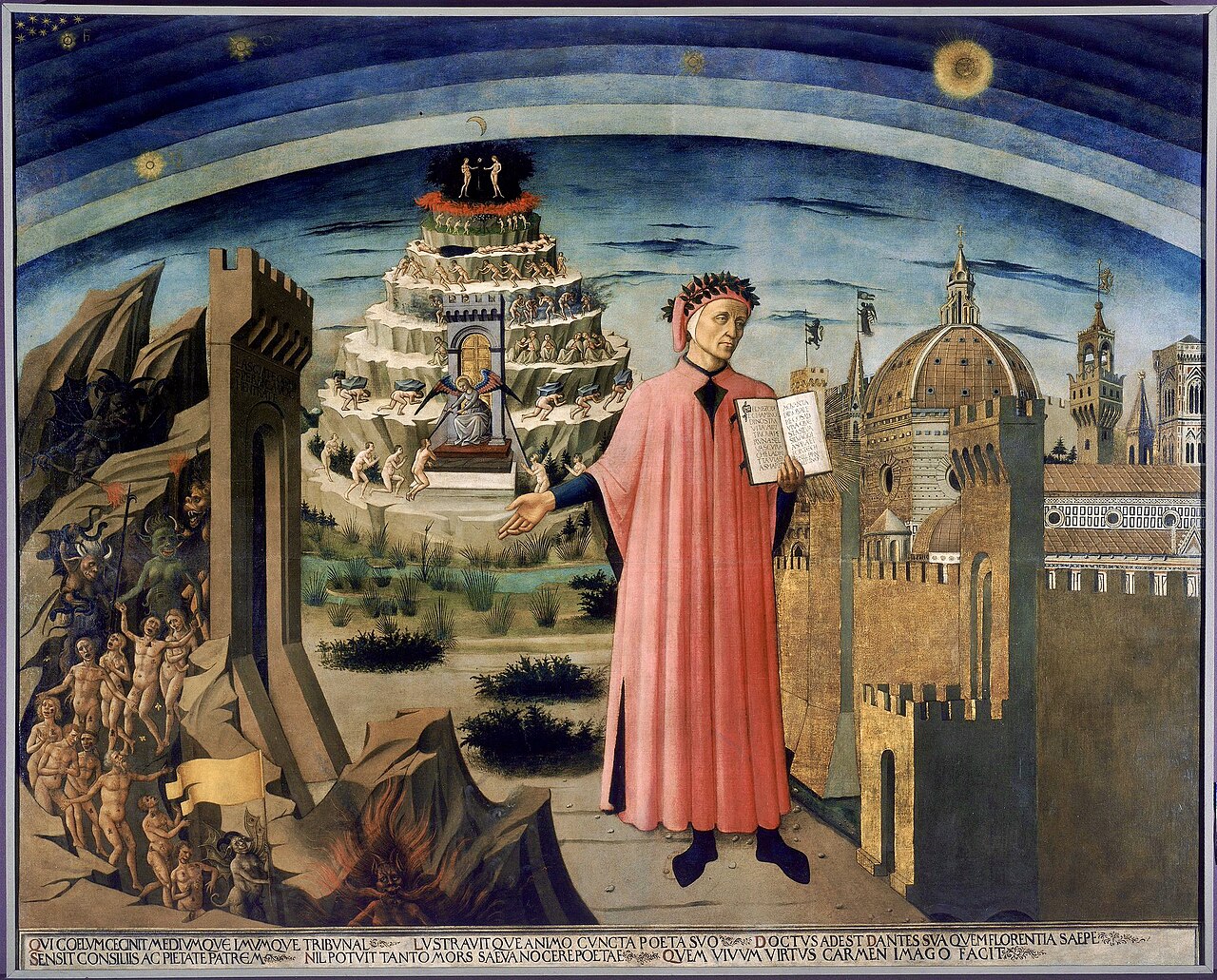 Book
Secondary source
The Divine Comedy
Dante Alighieri · 1320
 Book
Primary source
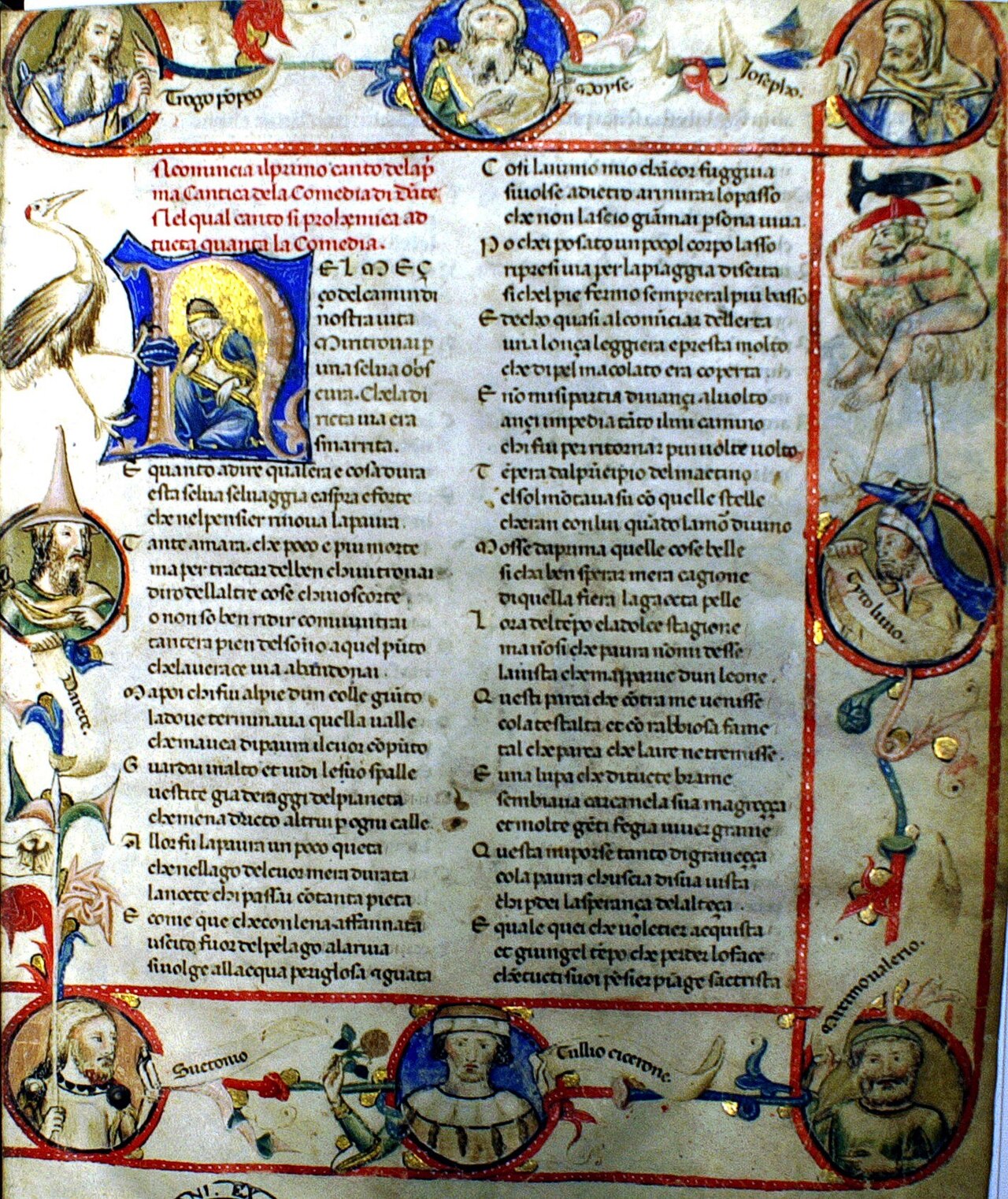
Inferno
Dante Alighieri · c. 1306–1310
 Book
Primary source
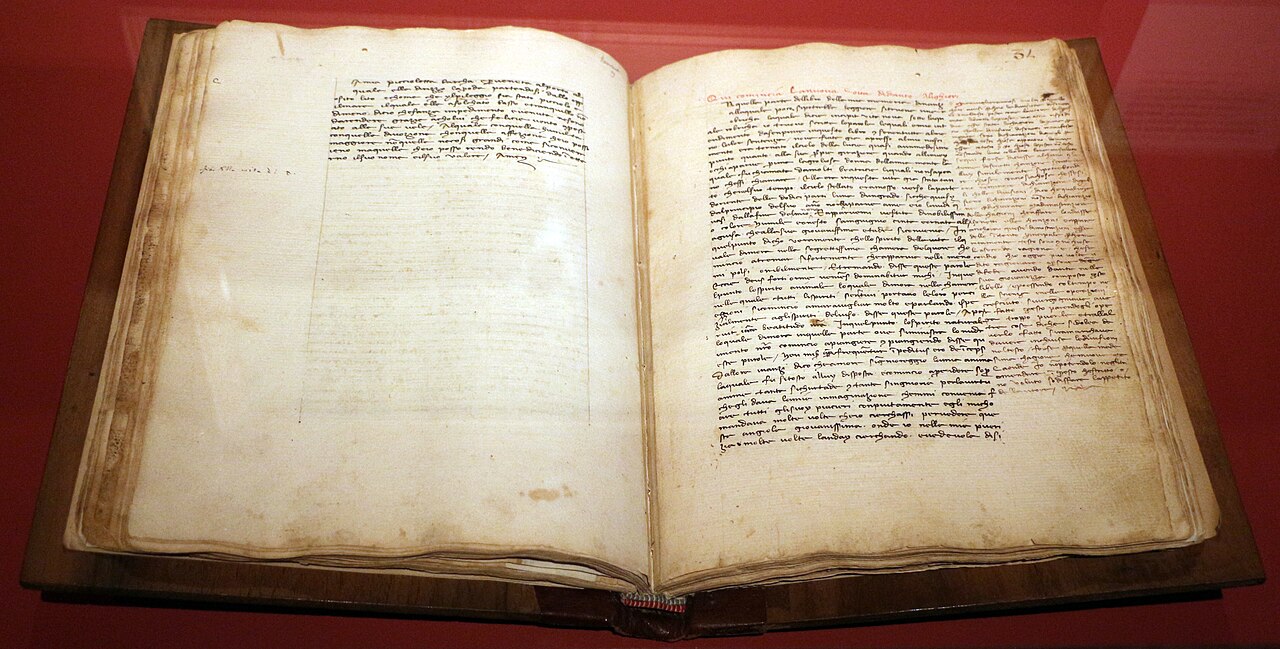
Vita Nuova
Dante Alighieri · before 1294
 Book
Primary source
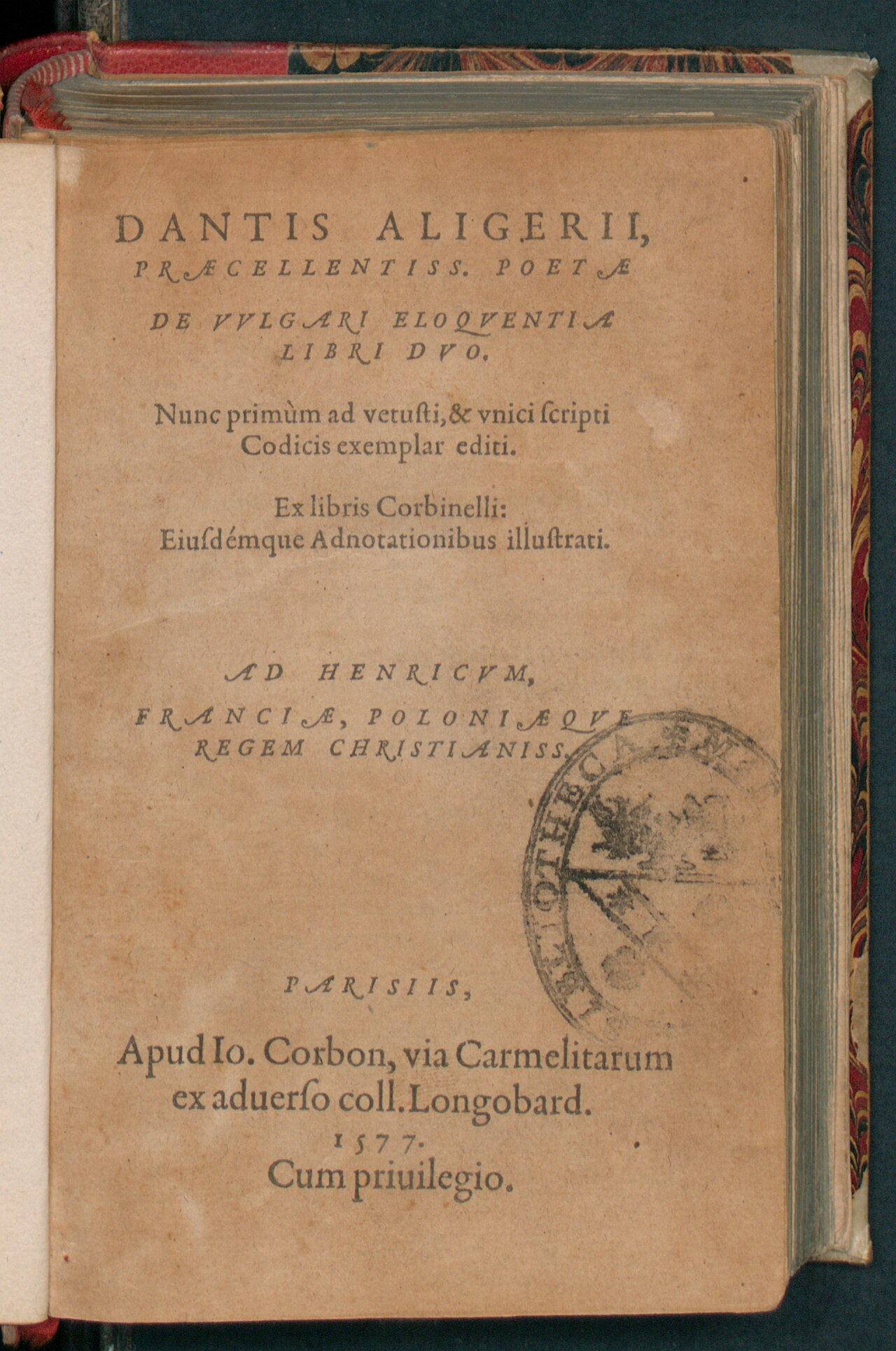
De vulgari eloquentia
Dante Alighieri · c. 1302–1305
 Book
Primary source
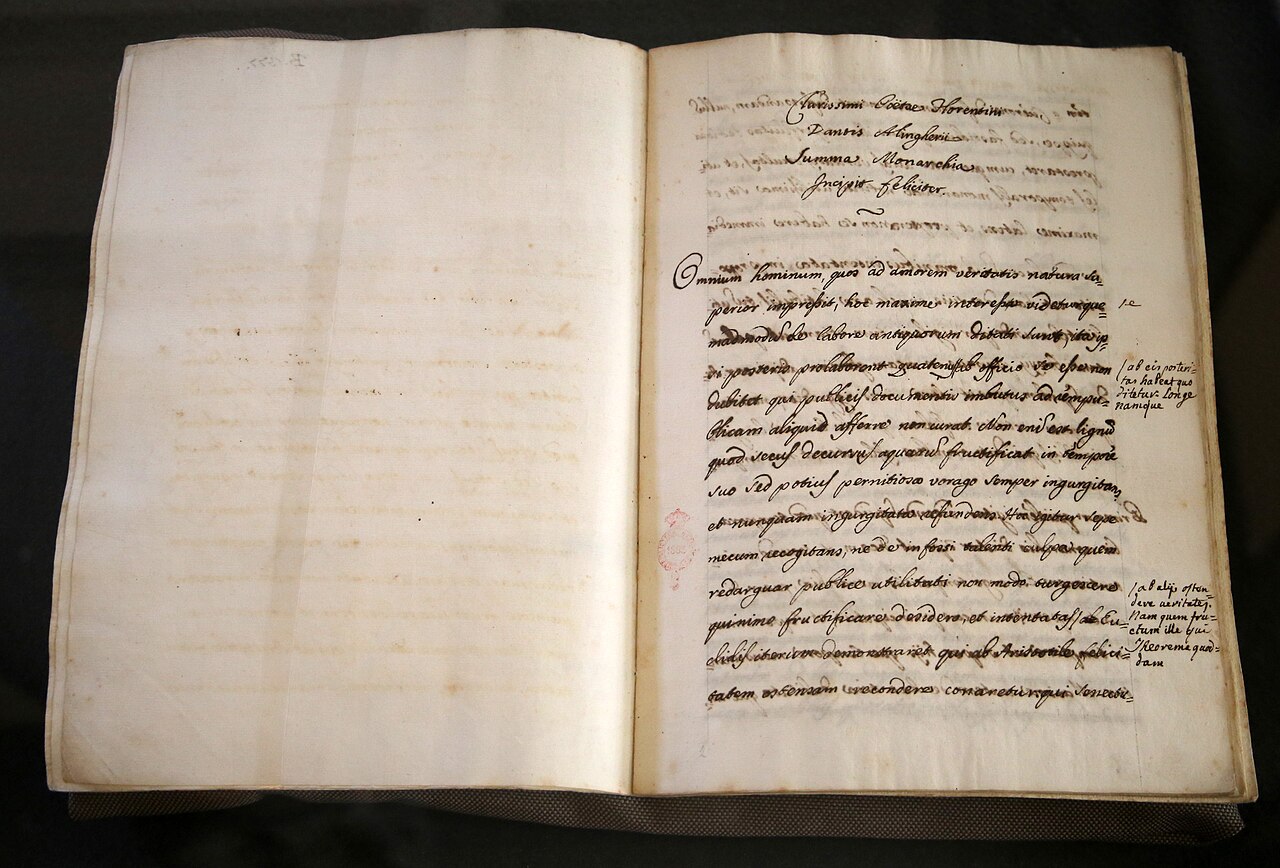
De Monarchia
Dante Alighieri · c. 1312–1313
Ready when you are
Start chatting with Dante Alighieri now.
20 messages free · No credit card · Available in 50+ languages.