


Secondary sourcePainting1843
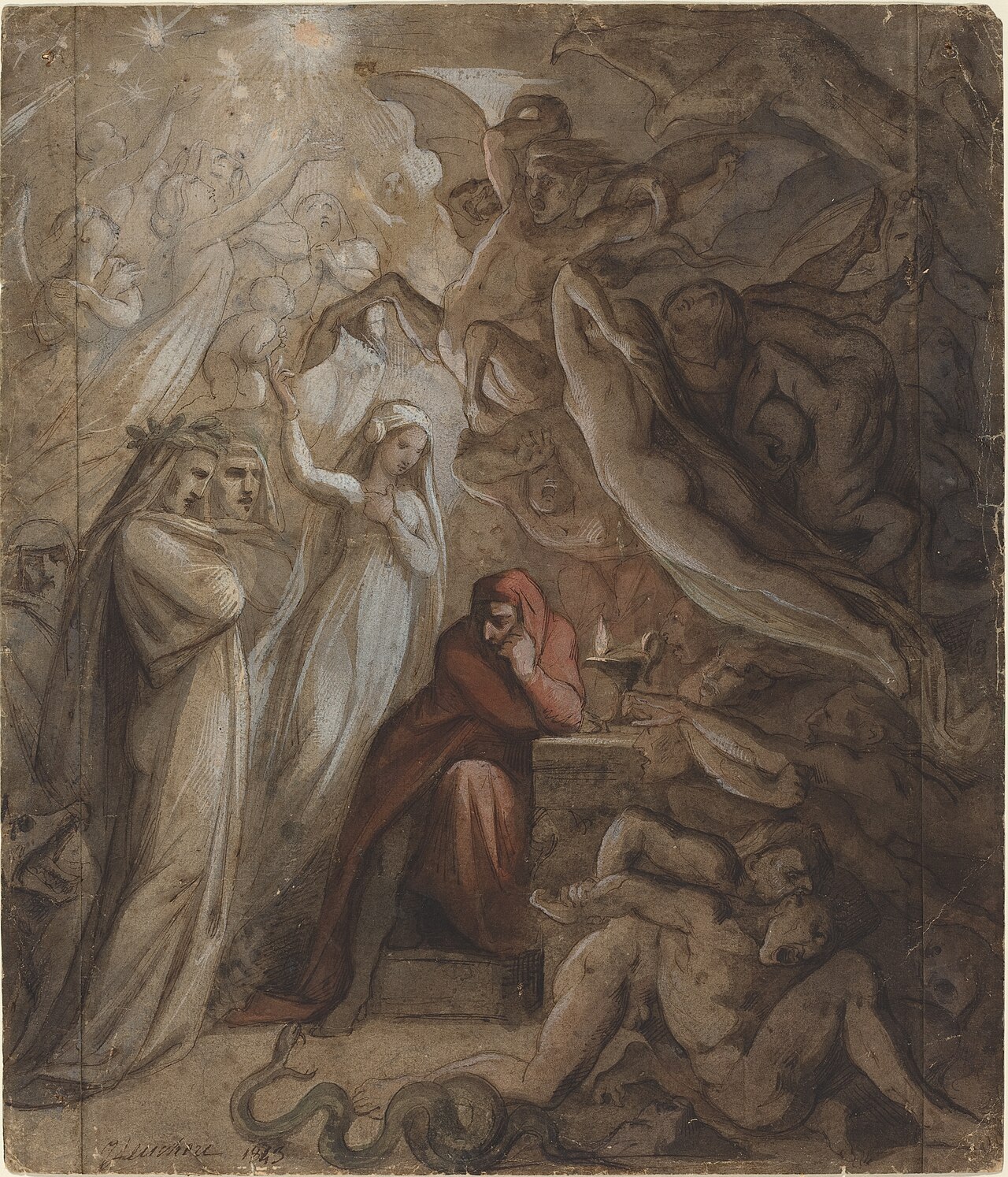
Dante Meditating on the Divine Comedy
Jean-Jacques Feuchère · 1843
A nineteenth-century image by Jean-Jacques Feuchère, dated 1843, showing Dante at work on his poem. It shows how a later artist imagined the poet's creative life.
Shows how a 19th-century artist imagined Dante composing the Divine Comedy, which is why it belongs in his archive.
About this source
What it is
This entry is a work by Jean-Jacques Feuchère, dated 1843. The catalogue record calls it a sculpture, but the media description shows a brown ink and wash drawing. It shows a seated, cloaked Dante with his head resting on his hand, beside a lamp on a stone pedestal. A veiled woman in white points upward, and ghostly figures and tormented bodies fill the dark background. A signature and the date appear at the bottom left. The record places the work in the 19th century, and the image note says it includes nude figures in tormented poses from the Inferno scene.
Why it matters
Dante wrote the Divine Comedy in the early 1300s. Feuchère made this image about five centuries later, so it shows how artists of the 1800s pictured Dante and his imagined journey through Hell. It tells us more about the nineteenth century's view of the poet than about Dante's own life. The work also draws on Dante's own poem, which describes the poet's journey.
Look closer
- What does the lamp, the pedestal and the pointing woman suggest about how the artist wanted viewers to understand Dante's work?
- Why might an artist in 1843 choose to show the poet in a dark room surrounded by suffering figures?
- What does this image leave out about Dante's political life or his exile from Florence?
This painting is part of the curated material that grounds the AI version of Dante Alighieri on Humy.ai — when students ask about related events, the AI can quote it and cite it.
More Dante Alighieri sources
Meet the AI Dante Alighieri →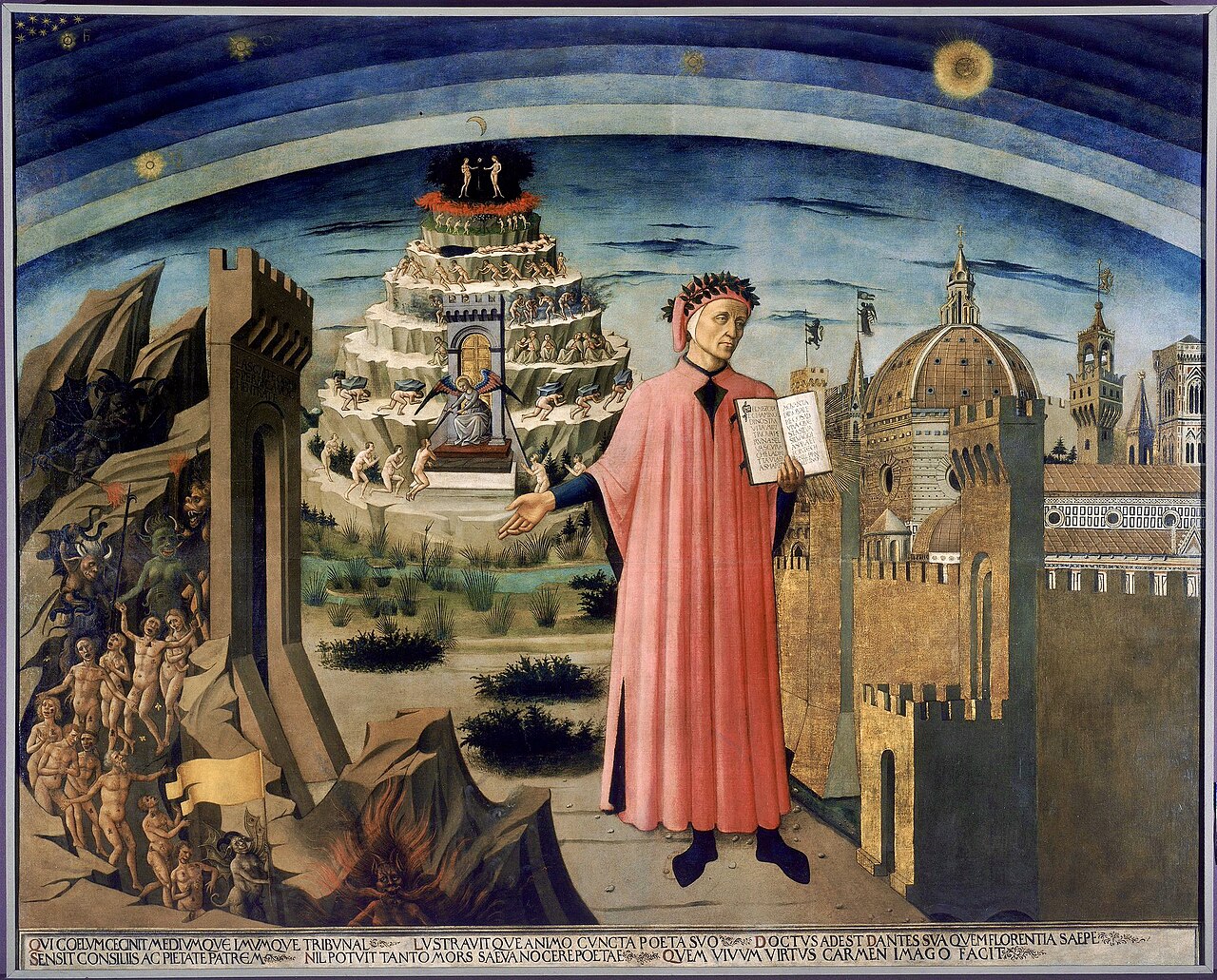 Book
Secondary source
The Divine Comedy
Dante Alighieri · 1320
 Book
Primary source
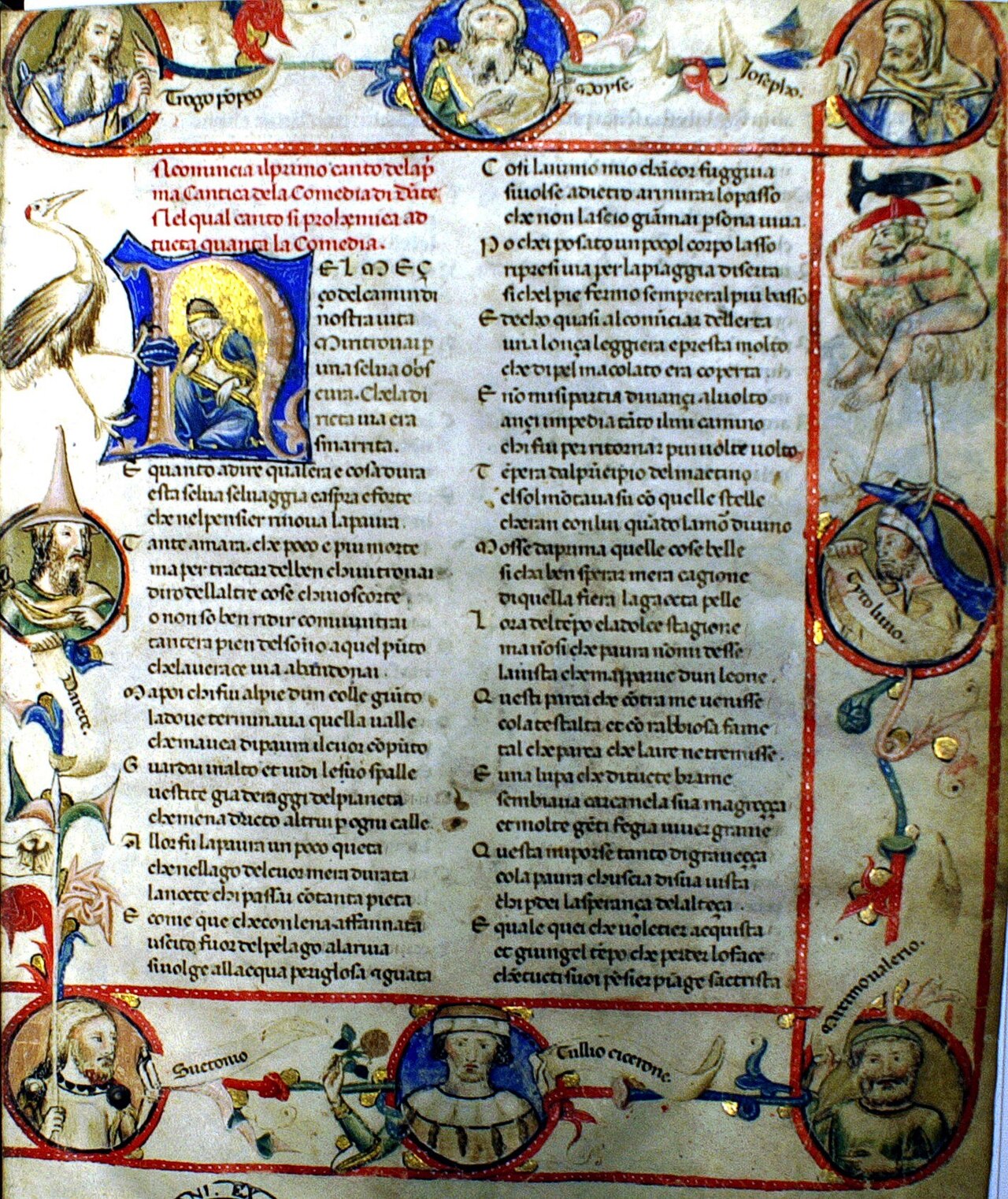
Inferno
Dante Alighieri · c. 1306–1310
 Book
Primary source
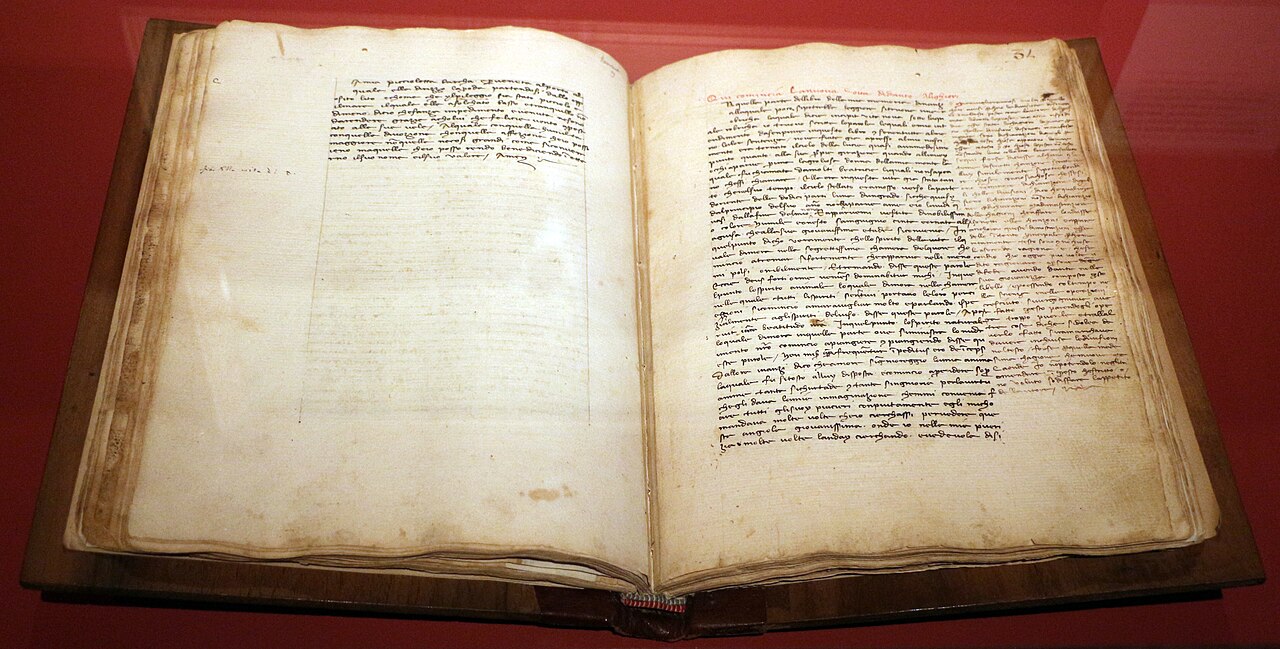
Vita Nuova
Dante Alighieri · before 1294
 Book
Primary source
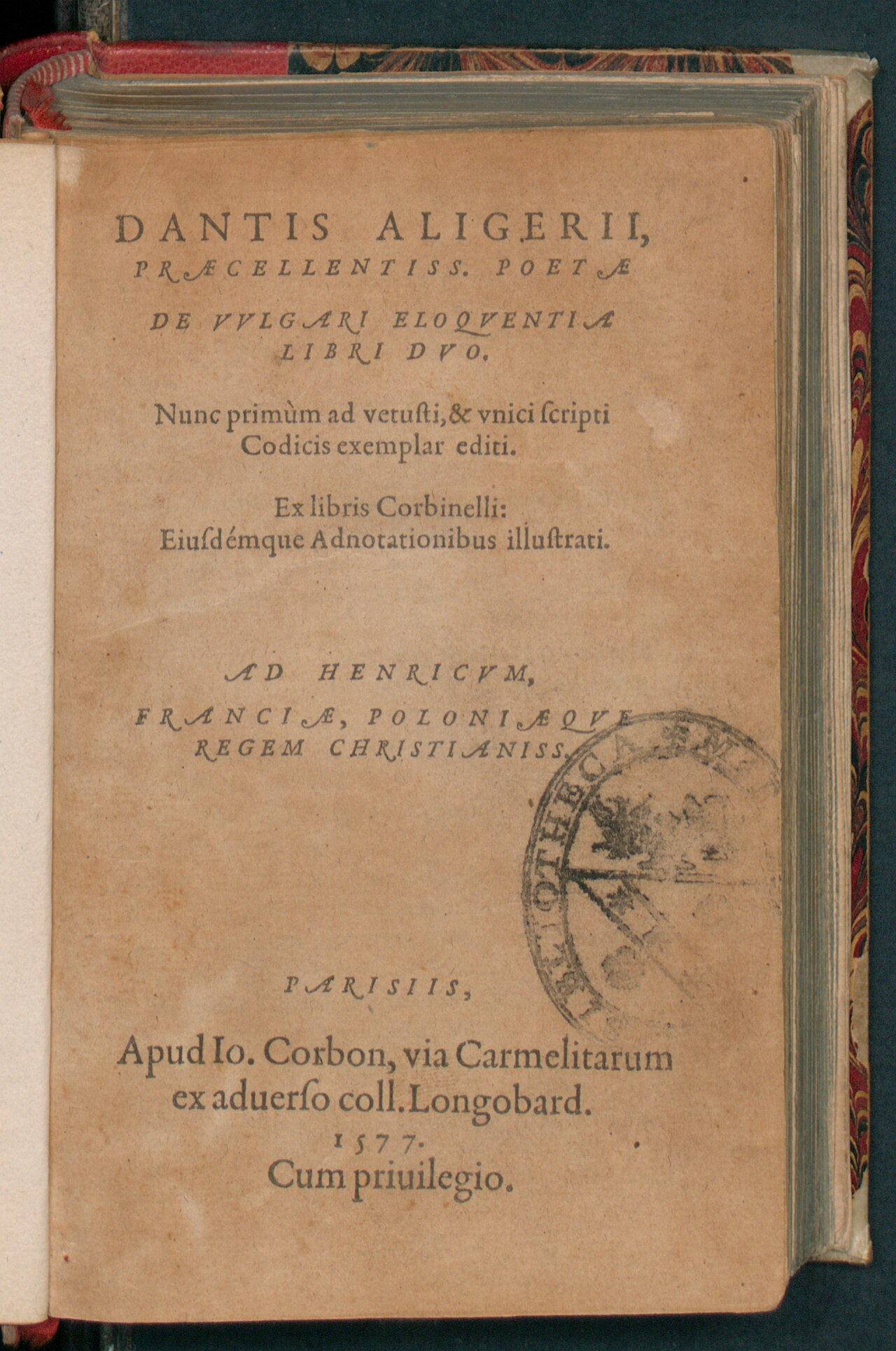
De vulgari eloquentia
Dante Alighieri · c. 1302–1305
 Book
Primary source
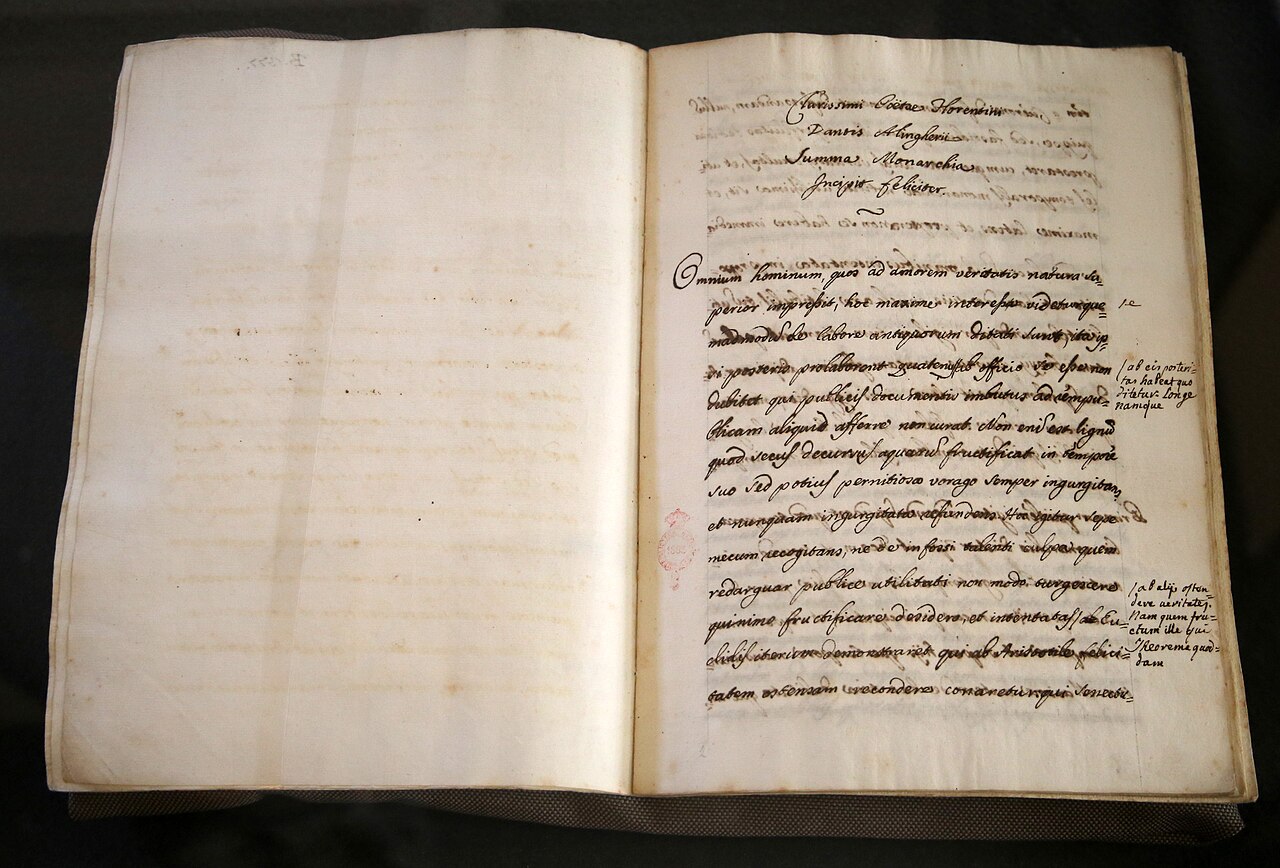
De Monarchia
Dante Alighieri · c. 1312–1313
Ready when you are
Start chatting with Dante Alighieri now.
20 messages free · No credit card · Available in 50+ languages.