


Secondary sourceArtifact
Grave of Dante Alighieri
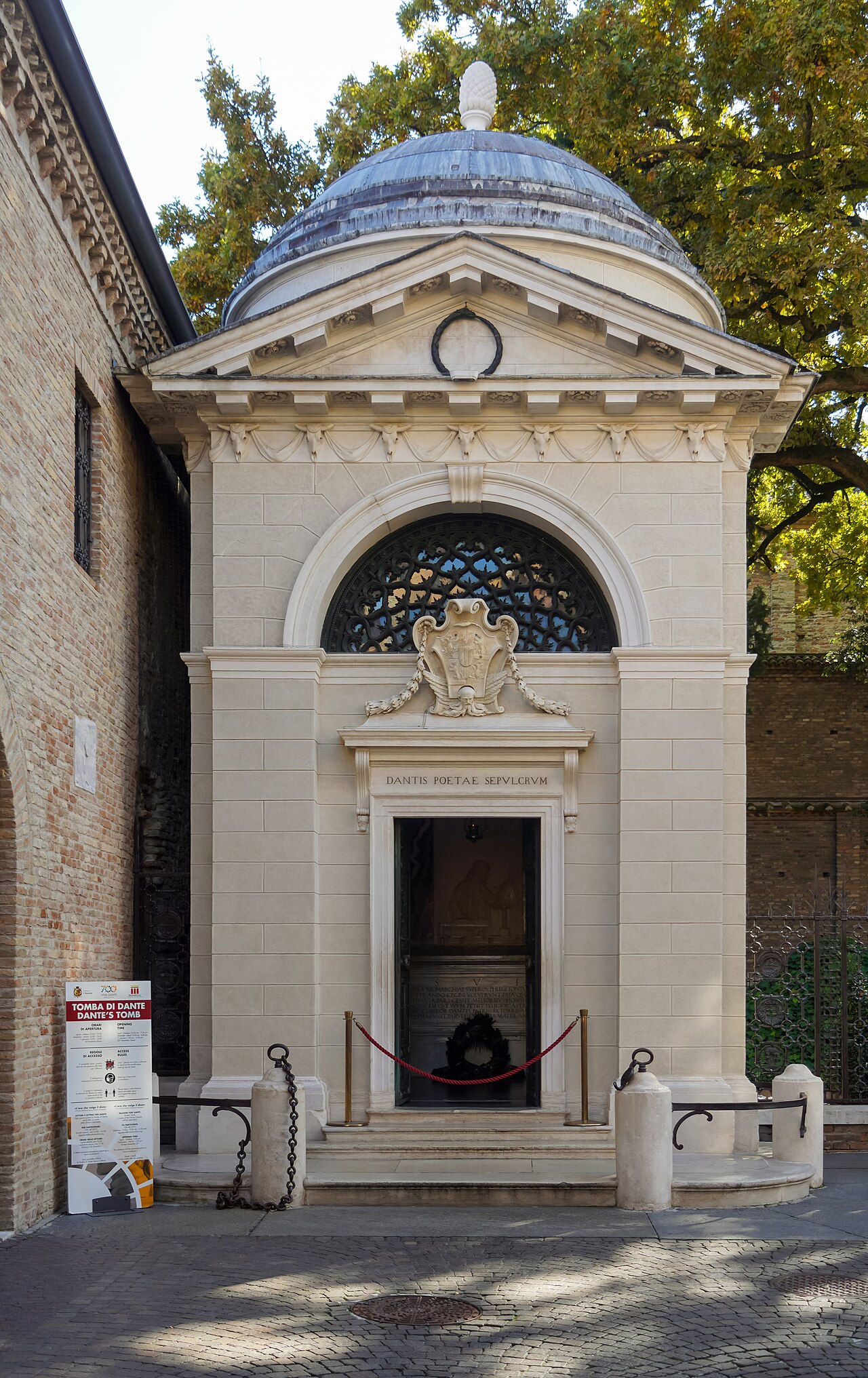
Dante's tomb in Ravenna, the city where he died in exile, which Florence later tried in vain to have returned.
Dante's tomb in Ravenna, the city of his final exile, which Florence could never reclaim.
About this source
What it is
This is the tomb of Dante Alighieri in Ravenna, the city where he spent his final years in exile and where he died. The facade bears the inscription 'DANTIS POETAE SEPULCHRUM' ('the tomb of the poet Dante') above the doorway.
Why it matters
Dante was exiled from his native Florence and never returned, dying in Ravenna instead. Florence later asked, unsuccessfully, for his remains to be returned to the city that had banished him. The tomb stands as a lasting reminder of the exile that shaped the final years of Dante's life and the regret that followed it.
Look closer
- Why might Florence have wanted Dante's remains back, after having exiled him?
- What does the wreath and rope barrier in front of the tomb suggest about how it is treated today?
- What does it mean that one of Italy's most famous poets is buried away from his home city?
This artifact is part of the curated material that grounds the AI version of Dante Alighieri on Humy.ai — when students ask about related events, the AI can quote it and cite it.
More Dante Alighieri sources
Meet the AI Dante Alighieri →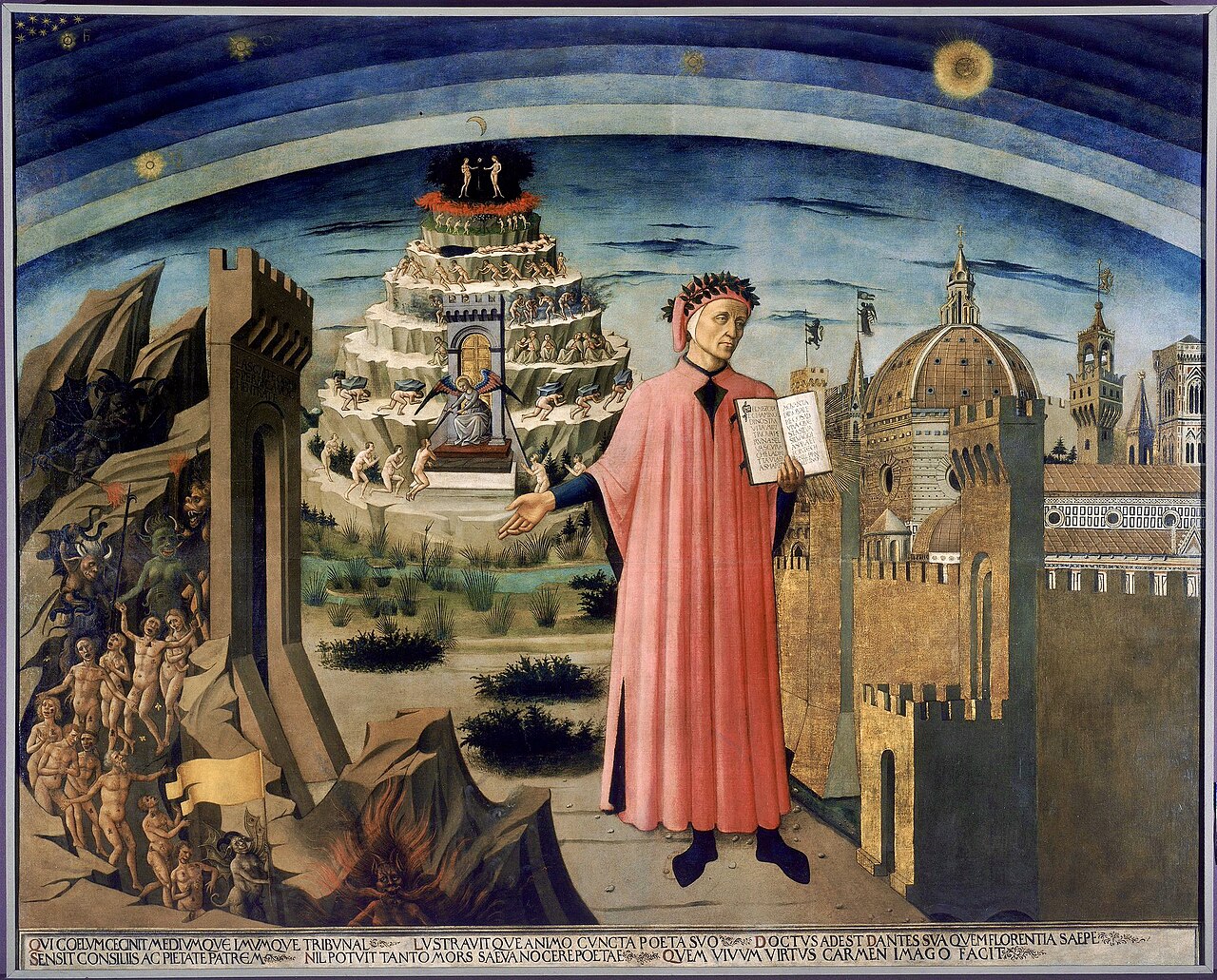 Book
Secondary source
The Divine Comedy
Dante Alighieri · 1320
 Book
Primary source
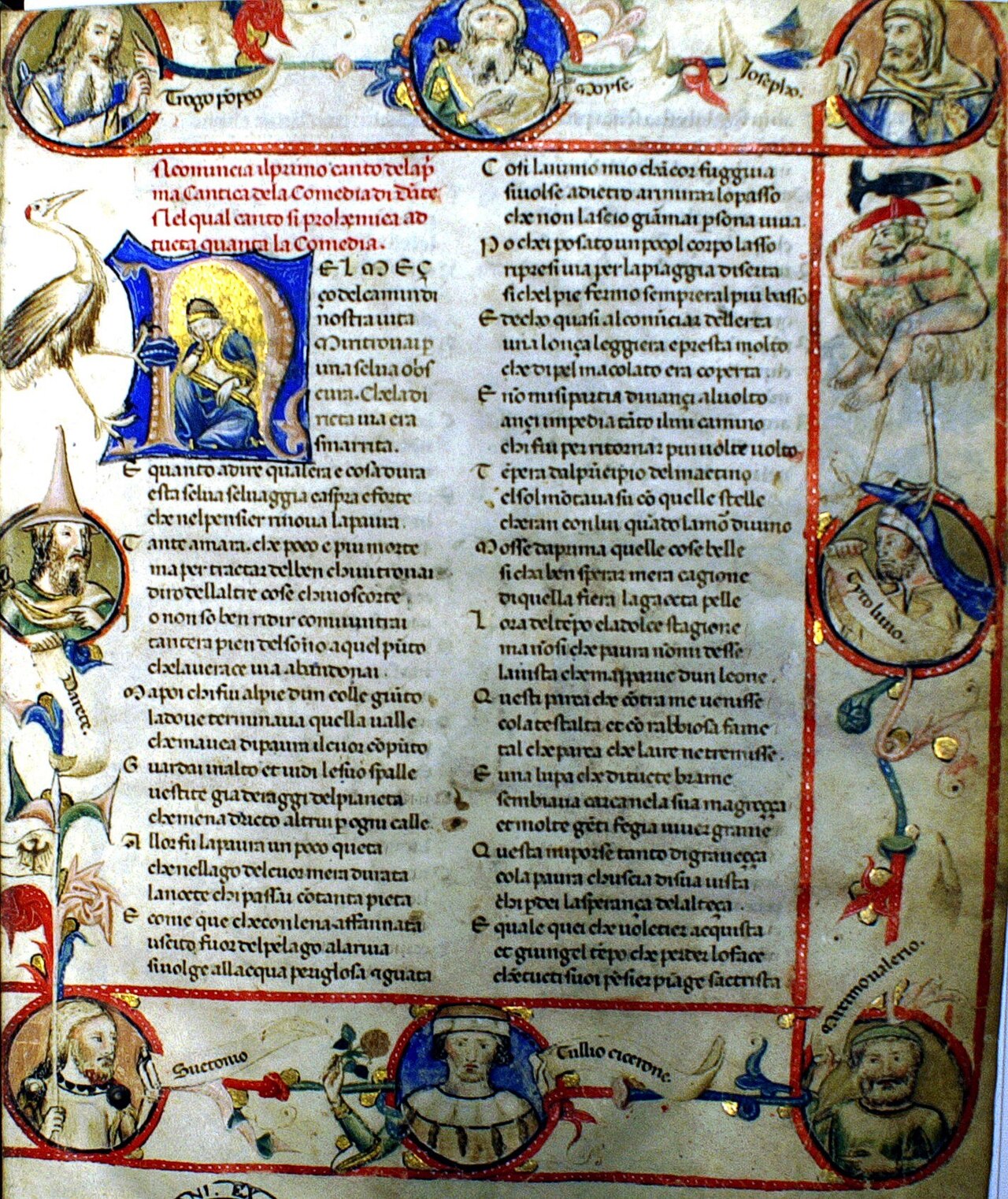
Inferno
Dante Alighieri · c. 1306–1310
 Book
Primary source
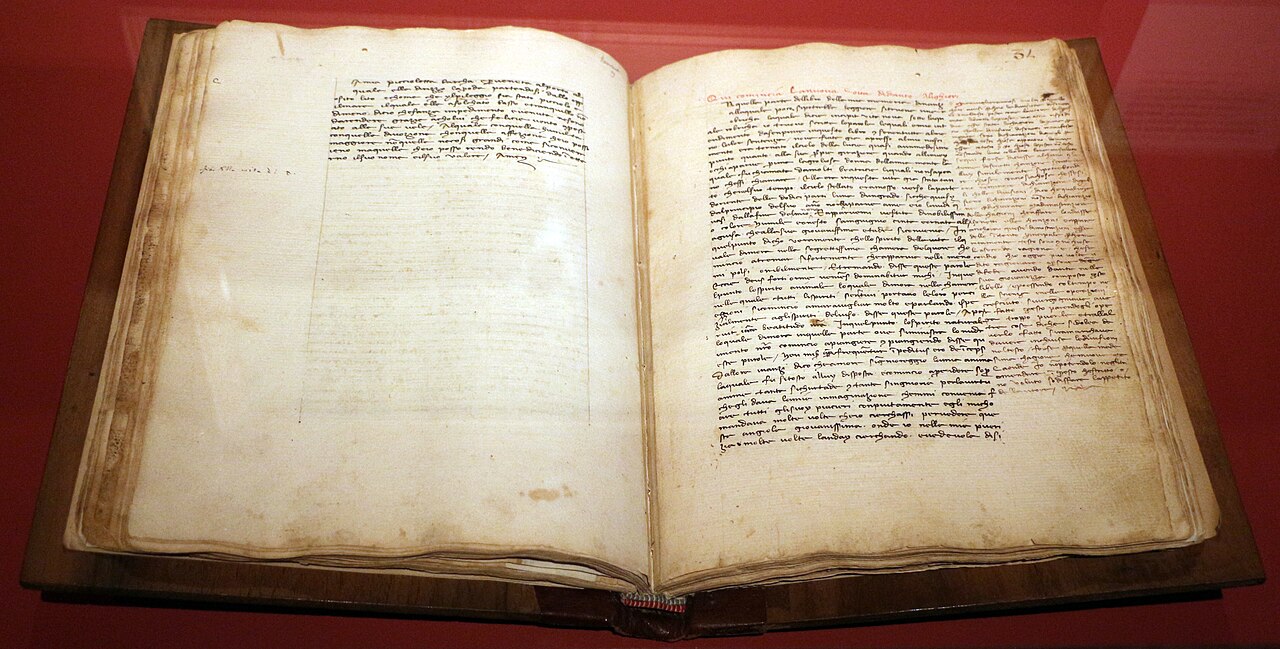
Vita Nuova
Dante Alighieri · before 1294
 Book
Primary source
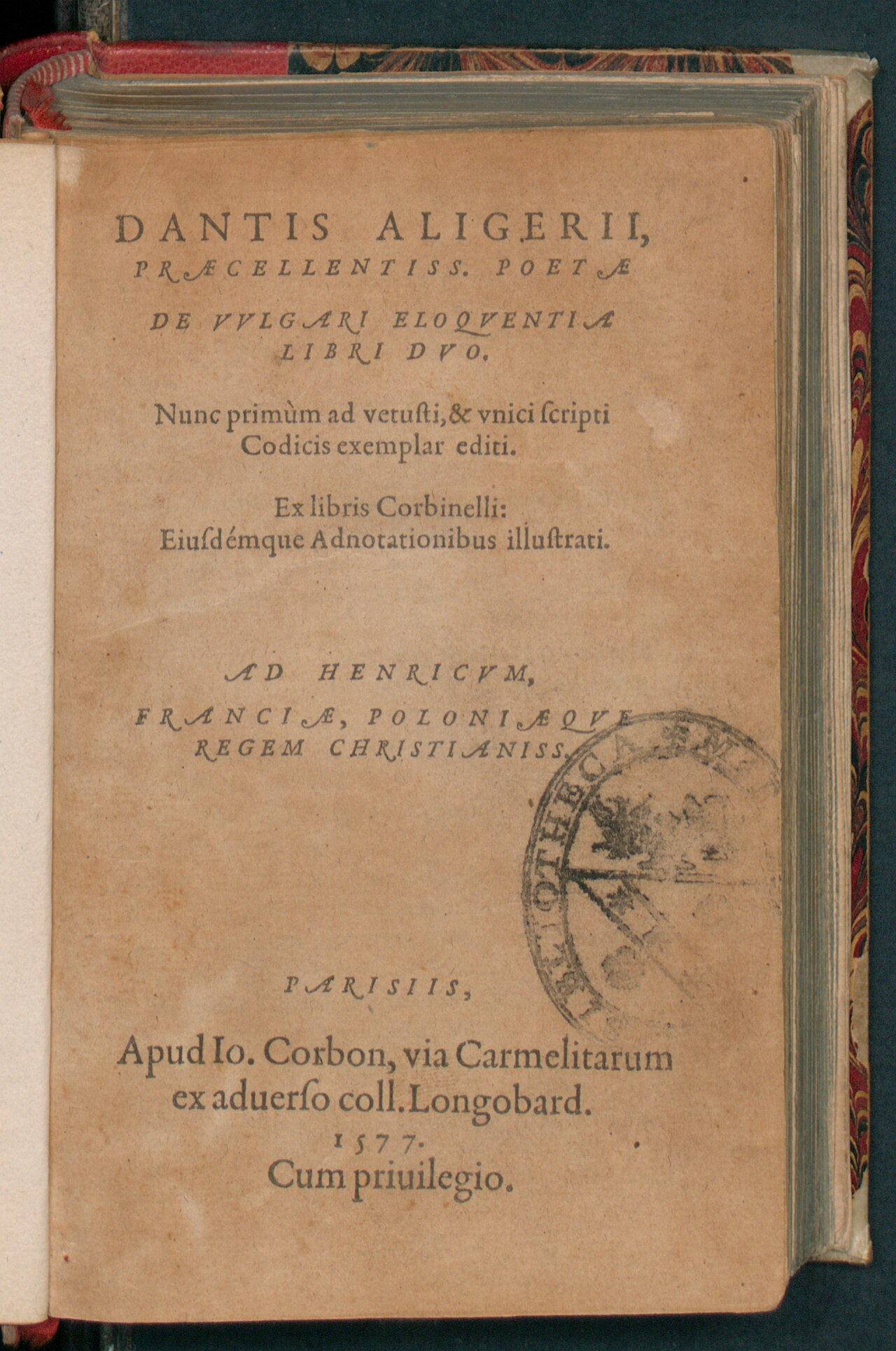
De vulgari eloquentia
Dante Alighieri · c. 1302–1305
 Book
Primary source
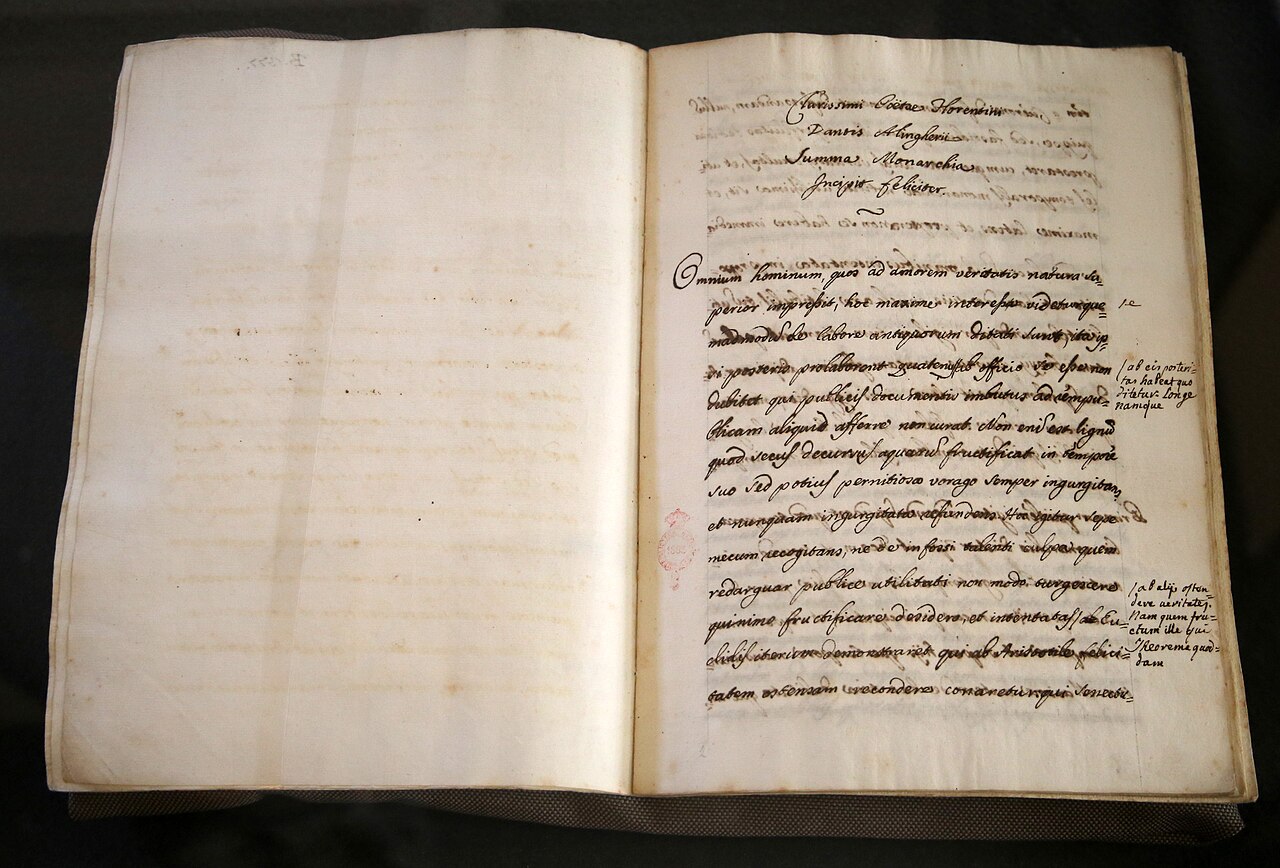
De Monarchia
Dante Alighieri · c. 1312–1313
Ready when you are
Start chatting with Dante Alighieri now.
20 messages free · No credit card · Available in 50+ languages.