


Secondary sourceDocument
Florentine Sentence Condemning Dante to Exile
Francesco Bini
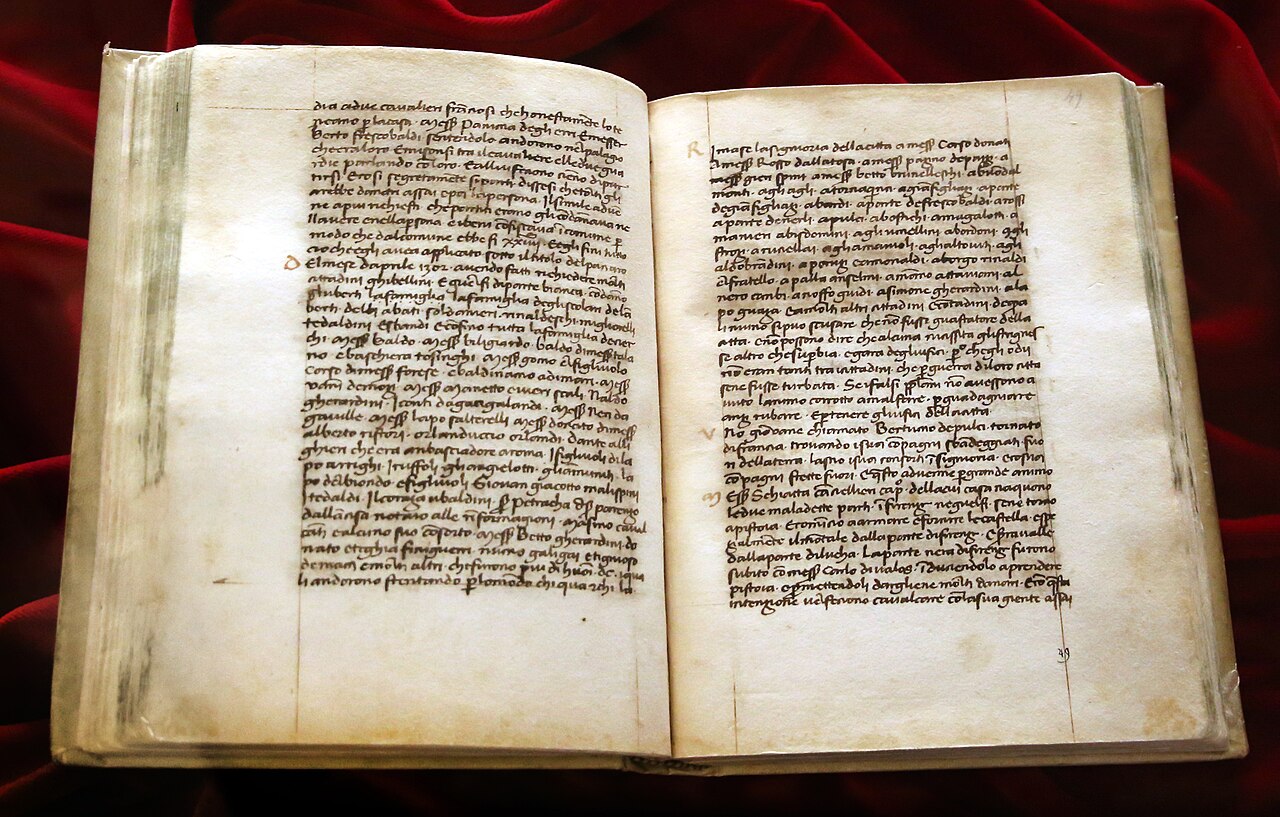
A later manuscript copy of the Florentine decree that exiled Dante Alighieri, documenting his political downfall.
This decree records the political condemnation and exile that defined the second half of Dante's life.
About this source
What it is
This is a later copy of the Florentine decree condemning Dante Alighieri to exile. The copy seen here was made by Francesco Bini and is held at the Biblioteca Medicea Laurenziana. It is written in a gothic-style script on parchment.
Why it matters
The original sentence marked a turning point in Dante's life, forcing him from his native Florence and shaping much of his later writing, including his great works composed in exile. Because this is a copy made later rather than the original document, it shows how important records were preserved and recopied by later scribes for memory and study.
Look closer
- What details in the handwriting or layout suggest this is a careful copy rather than a quick note?
- Why might later generations have wanted to preserve a record of Dante's punishment?
- What does this document leave out about Dante's own feelings or reaction to the sentence?
This document is part of the curated material that grounds the AI version of Dante Alighieri on Humy.ai — when students ask about related events, the AI can quote it and cite it.
More Dante Alighieri sources
Meet the AI Dante Alighieri → Book
Secondary source
The Divine Comedy
Dante Alighieri · 1320
 Book
Primary source
Inferno
Dante Alighieri · c. 1306–1310
 Book
Primary source
Vita Nuova
Dante Alighieri · before 1294
 Book
Primary source
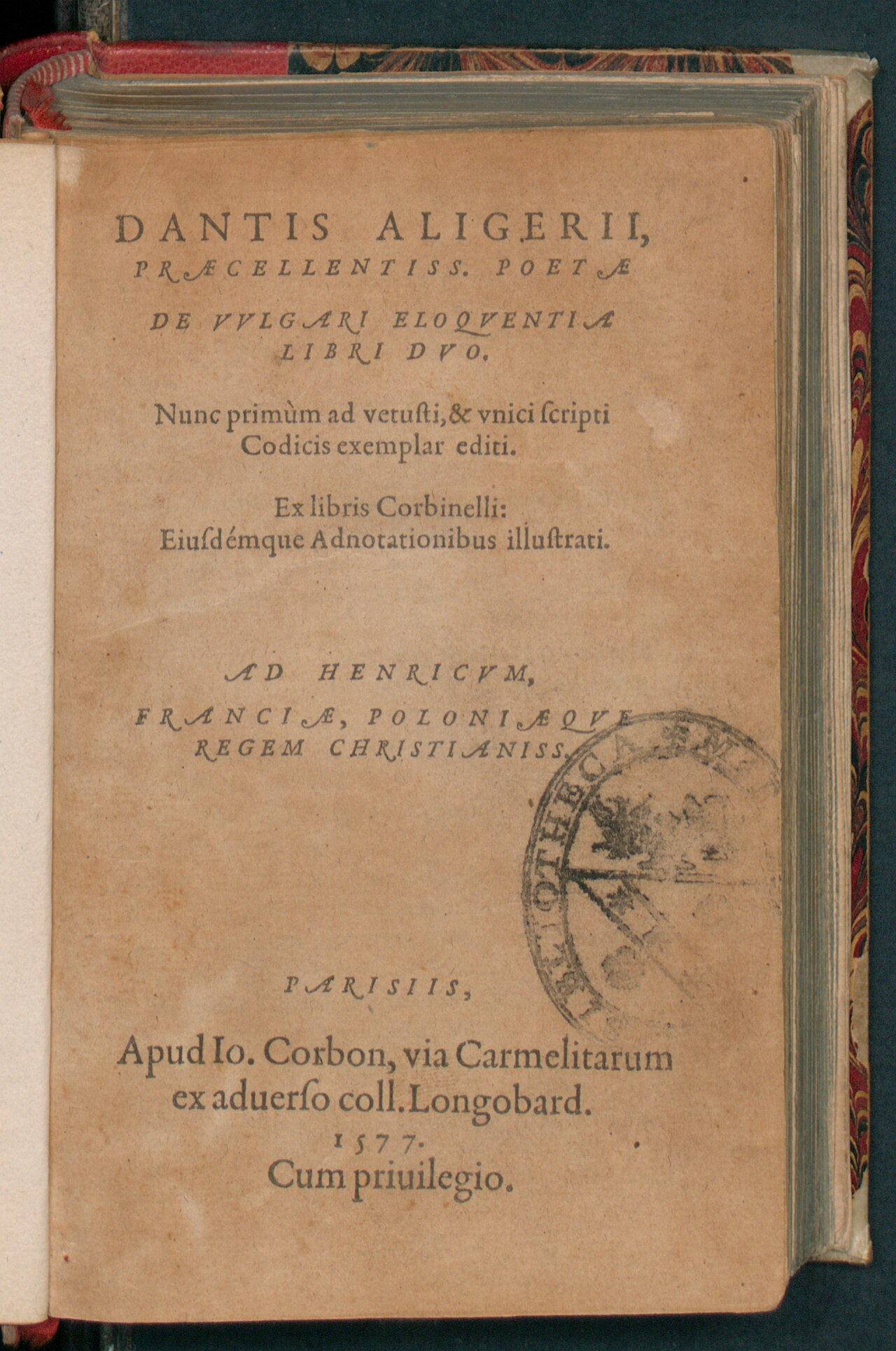
De vulgari eloquentia
Dante Alighieri · c. 1302–1305
 Book
Primary source
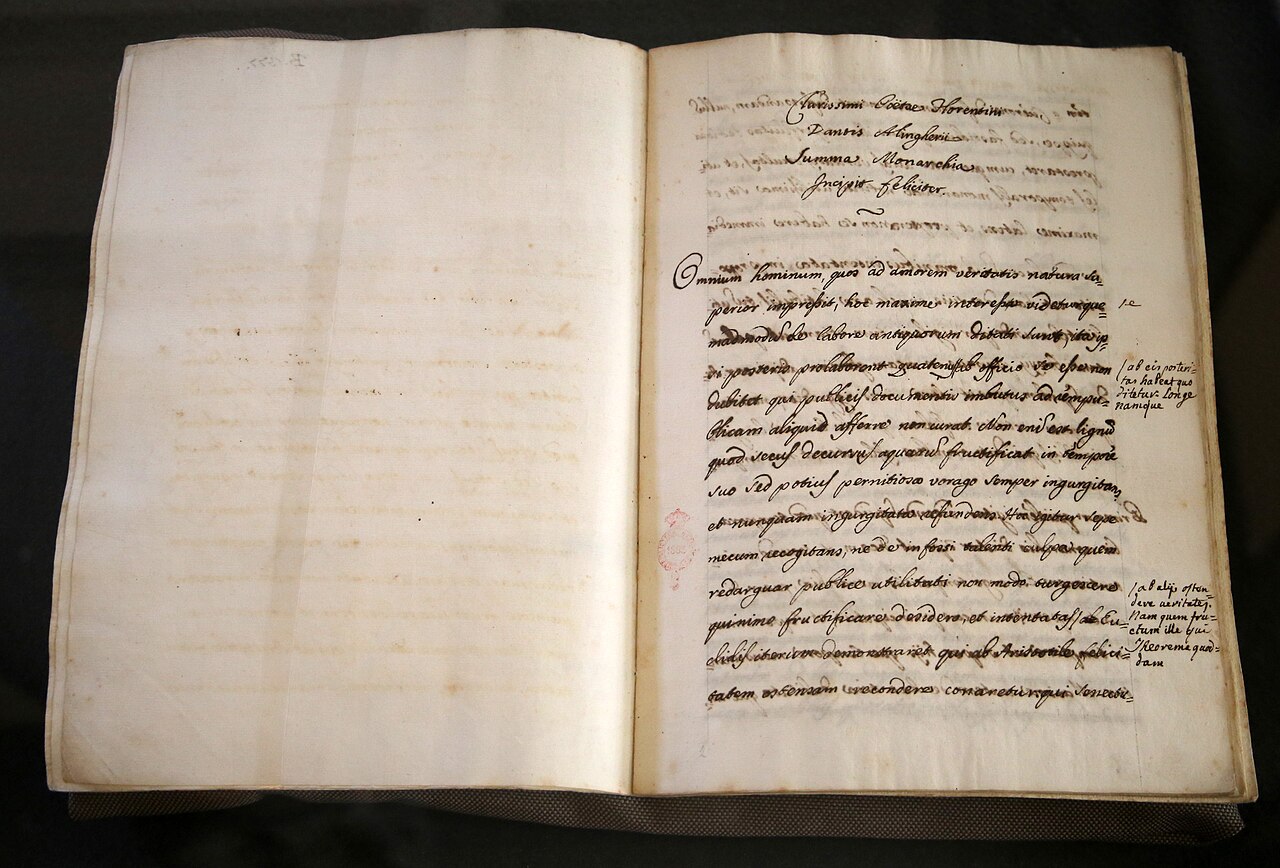
De Monarchia
Dante Alighieri · c. 1312–1313
Ready when you are
Start chatting with Dante Alighieri now.
20 messages free · No credit card · Available in 50+ languages.