


Secondary sourcePainting1500
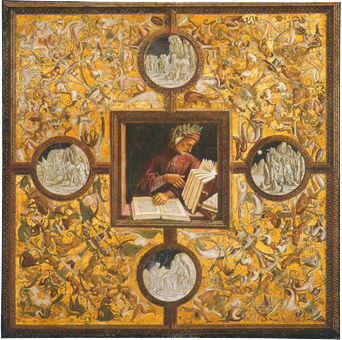
Portrait of Dante Alighieri
Luca Signorelli · 1500
A fresco portrait of Dante by Luca Signorelli in Orvieto, surrounded by scenes linked to his Purgatorio.
This fresco honours Dante by linking his portrait directly to scenes from his own Purgatorio.
About this source
What it is
This fresco portrait of Dante was painted by Luca Signorelli around 1500 in the Cappella di San Brizio in Orvieto. Dante is shown in a red robe and laurel wreath, holding an open book, with a gold background filled with small figures and medallions showing further scenes.
Why it matters
The portrait sits within a chapel decorated with scenes connected to the Last Judgment, and its surrounding grisaille medallions are linked to scenes from Dante's Purgatorio. This placement shows how closely Dante's imagined afterlife had become woven into the religious art of his time, nearly two centuries after his death.
Look closer
- What might the small figures in the gold background represent, and how do they relate to Dante's writing?
- Why might Signorelli have placed Dante's portrait inside a chapel about the Last Judgment?
- What does the open book in Dante's hands suggest about how he wanted to be remembered?
This painting is part of the curated material that grounds the AI version of Dante Alighieri on Humy.ai — when students ask about related events, the AI can quote it and cite it.
More Dante Alighieri sources
Meet the AI Dante Alighieri →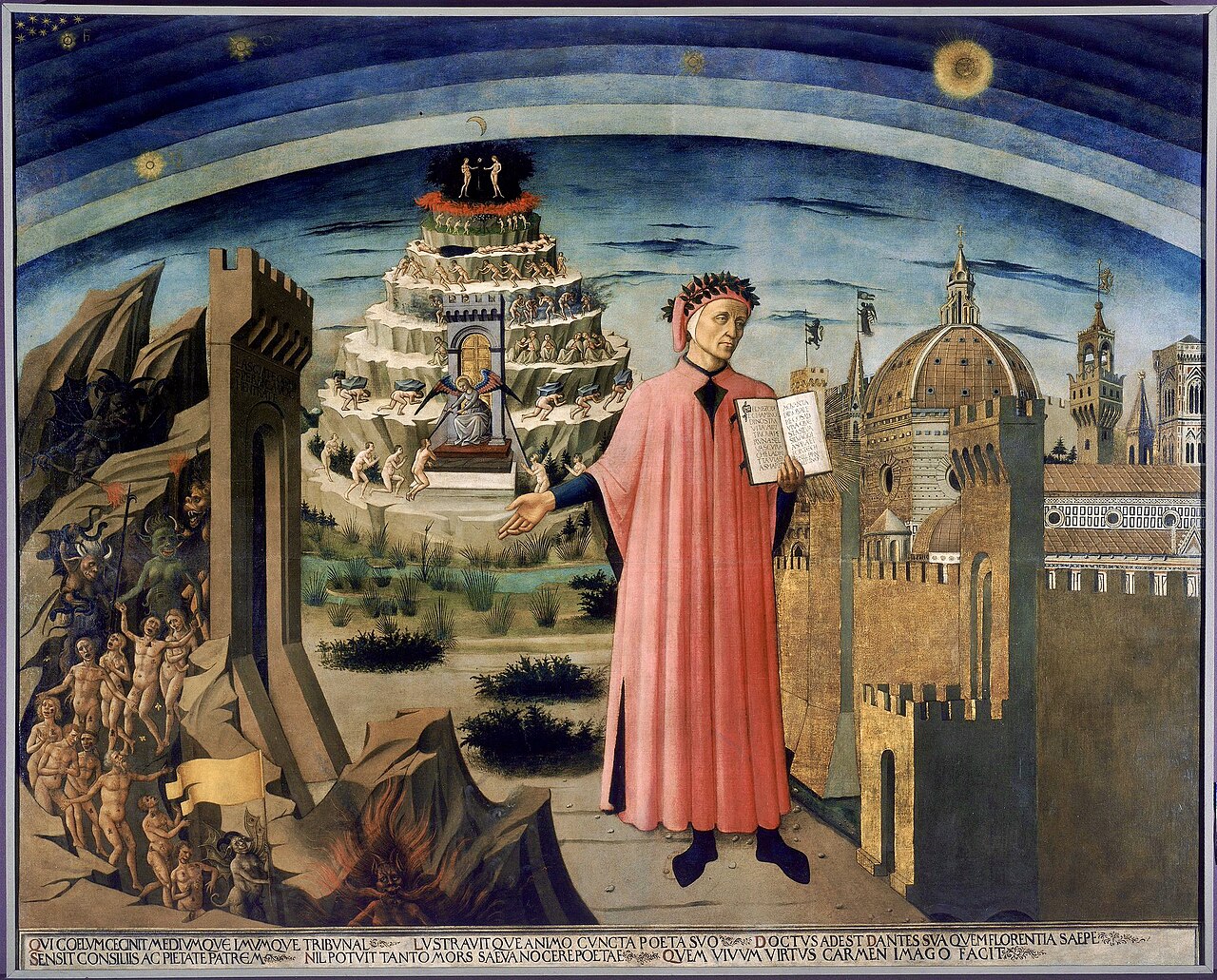 Book
Secondary source
The Divine Comedy
Dante Alighieri · 1320
 Book
Primary source
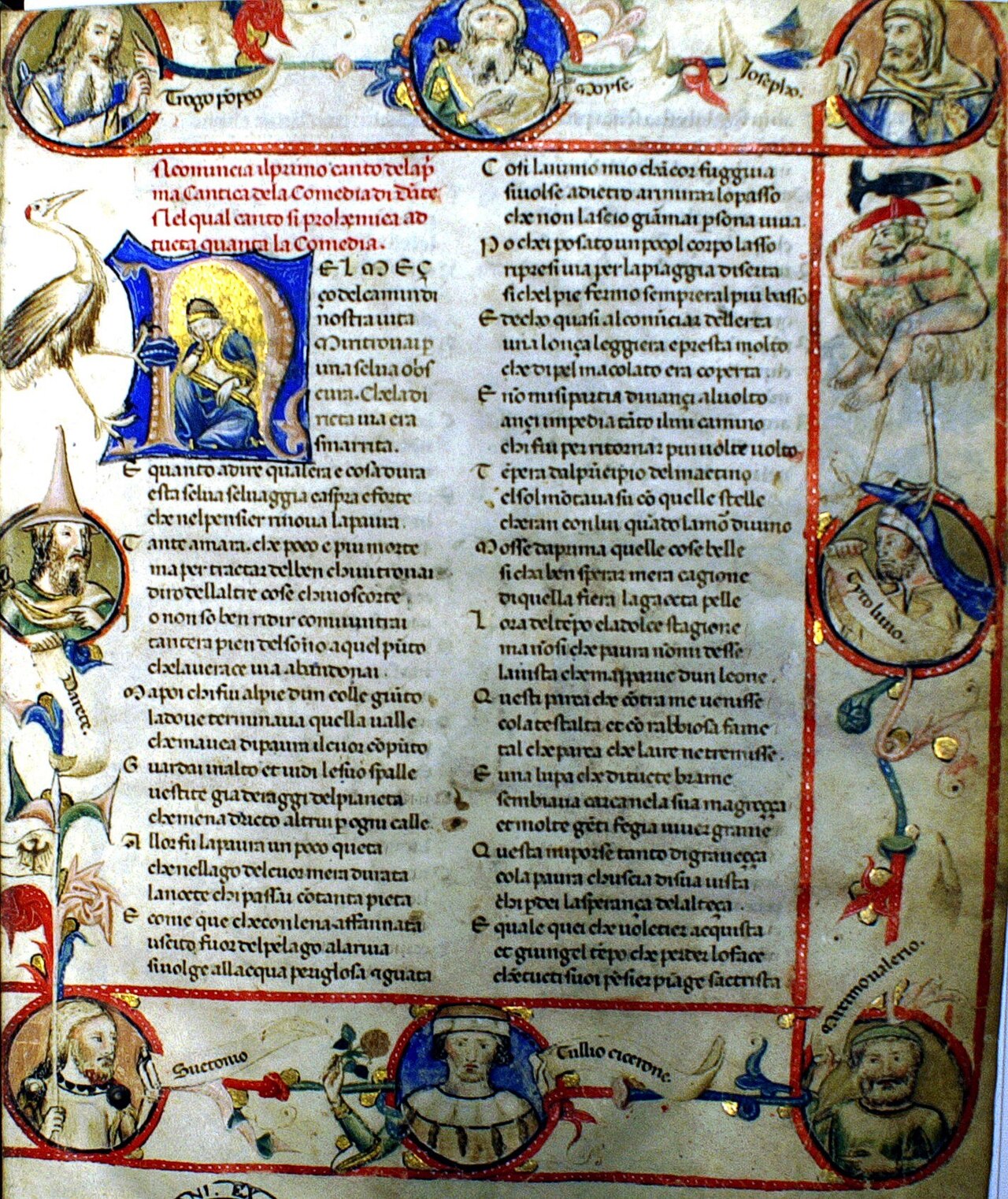
Inferno
Dante Alighieri · c. 1306–1310
 Book
Primary source
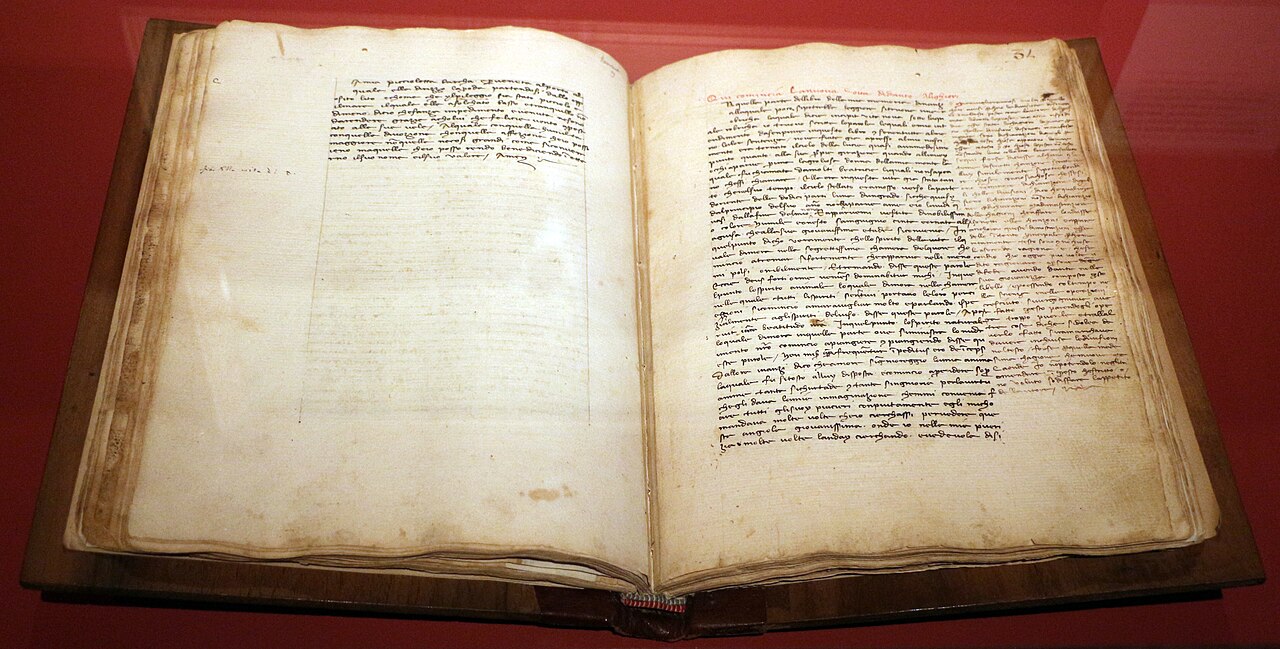
Vita Nuova
Dante Alighieri · before 1294
 Book
Primary source
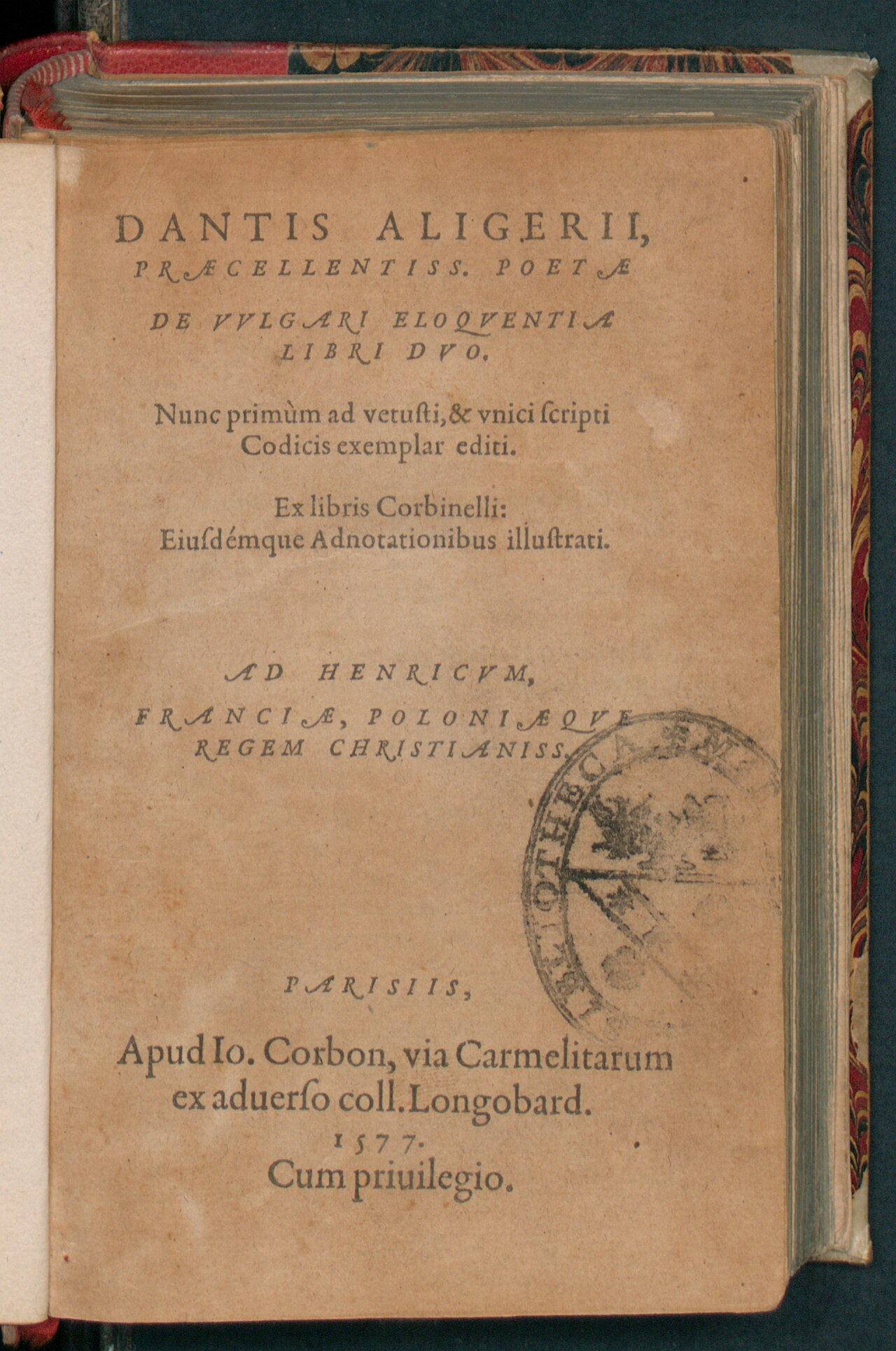
De vulgari eloquentia
Dante Alighieri · c. 1302–1305
 Book
Primary source
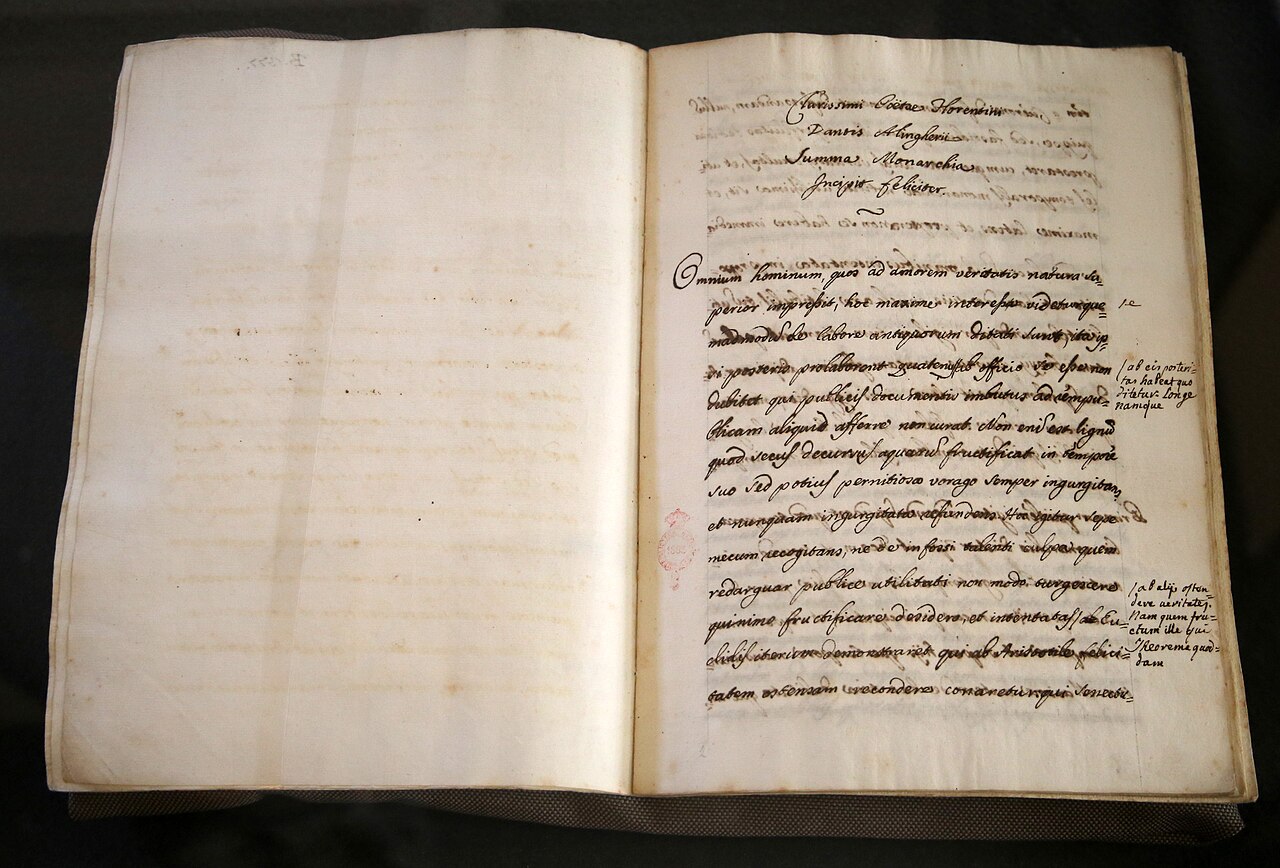
De Monarchia
Dante Alighieri · c. 1312–1313
Ready when you are
Start chatting with Dante Alighieri now.
20 messages free · No credit card · Available in 50+ languages.