


Primary sourcePaintingc. 1328-1330
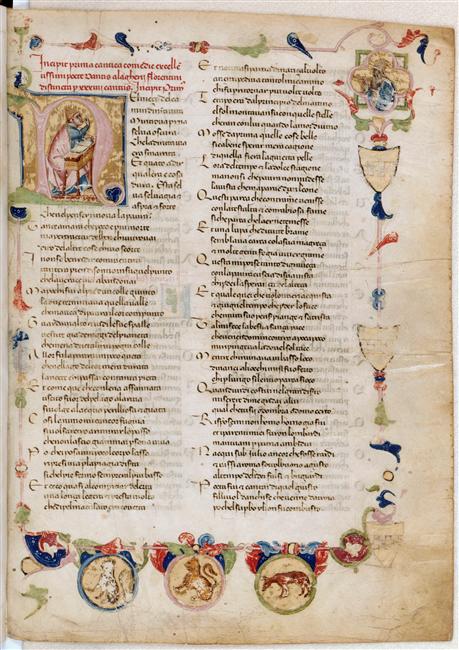
Folio of Guido da Pisa's Inferno Commentary Showing Dante
Artiste toscan anonyme · c. 1328-1330
An early illuminated manuscript page from a commentary on Dante's Inferno, made within about a decade of his death, with a small image of him at his desk.
An early image, made soon after Dante's death, believed to depict him at his writing desk.
About this source
What it is
This manuscript page comes from a commentary on Dante's Inferno written by an anonymous Tuscan artist around 1328-1330, only about a decade after Dante died. It includes a small illuminated initial showing a seated figure at a desk, thought to represent Dante.
Why it matters
This is one of the earliest surviving images connected to Dante, created while people who had known him were likely still alive. Commentaries like this show how quickly scholars began explaining and studying his poem, treating it as a serious and important work almost immediately.
Look closer
- Why might an illustrator show Dante seated at a desk, as if writing?
- What does the existence of a commentary this early tell you about how Dante's poem was received?
- How does the decoration around the text compare to the importance given to the words themselves?
This painting is part of the curated material that grounds the AI version of Dante Alighieri on Humy.ai — when students ask about related events, the AI can quote it and cite it.
More Dante Alighieri sources
Meet the AI Dante Alighieri → Book
Secondary source
The Divine Comedy
Dante Alighieri · 1320
 Book
Primary source
Inferno
Dante Alighieri · c. 1306–1310
 Book
Primary source
Vita Nuova
Dante Alighieri · before 1294
 Book
Primary source
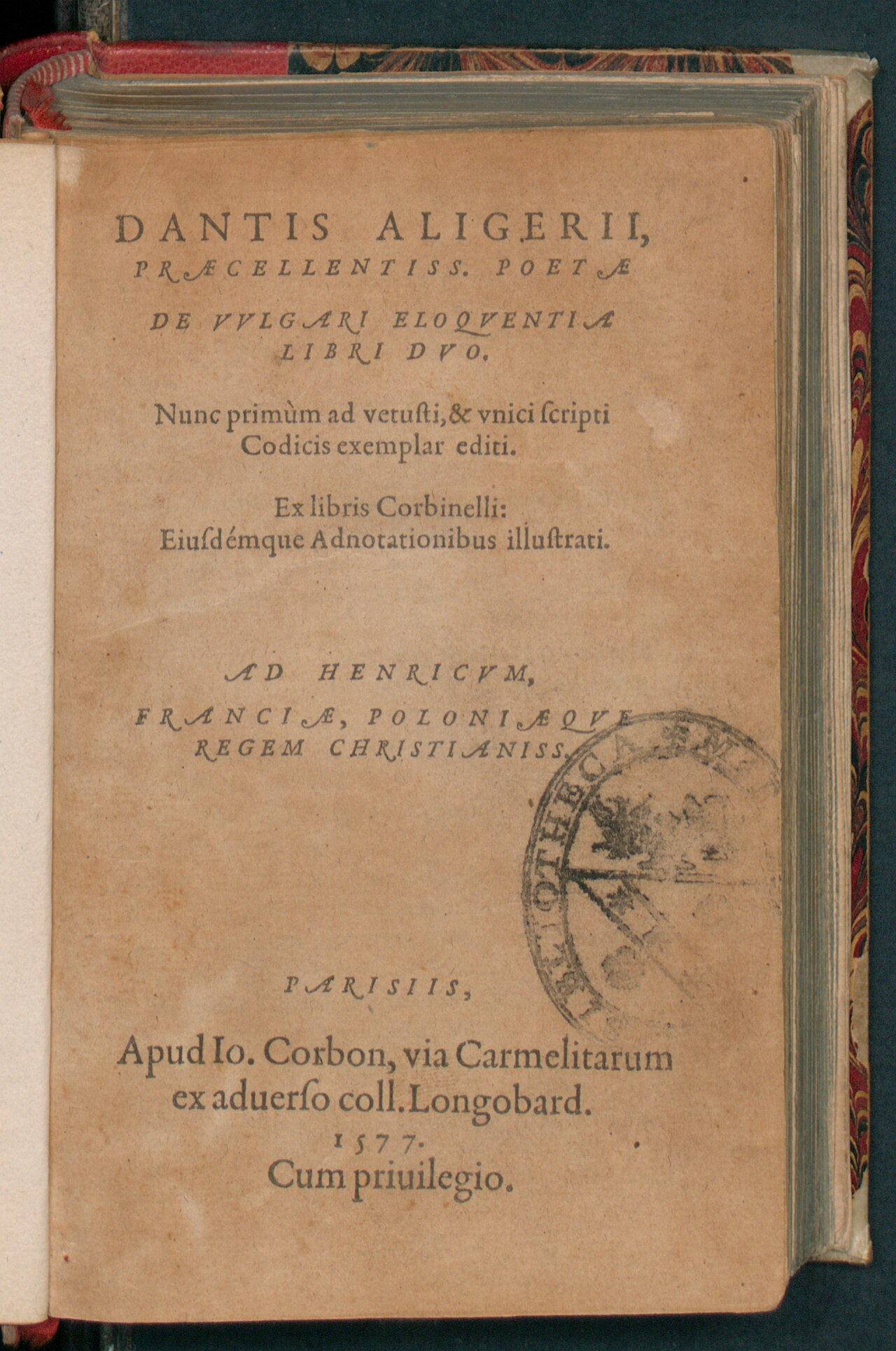
De vulgari eloquentia
Dante Alighieri · c. 1302–1305
 Book
Primary source
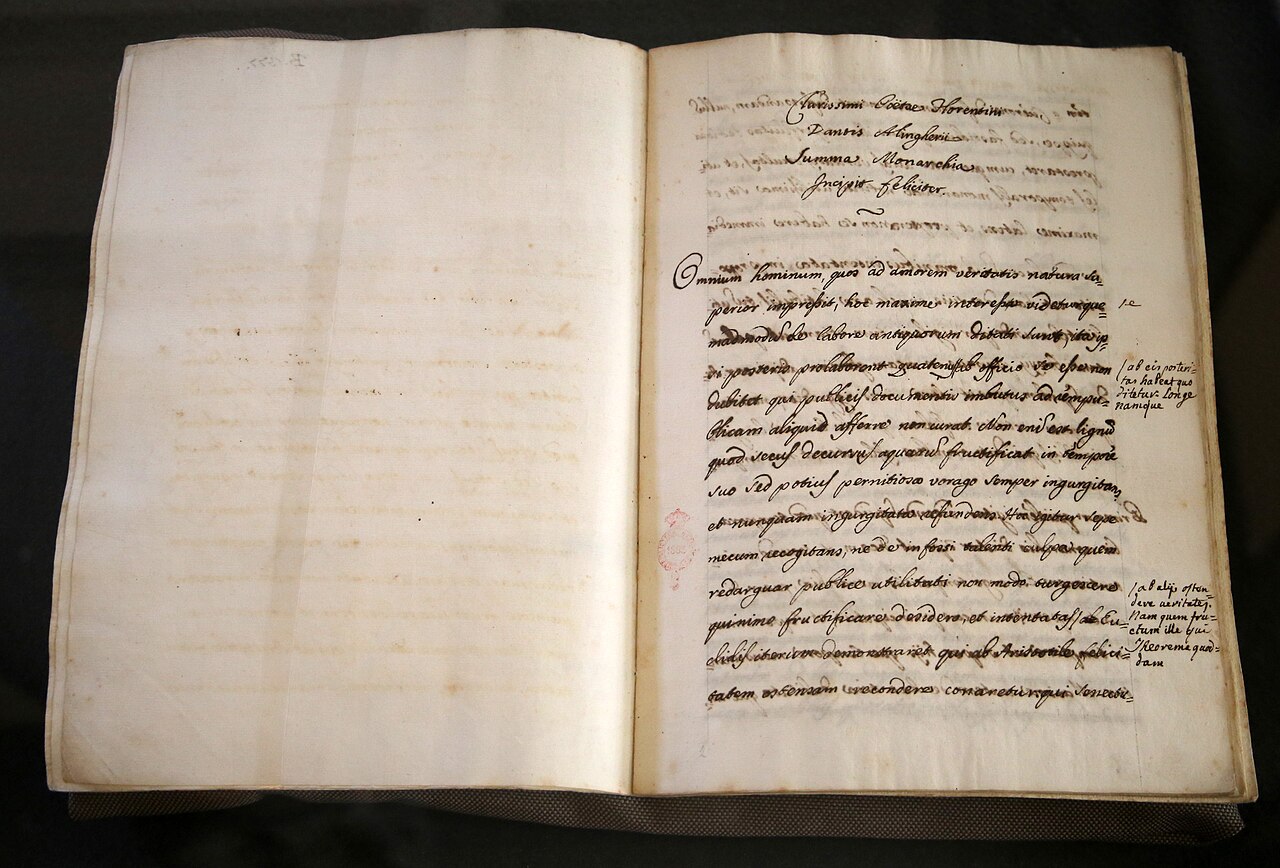
De Monarchia
Dante Alighieri · c. 1312–1313
Ready when you are
Start chatting with Dante Alighieri now.
20 messages free · No credit card · Available in 50+ languages.