


Secondary sourceBook1468
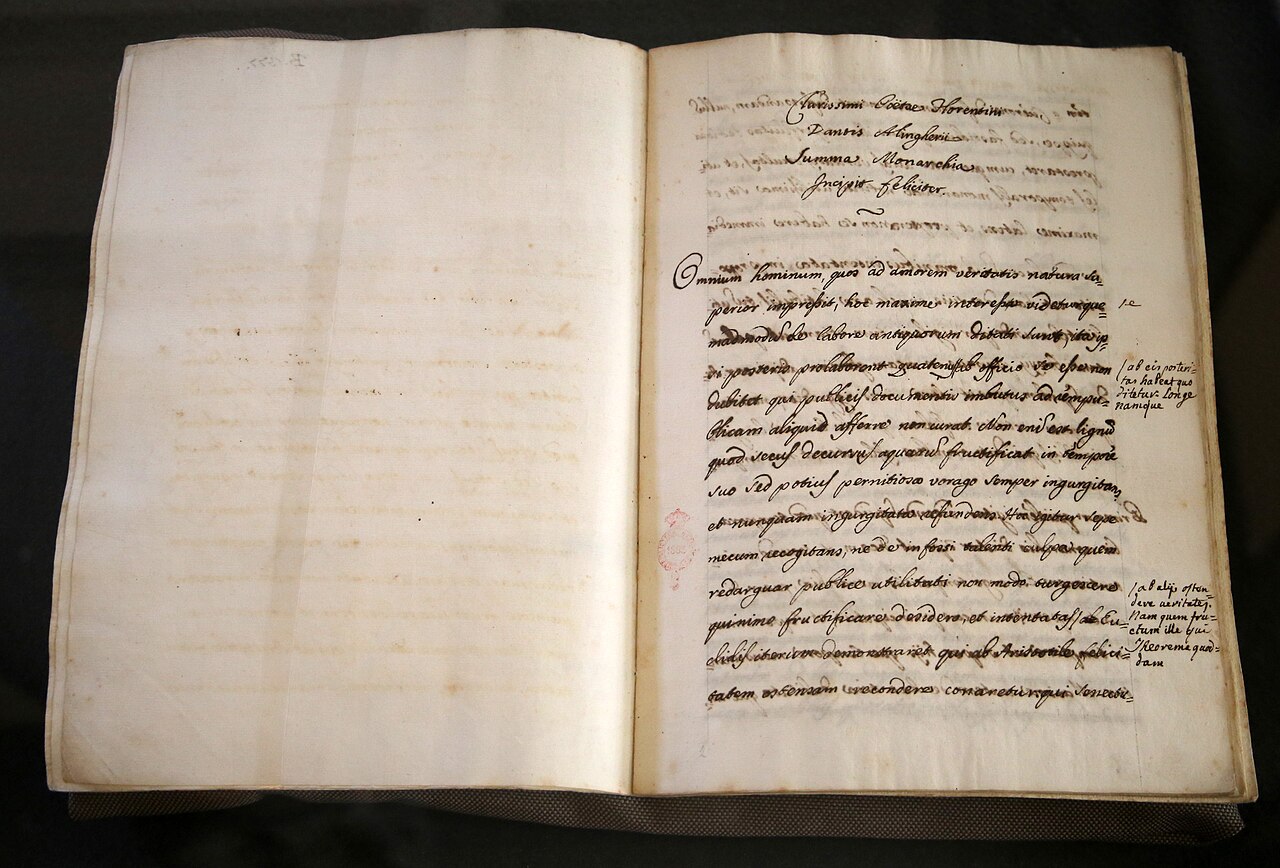
Monarchia, Italian translation by Marsilio Ficino
Marsilio Ficino (translator); Dante Alighieri (original author) · 1468
A 1468 Italian translation by Marsilio Ficino of Dante's Latin political treatise on monarchy. It brings Dante's argument into Tuscan for Florentine readers.
Dante is the author of the Monarchia, and this 1468 Italian version shows how his political treatise was rendered for later readers.
About this source
What it is
This is an Italian translation of Dante's political treatise Monarchia. The library record dates the Latin original to 1312. The Italian version was made by the Florentine scholar Marsilio Ficino in 1468, so it is a later rendering of Dante's Latin text. Ficino's preface is addressed to two Florentine citizens, Bernardo del Nero and Antonio di Tuccio Manetti. The text is held on the Italian Wikisource, where it is listed under Latin works in their original language.
Why it matters
Dante's treatise discusses temporal monarchy and how it relates to peace, order and the good of all humankind. The chapter headings in this edition show those themes clearly. That Ficino chose to translate the work in the fifteenth century shows that Dante's political ideas were still being read and passed on in Florence long after his death. It also shows how Renaissance scholars made older Latin texts available to educated citizens who did not read Latin easily.
Look closer
- Why might Ficino have translated a Latin work into Tuscan for two named citizens?
- What do the chapter headings suggest the author expects a reader to think about first?
- What can a translation not show us about Dante's own Latin wording and choices?
This book is part of the curated material that grounds the AI version of Dante Alighieri on Humy.ai — when students ask about related events, the AI can quote it and cite it.
More Dante Alighieri sources
Meet the AI Dante Alighieri →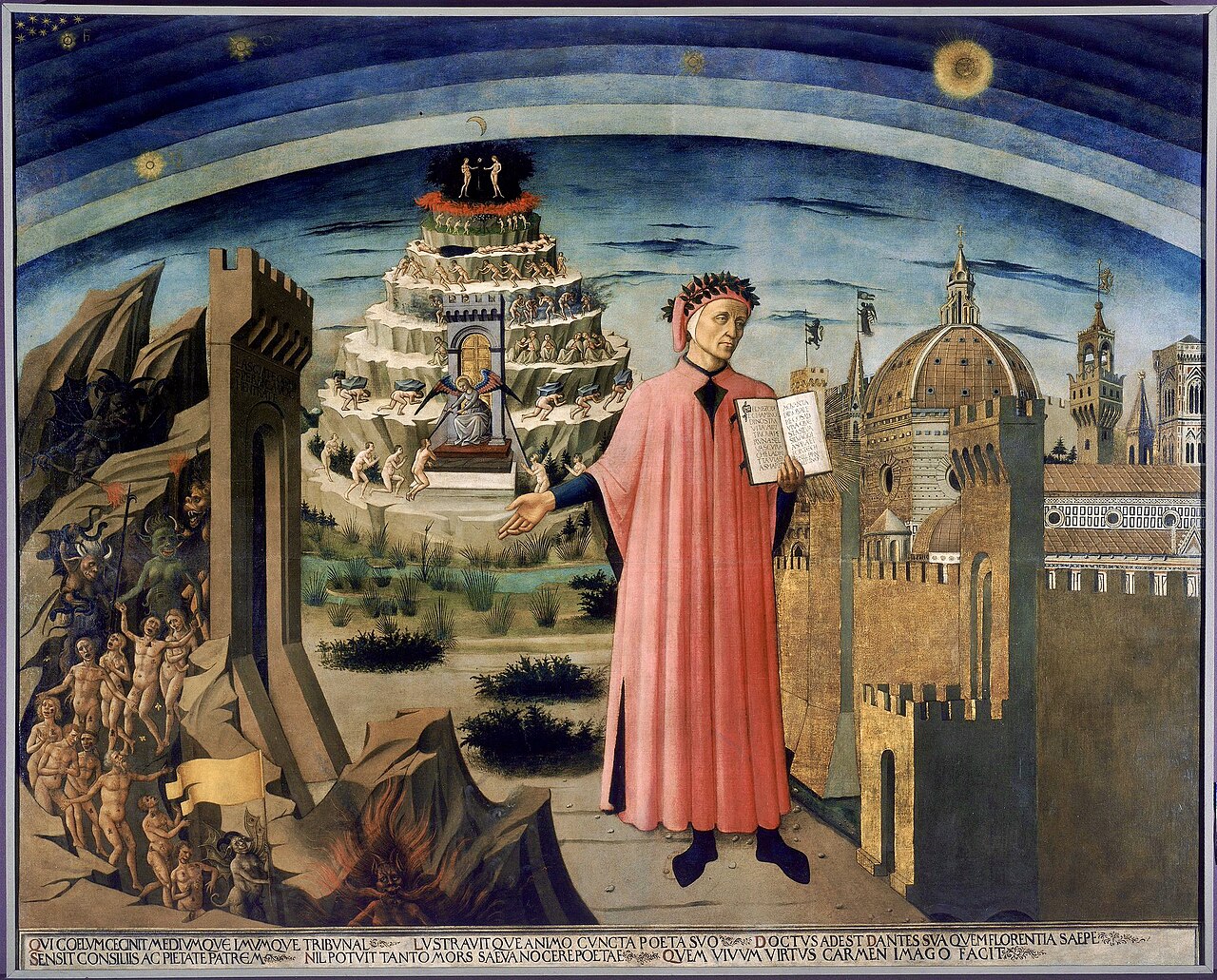 Book
Secondary source
The Divine Comedy
Dante Alighieri · 1320
 Book
Primary source
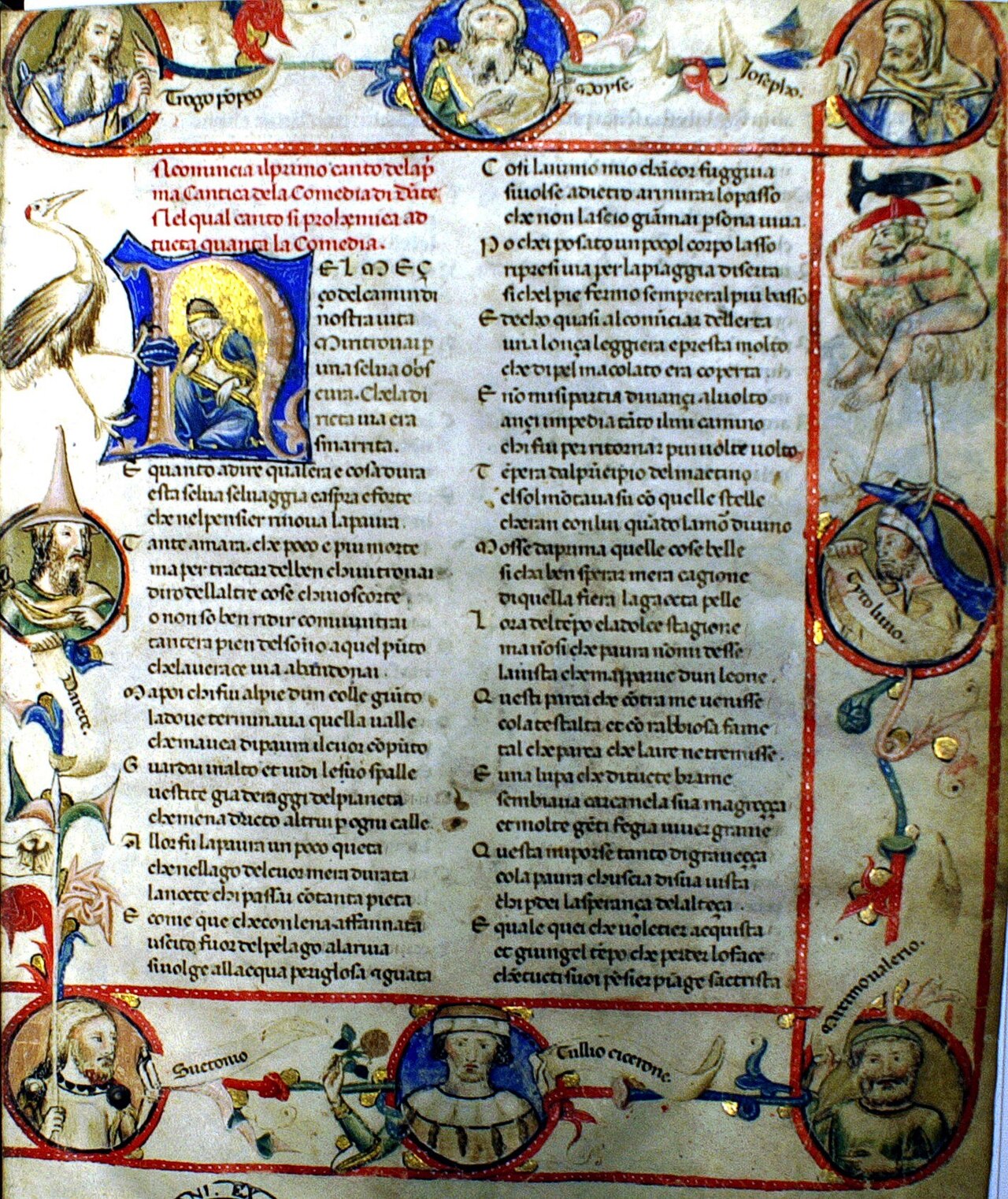
Inferno
Dante Alighieri · c. 1306–1310
 Book
Primary source
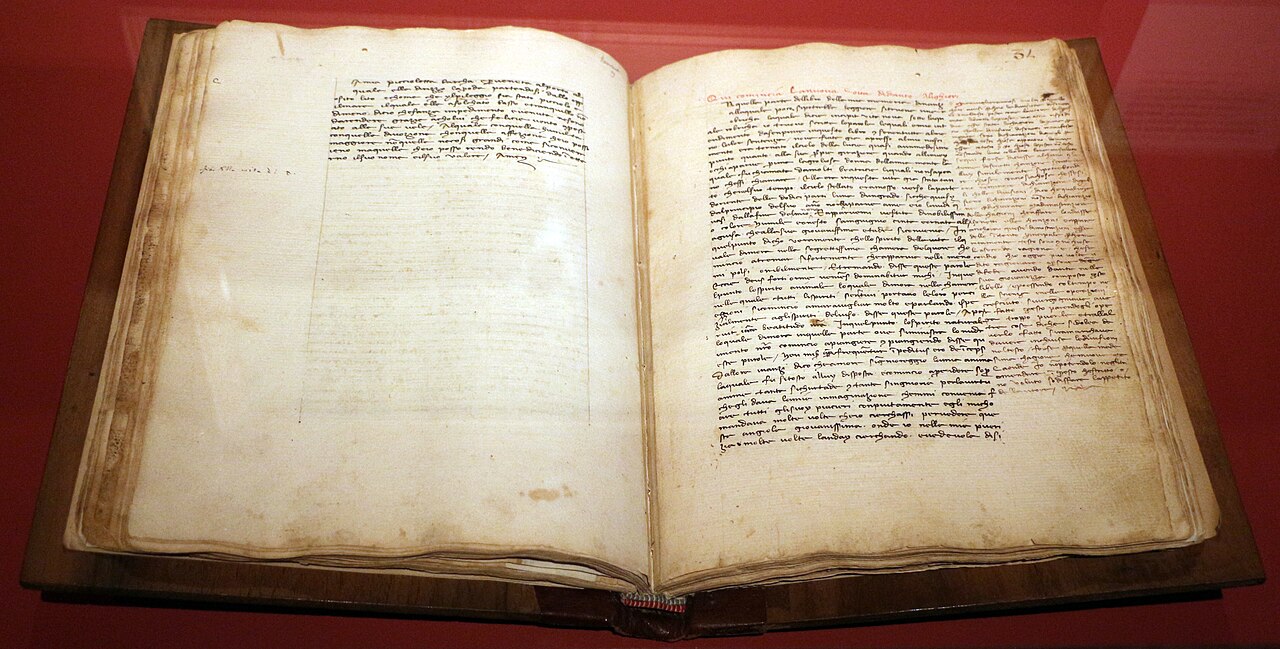
Vita Nuova
Dante Alighieri · before 1294
 Book
Primary source
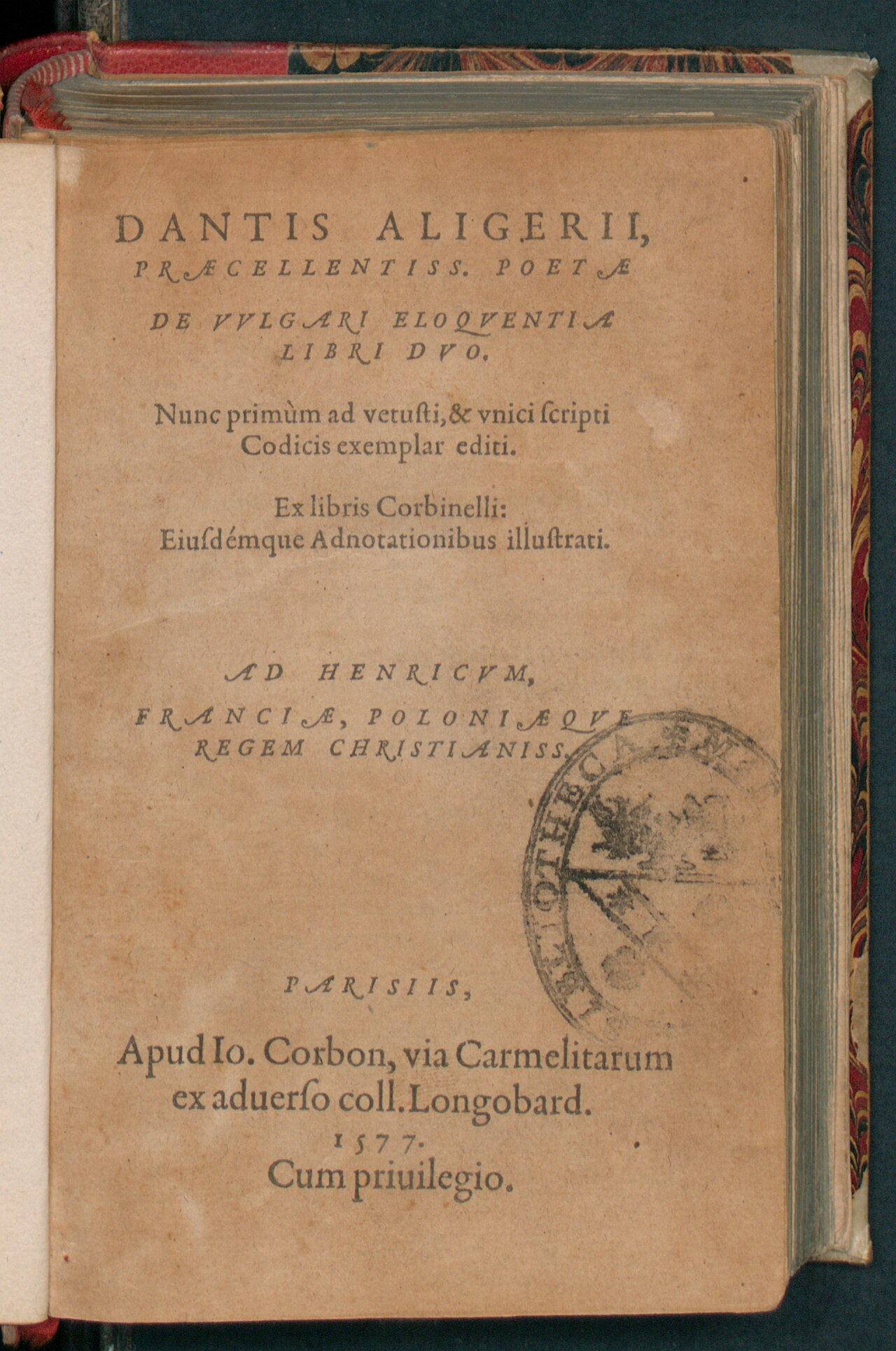
De vulgari eloquentia
Dante Alighieri · c. 1302–1305
 Book
Primary source
De Monarchia
Dante Alighieri · c. 1312–1313
Ready when you are
Start chatting with Dante Alighieri now.
20 messages free · No credit card · Available in 50+ languages.