


Primary sourceBook1304
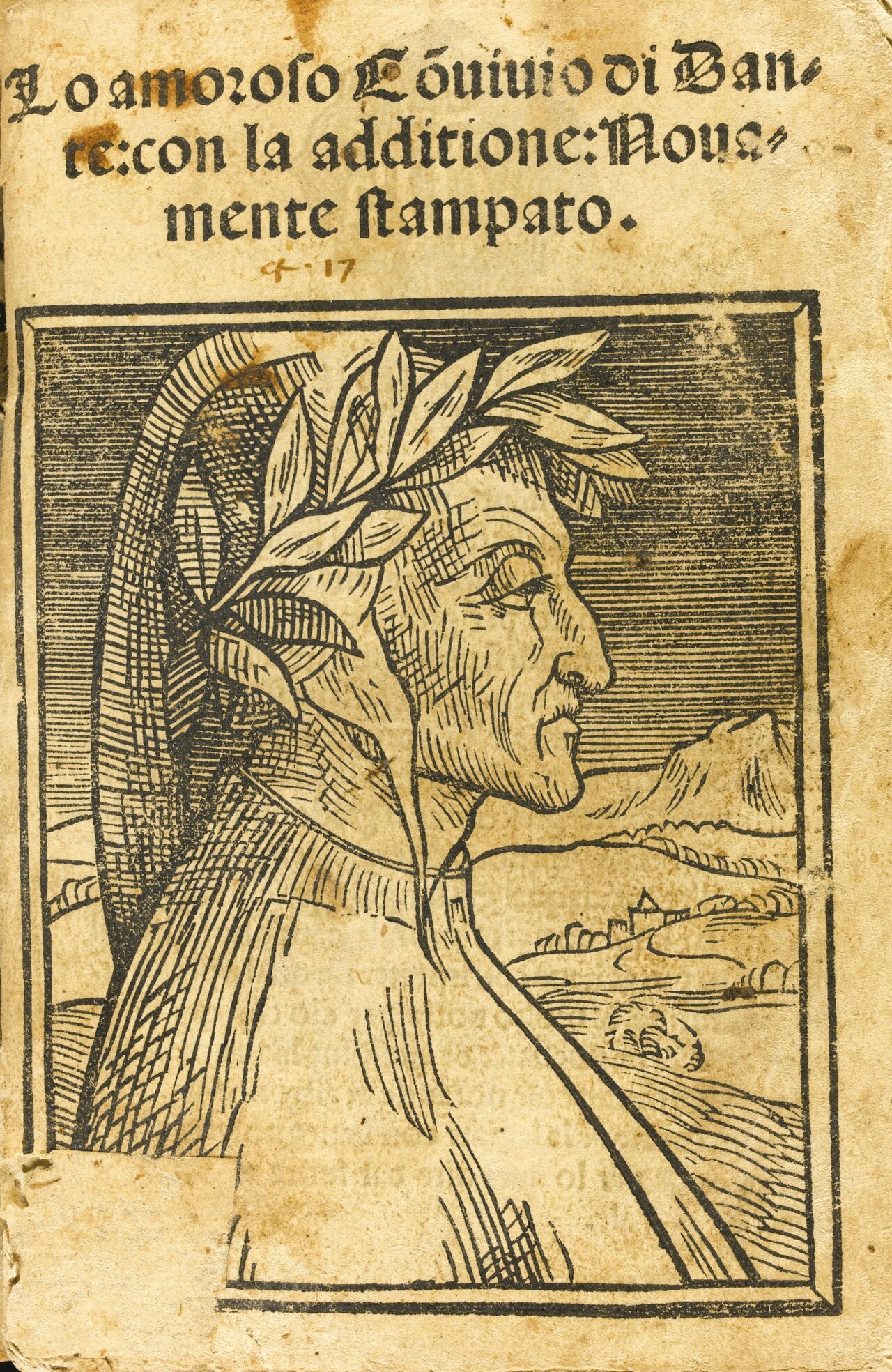
Convivio
Dante Alighieri · 1304
An unfinished philosophical work by Dante, written in the vernacular during his early exile, covering philosophy, politics and science.
Dante wrote the Convivio himself during his early exile, showing his philosophical ambitions beyond the Divine Comedy.
About this source
What it is
The Convivio, or 'Banquet', is an unfinished work by Dante written in the early years of his exile. It consists of four books combining long poems with prose commentary, discussing philosophy, politics, language, science and history in the Tuscan vernacular rather than Latin.
Why it matters
Dante defended his choice to write in the vernacular, arguing that it could reach readers who did not know Latin. The work shows Dante as a philosopher addressing ordinary readers, and gives insight into his love of Lady Philosophy after Beatrice's death, as well as his ideas on true nobility.
Look closer
- Why might Dante have felt the need to defend writing in the vernacular instead of Latin?
- What does the book's structure—poems followed by prose explanation—tell us about how Dante wanted readers to engage with it?
- Why do you think Dante left this work unfinished?
This book is part of the curated material that grounds the AI version of Dante Alighieri on Humy.ai — when students ask about related events, the AI can quote it and cite it.
More Dante Alighieri sources
Meet the AI Dante Alighieri →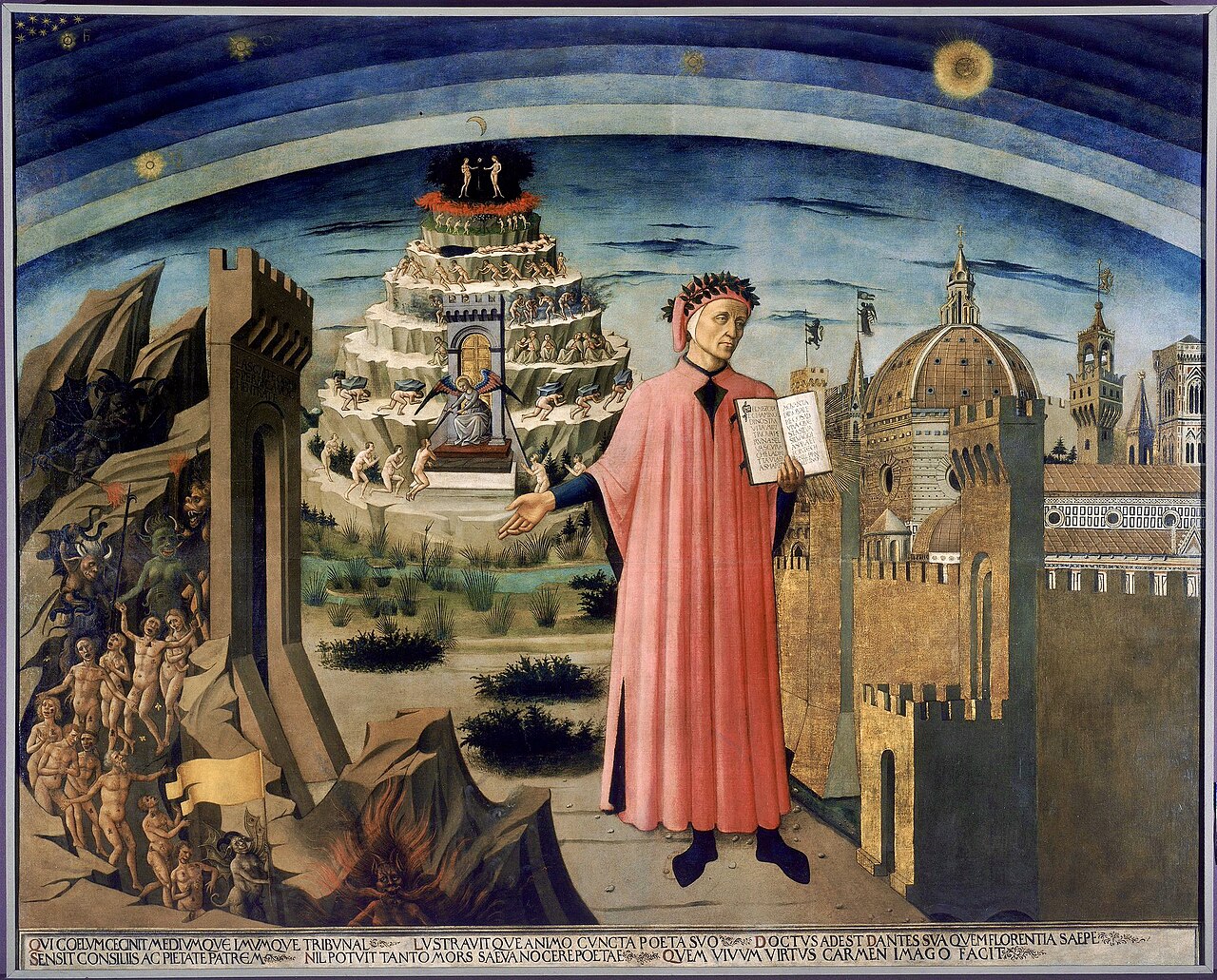 Book
Secondary source
The Divine Comedy
Dante Alighieri · 1320
 Book
Primary source
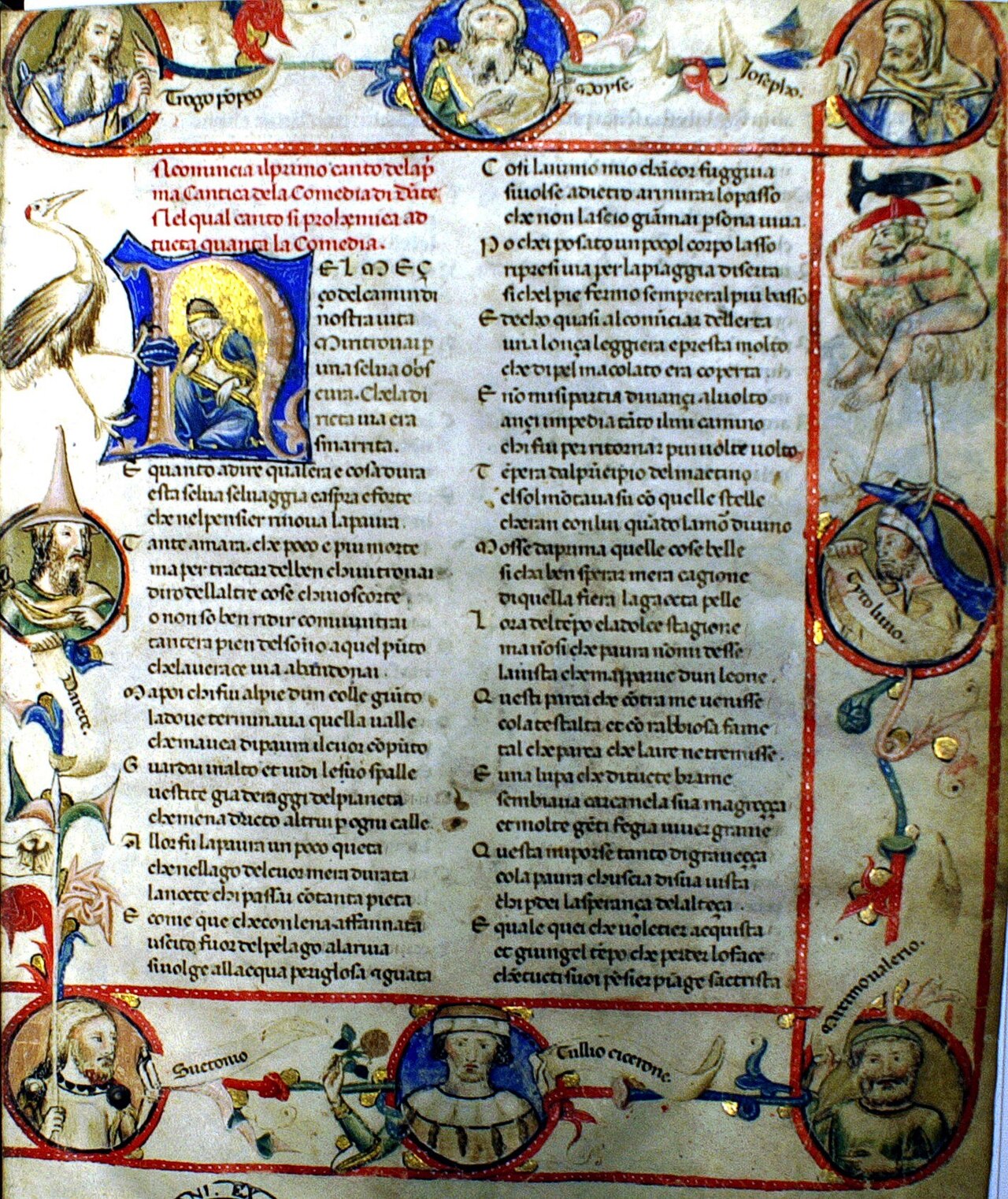
Inferno
Dante Alighieri · c. 1306–1310
 Book
Primary source
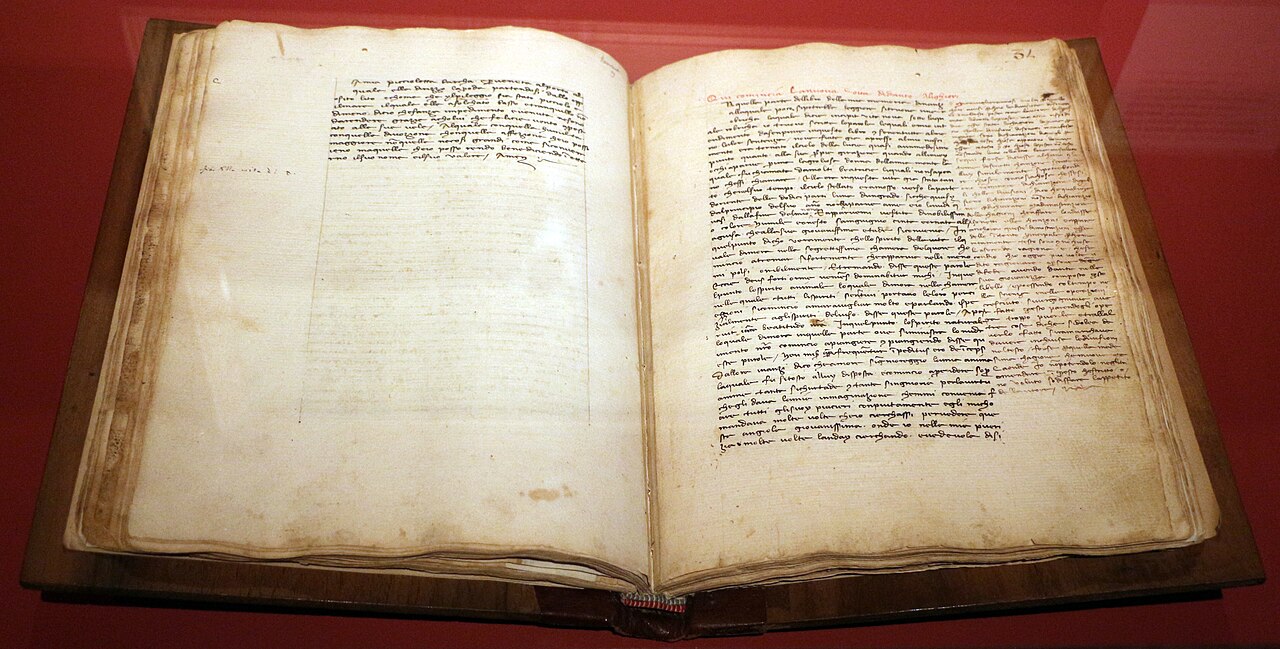
Vita Nuova
Dante Alighieri · before 1294
 Book
Primary source
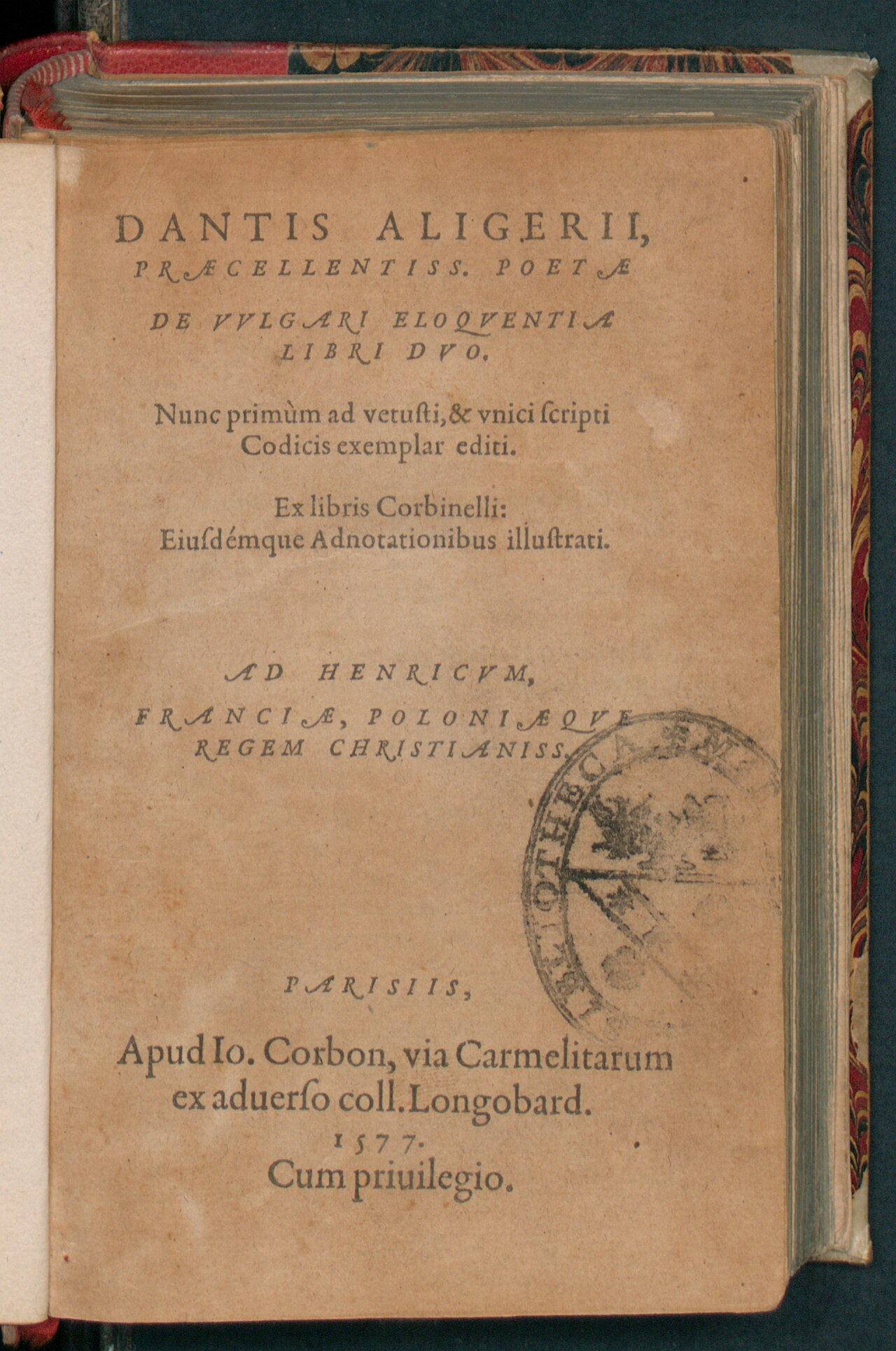
De vulgari eloquentia
Dante Alighieri · c. 1302–1305
 Book
Primary source
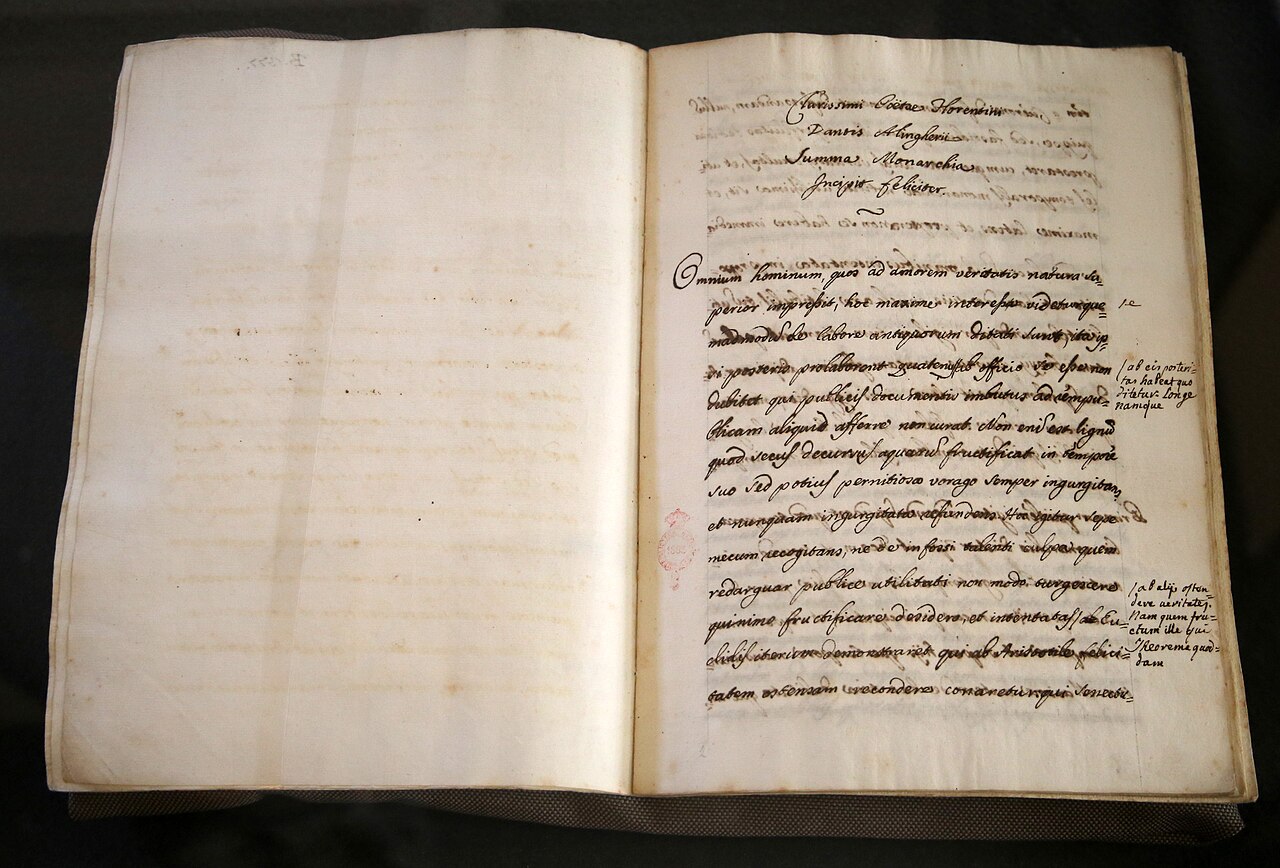
De Monarchia
Dante Alighieri · c. 1312–1313
Ready when you are
Start chatting with Dante Alighieri now.
20 messages free · No credit card · Available in 50+ languages.