


Secondary sourceBooksecond half of the 14th century
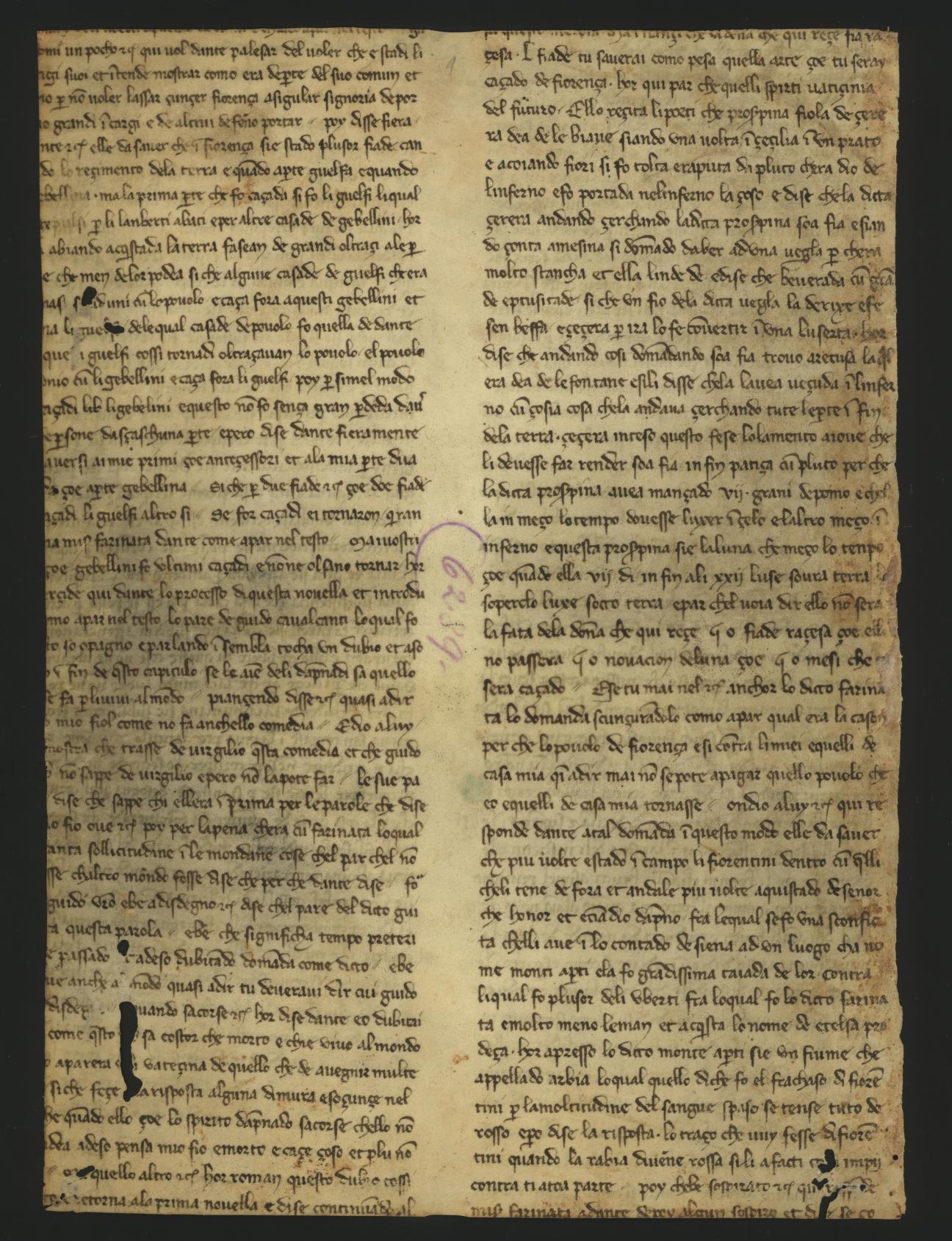
Fragment of a 14th-century commentary on Dante's Divine Comedy
Unknown scribe (commentary on Dante Alighieri's Divine Comedy) · second half of the 14th century
A two-page manuscript fragment of an Italian commentary on Dante's Commedia, written in the decades after his death and now held by the Library of Congress.
The fragment is a commentary on Dante's Commedia, showing how readers in the decades after his death studied and explained his poem.
About this source
What it is
This is a two-page fragment of a handwritten commentary on Dante's Commedia. An unknown scribe wrote it in Italy in the second half of the 14th century, only a few decades after Dante died. The pages are brown ink on yellowed parchment, set in dense Gothic-style script in columns, with some marginal notes and dark stains. The fragment was kept in the library of the Franciscans in Skalica, in present-day western Slovakia, and is now held by the Library of Congress.
Why it matters
Commentaries like this one were written almost as soon as the poem appeared, and they show how readers tried to explain its meaning. The record notes that Giovanni Boccaccio was among the first to call the poem divine, a phrase that later became its common title. The fragment also shows how Dante's poem travelled across Europe, far from Florence, within a few generations.
Look closer
- What do the columns and marginal notes suggest about how readers studied the poem?
- Why might a commentary written by an unknown scribe be useful, and what can we not know about its author?
- How did a manuscript from Italy end up in a Franciscan library in Slovakia, and what does that tell us about how texts moved?
This book is part of the curated material that grounds the AI version of Dante Alighieri on Humy.ai — when students ask about related events, the AI can quote it and cite it.
More Dante Alighieri sources
Meet the AI Dante Alighieri →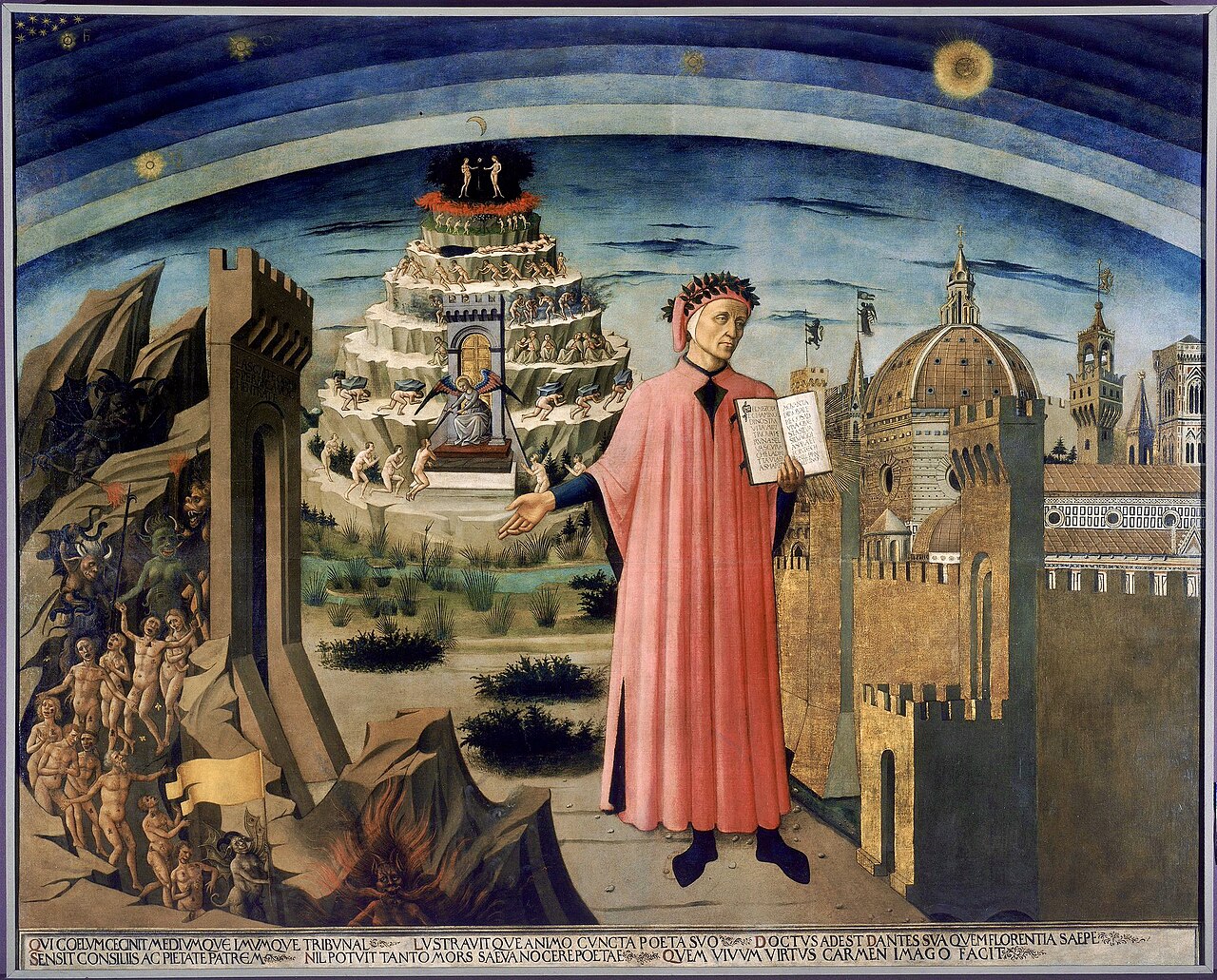 Book
Secondary source
The Divine Comedy
Dante Alighieri · 1320
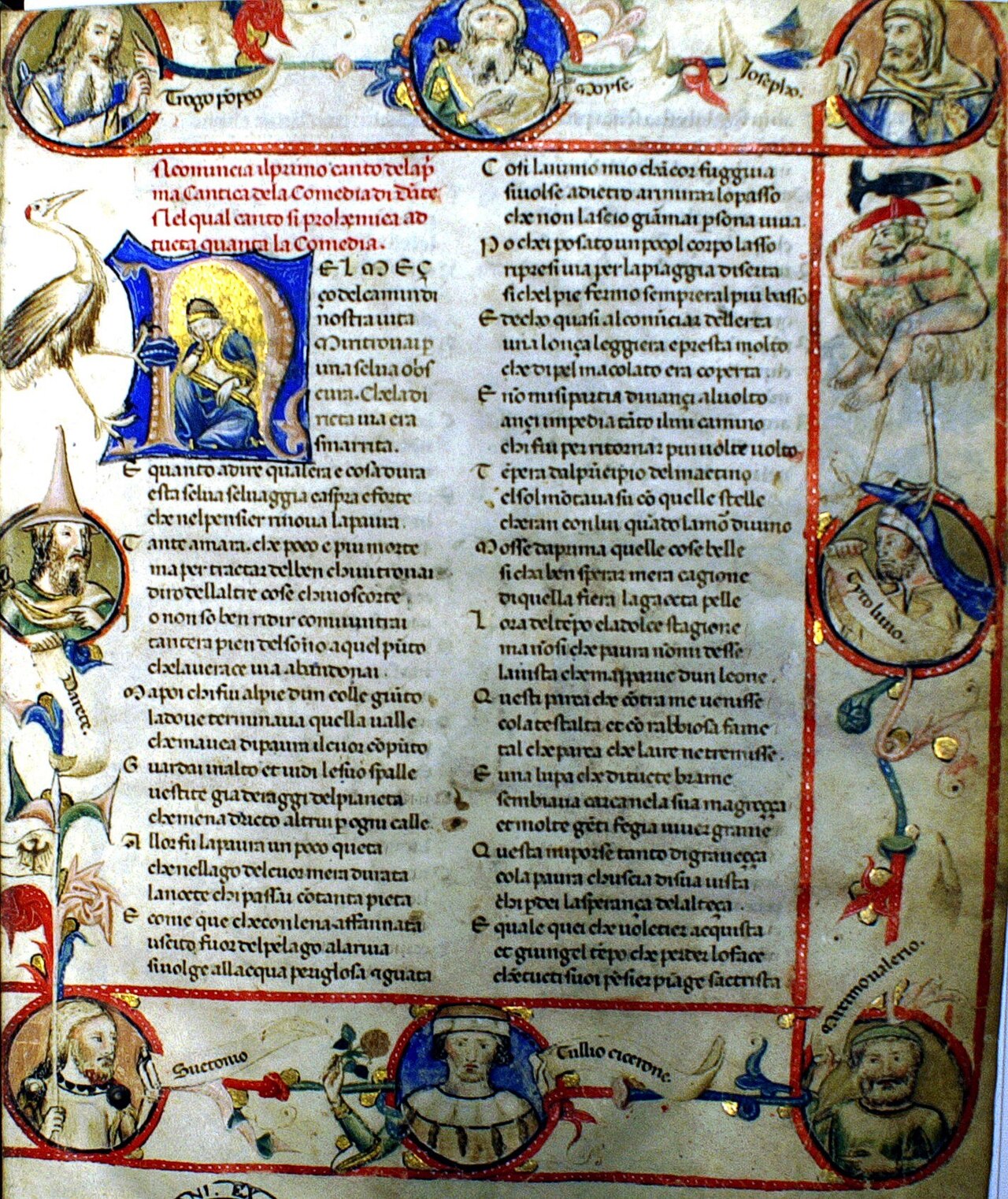 Book
Primary source
Inferno
Dante Alighieri · c. 1306–1310
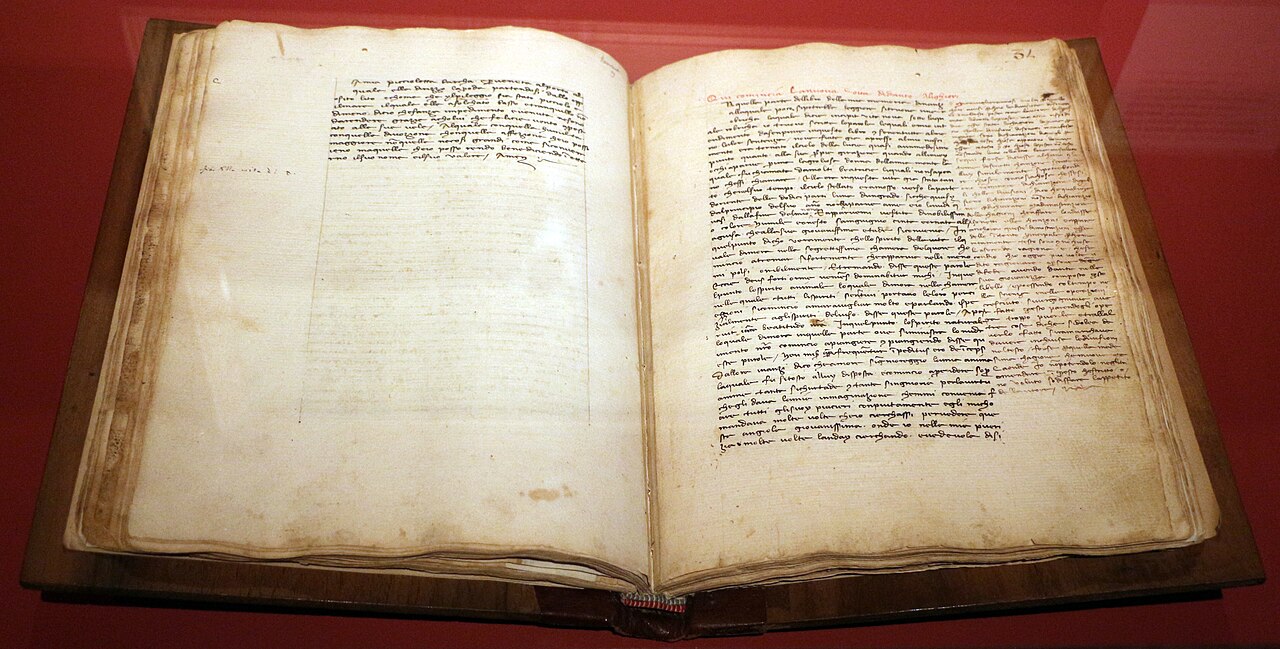 Book
Primary source
Vita Nuova
Dante Alighieri · before 1294
 Book
Primary source
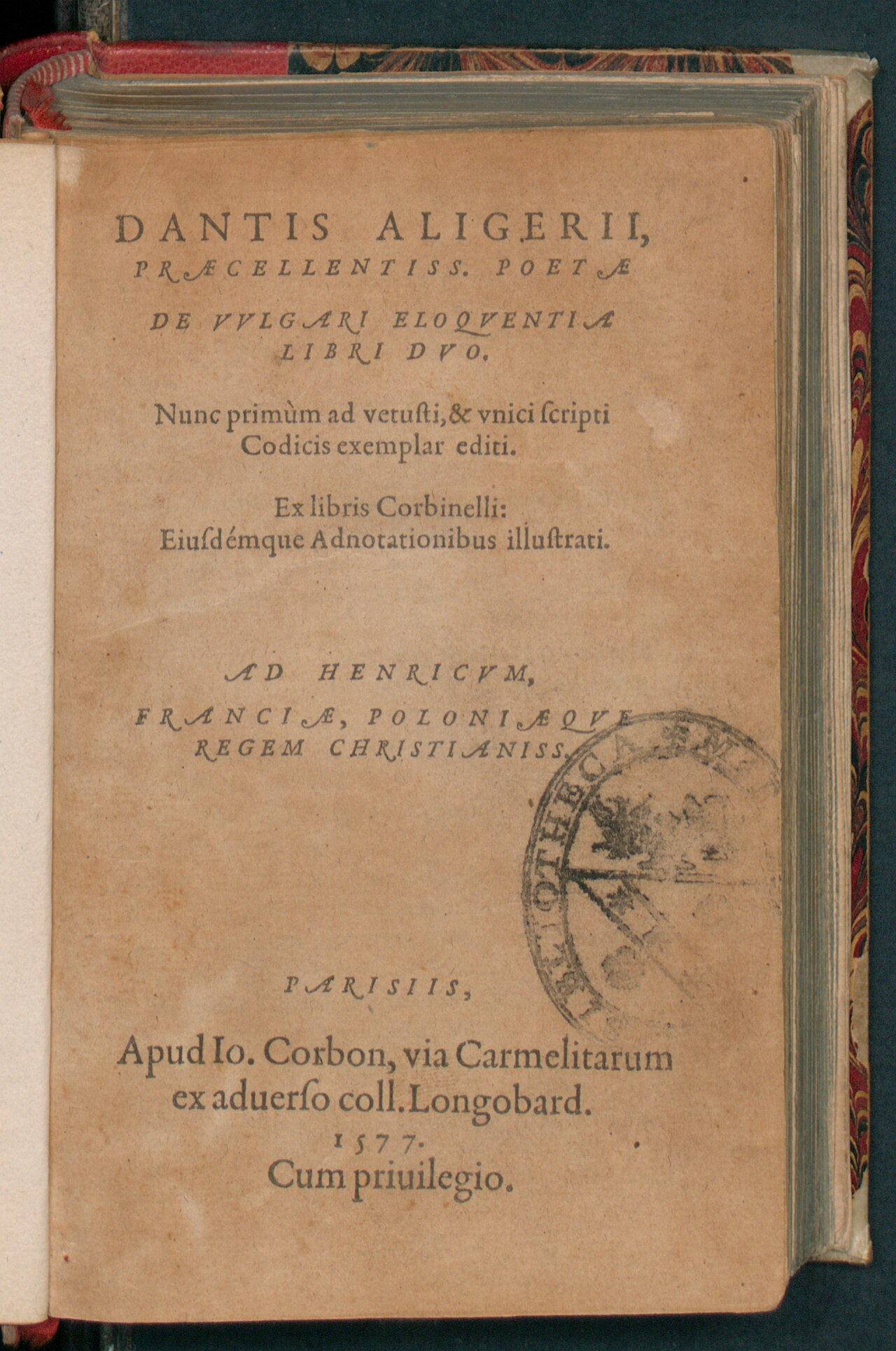
De vulgari eloquentia
Dante Alighieri · c. 1302–1305
 Book
Primary source
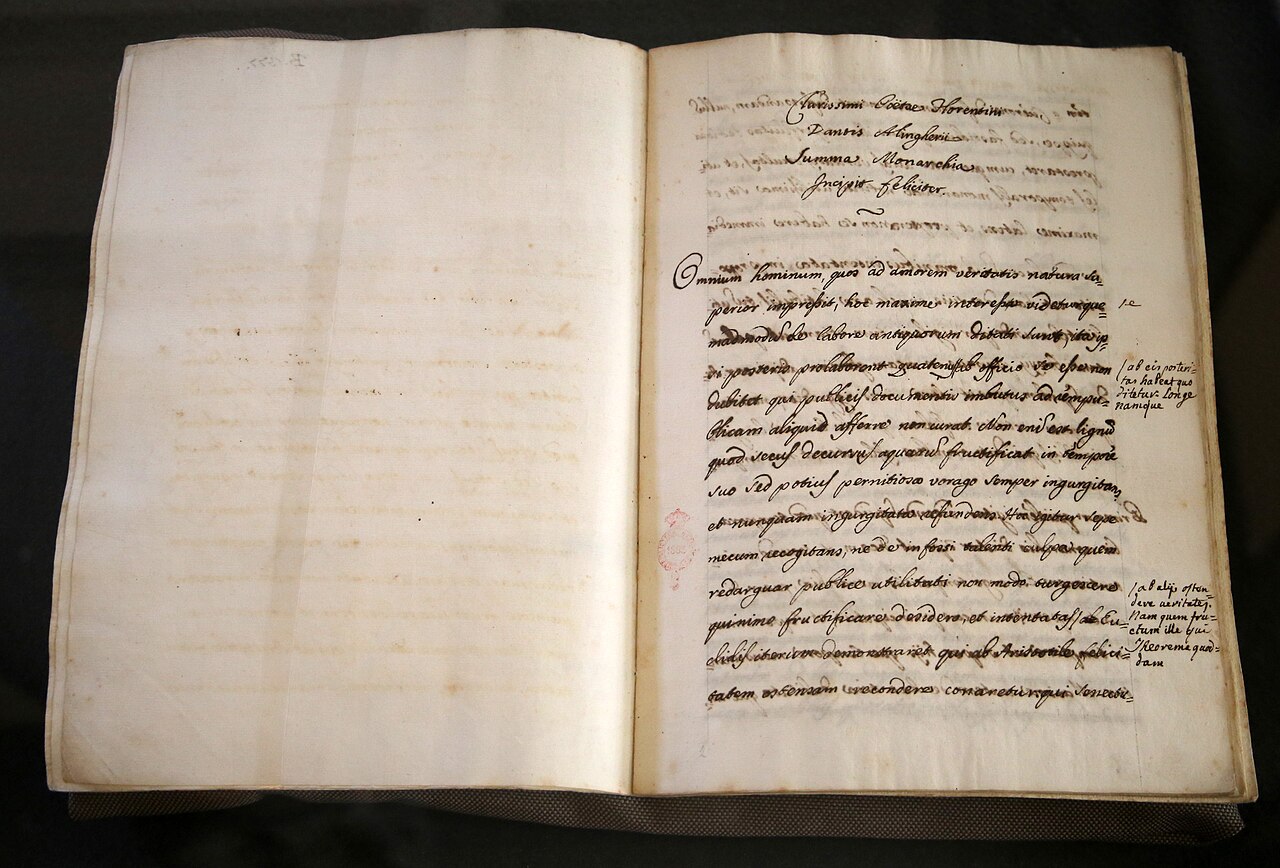
De Monarchia
Dante Alighieri · c. 1312–1313
Ready when you are
Start chatting with Dante Alighieri now.
20 messages free · No credit card · Available in 50+ languages.