


Secondary sourceBook1340s (manuscript copy)
Codex Laurentianus plut. 90.125
Francesco di Ser Nardo da Barberino (scribe) · 1340s (manuscript copy)
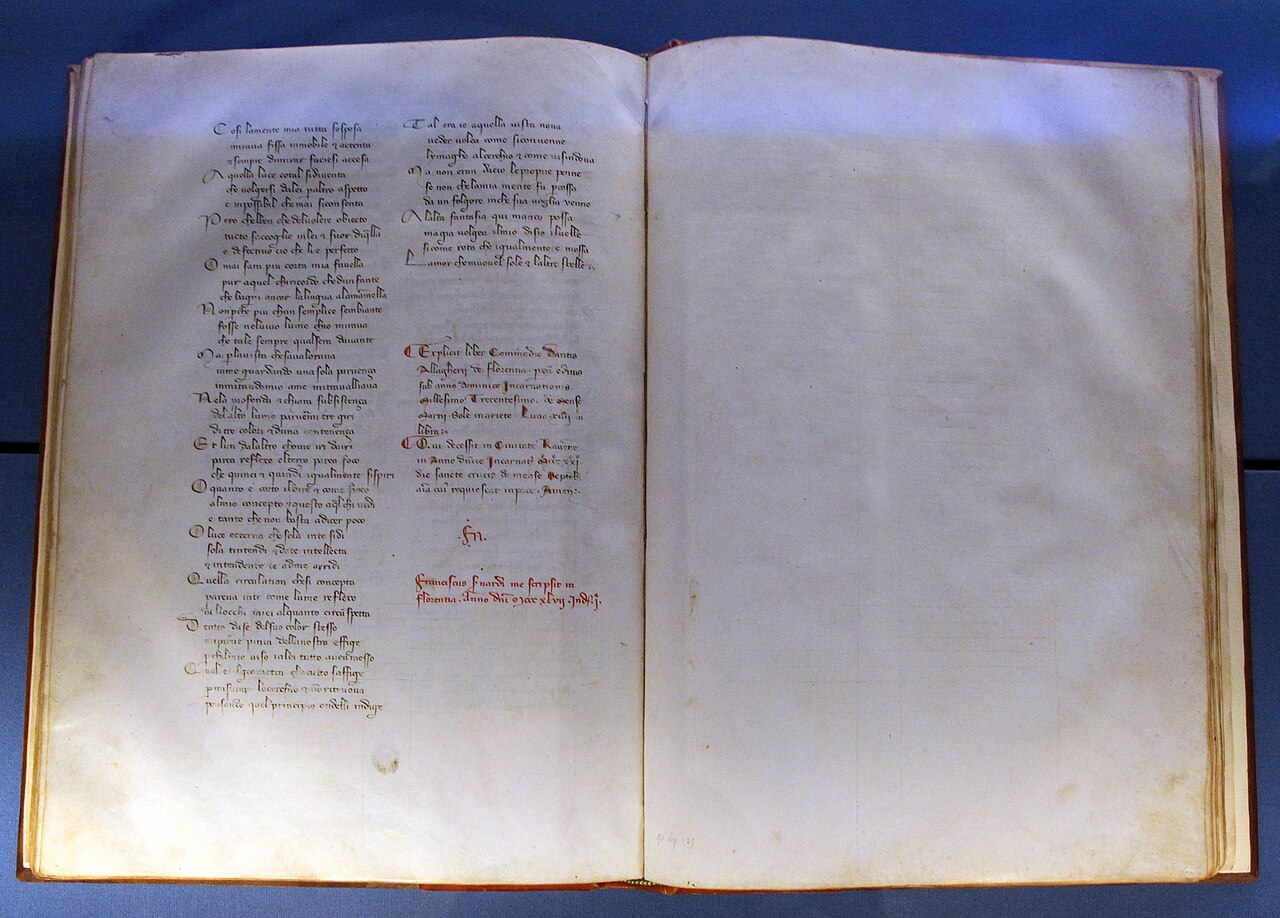
An early manuscript copy of Dante's Divine Comedy, made in Florence over a century after his death.
A copy of Dante's own masterpiece, the Divine Comedy, made by a scribe to preserve and spread his poem.
About this source
What it is
This is a handwritten manuscript of Dante's Divine Comedy, copied by Francesco di Ser Nardo da Barberino and now held at the Biblioteca Medicea Laurenziana. The page shown has two columns of text in brown ink with red-ink headings called rubrics.
Why it matters
This manuscript is not Dante's own handwriting, but it shows how his poem was copied and spread by scribes in the generations after his death. Before printing existed, works like the Comedy survived and reached readers only because people like Francesco painstakingly copied them by hand. This copy is part of the evidence for how popular and important Dante's poem had already become in 14th and 15th century Florence.
- Why do you think scribes used red ink for some parts of the text?
- What does the survival of many copies like this tell us about Dante's popularity?
- What might change, even slightly, each time a text is copied by hand?
This book is part of the curated material that grounds the AI version of Dante Alighieri on Humy.ai — when students ask about related events, the AI can quote it and cite it.
More Dante Alighieri sources
Meet the AI Dante Alighieri →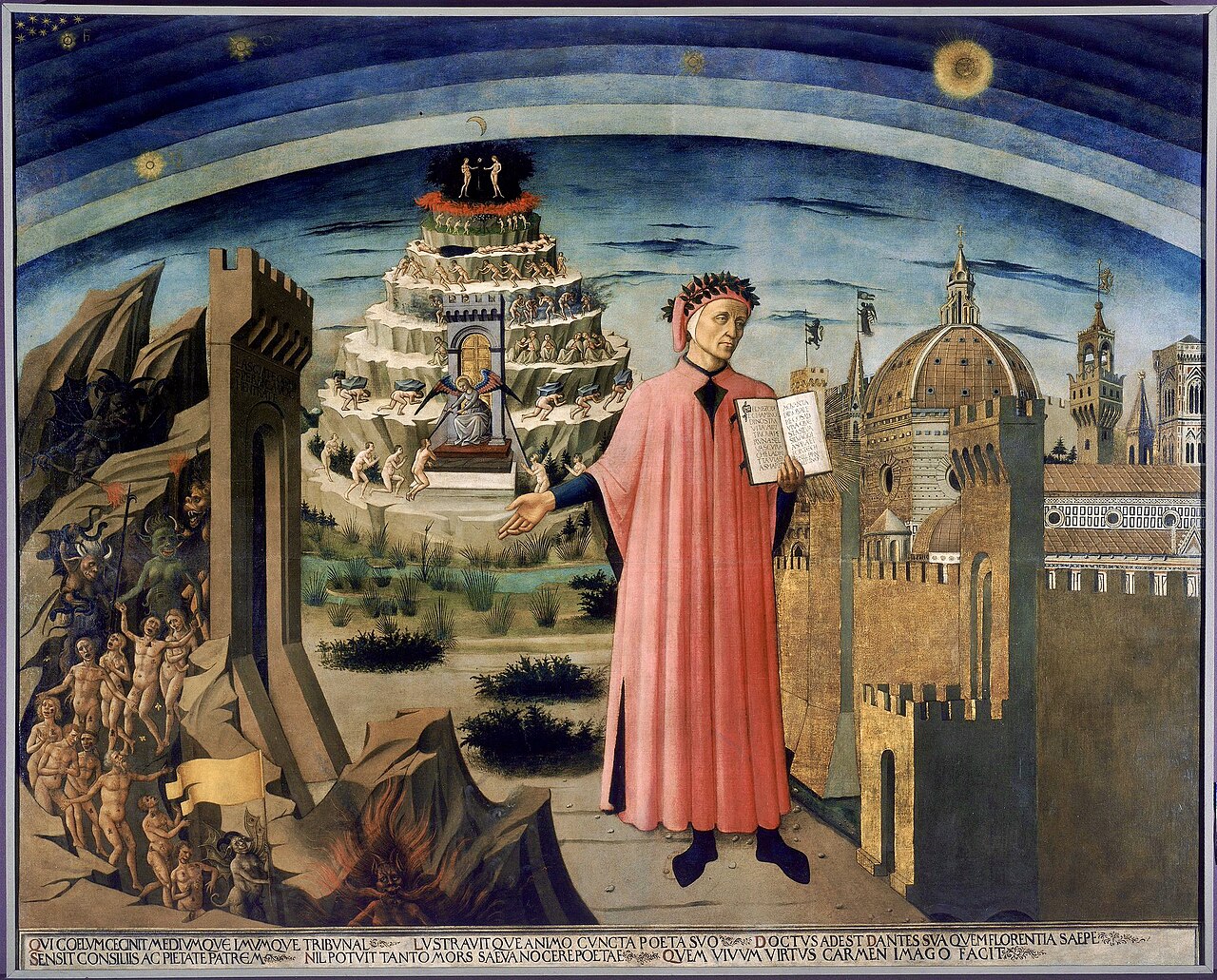 Book
Secondary source
The Divine Comedy
Dante Alighieri · 1320
 Book
Primary source
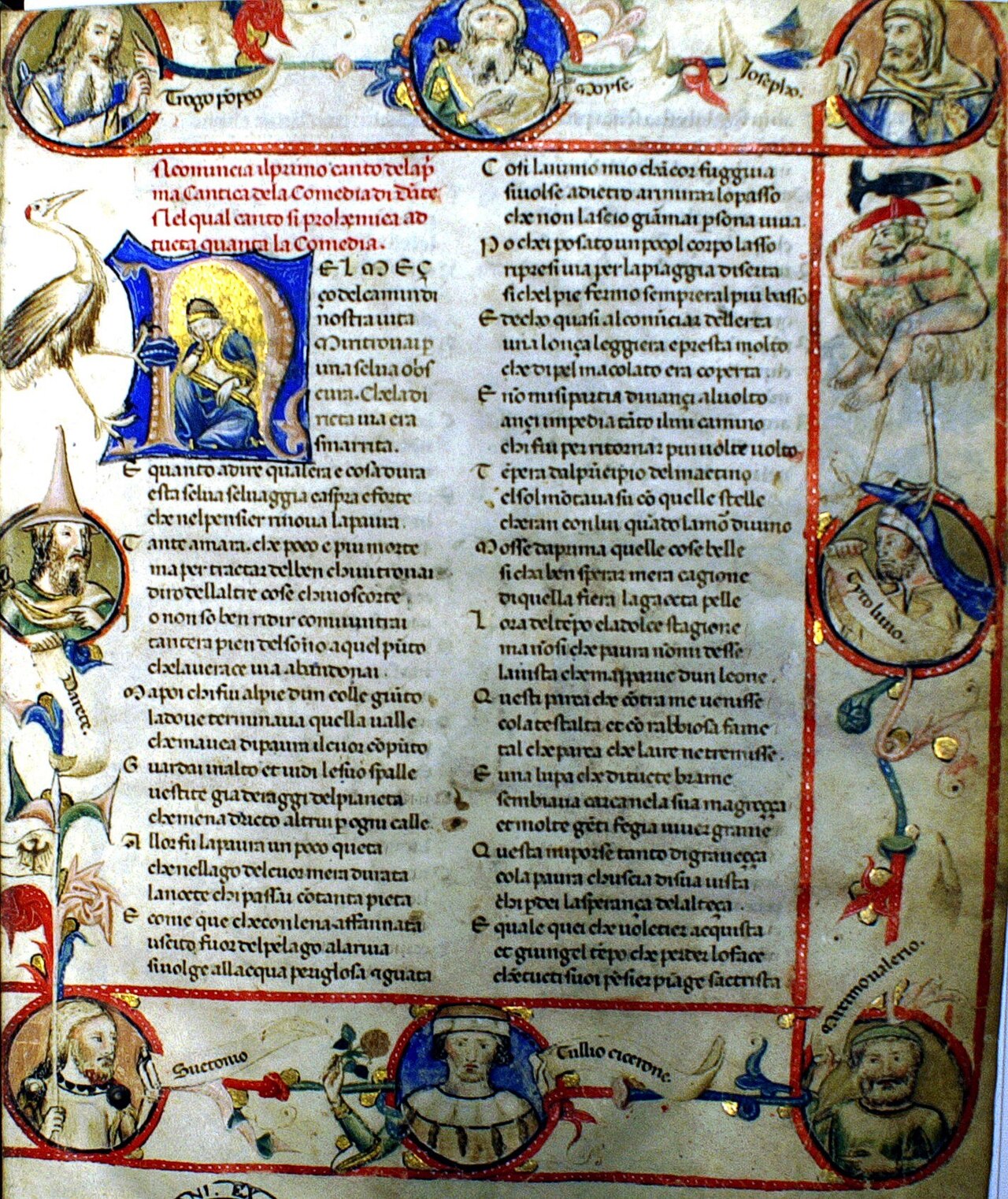
Inferno
Dante Alighieri · c. 1306–1310
 Book
Primary source
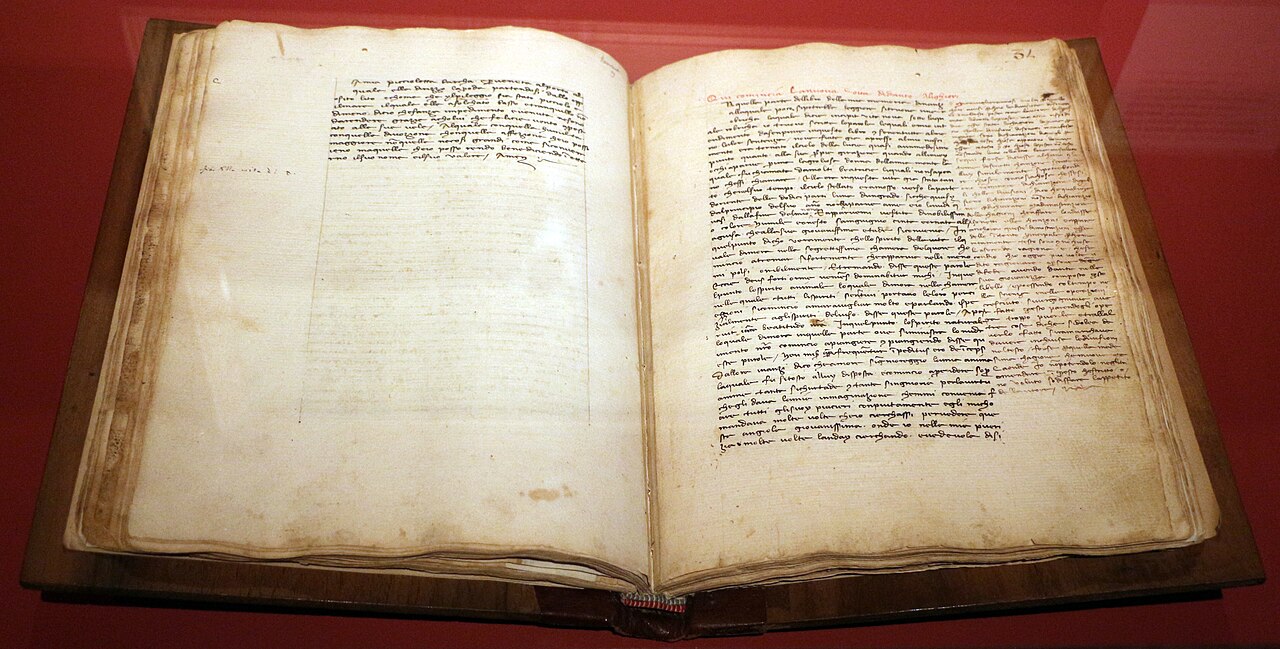
Vita Nuova
Dante Alighieri · before 1294
 Book
Primary source
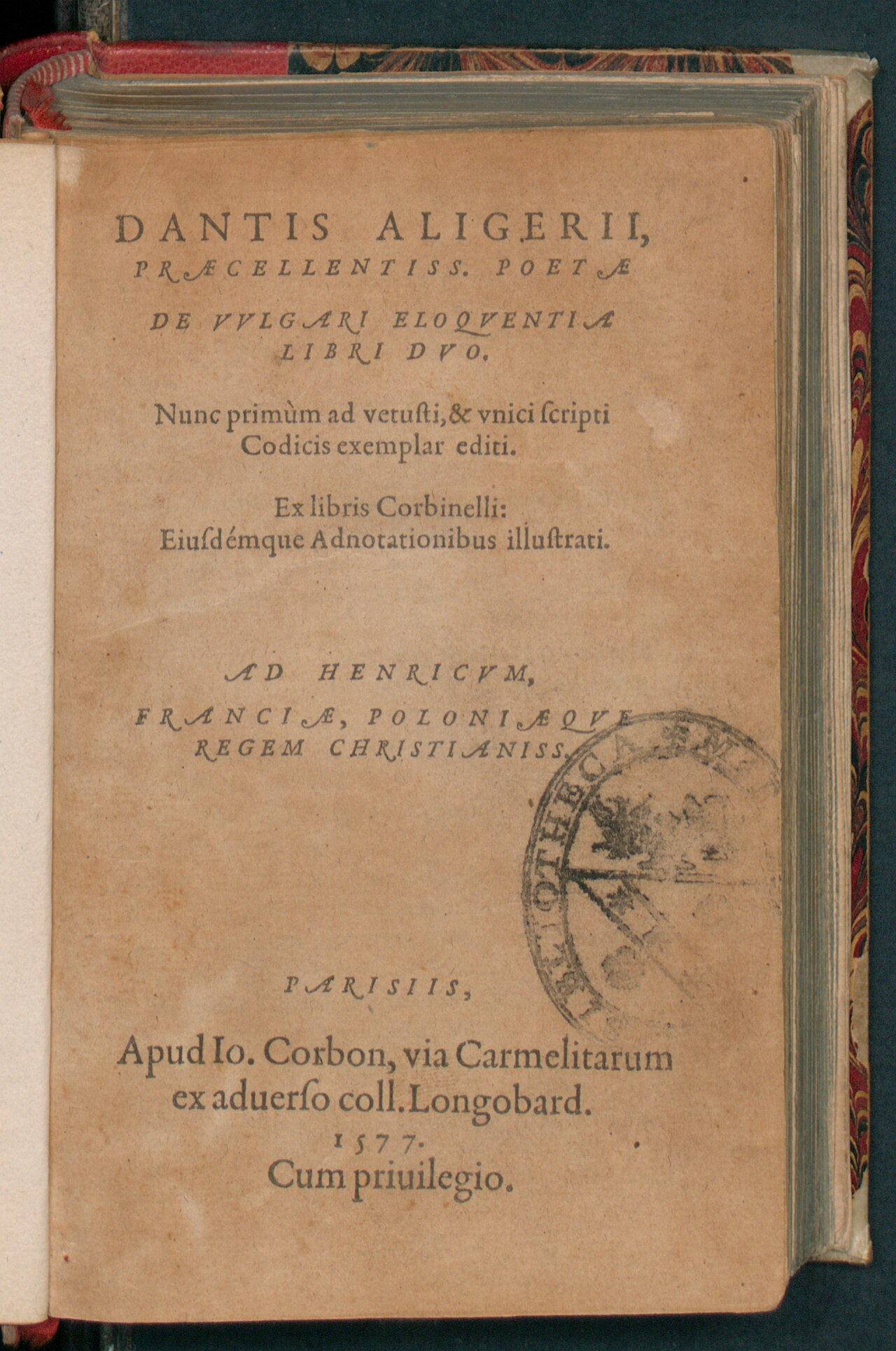
De vulgari eloquentia
Dante Alighieri · c. 1302–1305
 Book
Primary source
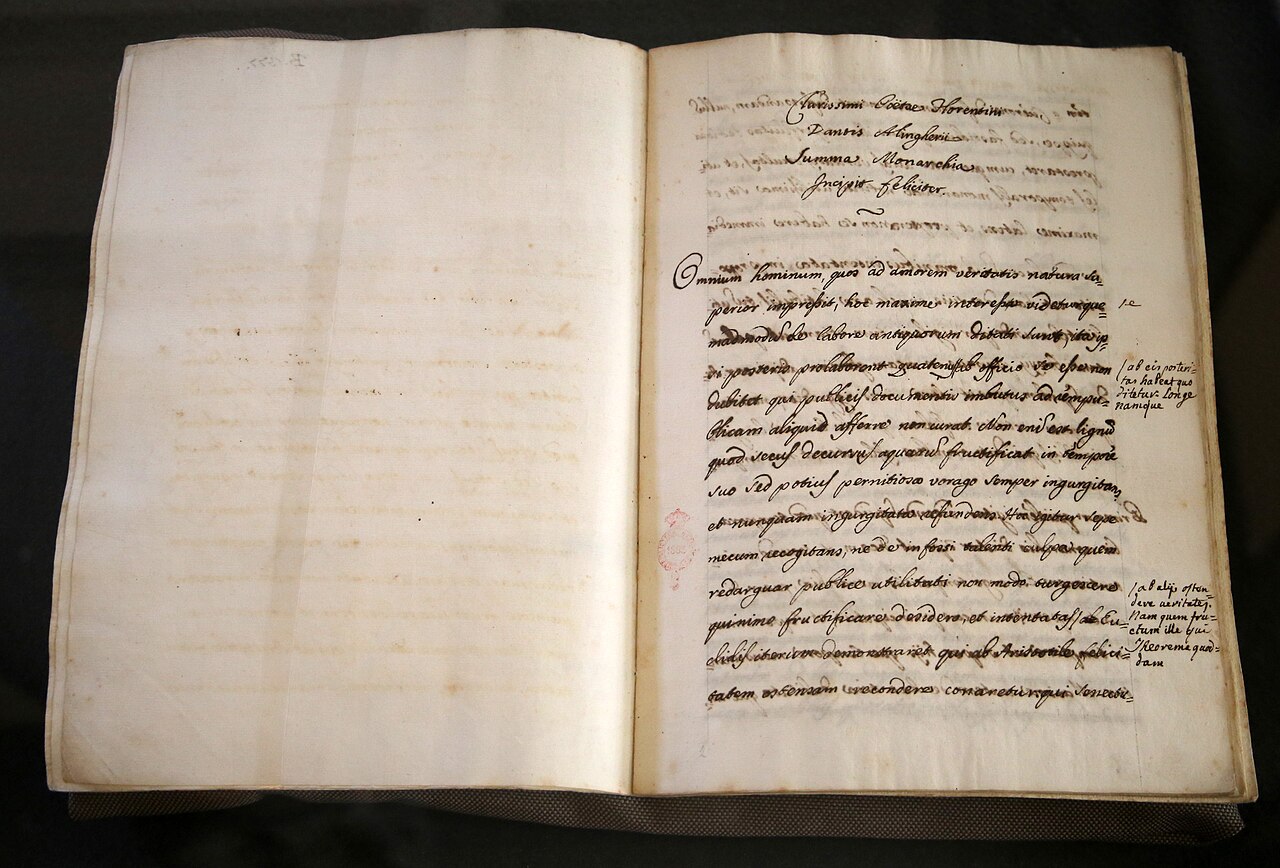
De Monarchia
Dante Alighieri · c. 1312–1313
Ready when you are
Start chatting with Dante Alighieri now.
20 messages free · No credit card · Available in 50+ languages.