


Secondary sourceBook1321
Paradiso
Dante Alighieri · 1321
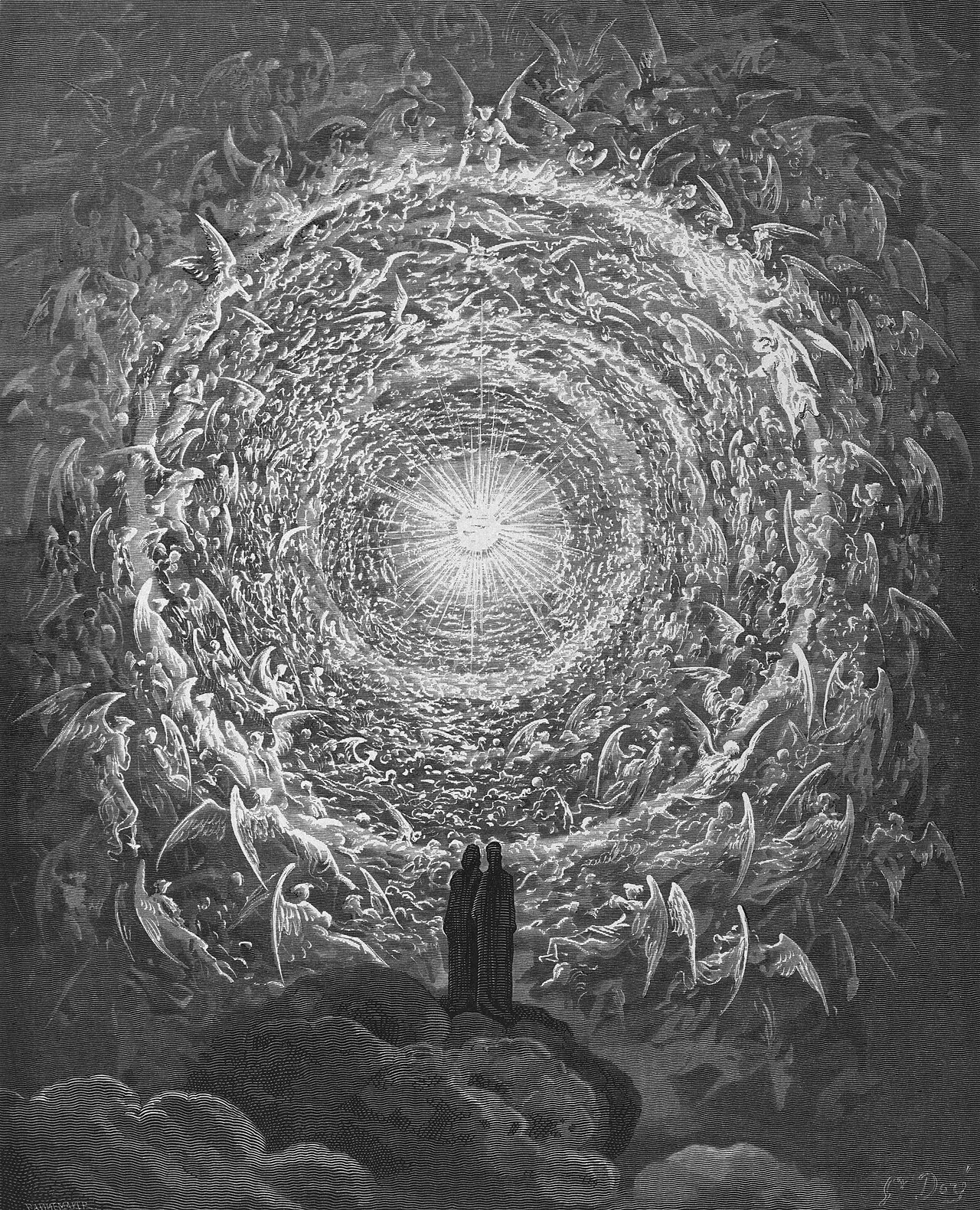
The final part of Dante's Divine Comedy, in which Thomas Aquinas appears as a wise speaker in the Heaven of the Sun.
Dante placed Aquinas among the wise in Paradise, showing his reputation as a teacher within decades of his death.
About this source
What it is
Paradiso is the third part of Dante Alighieri's Divine Comedy, written in the early 14th century and completed near Dante's death. It describes Dante's guided journey through the heavenly spheres with Beatrice.
Why it matters
Within decades of his death, Dante placed Thomas Aquinas among the wise souls in the Heaven of the Sun, where he speaks and praises St Francis. This shows how quickly Aquinas's reputation as a great teacher spread beyond the Church into popular literature, becoming a symbol of wisdom for ordinary readers like Dante.
Look closer
- Why might Dante choose Aquinas, rather than inventing a fictional character, to speak about wisdom in Paradise?
- What does it say about Aquinas's reputation that a poet used him as a character only decades after his death?
- The image here is a 19th-century engraving by Gustave Doré illustrating the poem — how is that different from a historical record of Aquinas himself?
This book is part of the curated material that grounds the AI version of Saint Thomas Aquinas and Dante Alighieri on Humy.ai — when students ask about related events, the AI can quote it and cite it.
More Saint Thomas Aquinas sources
Meet the AI Saint Thomas Aquinas → Book
Primary source
Summa Theologica
Thomas Aquinas · 1274
 Painting
Secondary source
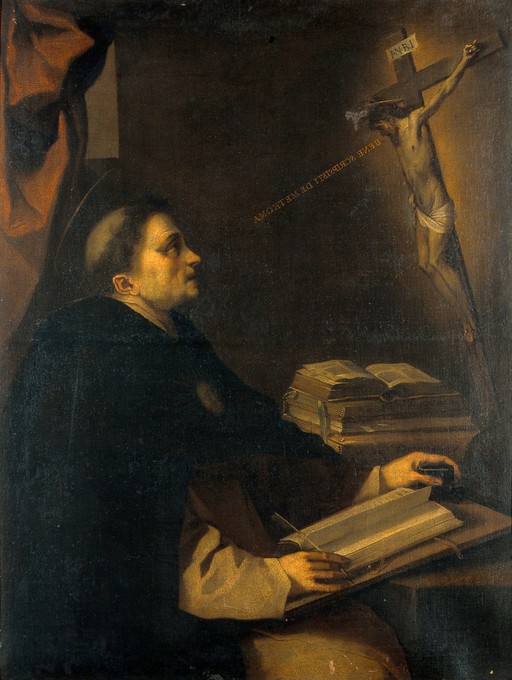
St Thomas Aquinas, 17th-century Italian oil painting
17th century
Primary source
Pange Lingua Gloriosi Corporis Mysterium
Thomas Aquinas · 1263
 Painting
Secondary source
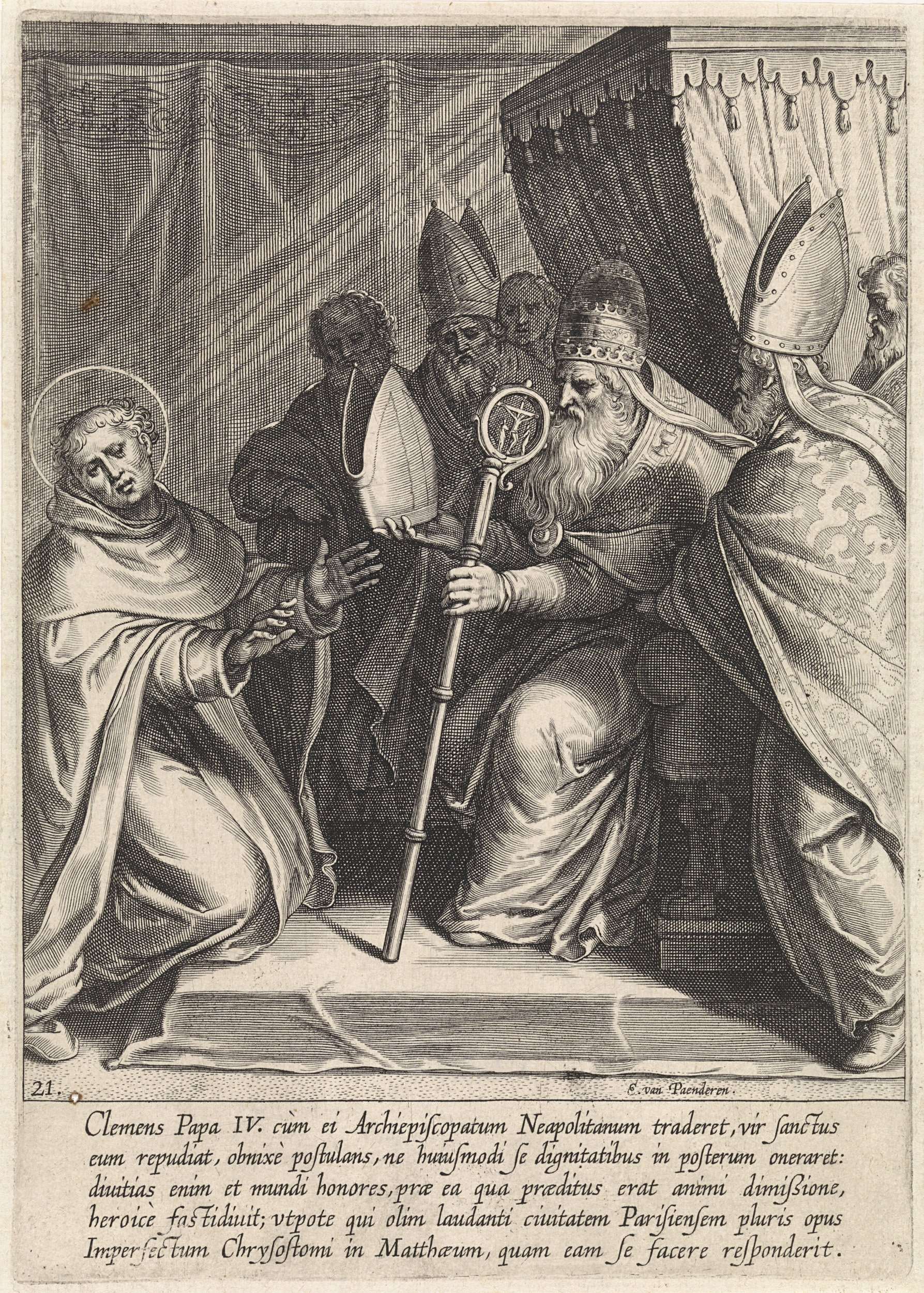
Thomas Aquinas Refuses the Archbishopric of Naples
1610
 Painting
Secondary source
Triumph of Saint Thomas Aquinas
Lippo Memmi · 1340
Ready when you are
Start chatting with Saint Thomas Aquinas now.
20 messages free · No credit card · Available in 50+ languages.