


Primary sourceBookearly 14th century
Purgatorio
Dante Alighieri · early 14th century
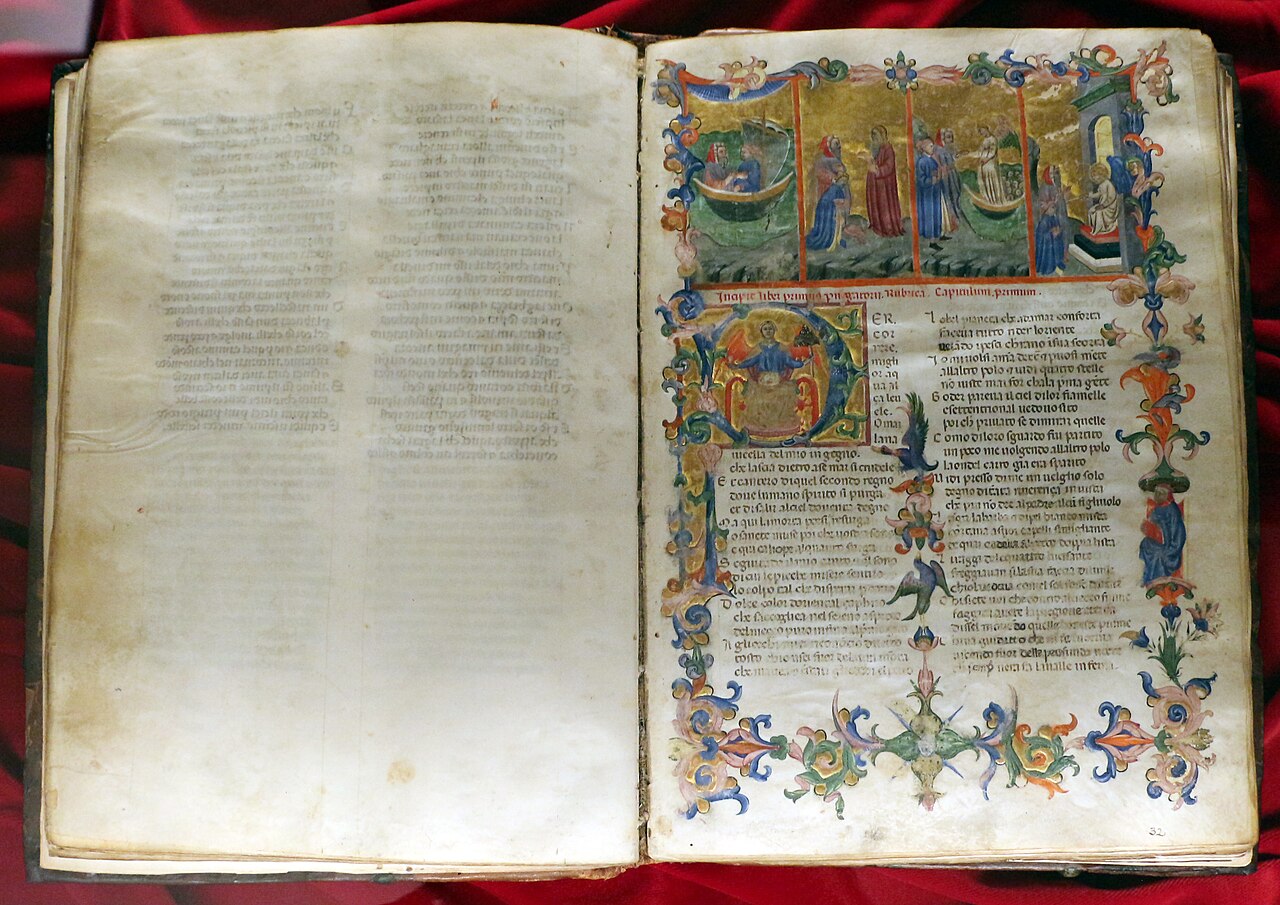
The second part of Dante's Divine Comedy, describing his climb up the Mountain of Purgatory with Virgil and then Beatrice.
Purgatorio is part of Dante's own great poem, showing his thinking on sin, penance and his tributes to fellow poets.
About this source
What it is
Purgatorio is the second part of Dante Alighieri's Divine Comedy, written in the early 14th century, following the Inferno and preceding the Paradiso. It tells of Dante's climb up the Mount of Purgatory, guided first by Virgil and then, in the final cantos, by Beatrice.
Why it matters
The poem explores sin as a form of perverted or deficient love and includes Dante's reflections on poetry, politics and the Church through encounters with souls undergoing penance, including fellow poets. It shows Dante's belief in the power of prayer to help souls and his view of moral and spiritual growth.
Look closer
- Why might Dante have chosen to meet fellow poets specifically in Purgatory rather than Hell or Heaven?
- What does the theme of prayer shortening souls' suffering tell us about Dante's religious beliefs?
- How does the shift in guide from Virgil to Beatrice change the meaning of the journey?
This book is part of the curated material that grounds the AI version of Dante Alighieri on Humy.ai — when students ask about related events, the AI can quote it and cite it.
More Dante Alighieri sources
Meet the AI Dante Alighieri →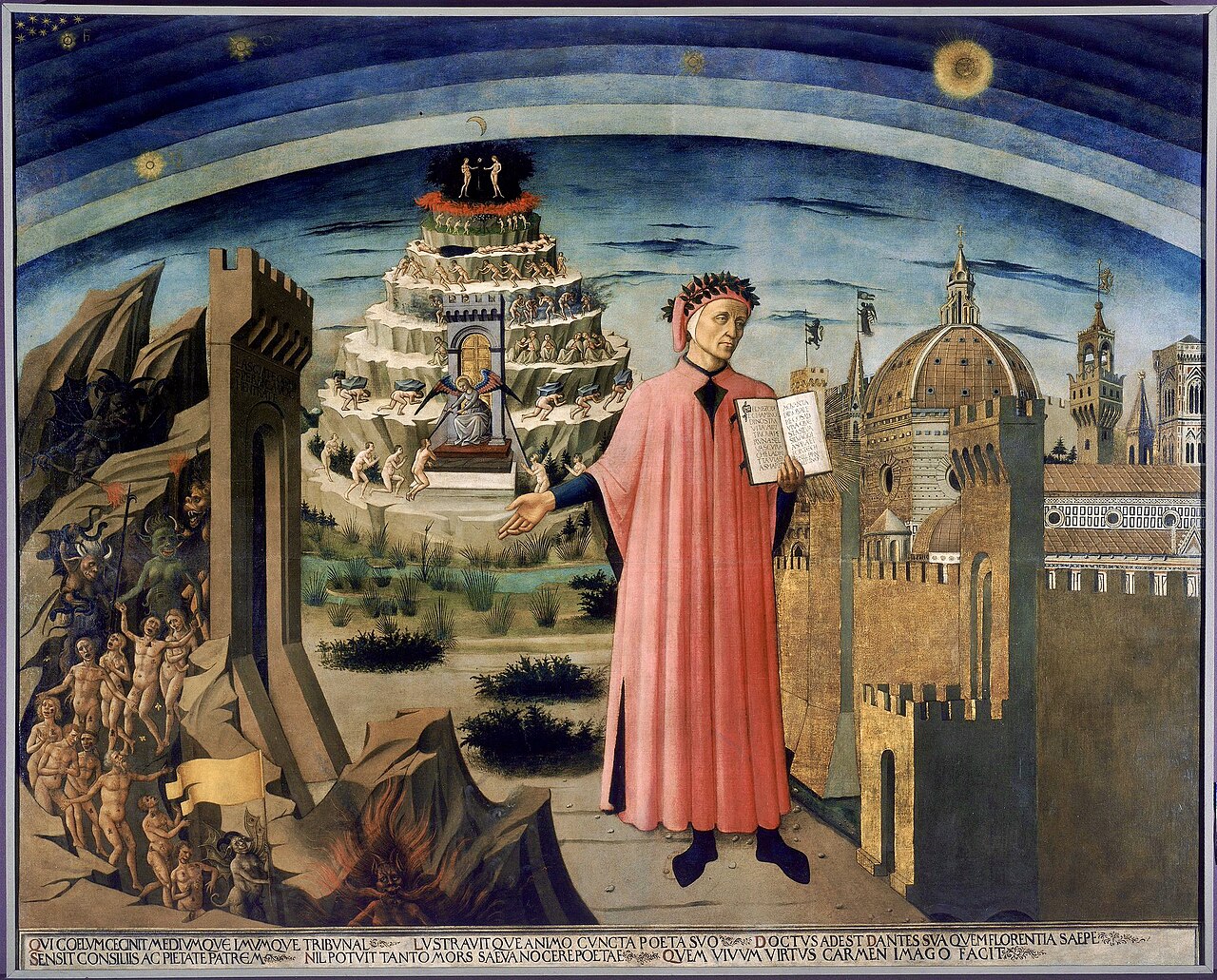 Book
Secondary source
The Divine Comedy
Dante Alighieri · 1320
 Book
Primary source
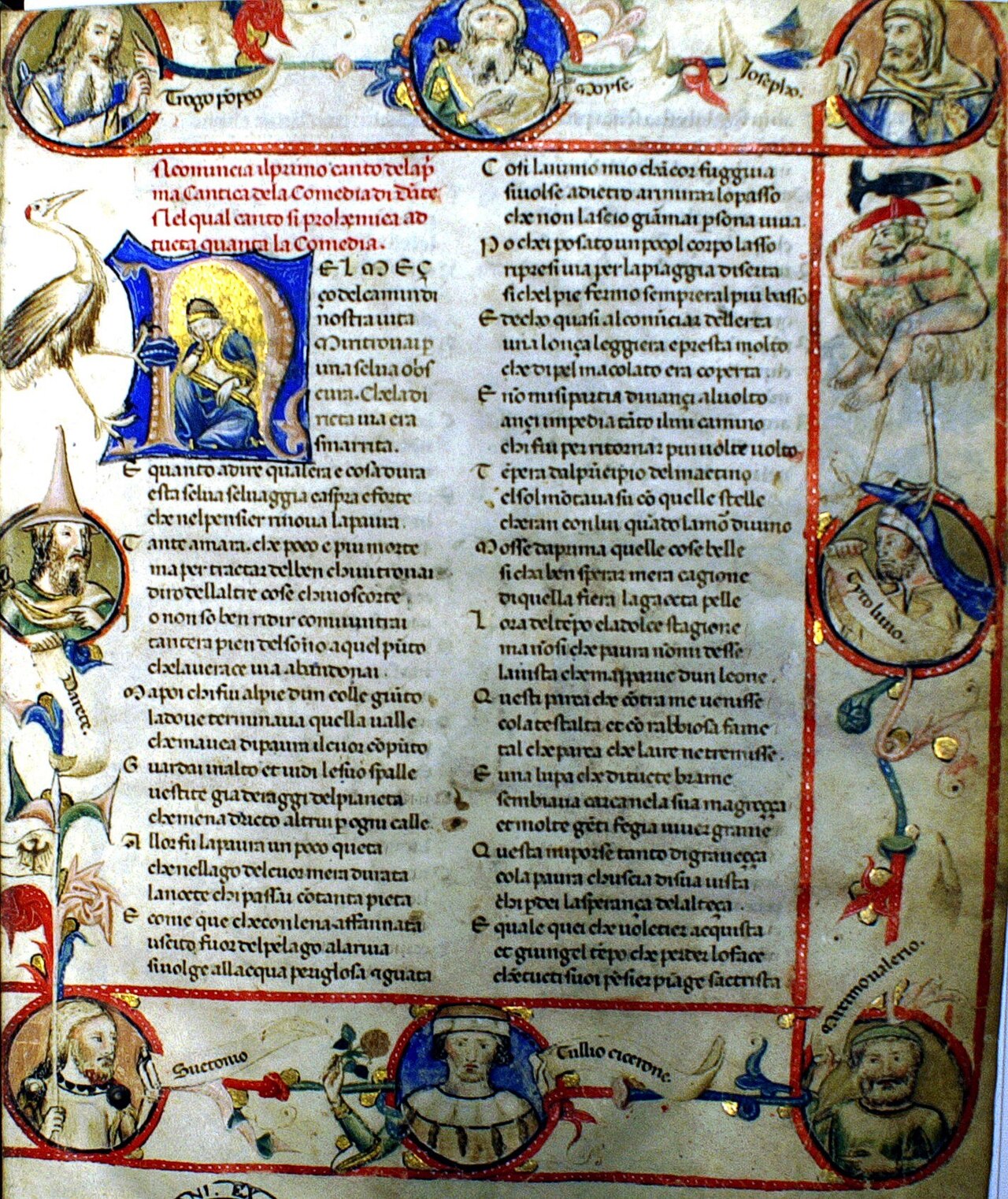
Inferno
Dante Alighieri · c. 1306–1310
 Book
Primary source
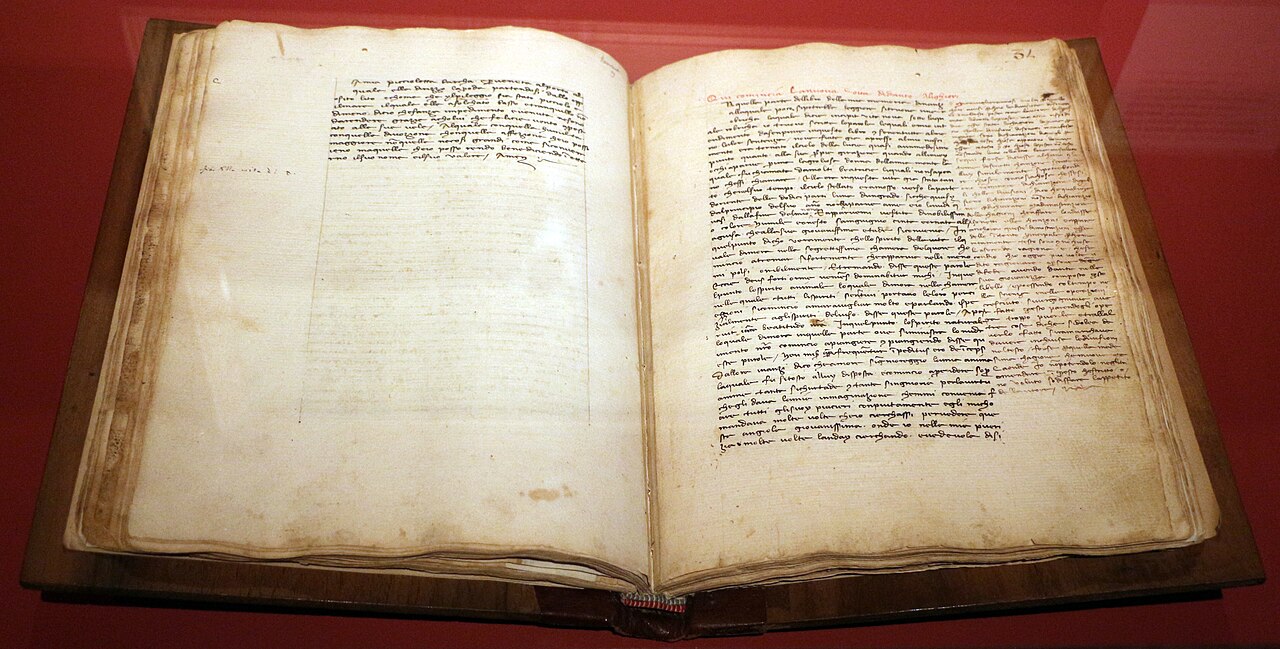
Vita Nuova
Dante Alighieri · before 1294
 Book
Primary source
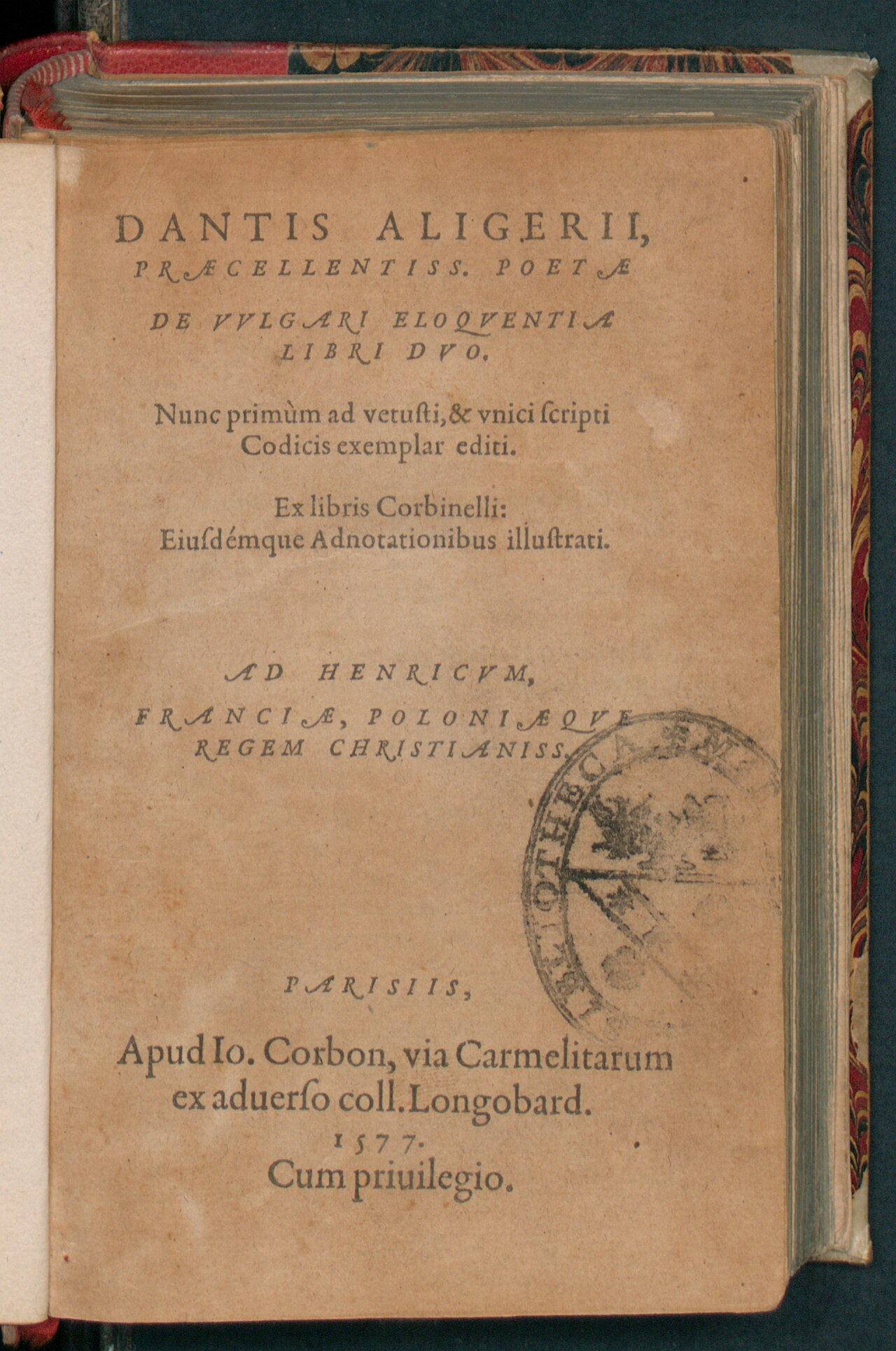
De vulgari eloquentia
Dante Alighieri · c. 1302–1305
 Book
Primary source
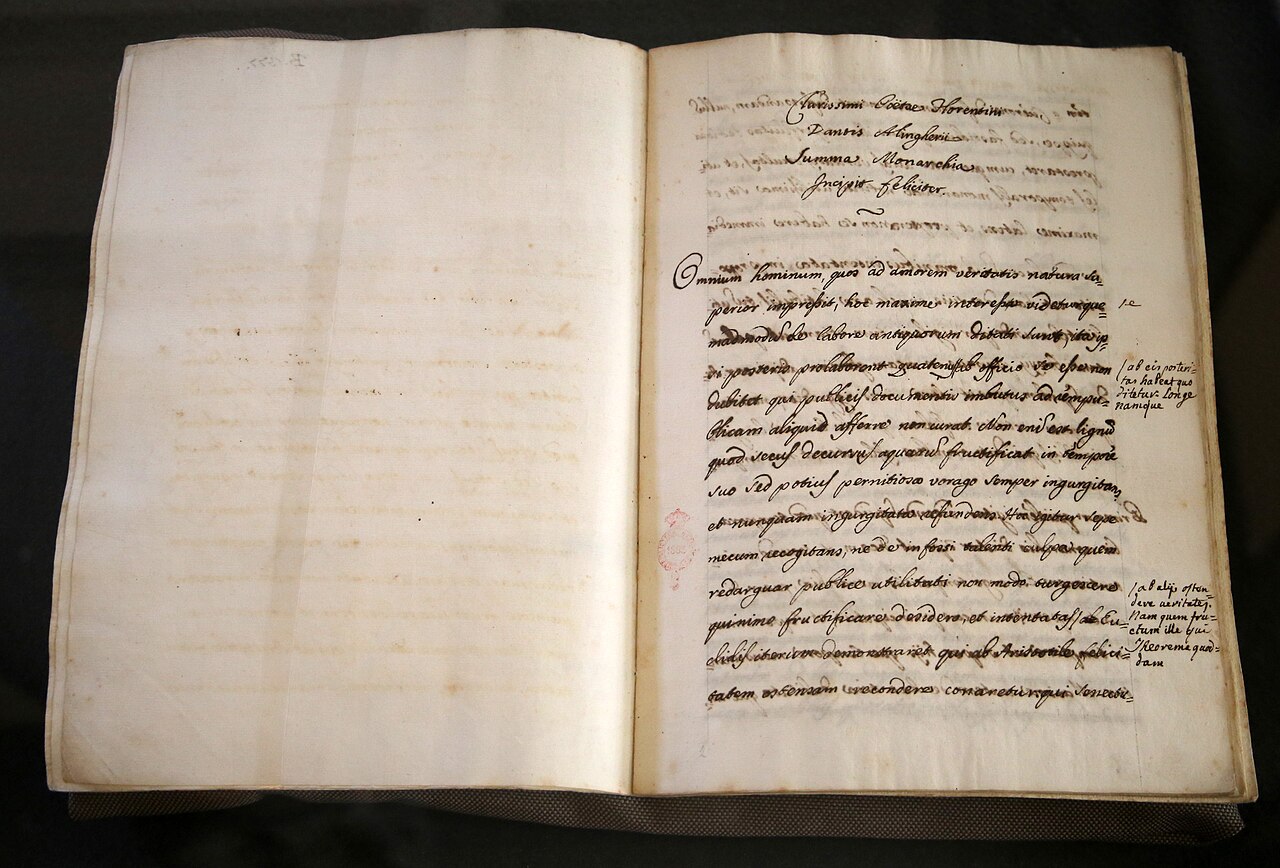
De Monarchia
Dante Alighieri · c. 1312–1313
Ready when you are
Start chatting with Dante Alighieri now.
20 messages free · No credit card · Available in 50+ languages.