


Secondary sourcePaintingc. 1444-1450
Yates Thompson 36 Illuminated Divine Comedy
Priamo della Quercia and Giovanni di Paolo · c. 1444-1450
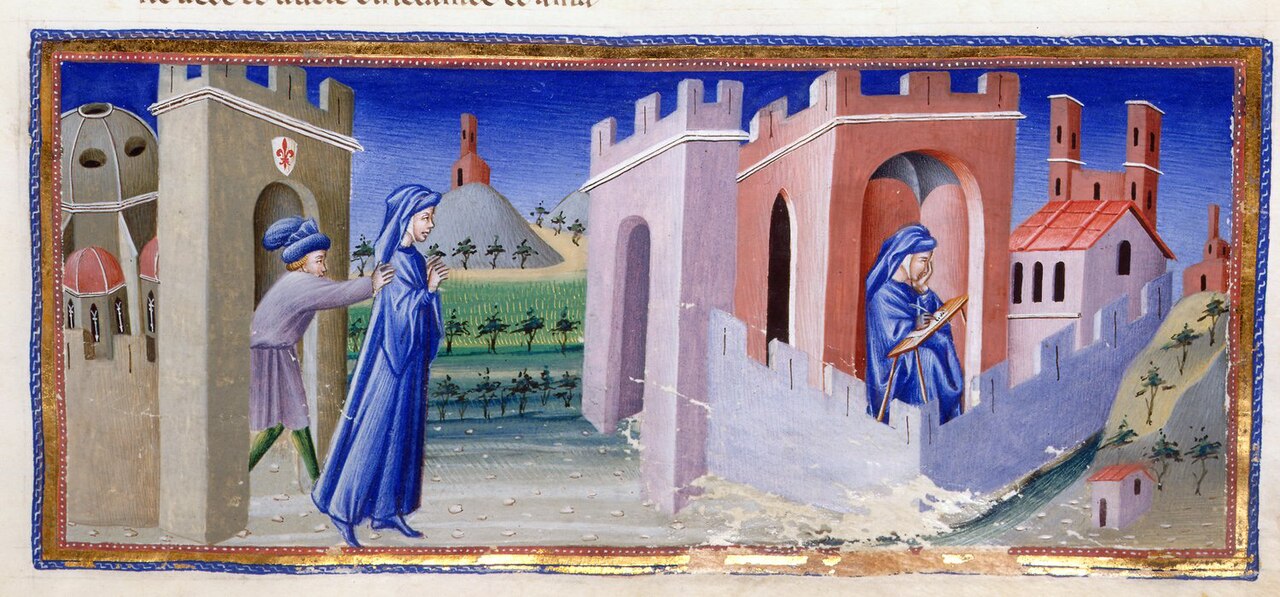
A richly illustrated Sienese manuscript of the Divine Comedy, with a miniature showing Dante as the protagonist of his own poem.
This illuminated manuscript depicts Dante as the central character of his own Divine Comedy.
About this source
What it is
This is a page from an illuminated manuscript of Dante's Divine Comedy, painted by Priamo della Quercia and Giovanni di Paolo around 1444-1450 and now held at the British Library. The miniature shown illustrates a scene from Paradiso, showing Dante near a gate.
Why it matters
This manuscript is one of the finest surviving illustrated copies of the Comedy, showing how artists a century after Dante's death imagined scenes from his poem. It reflects how deeply his vision of Hell, Purgatory and Paradise had entered the visual culture of Italy, inspiring painters to give form to his words. The manuscript's influence can even be traced in later paintings, showing how artists built on each other's interpretations of Dante.
- How does the artist show Dante as a character within his own story?
- What choices did the illustrator make in turning written poetry into an image?
- Why might a wealthy patron commission such an elaborately decorated copy of the poem?
This painting is part of the curated material that grounds the AI version of Dante Alighieri on Humy.ai — when students ask about related events, the AI can quote it and cite it.
More Dante Alighieri sources
Meet the AI Dante Alighieri →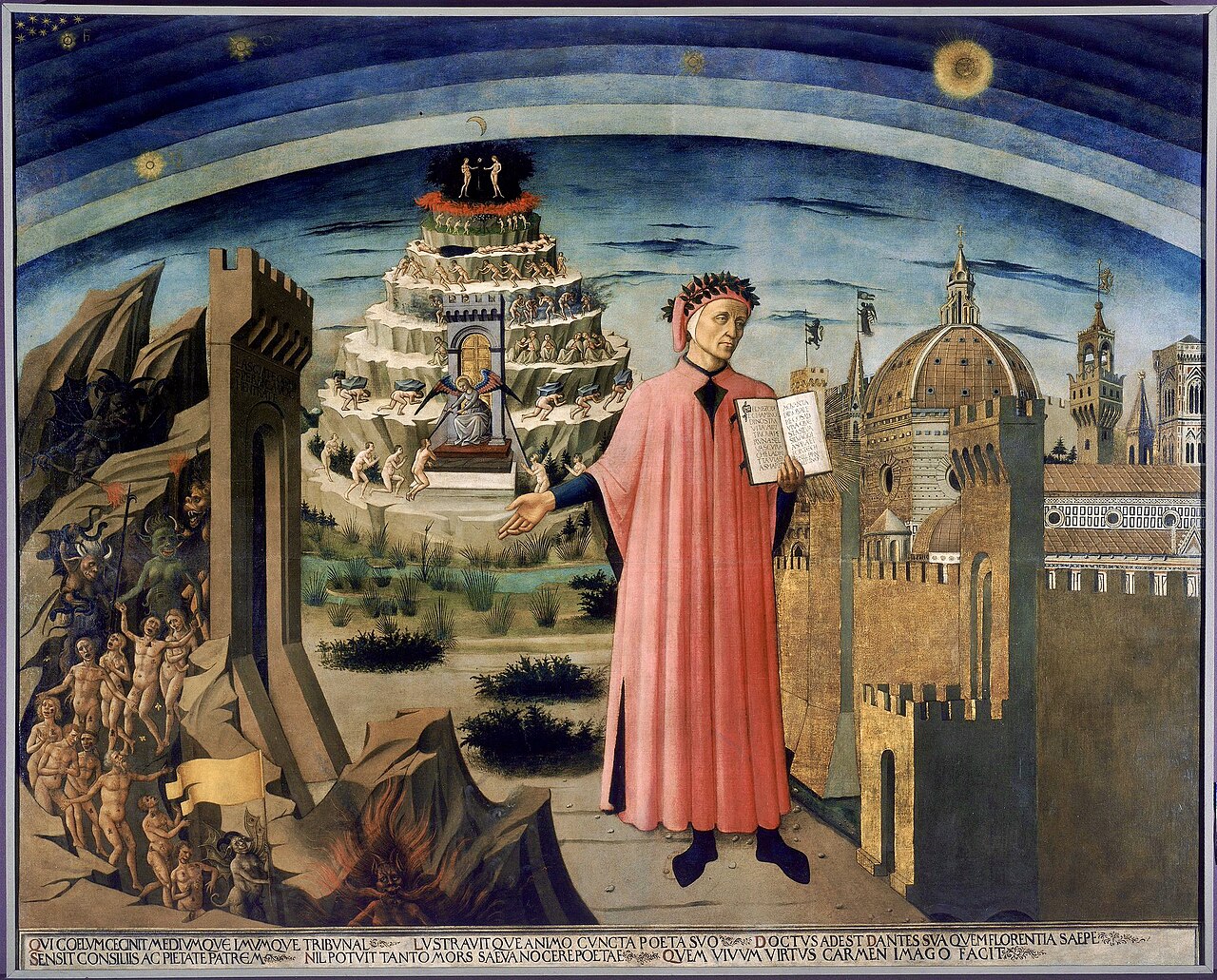 Book
Secondary source
The Divine Comedy
Dante Alighieri · 1320
 Book
Primary source
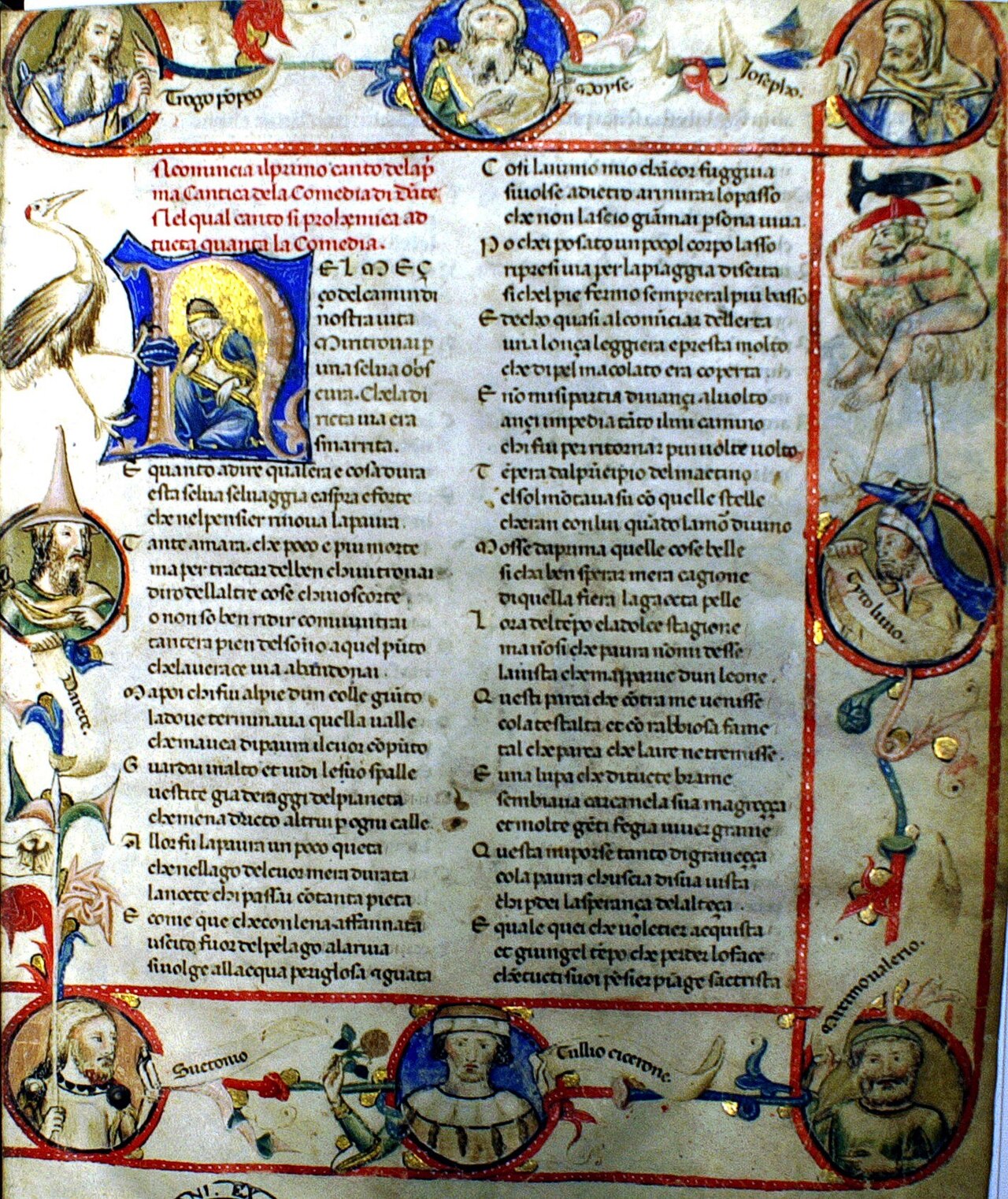
Inferno
Dante Alighieri · c. 1306–1310
 Book
Primary source
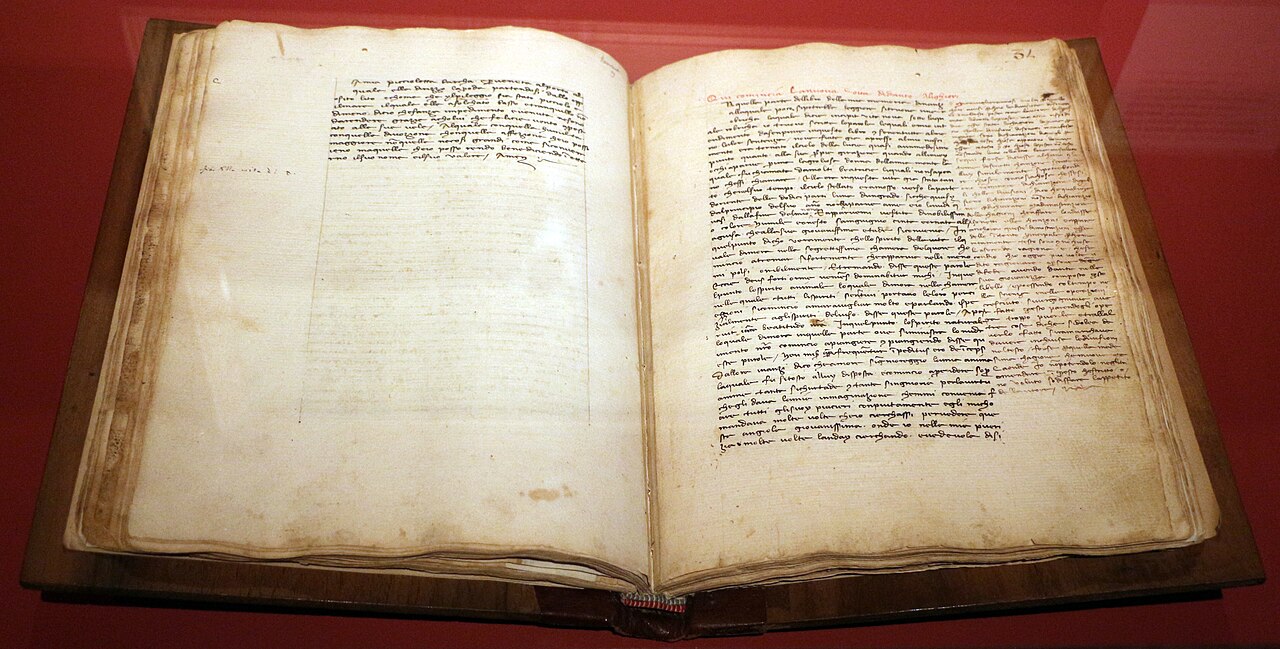
Vita Nuova
Dante Alighieri · before 1294
 Book
Primary source
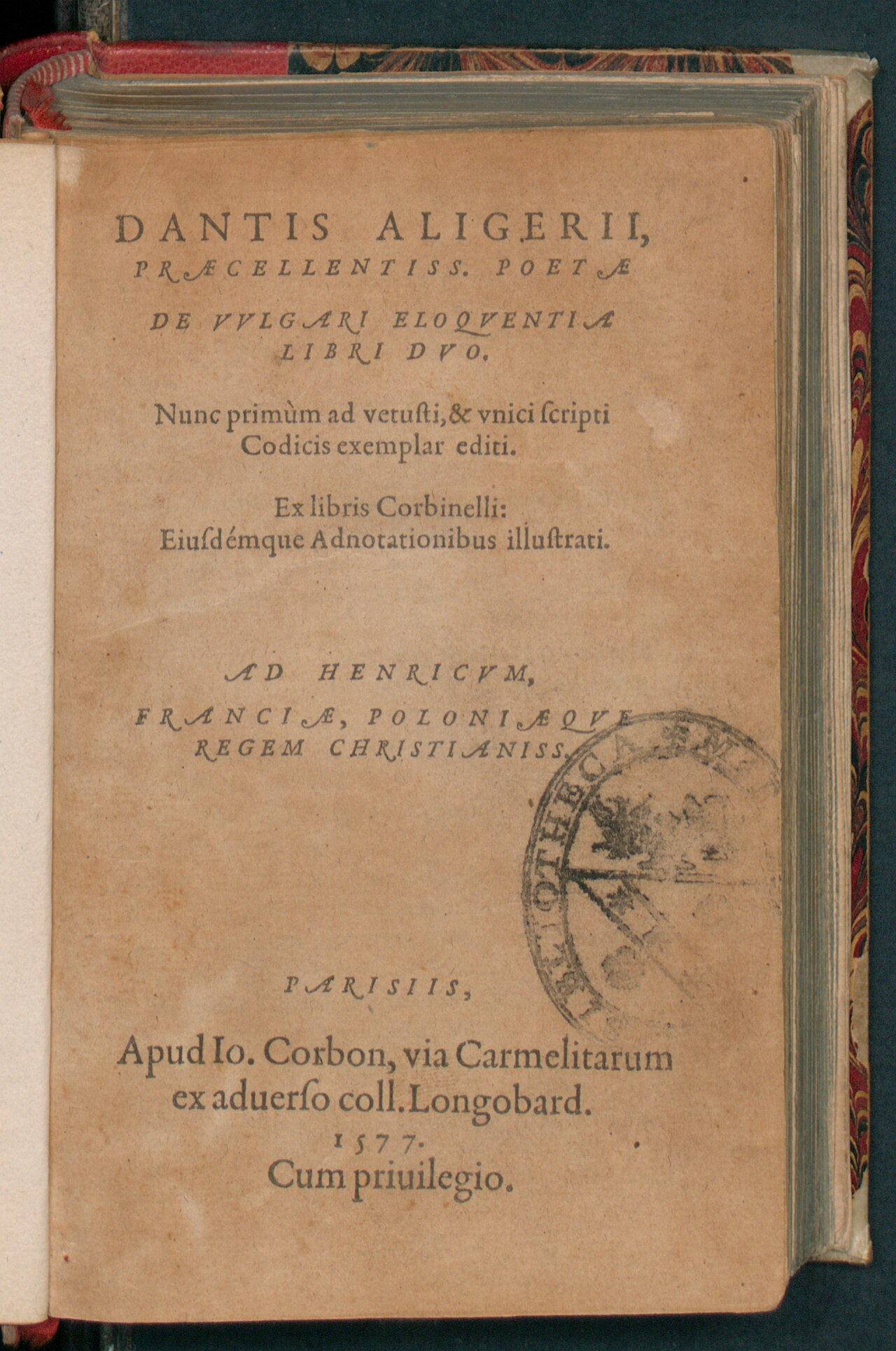
De vulgari eloquentia
Dante Alighieri · c. 1302–1305
 Book
Primary source
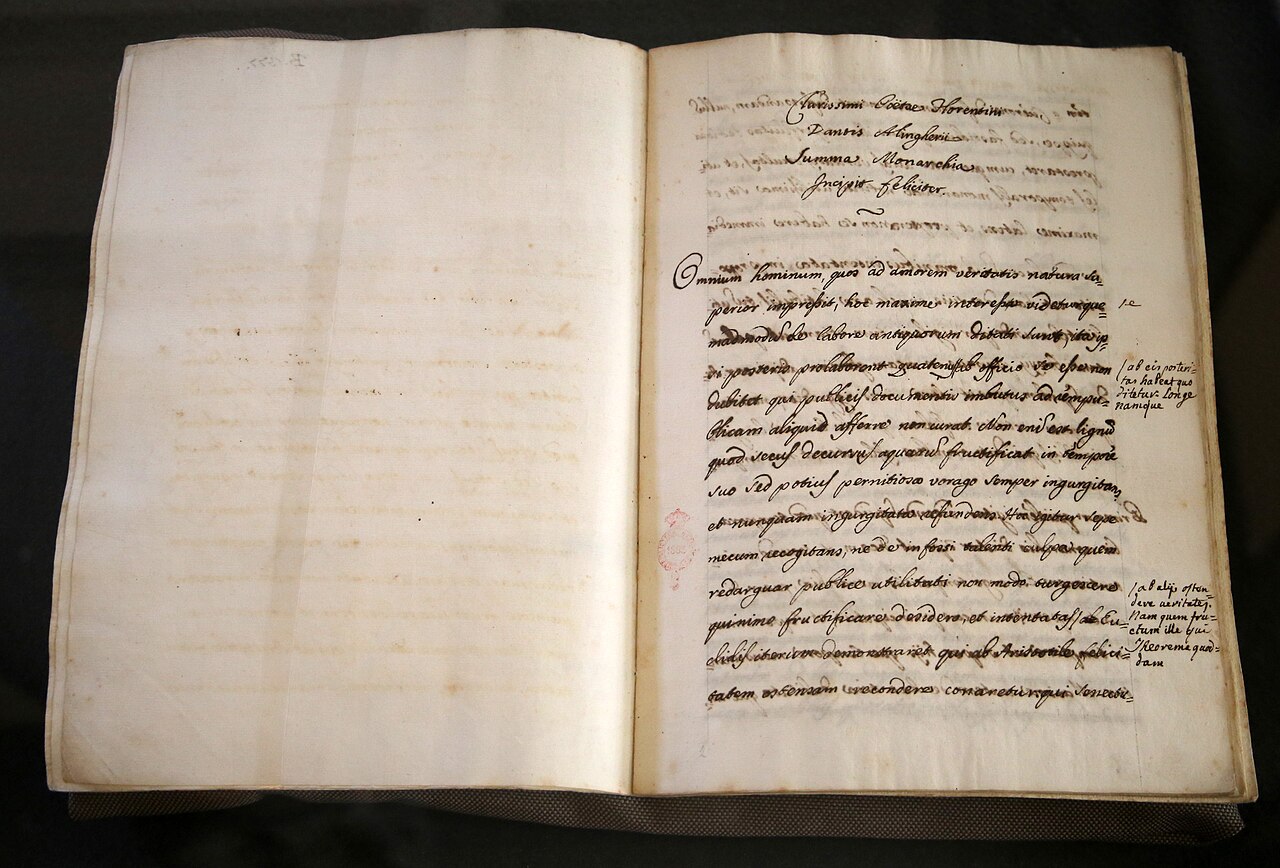
De Monarchia
Dante Alighieri · c. 1312–1313
Ready when you are
Start chatting with Dante Alighieri now.
20 messages free · No credit card · Available in 50+ languages.