


Primary sourcePaintingc. 1509-1511
The Parnassus
Raphael · c. 1509-1511
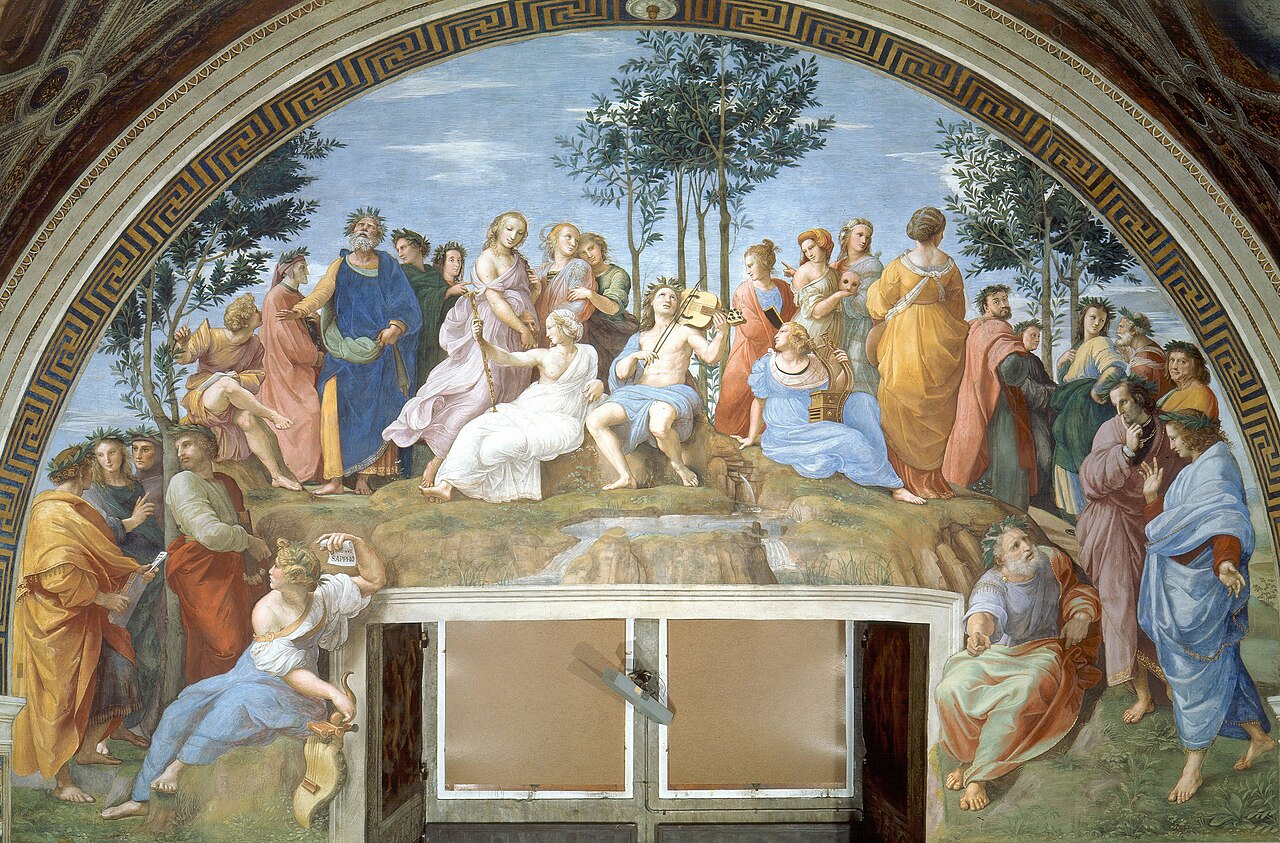
A fresco by Raphael showing Apollo, the Muses and famous poets, painted for the Pope's library in the Vatican.
Raphael painted this fresco himself as part of his major commission decorating the Pope's private rooms.
About this source
What it is
The Parnassus is a fresco painted by Raphael in the Stanza della Segnatura, part of the Raphael Rooms in the Vatican Palace, commissioned by Pope Julius II. It was probably painted between 1509 and 1511, around the same time as Raphael's School of Athens, and shows Apollo on Mount Parnassus surrounded by the nine Muses and poets from antiquity and Raphael's own time, including Homer and Dante.
Why it matters
The fresco represents poetry as one of four areas of human knowledge decorating the room, alongside philosophy, religion and law. It shows how Raphael blended classical mythology with contemporary figures, and even borrowed the expression of the ancient sculpture Laocoön for his figure of Homer, revealing how Renaissance artists studied and reused classical art.
Look closer
- Why might Raphael have mixed ancient poets with poets from his own era in the same scene?
- What does the choice of Apollo and the Muses tell us about how poetry was understood at this time?
- Why is there only one woman shown as a poet rather than a muse, and how is she identified?
This painting is part of the curated material that grounds the AI version of Raphael and Dante Alighieri on Humy.ai — when students ask about related events, the AI can quote it and cite it.
More Raphael sources
Meet the AI Raphael →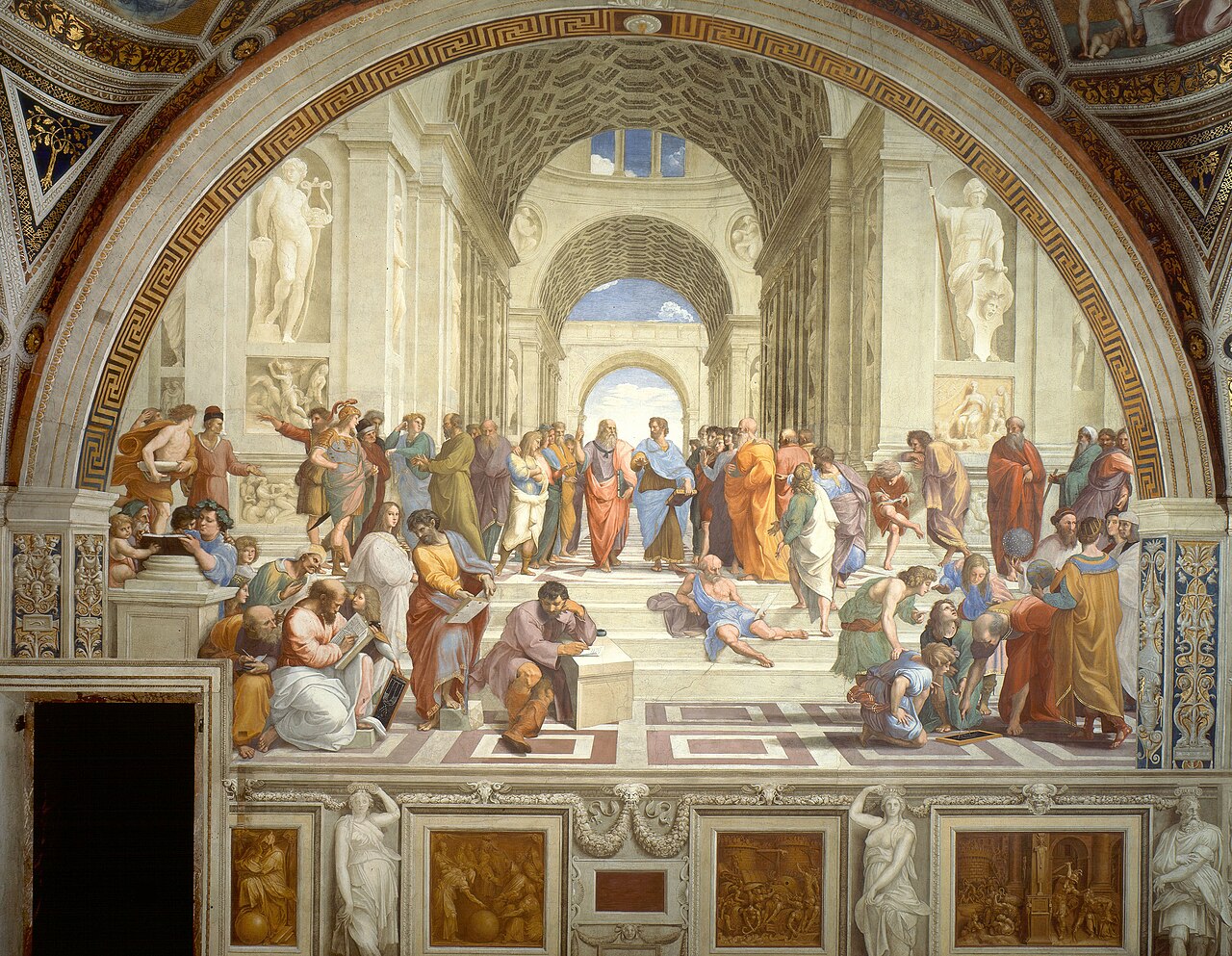 Painting
Secondary source
The School of Athens
Raphael · 1509-1511
 Painting
Secondary source
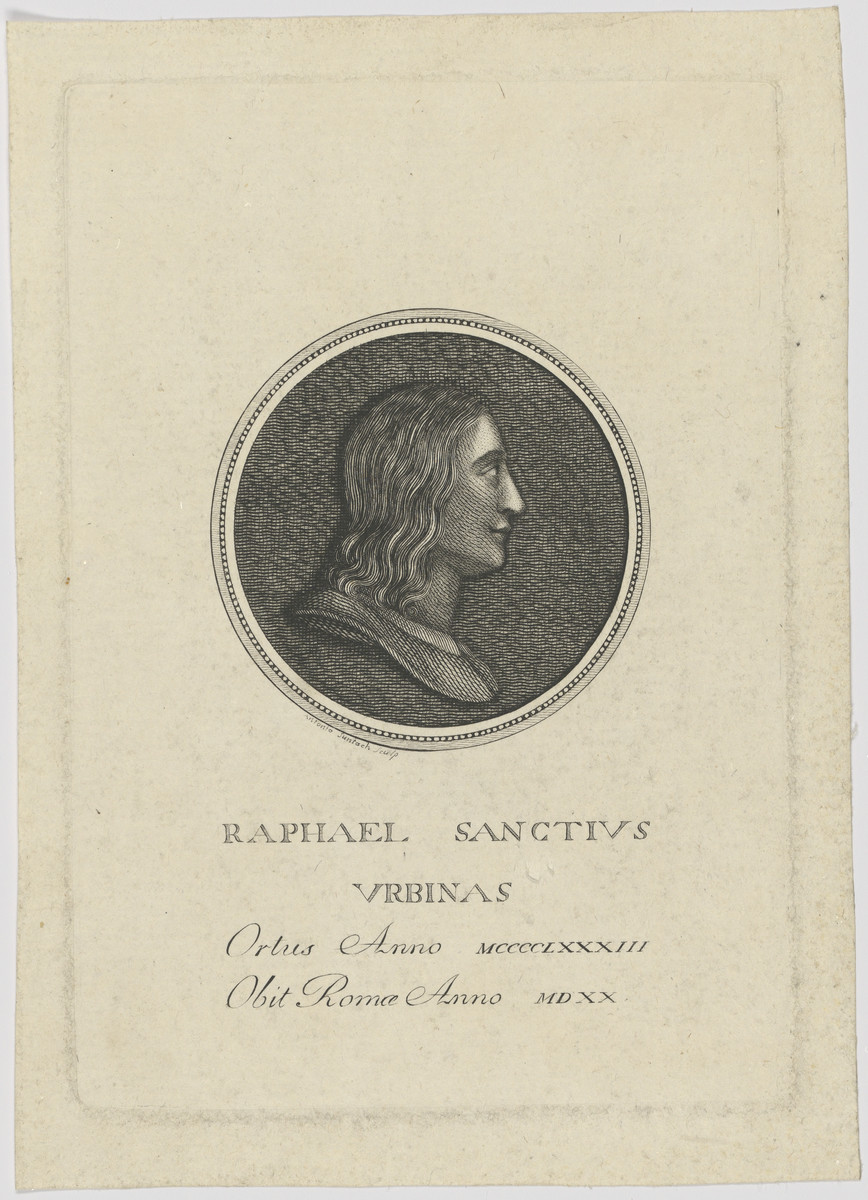
Portrait of Raphael Sanctive
Antonio Suntach
 Painting
Secondary source
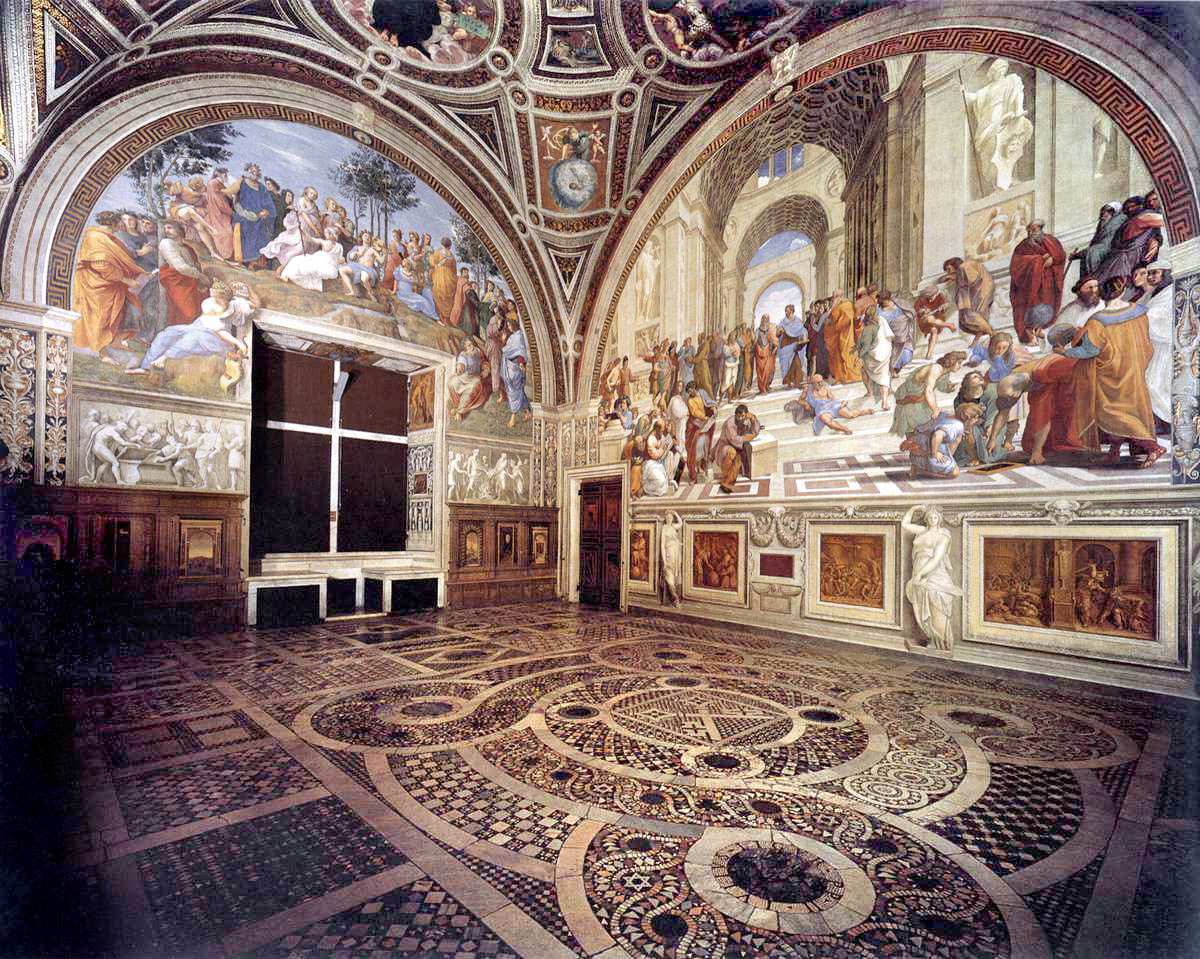
Raphael Rooms: Sala di Costantino
Raphael · 1508-1524
 Photograph
Secondary source
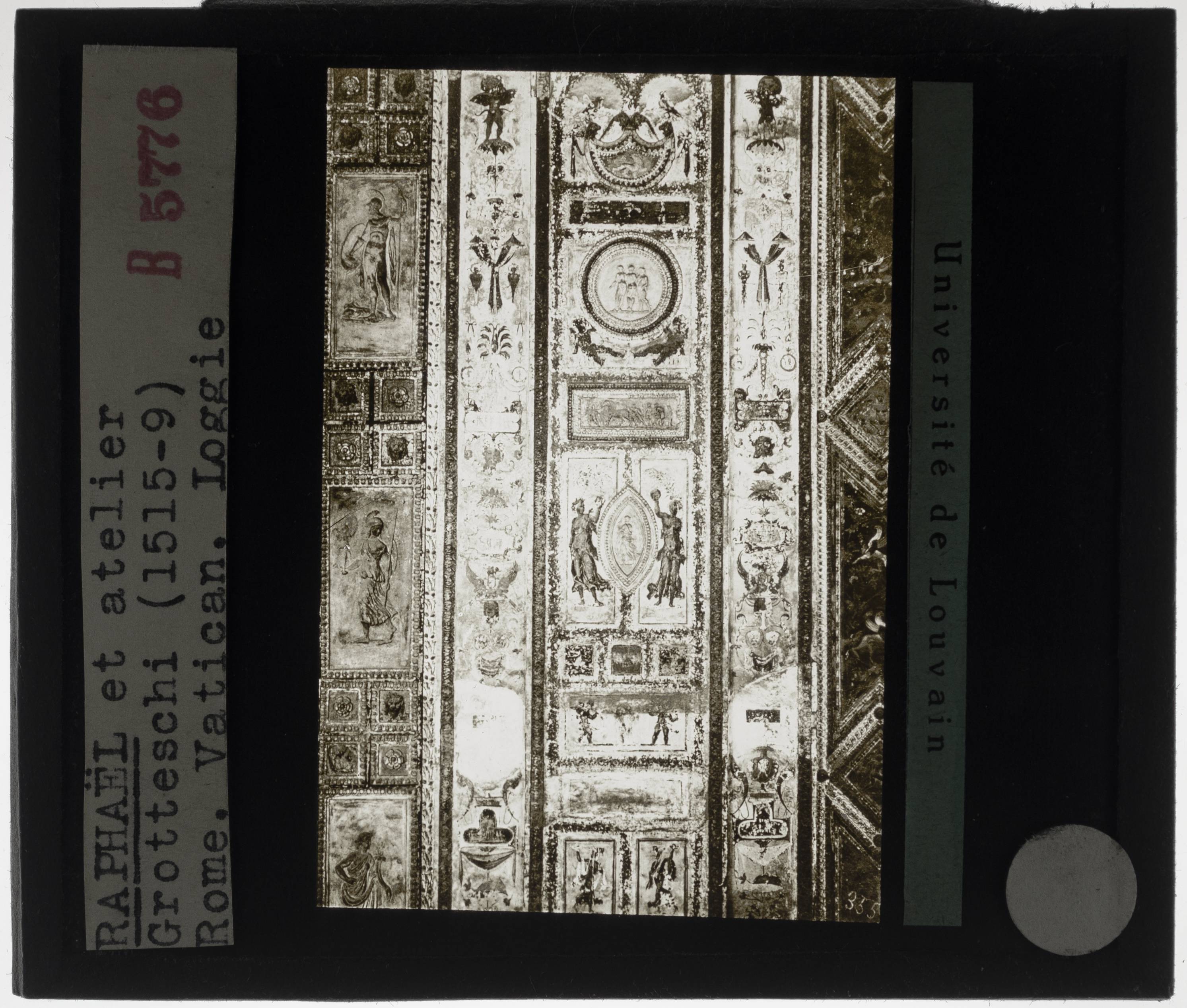
Glass Slide of Raphael's Grotesques in the Vatican
Raphael · 1518-1519 (fresco); slide made 1839-1939
 Painting
Primary source
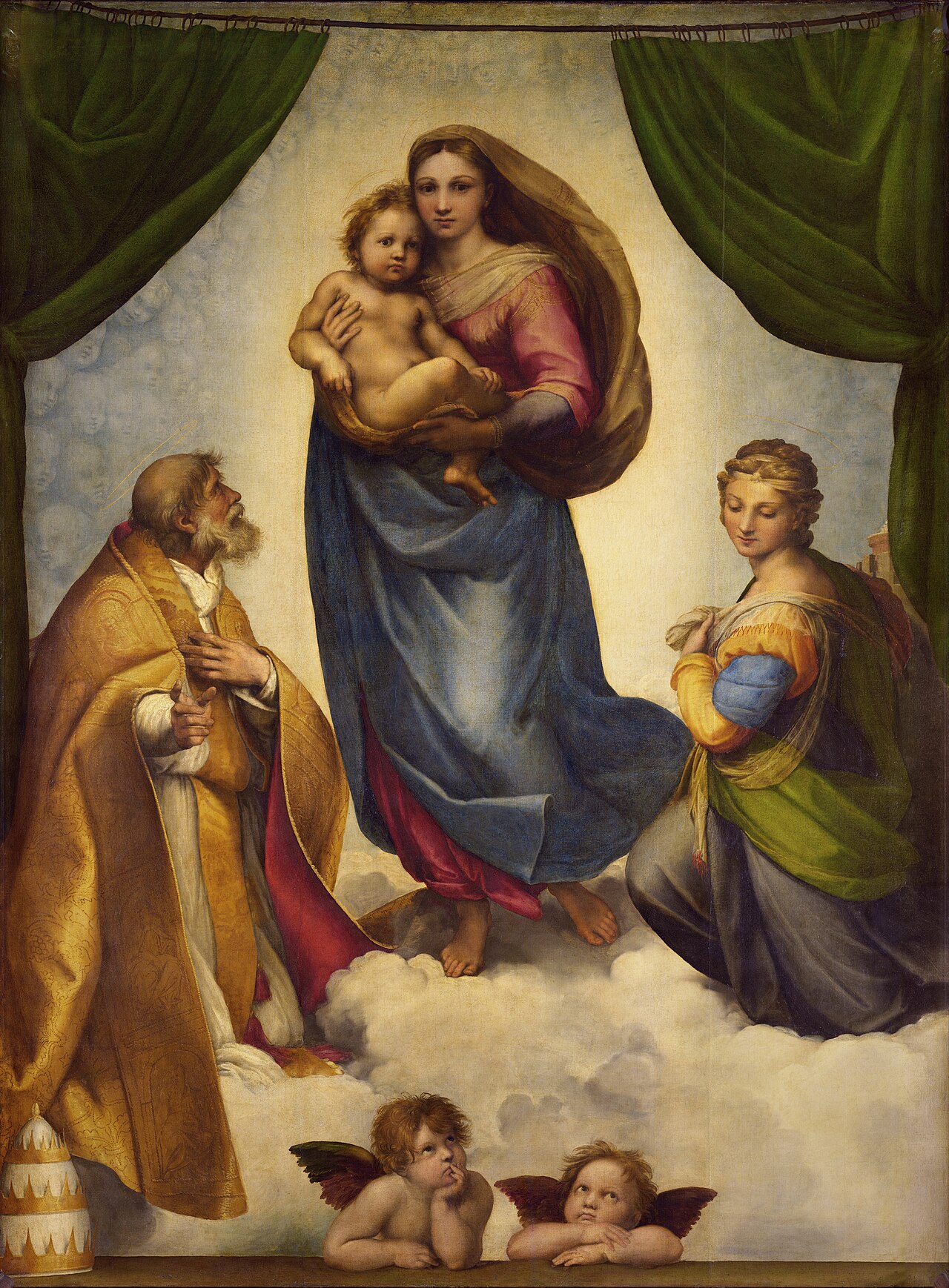
Sistine Madonna
Raphael · c. 1513-1514
Ready when you are
Start chatting with Raphael now.
20 messages free · No credit card · Available in 50+ languages.