


Secondary sourceBook1896
The Ghost-Dance Religion and the Sioux Outbreak of 1890 (chapter on the Shawnee Prophet)
James Mooney · 1896
An 1896 ethnological study by James Mooney that discusses Tenskwatawa as part of a tradition of Native revitalization prophets.
Mooney's study examines Tenskwatawa's teachings as part of a wider pattern of Native prophetic movements.
Free Humy account · No credit card · 53,307 sources to read
About this source
What it is
This is a chapter from James Mooney's 1896 study for the Bureau of American Ethnology, published through the Smithsonian Institution. It examines Native religious and prophetic movements, including the teachings of the Shawnee Prophet, Tenskwatawa.
Why it matters
Mooney's work preserves Shawnee oral accounts and places Tenskwatawa's religious teachings within a broader pattern of Native prophets who arose in response to loss of land and upheaval. It remains a key scholarly source for understanding his spiritual movement alongside later movements like the Ghost Dance.
Look closer
- Why would an ethnologist studying the 1890 Ghost Dance also look back at Tenskwatawa's movement decades earlier?
- What can oral accounts preserved by outside researchers tell us, and what might be lost in translation?
- How does comparing Tenskwatawa to other prophets change how you understand his role?
This book is part of the curated material that grounds the AI version of Tenskwatawa on Humy.ai — when students ask about related events, the AI can quote it and cite it.
More Tenskwatawa sources
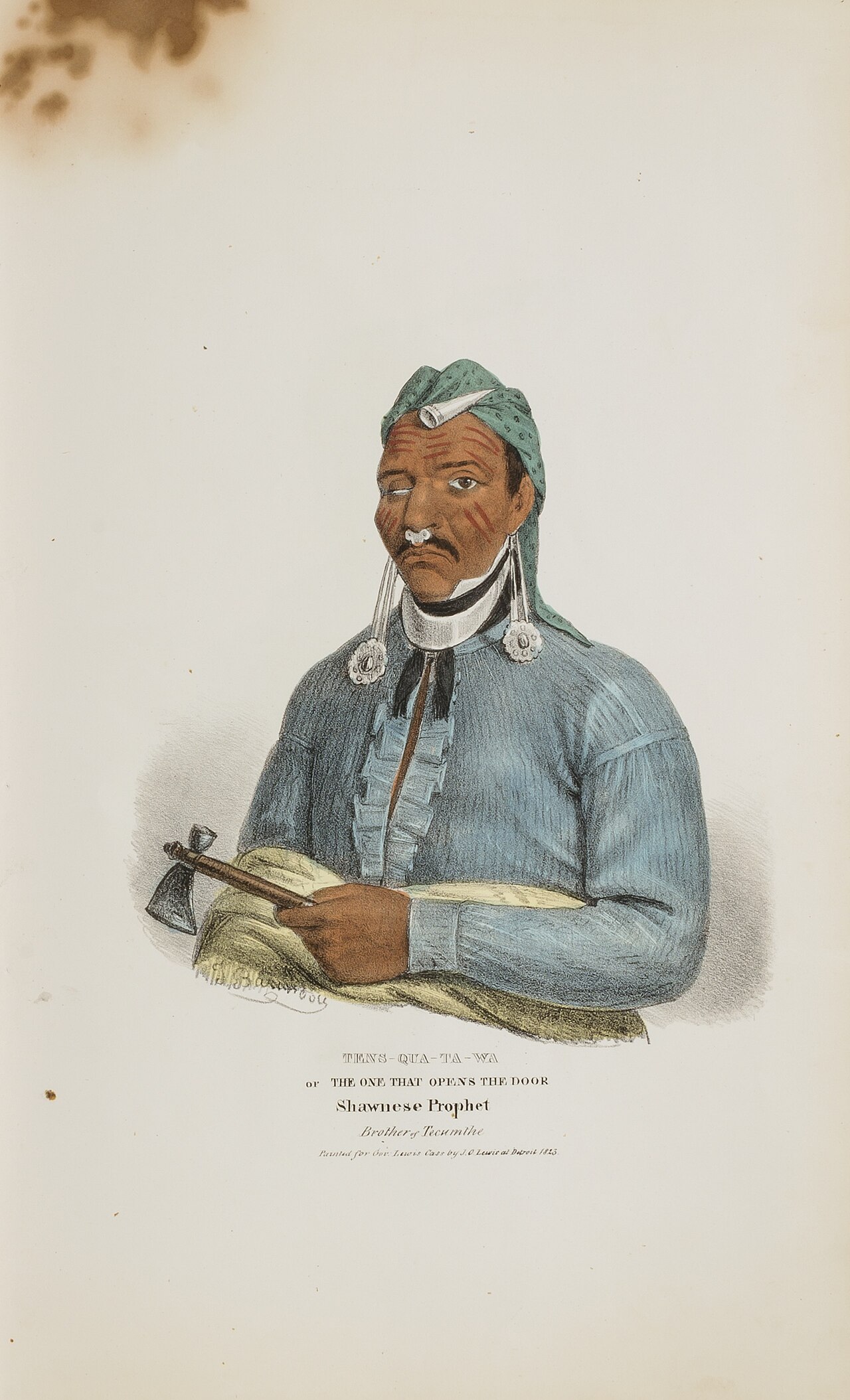
Browse all 30 →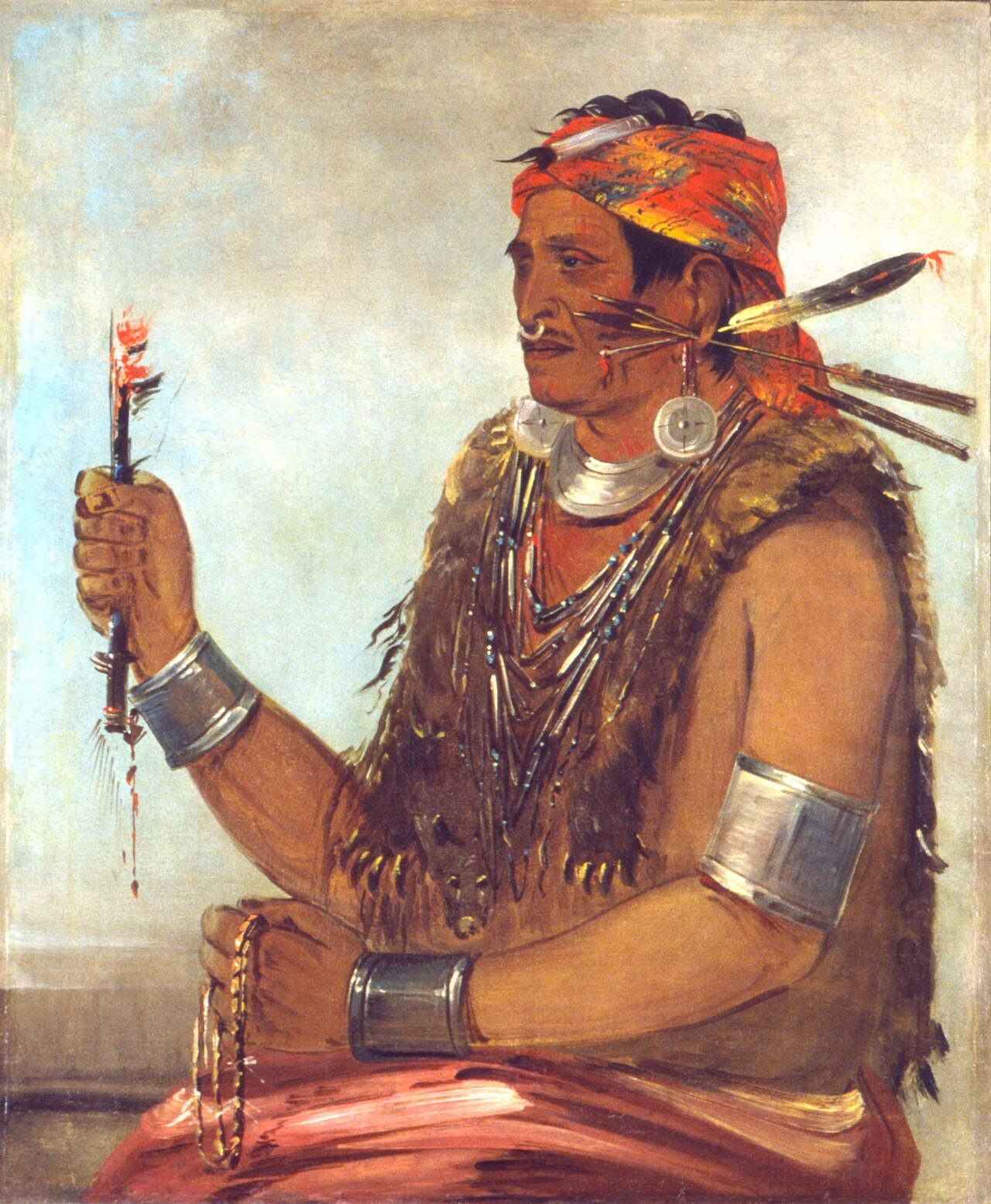 Painting
Primary source
Ten-squat-a-way, The Open Door, Known as The Prophet, Brother of Tecumseh
George Catlin · 1830
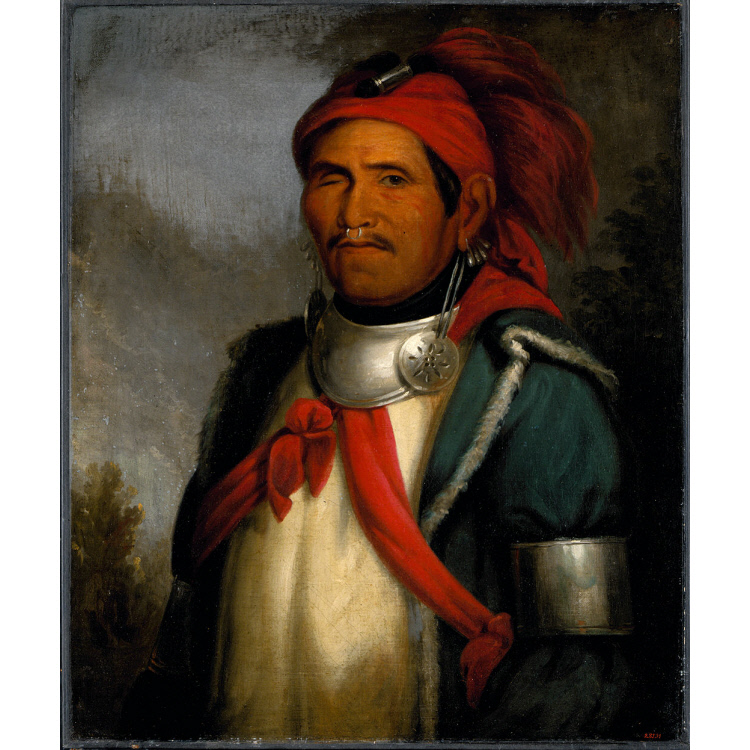 Painting
Primary source
Portrait of Tenskwatawa
Henry Inman · c. 1830-1833
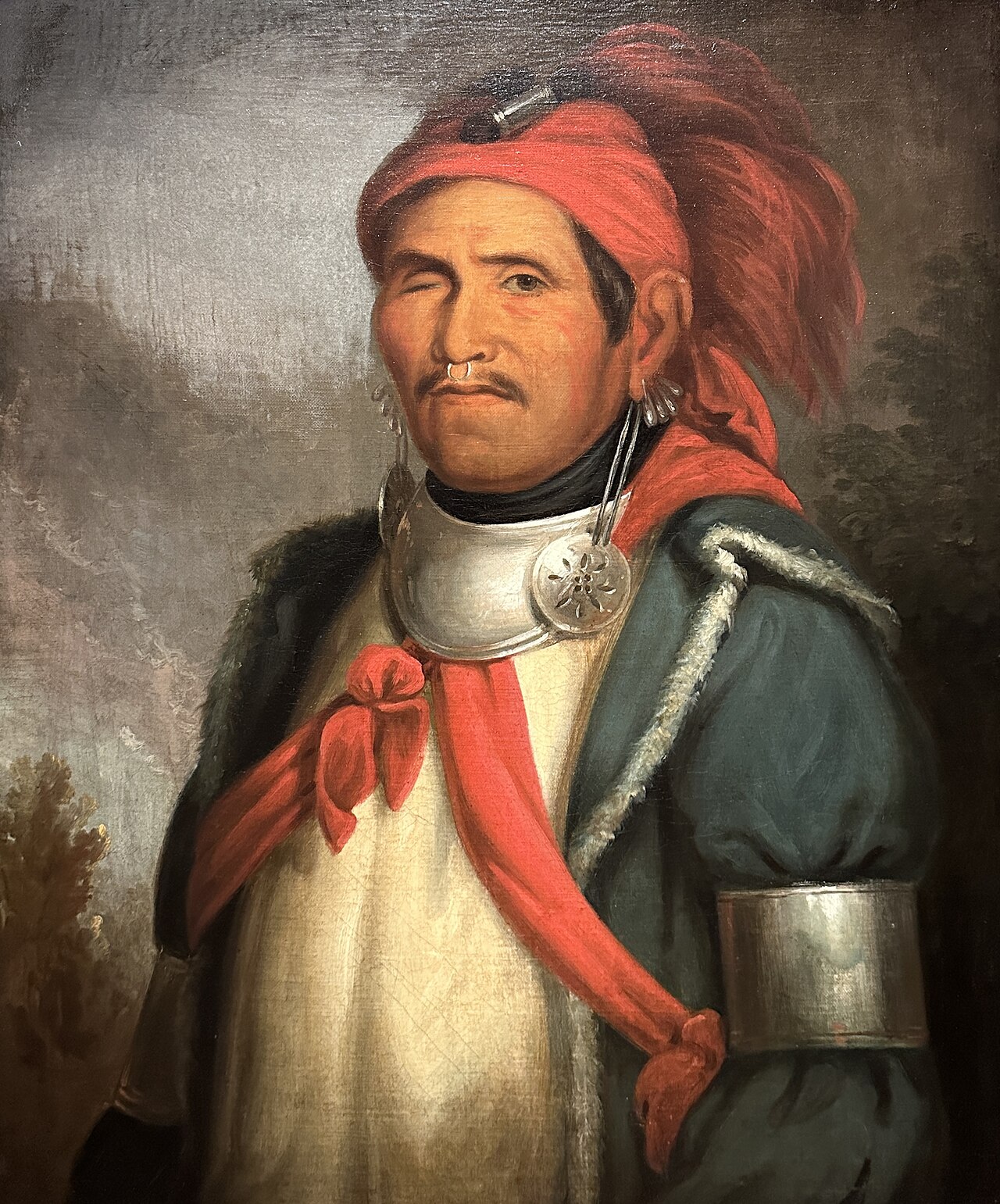
PaintingSecondary source
Tenskwatawa
Henry Inman · 1831
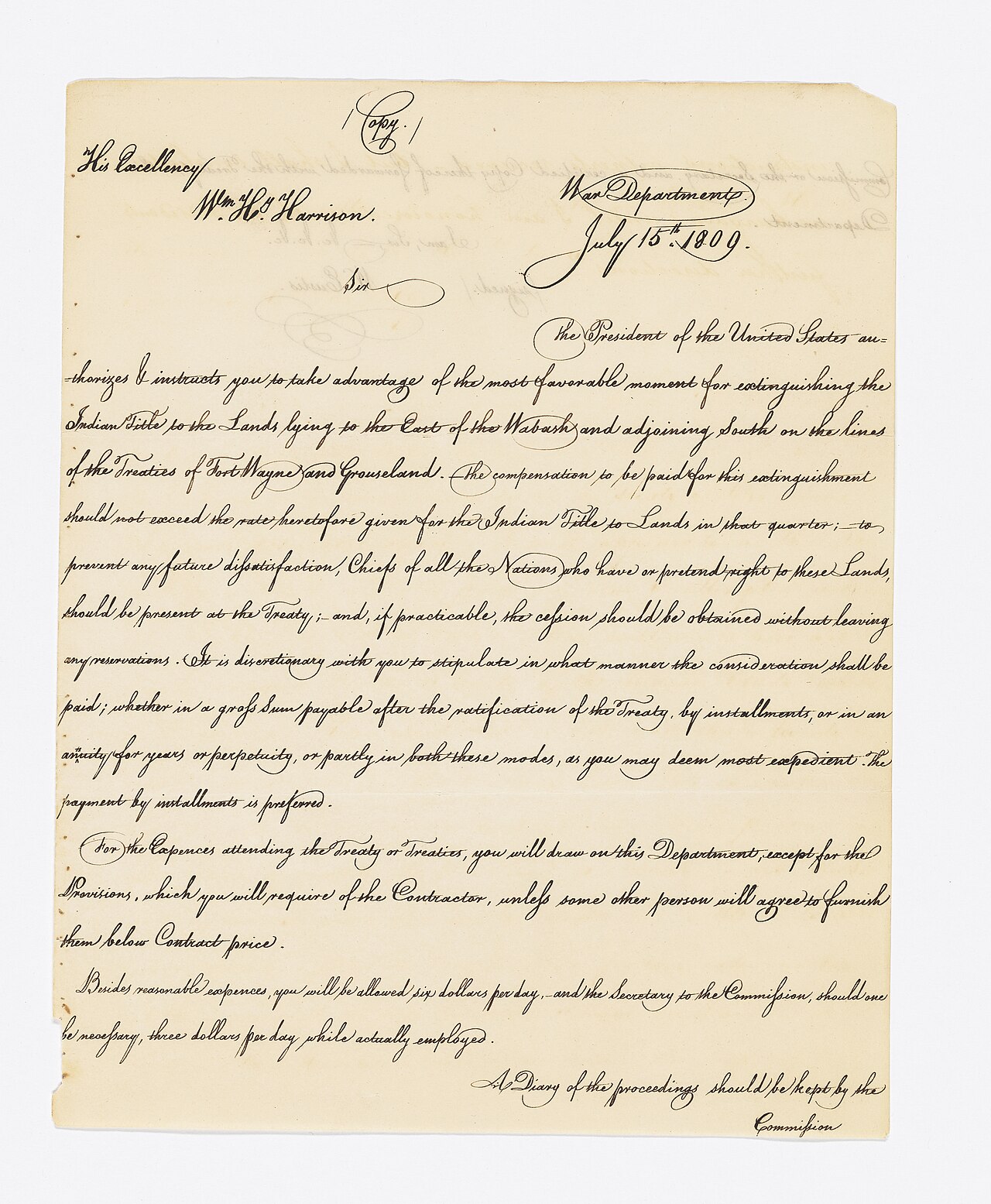 Document
Primary source
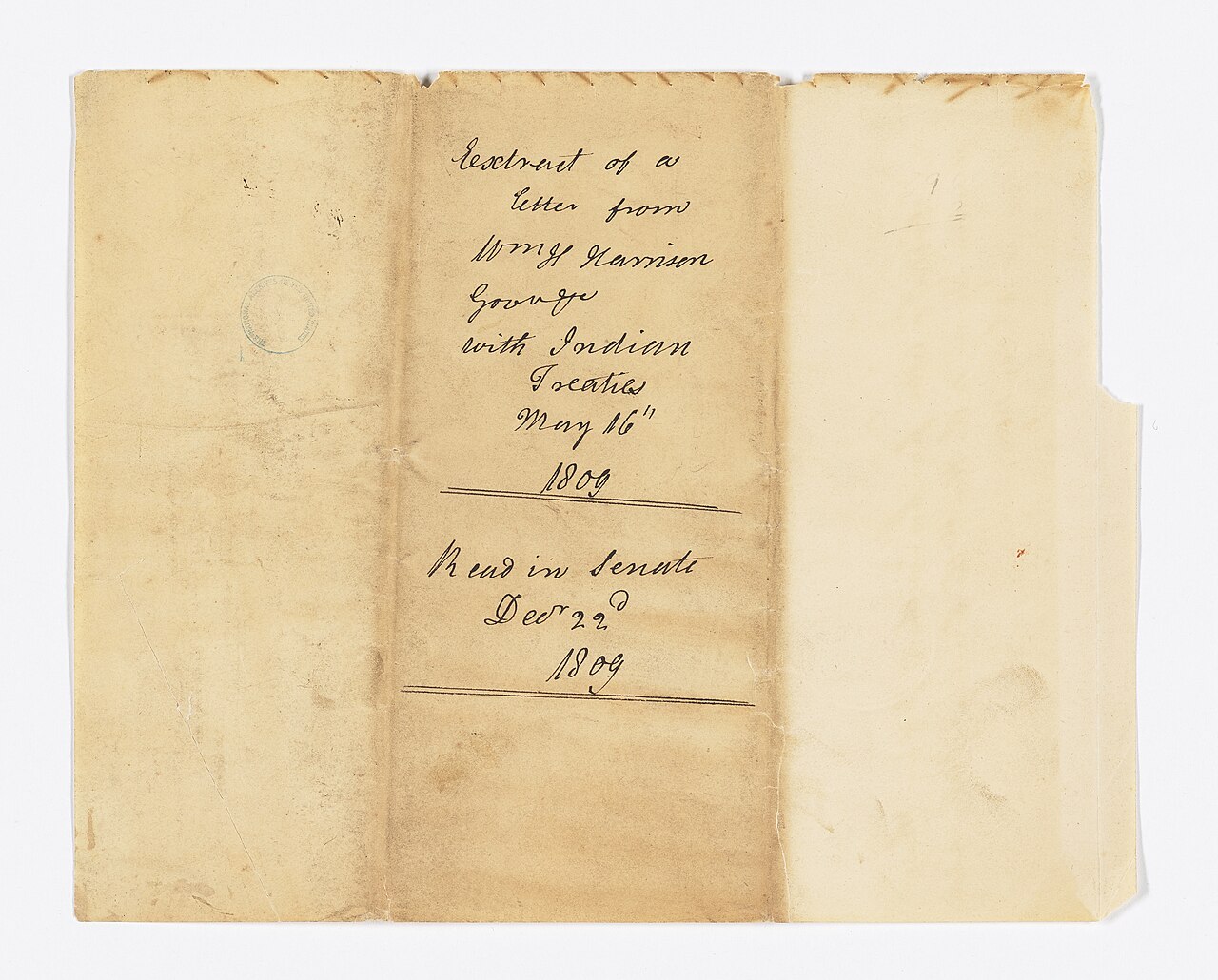
Treaty of Fort Wayne
1809
Free account
Browse every Tenskwatawa source
Sign up free →
Ready when you are
Start chatting with Tenskwatawa now.
20 messages free · No credit card · Available in 50+ languages.