


Primary sourceDocument1938
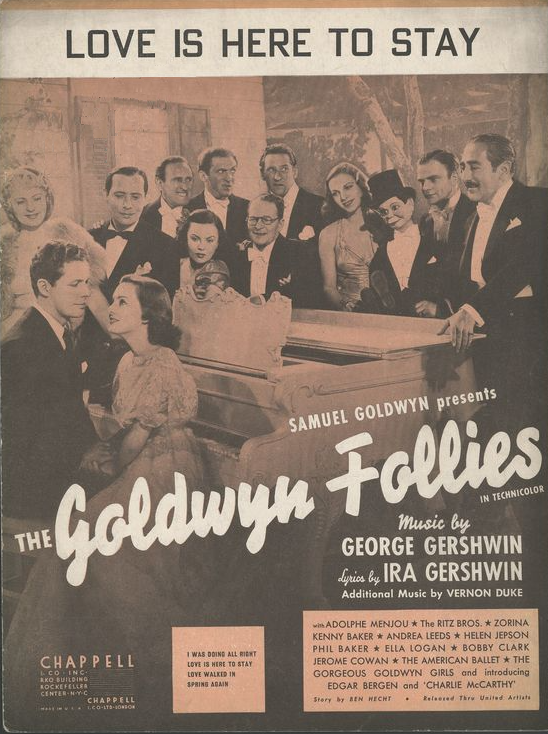
The Goldwyn Follies
George Gershwin · 1938
A 1938 Technicolor film musical with songs by George Gershwin, left unfinished at his death and completed by Vernon Duke.
Gershwin was composing the score for this film when he died in 1937; it was finished and released posthumously.
About this source
What it is
The Goldwyn Follies is a 1938 film produced by Samuel Goldwyn, with music by George Gershwin, Vernon Duke and Ray Golden, and lyrics by Ira Gershwin and Sid Kuller. It was Goldwyn's first Technicolor feature. Gershwin died in July 1937 before finishing the score, and Vernon Duke completed the songs with Ira and wrote the ballet music.
Why it matters
The film is Gershwin's last major project, cut short by his death, and shows how collaborators stepped in to finish his unfinished work. Its mixed reception — an Academy Award nomination alongside inclusion in a list of the worst films ever made — says something about how Hollywood musicals of this kind were judged by critics at the time and later.
Look closer
- Why might an unfinished score by a famous composer still be used in a finished film?
- What does it suggest about Gershwin's working methods that others could complete his music after his death?
- Why might critical opinion of the film differ so sharply between award nominations and a 'worst films' list?
This document is part of the curated material that grounds the AI version of George Gershwin on Humy.ai — when students ask about related events, the AI can quote it and cite it.
More George Gershwin sources
Browse all 99 →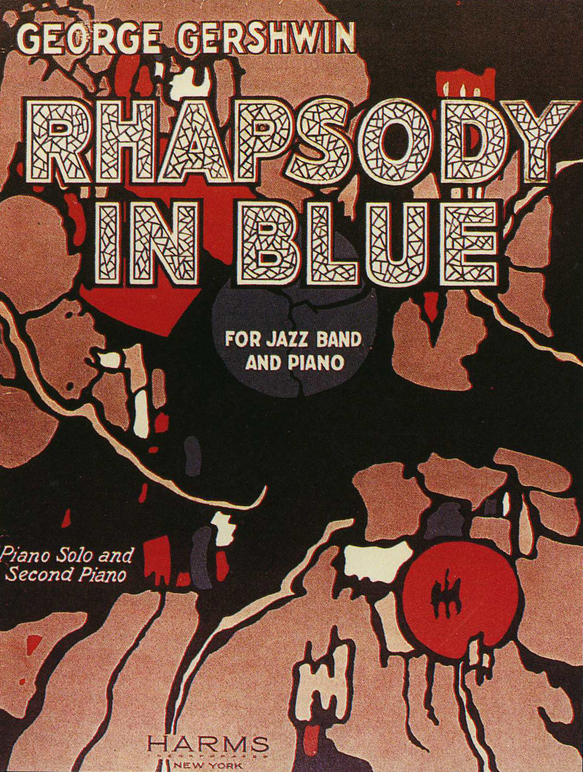 Document
Primary source
Rhapsody in Blue
George Gershwin · 1924
 Document
Primary source
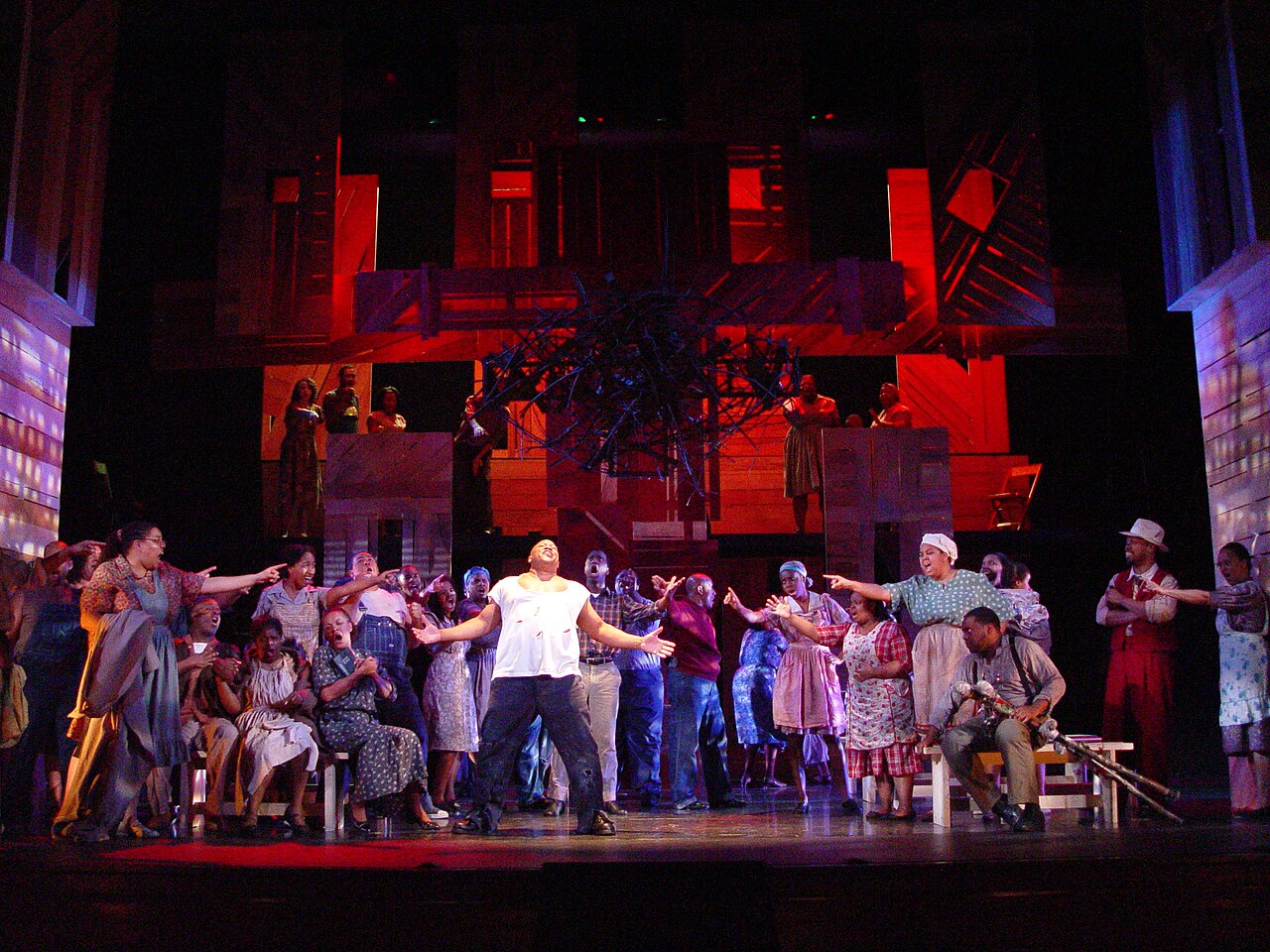
Porgy and Bess
George Gershwin · 1935
 Document
Primary source
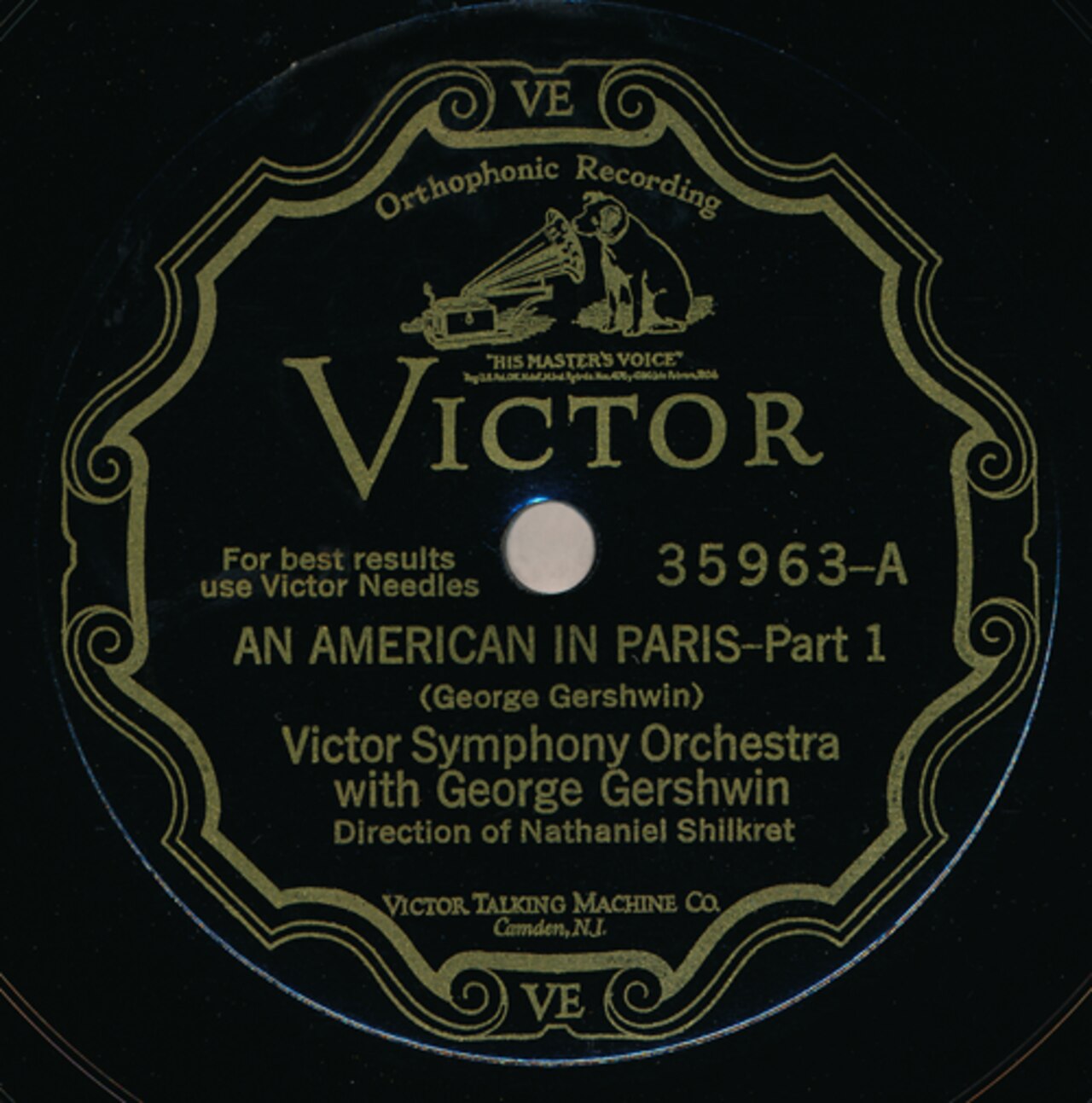
An American in Paris
George Gershwin · 1928
 Document
Primary source
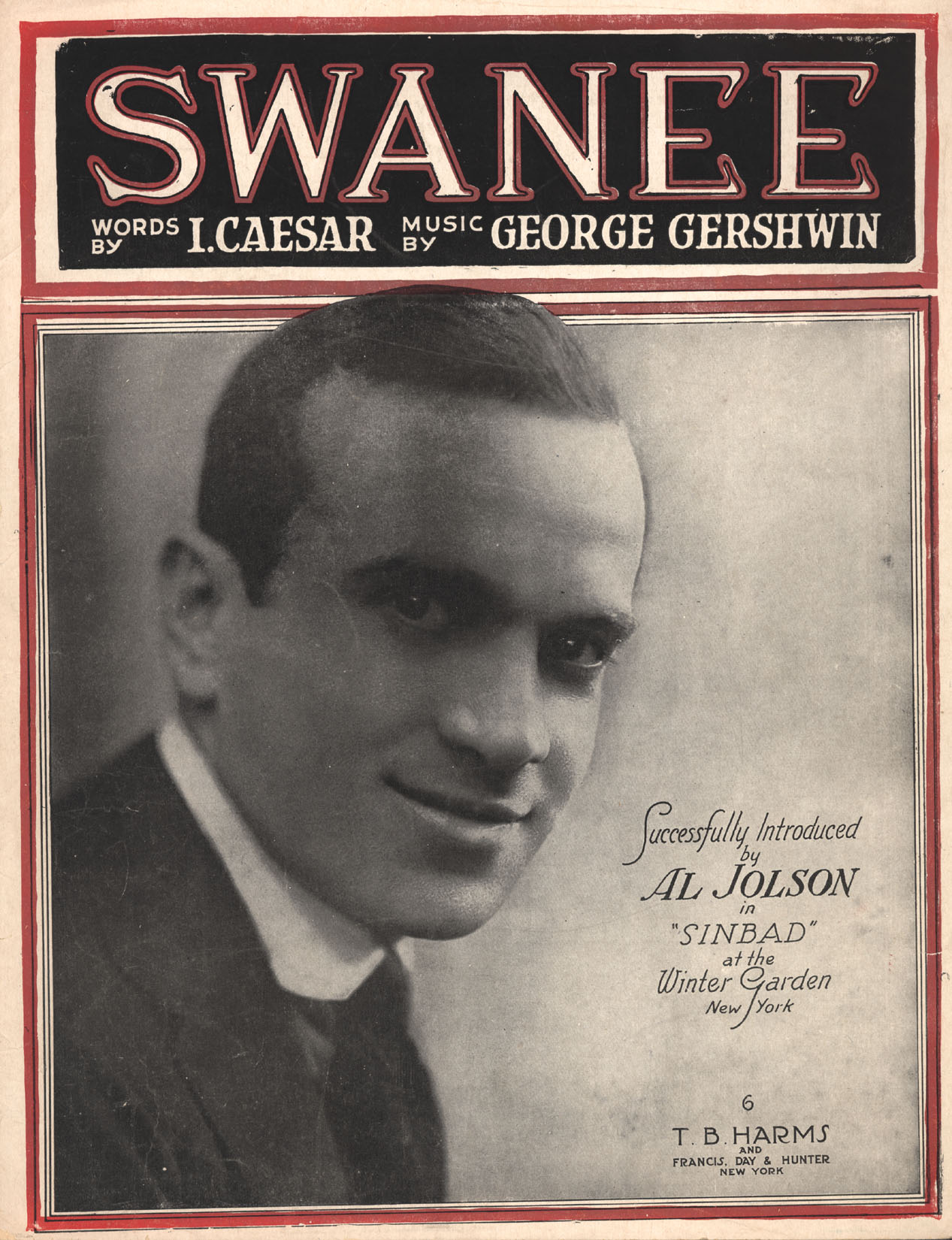
Swanee
George Gershwin · 1919
Free account
Read every George Gershwin source
Sign up free →
Ready when you are
Start chatting with George Gershwin now.
20 messages free · No credit card · Available in 50+ languages.