


Primary sourcePaintingc. 1648
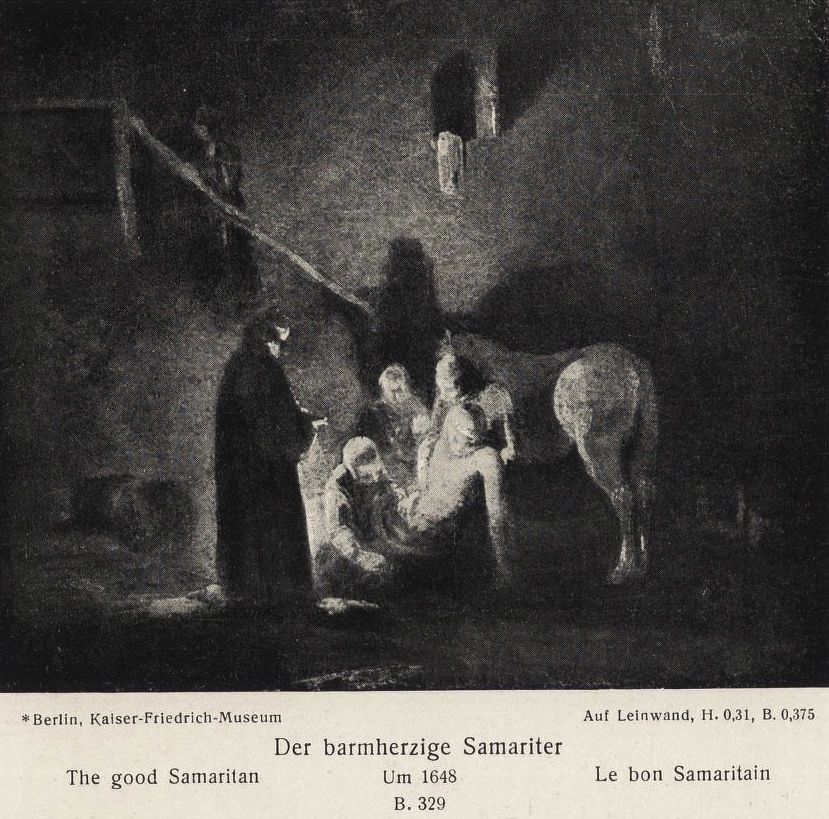
The Good Samaritan
Rembrandt · c. 1648
Rembrandt's painting of the parable of the Good Samaritan, made around 1648.
Rembrandt painted this biblical scene, illustrating his recurring interest in narrative religious subjects.
About this source
What it is
A painting by Rembrandt, made around 1648, showing the biblical parable of the Good Samaritan. A reproduction plate of the work is held, labelled as being in the Kaiser-Friedrich-Museum in Berlin.
Why it matters
This painting shows Rembrandt's lifelong interest in telling Bible stories through dramatic, dark scenes. It reveals how religious art of his time used ordinary human detail — a wounded man, a horse, a lantern — to make old stories feel immediate and real.
Look closer
- What details tell you this scene takes place at night?
- How does Rembrandt use the lantern and darkness to focus your attention?
- Why might an artist return often to the same biblical story?
This painting is part of the curated material that grounds the AI version of Rembrandt on Humy.ai — when students ask about related events, the AI can quote it and cite it.
More Rembrandt sources
Browse all 96 →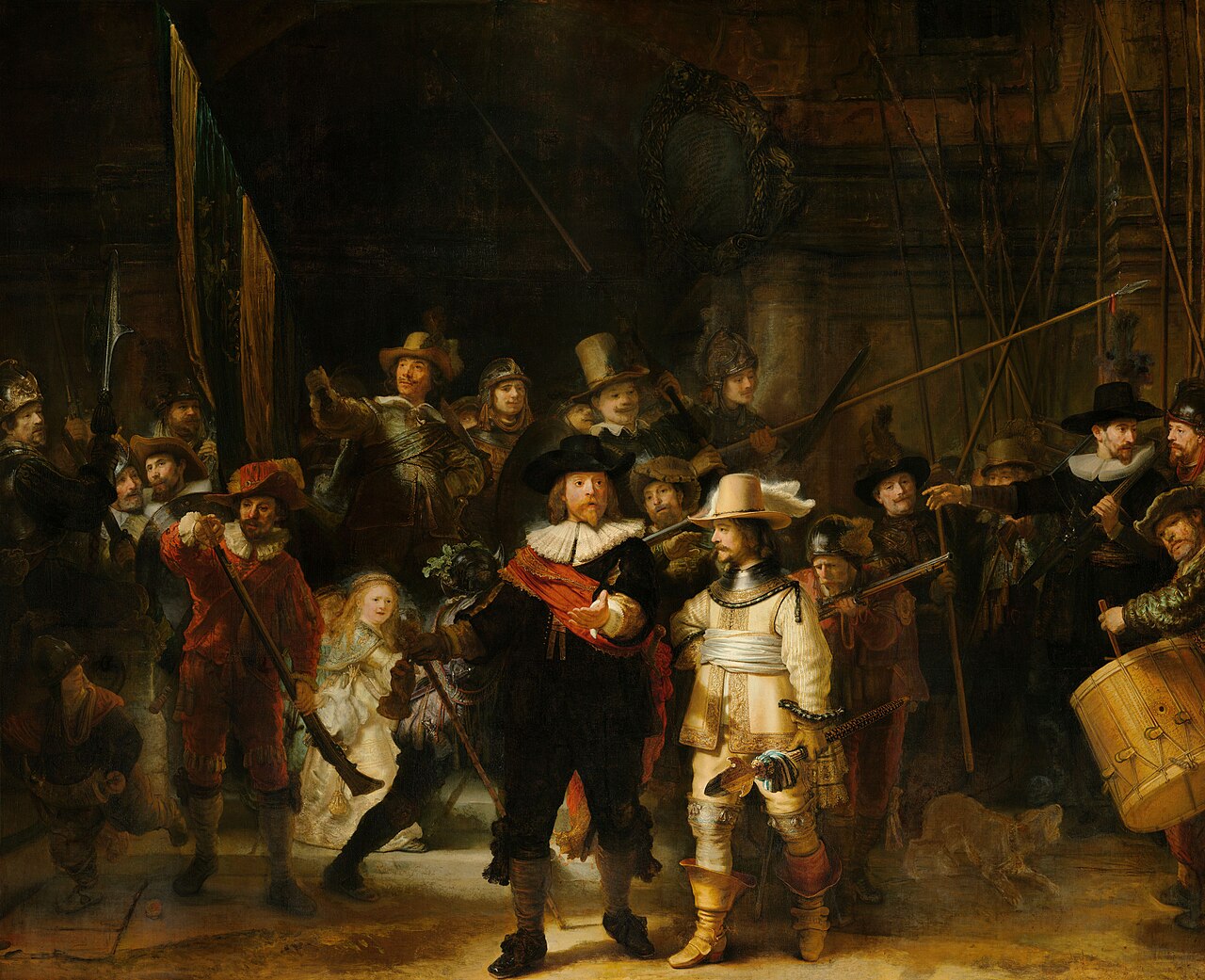 Painting
Primary source
The Night Watch
Rembrandt · 1642
 Painting
Primary source
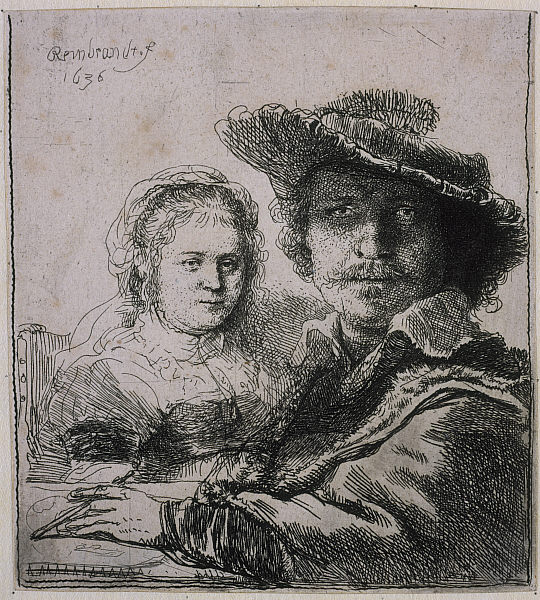
Self-Portrait with Saskia
Rembrandt van Rijn · 1636
 Painting
Secondary source
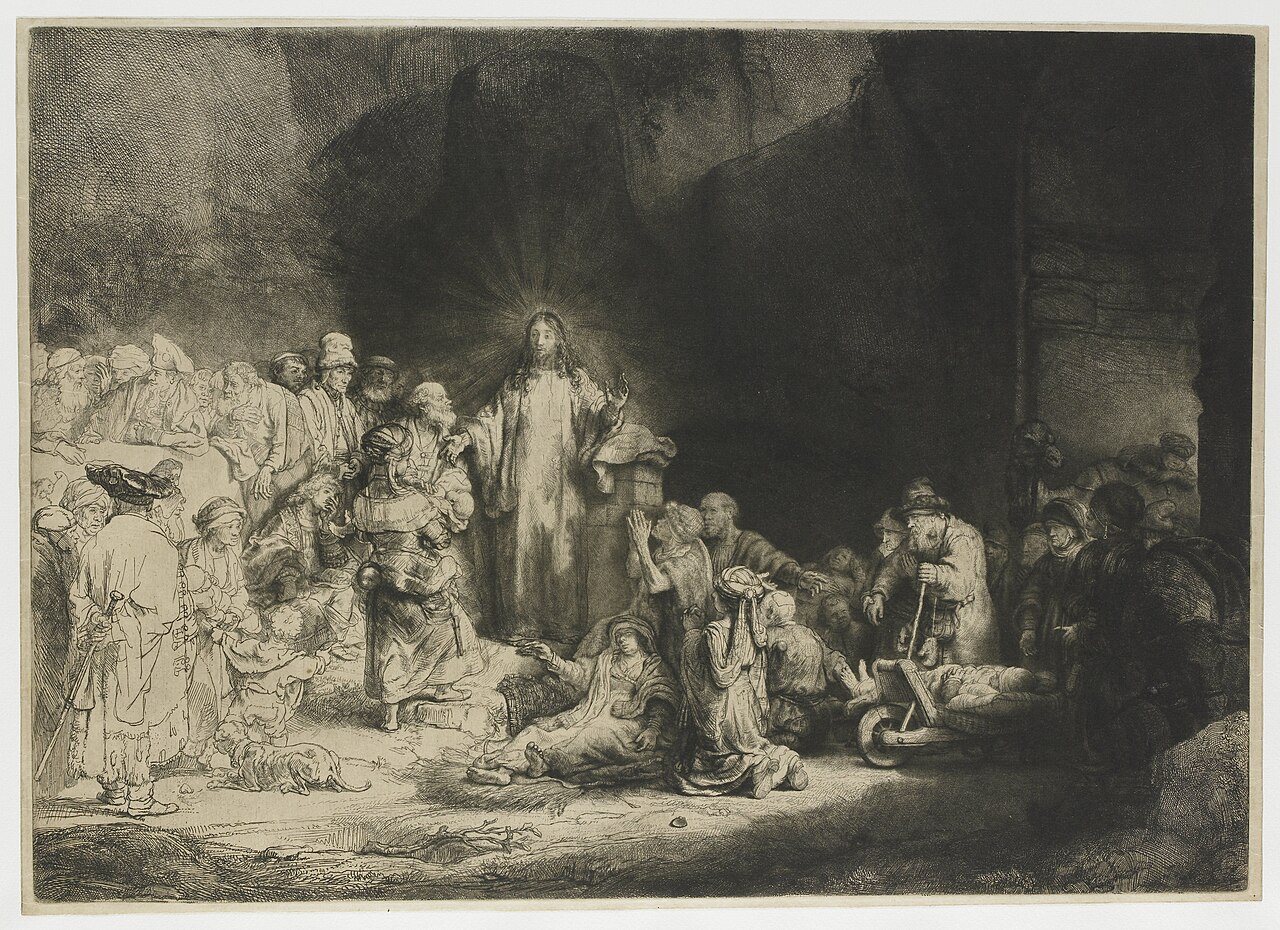
Christ Healing the Sick (Hundred Guilder Print)
Rembrandt · c. 1647-1649
 Painting
Primary source
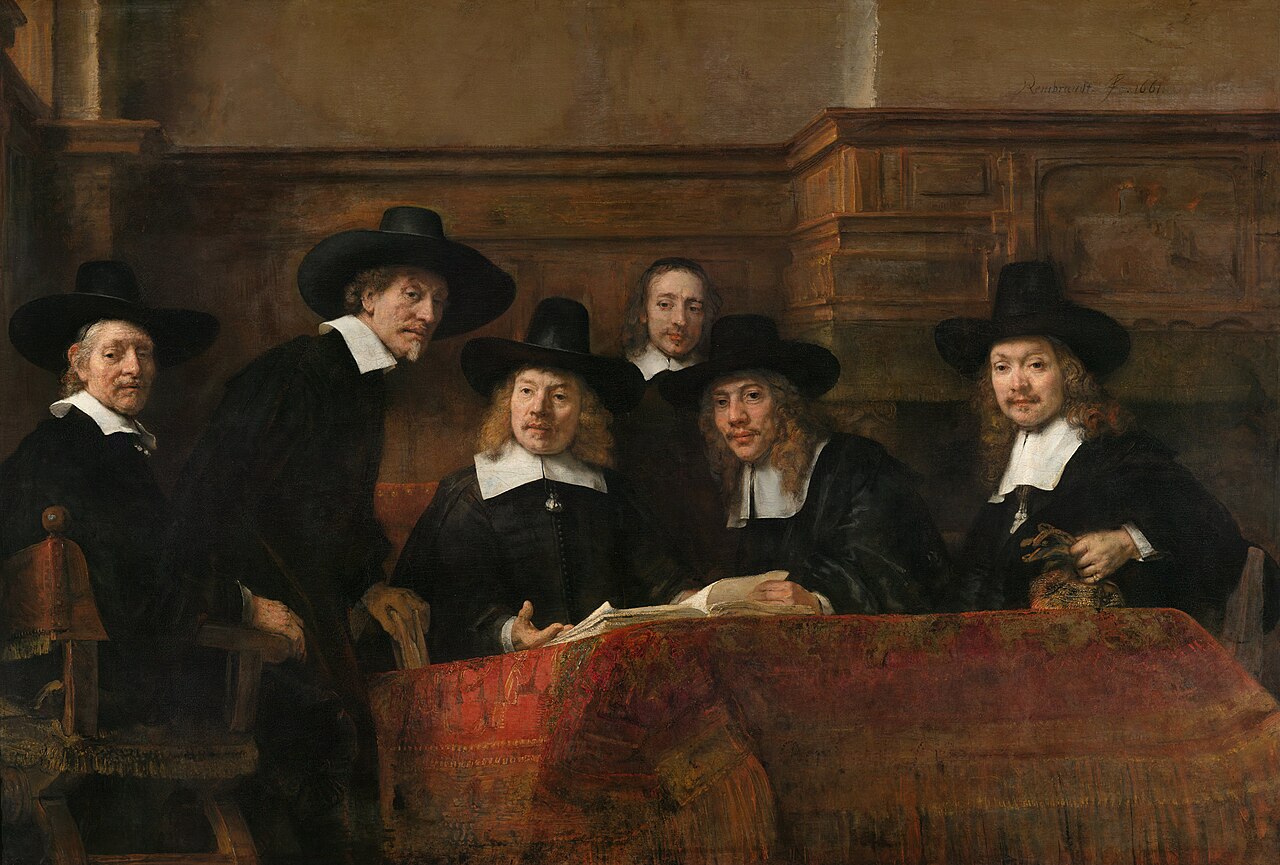
Syndics of the Drapers' Guild
Rembrandt · 1662
Free account
Read every Rembrandt source
Sign up free →
Ready when you are
Start chatting with Rembrandt now.
20 messages free · No credit card · Available in 50+ languages.