


Primary sourceBook
The Goose-Girl
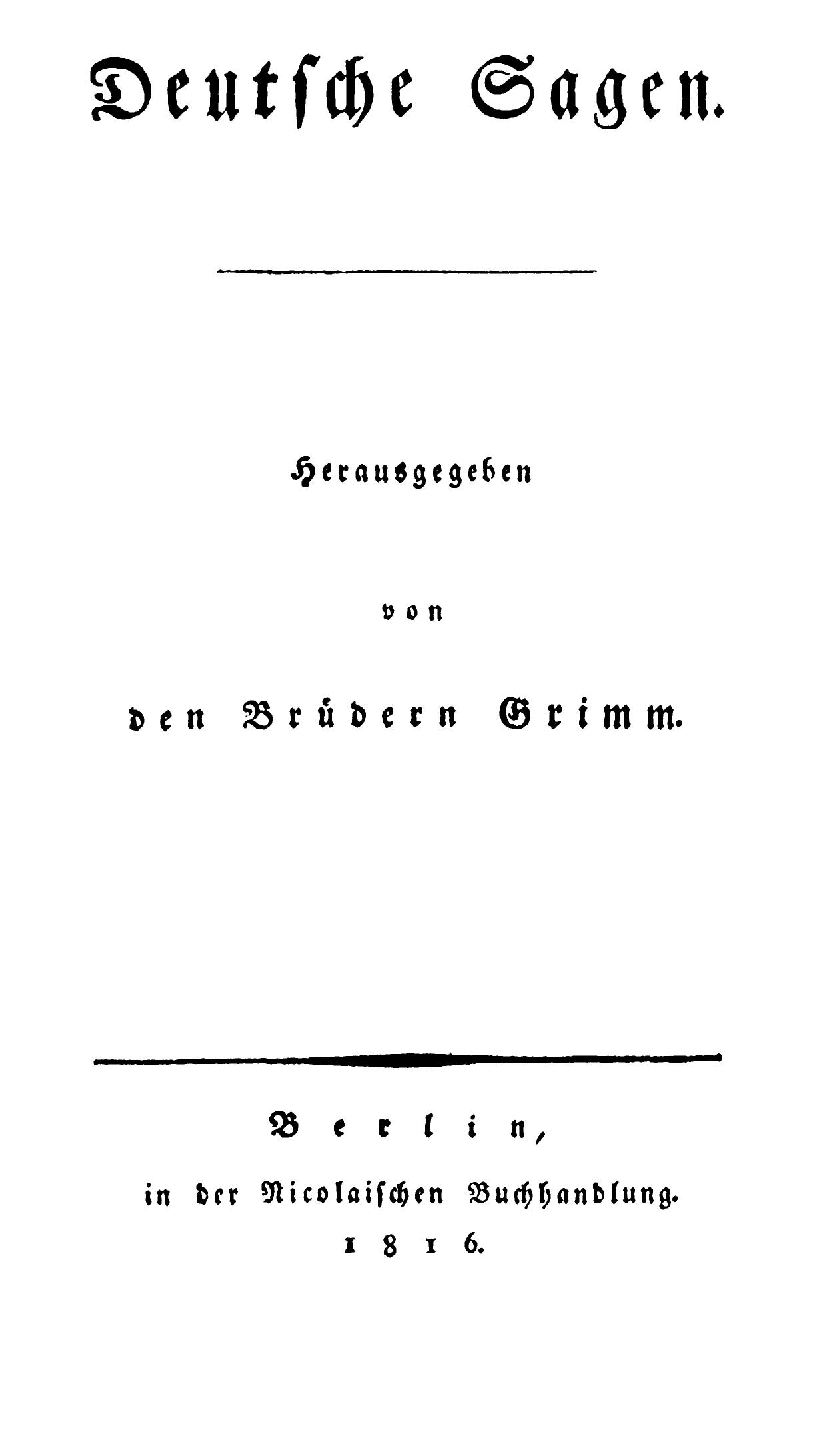
Jacob Grimm and Wilhelm Grimm
An English translation of the Grimm fairy tale The Goose-Girl, from the brothers' collection of German folk tales that Jacob Grimm co-wrote.
Jacob Grimm co-wrote this folk tale with his brother Wilhelm, so it belongs to the collection he helped publish.
Free Humy account · No credit card · 120,288 sources to read
About this source
What it is
This is the English text of the German fairy tale Die Gänsemagd, known in English as The Goose-Girl. It is part of the collection by Jacob Grimm and Wilhelm Grimm. The opening describes an old queen whose daughter is betrothed to a prince in a distant land. The queen packs jewels, gold and fine dresses, gives her daughter a waiting-maid, and cuts a lock of her own hair as a charm for the road. The princess's horse, Falada, can speak. The text is an English translation on Wikisource.
Why it matters
The Grimms gathered stories told by ordinary people, and Jacob Grimm, a philologist who studied language and tradition, is linked to them as a collector. The tale shows the importance of royal marriage arrangements and of a mother's care, and it includes a talking animal that gives the story a magical feel.
Look closer
- What does the queen give her daughter, and why might she choose a lock of hair?
- What role does the talking horse seem to play?
- What might this English translation change from the German original?
This book is part of the curated material that grounds the AI version of Jacob Grimm on Humy.ai — when students ask about related events, the AI can quote it and cite it.
More Jacob Grimm sources
Browse all 90 →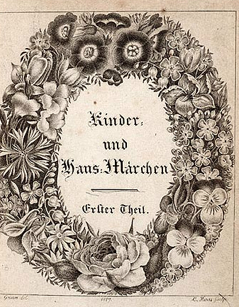 Book
Primary source
Grimms' Fairy Tales
Jacob Grimm and Wilhelm Grimm · 1812-1815 (first edition)
 Book
Primary source
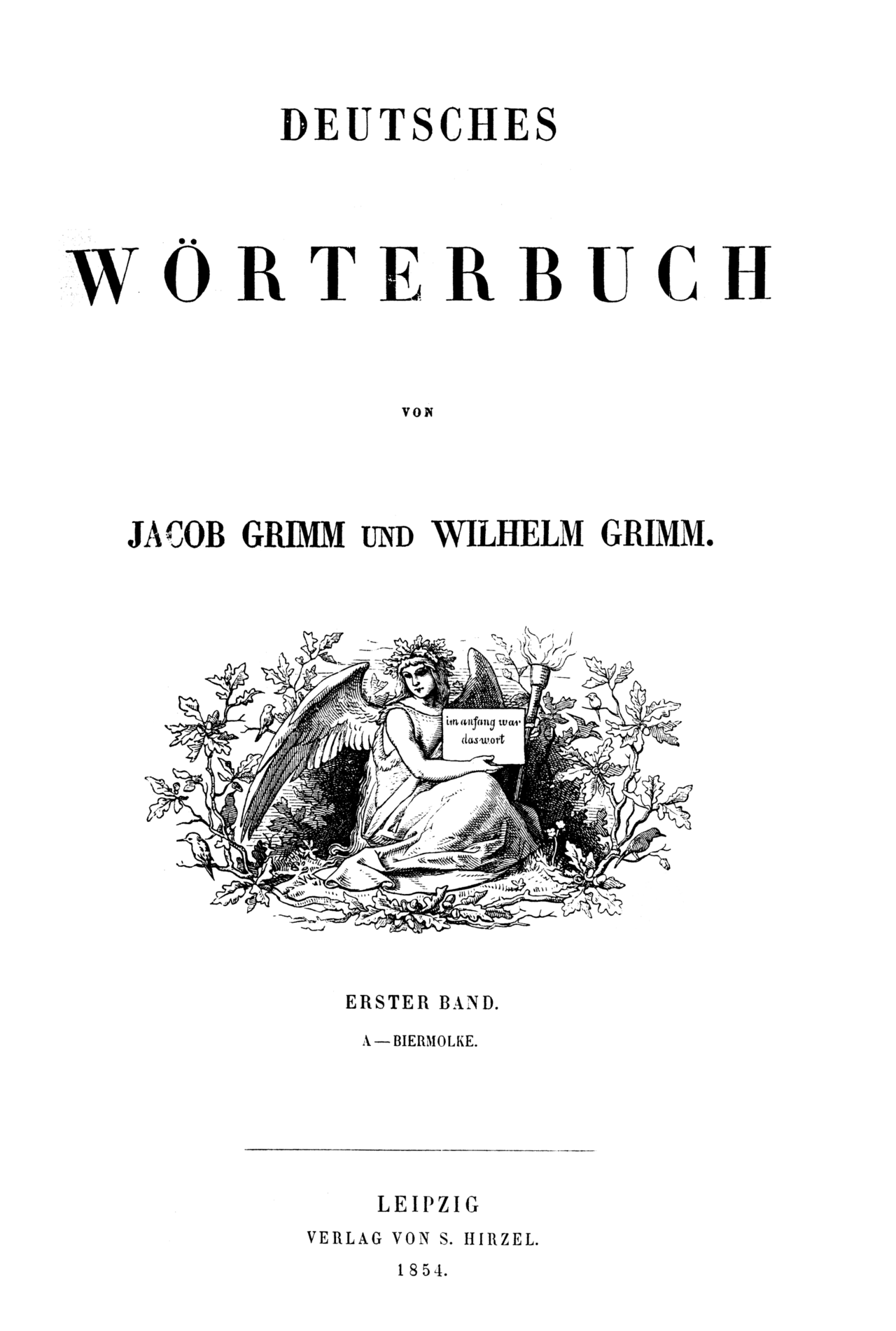
Deutsches Wörterbuch
Jacob Grimm and Wilhelm Grimm · begun 1838, first volume 1854
 Photograph
Primary source
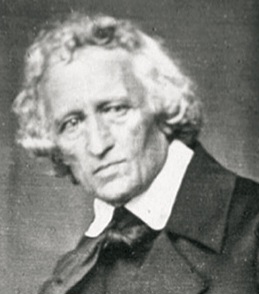
Jacob Grimm Daguerreotype
Hermann Biow · 1847
Primary source
Deutsche Mythologie
Jacob Grimm · 1835
Free account
Read every Jacob Grimm source
Sign up free →
Ready when you are
Start chatting with Jacob Grimm now.
20 messages free · No credit card · Available in 50+ languages.