


Primary sourcePainting1870
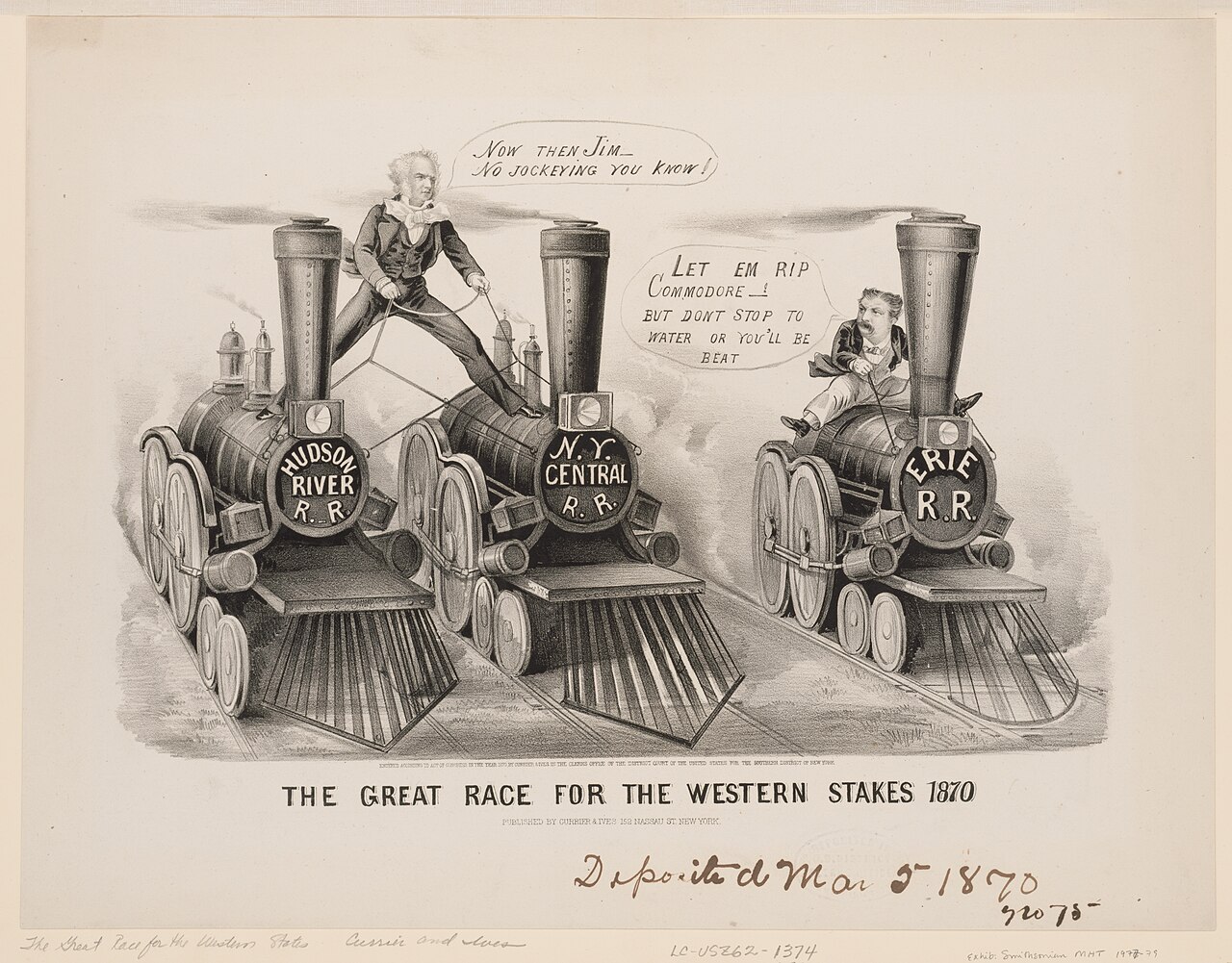
The Great Race for the Western Stakes
Popular Graphic Arts · 1870
A satirical 1870 lithograph cartoon showing Cornelius Vanderbilt and James Fisk racing locomotives for control of New York's railroads. It shows Vanderbilt as a rival in the fight over the Erie Railroad.
A satirical print showing Vanderbilt in a railroad rivalry with James Fisk, which places him in the public debate over the Erie Railroad.
About this source
What it is
This is a lithograph cartoon titled 'The Great Race for the Western Stakes 1870'. It shows three locomotives racing on tracks labeled Hudson River RR, N.Y. Central RR and Erie RR. A man in a suit balances on the first engine, and a man sits on top of the Erie engine behind him. Speech bubbles read 'Now then Jim, no jockeying you know!' and 'Let em rip Commodore! But don't stop to water or you'll be beat.' A date stamp reads 'Deposited Mar 5 1870'. The print was entered for copyright by Currier & Ives. The catalogue record identifies the men as Cornelius Vanderbilt and James Fisk.
Why it matters
Throughout 1868 and 1869, Vanderbilt and Fisk fought for control of the Erie Railroad. The cartoon turns that business struggle into a horse-race joke, which made a complicated contest about railroads easy for ordinary readers to grasp. It shows how the press of the time used satire to comment on powerful businessmen. The record describes the print as showing the two men in a race for control of New York's rails, and the picture is best read as a comment on that rivalry rather than a neutral record of it.
Look closer
- Which railroad does Vanderbilt ride, and what does the choice of the locomotives suggest about who is winning?
- Why would the artist use a horse race and words like 'jockeying' to describe business competition?
- What does the cartoon leave out about the workers, passengers and shareholders who were affected by the fight?
This painting is part of the curated material that grounds the AI version of Cornelius Vanderbilt on Humy.ai — when students ask about related events, the AI can quote it and cite it.
More Cornelius Vanderbilt sources
Meet the AI Cornelius Vanderbilt →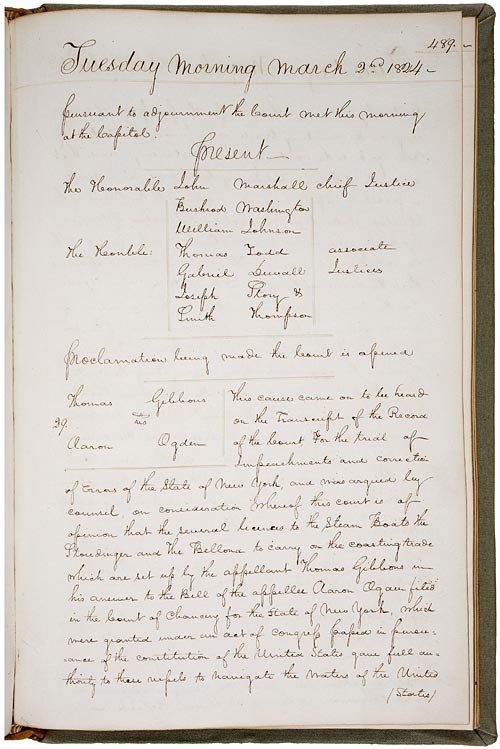 Document
Primary source
Gibbons v. Ogden
John Marshall · 1824
 Painting
Secondary source
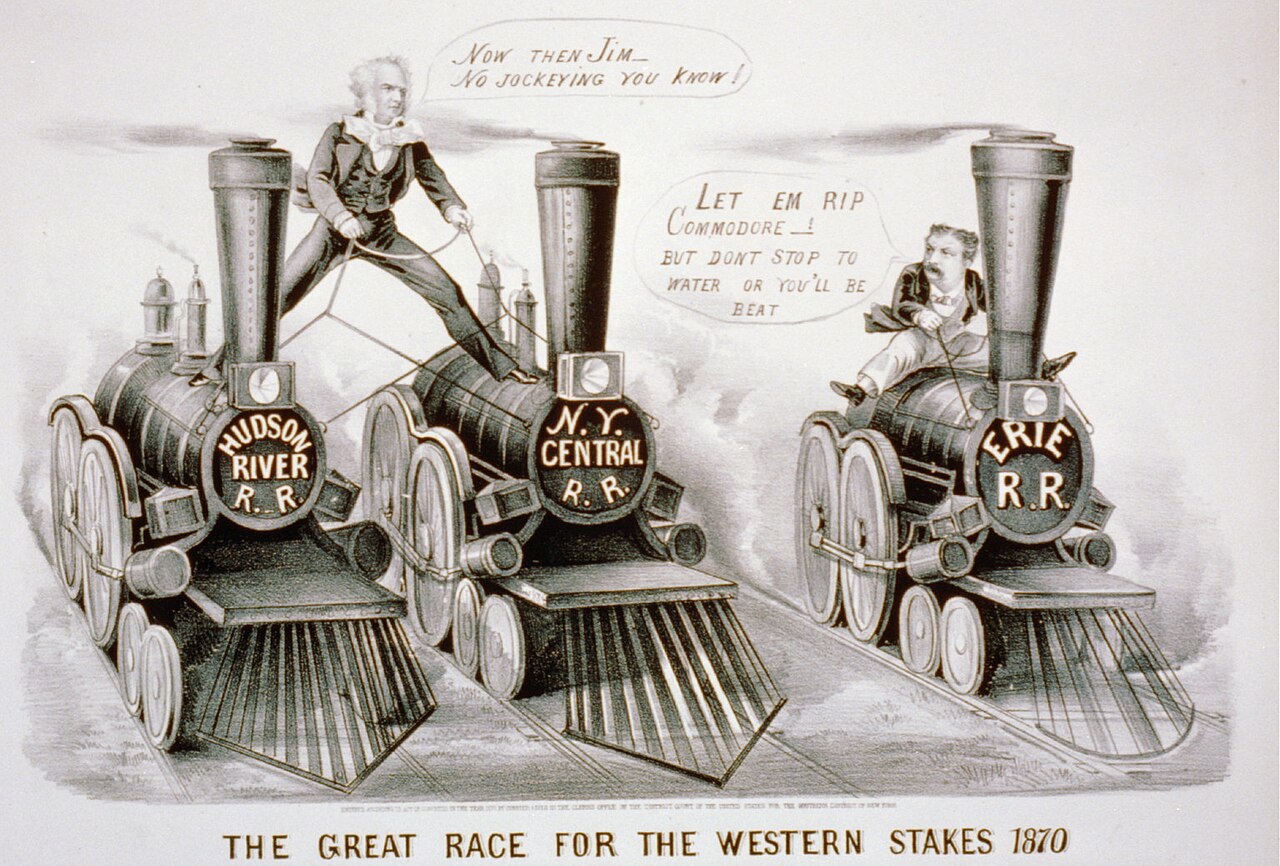
The Great Race for the Western Stakes
Currier and Ives · 1870
 Photograph
Primary source
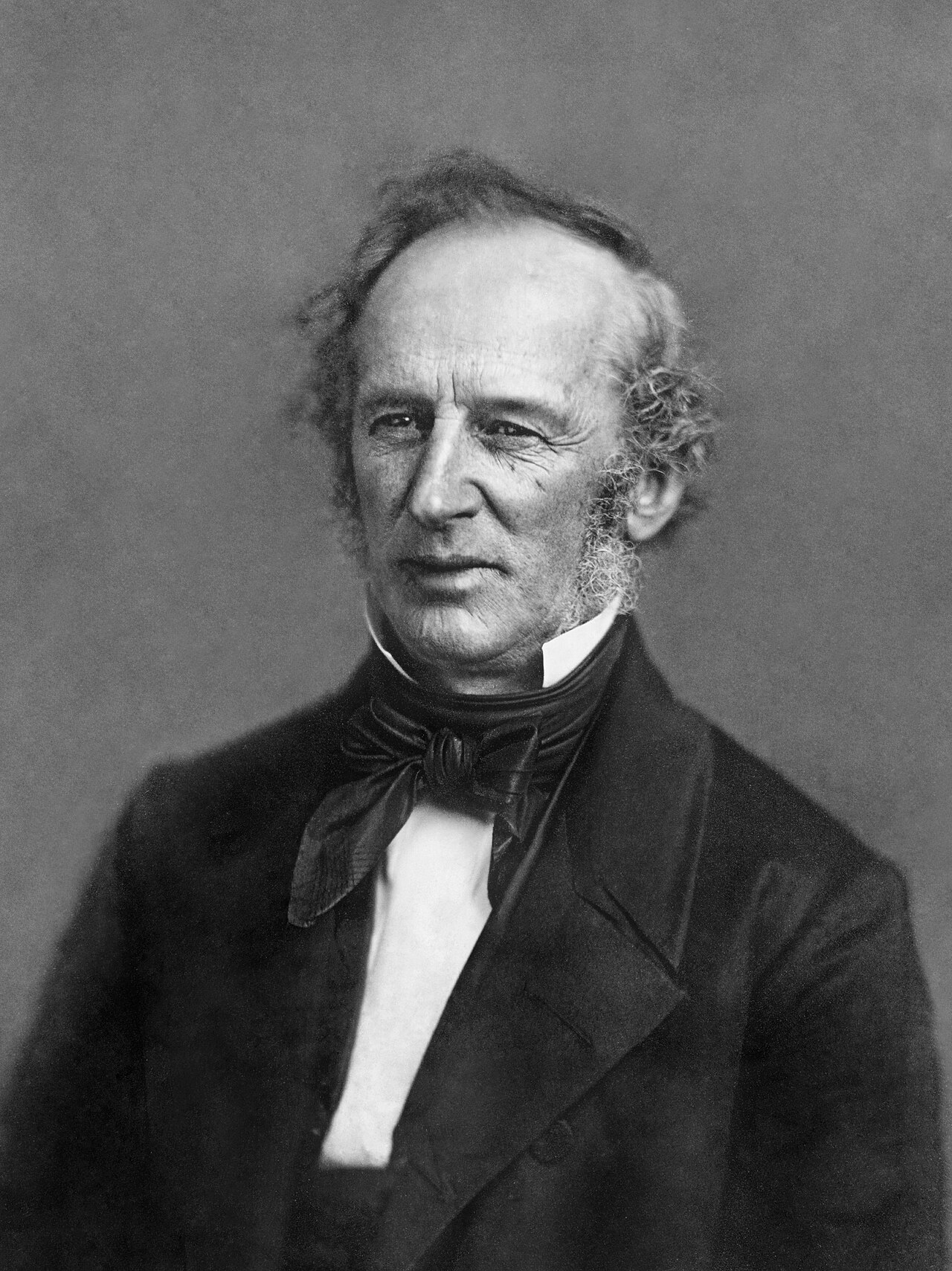
Portrait of Cornelius Vanderbilt
Mathew Brady studio
 Painting
Primary source
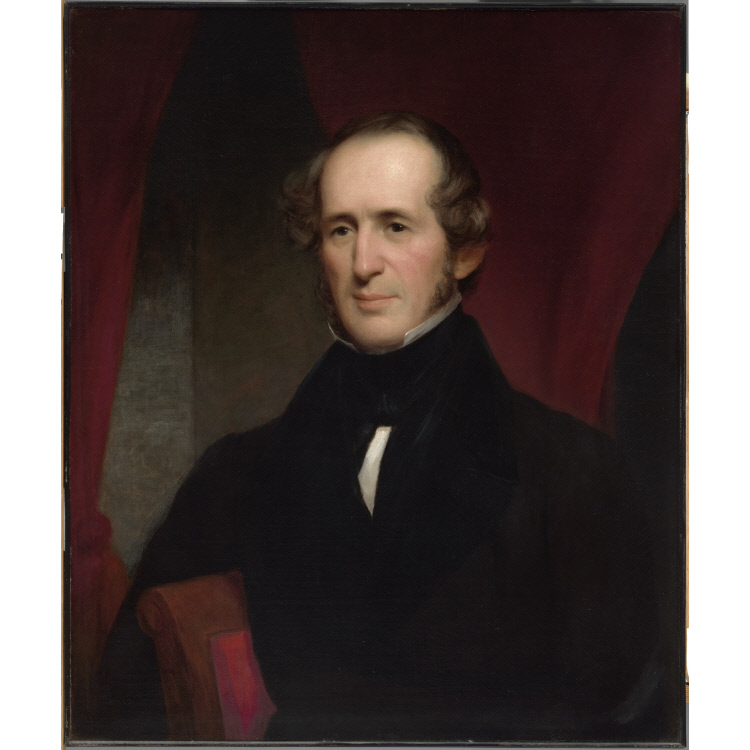
Cornelius Vanderbilt
Nathaniel Jocelyn · 1846
 Artifact
Primary source
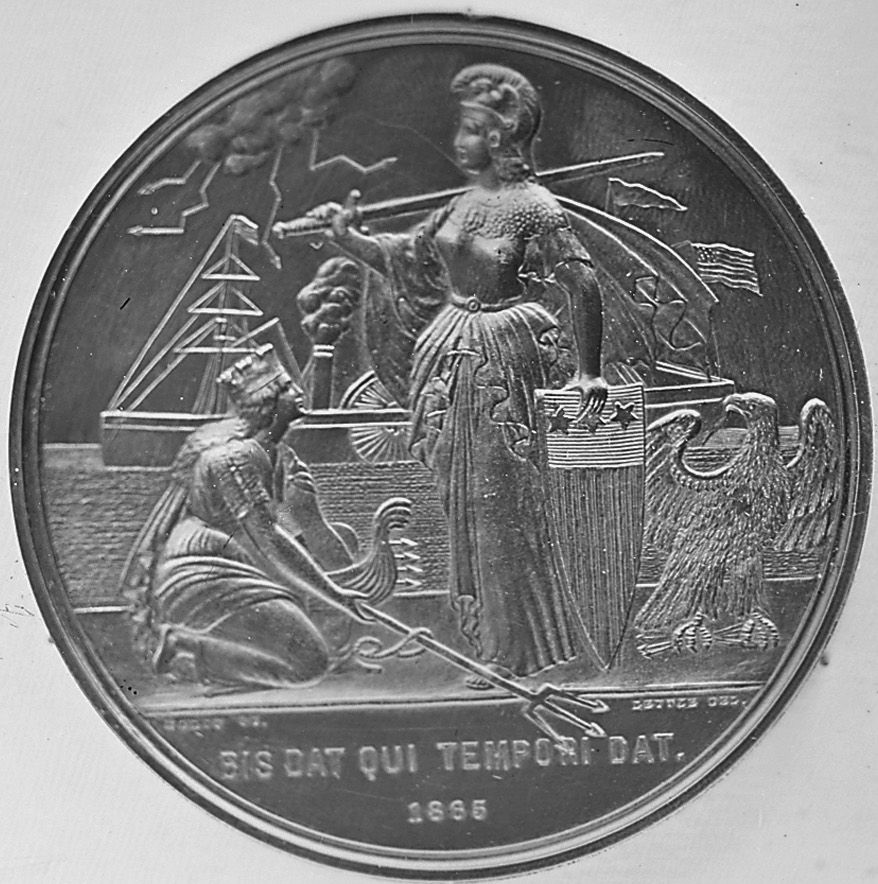
Cornelius Vanderbilt Medal
United States Mint · 1865
Ready when you are
Start chatting with Cornelius Vanderbilt now.
20 messages free · No credit card · Available in 50+ languages.