


Secondary sourceBook1776
The History of the Decline and Fall of the Roman Empire
Edward Gibbon · 1776
Edward Gibbon's multi-volume history, published from 1776. Chapter 50 gives an influential Enlightenment portrait of Muhammad as a lawgiver and statesman.
Chapter 50 offers an influential 18th-century European portrait of Muhammad as a lawgiver and statesman.
Free Humy account · No credit card · 120,912 sources to read
About this source
What it is
This is a six-volume history by the English historian Edward Gibbon. The first volume was published in February 1776 by William Strahan and Thomas Cadell, and the work was revised through editions up to 1789. The six volumes cover from 98 to 1590, including the fall of the Western Roman Empire, the rise of Genghis Khan and Tamerlane, and the fall of Byzantium. The excerpt available here is the opening of the first volume.
Why it matters
Gibbon drew on earlier Enlightenment writers, including Montesquieu, Voltaire, and Bossuet. His book reflects the views of 18th-century European thinkers, who often judged the Middle Ages and Christianity critically. Its treatment of Muhammad, in chapter 50, is noted as an influential Enlightenment portrait of him as a lawgiver and statesman. Gibbon's book sparked controversy, and he defended it in his 1779 Vindication.
Look closer
- What does Gibbon's history say about Muhammad, and what sources does it seem to rely on?
- How might an 18th-century British author's views shape what he chooses to include?
- What does this history leave out about the Islamic world's own accounts of Muhammad?
This book is part of the curated material that grounds the AI version of Muhammad, Charles Martel, Hypatia, Husayn ibn Ali and Romulus Augustulus on Humy.ai — when students ask about related events, the AI can quote it and cite it.
More Muhammad sources
Browse all 71 →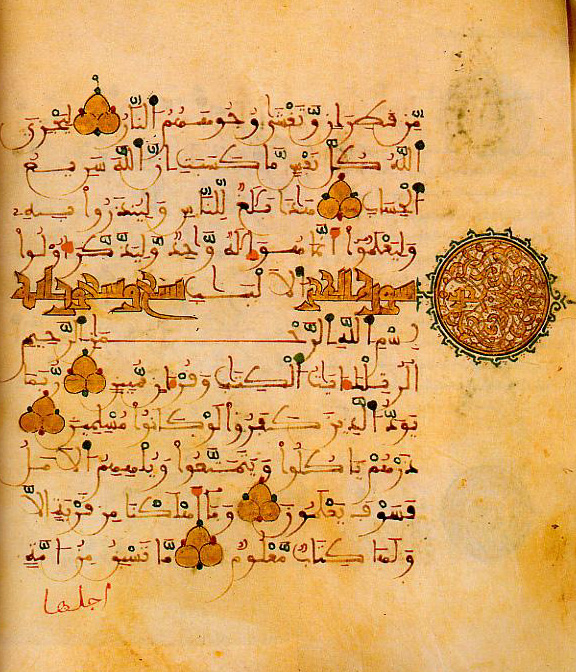 Book
Primary source
Qur'an
compiled 632-656 (this manuscript 12th century)
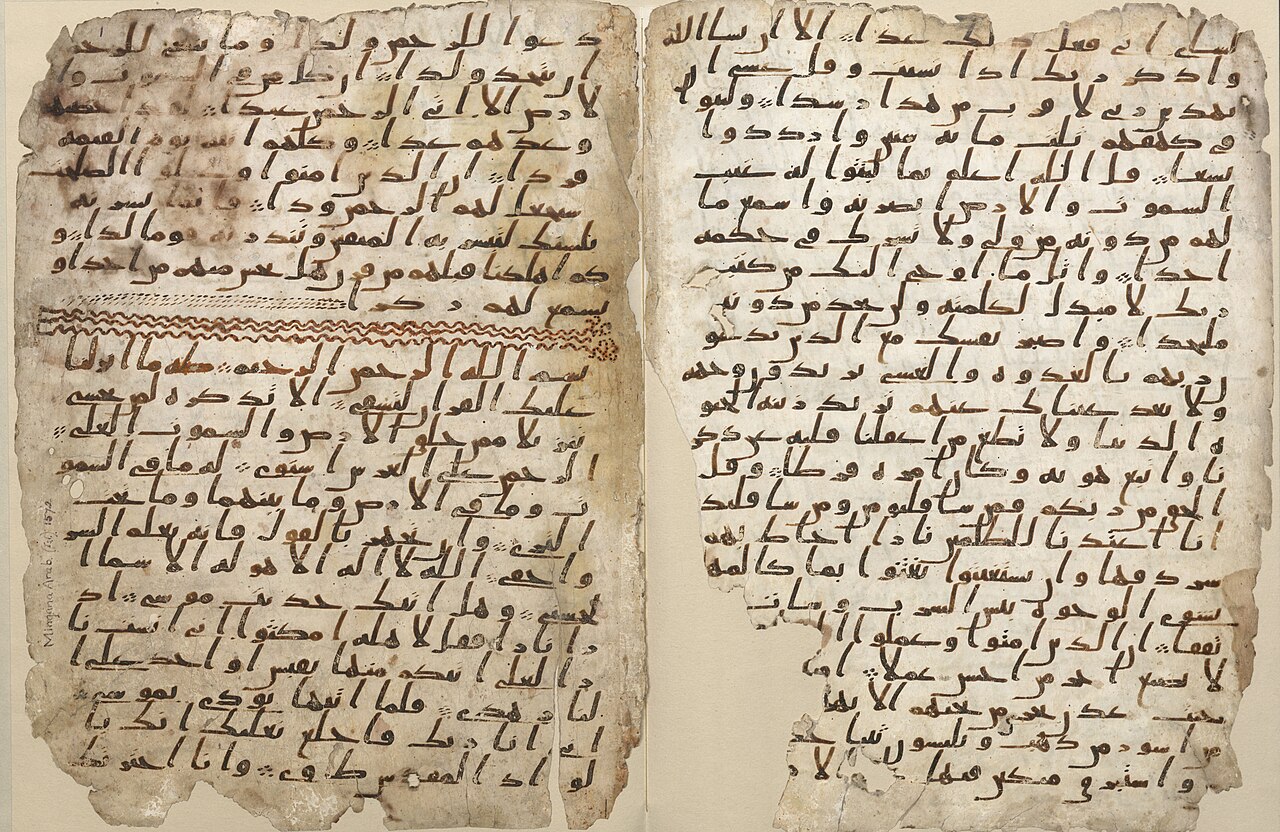 Document
Primary source
Birmingham Quran Manuscript
568–645 CE
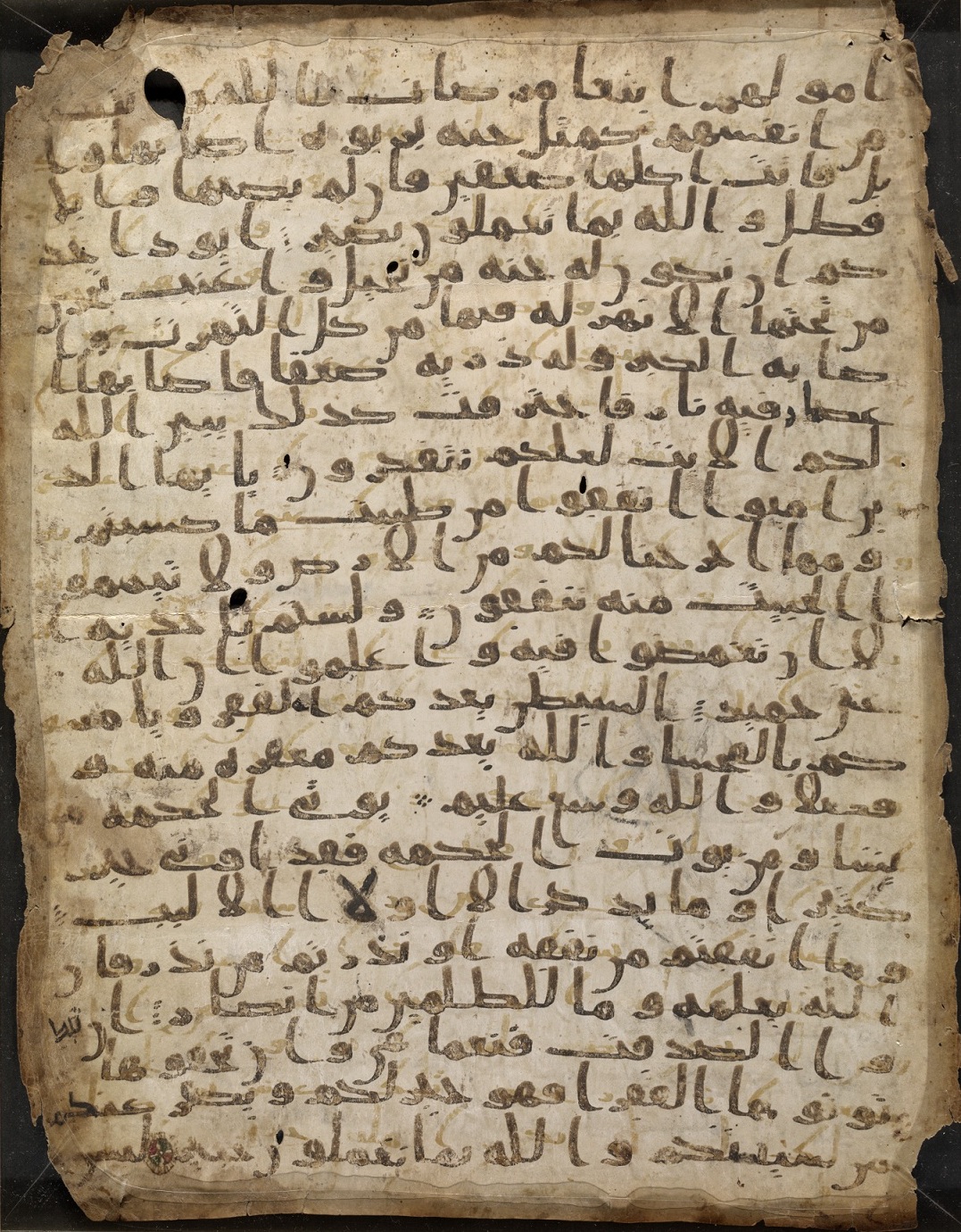 Book
Primary source
Sana'a Manuscript
c. 650 CE
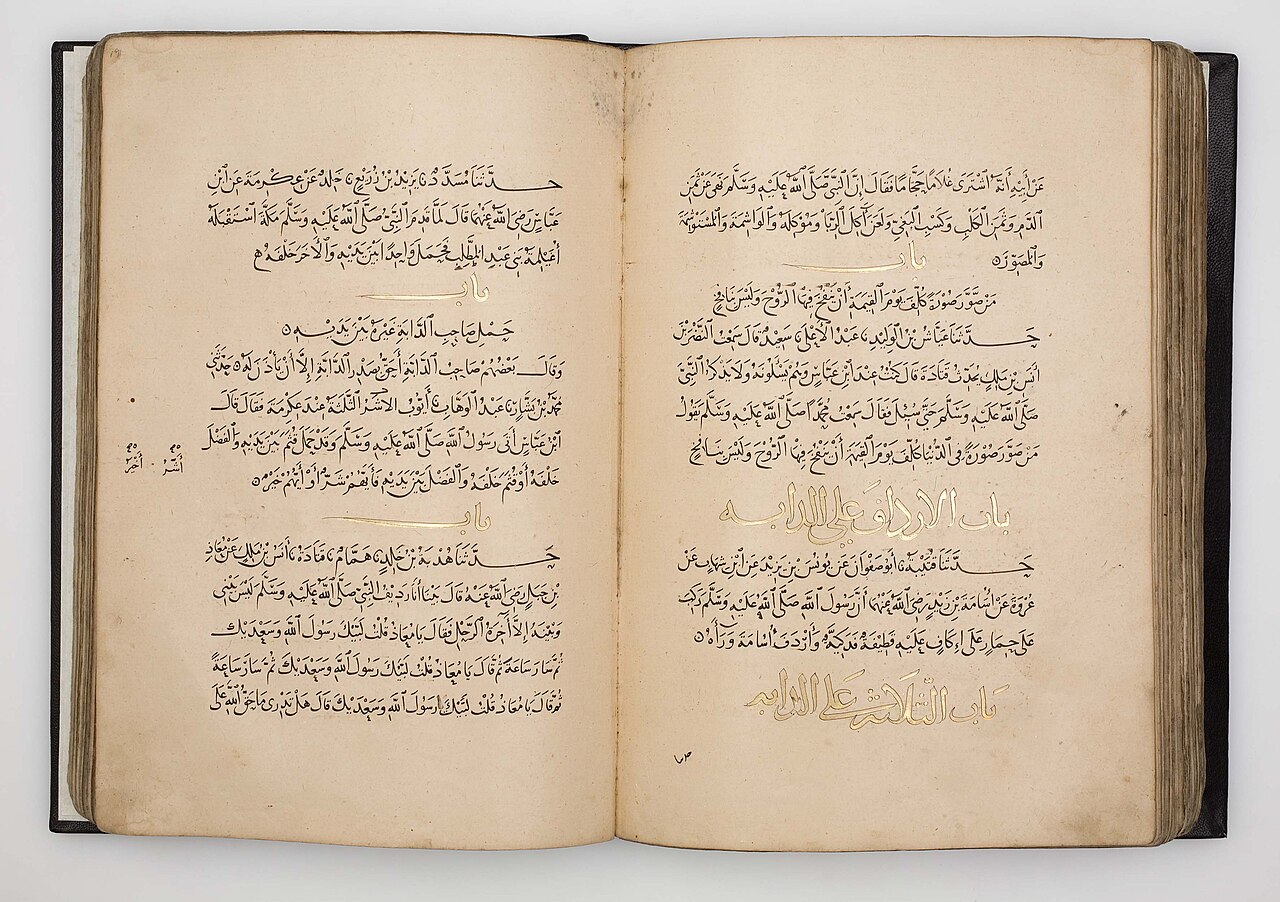 Book
Secondary source
Sahih al-Bukhari
Muhammad ibn Isma'il al-Bukhari · c. 846 CE
Free account
Read every Muhammad source
Sign up free →
Ready when you are
Start chatting with Muhammad now.
20 messages free · No credit card · Available in 50+ languages.