


Secondary sourcePainting1875
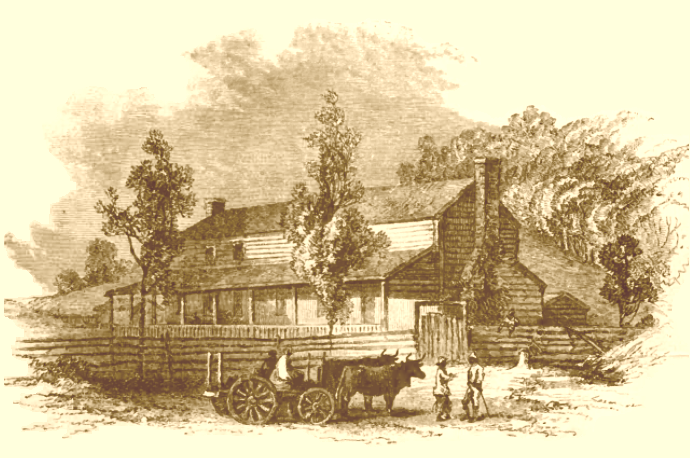
The John Ross House
James Wells Champney · 1875
An 1875 engraving by James Wells Champney depicting the Rossville house, built in 1795, after John Ross's death.
Depicts the Rossville house linked to Ross's family, drawn years after his death.
About this source
What it is
This sepia-toned engraving was made in 1875 by artist James Wells Champney. It shows a two-story log and frame house with a long porch, a tall chimney, and a split-rail fence, with an ox team and wagon in front. The house, built in 1795 by John McDonald, stands in Rossville, Georgia, and is one of the oldest structures still standing in northwestern Georgia.
Why it matters
This image was made after John Ross had died, so it is a later artistic view rather than a firsthand record. It still shows the home connected to Ross's family history and gives a sense of the rural setting where the Ross family lived, built generations earlier by John McDonald.
Look closer
- Why might an artist choose to draw this house years after John Ross's death?
- What details in the drawing suggest rural life at the time?
- Does this image show us anything directly about Ross himself, or only his surroundings?
This painting is part of the curated material that grounds the AI version of John Ross on Humy.ai — when students ask about related events, the AI can quote it and cite it.
More John Ross sources
Meet the AI John Ross →Primary source
Letter from John Ross to the Senate and House of Representatives
John Ross · 28 September 1836
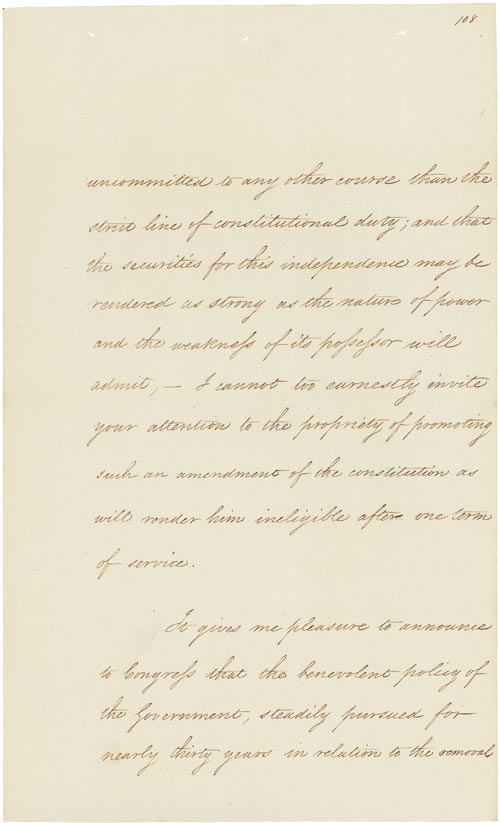 Speech
Primary source
Message to Congress On Indian Removal
Andrew Jackson · 6 December 1830
Primary source
Worcester v. Georgia
John Marshall · 1832
 Painting
Primary source
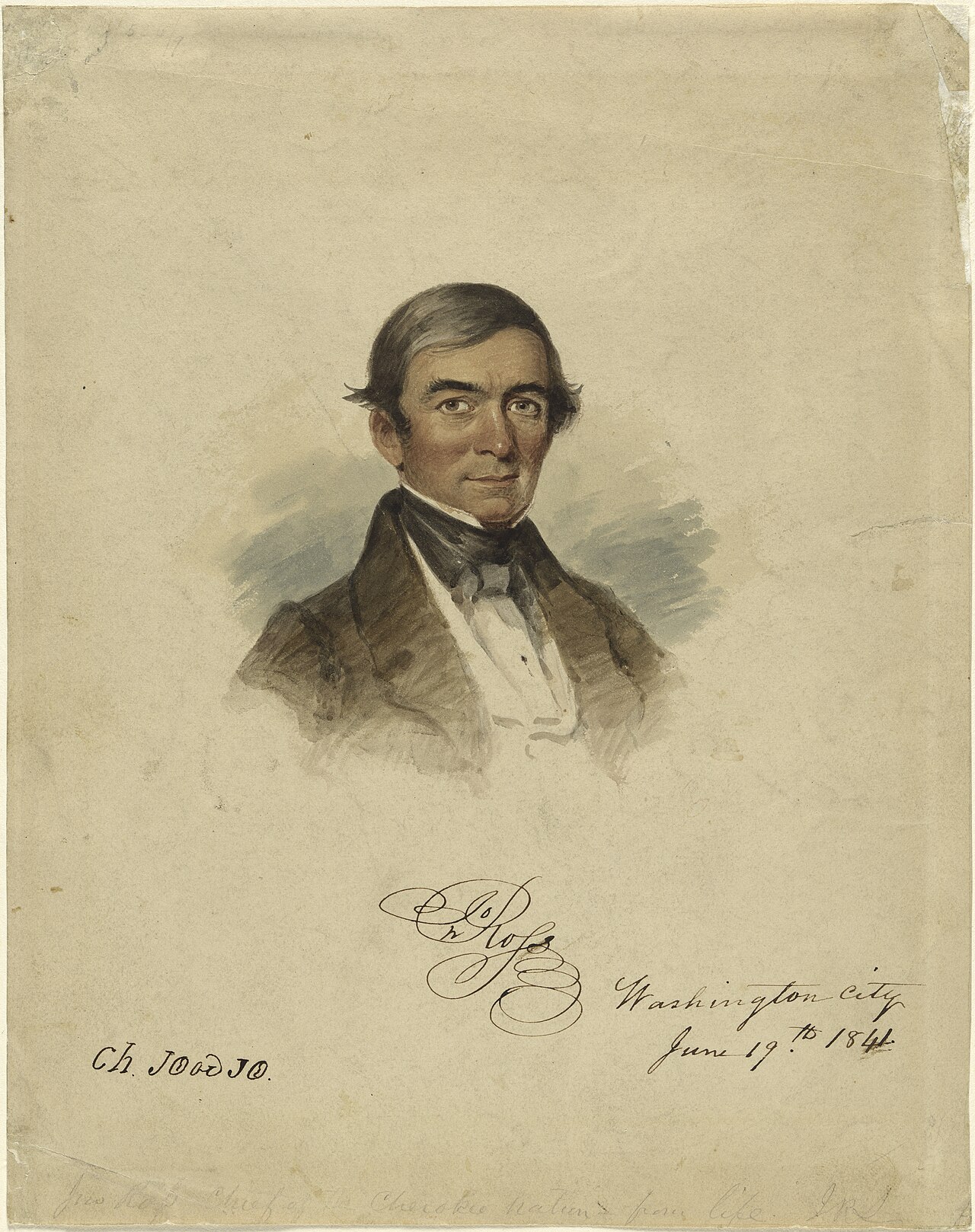
John Ross by John Rubens Smith
John Rubens Smith · 1841 (inscribed 1844)
 Painting
Secondary source
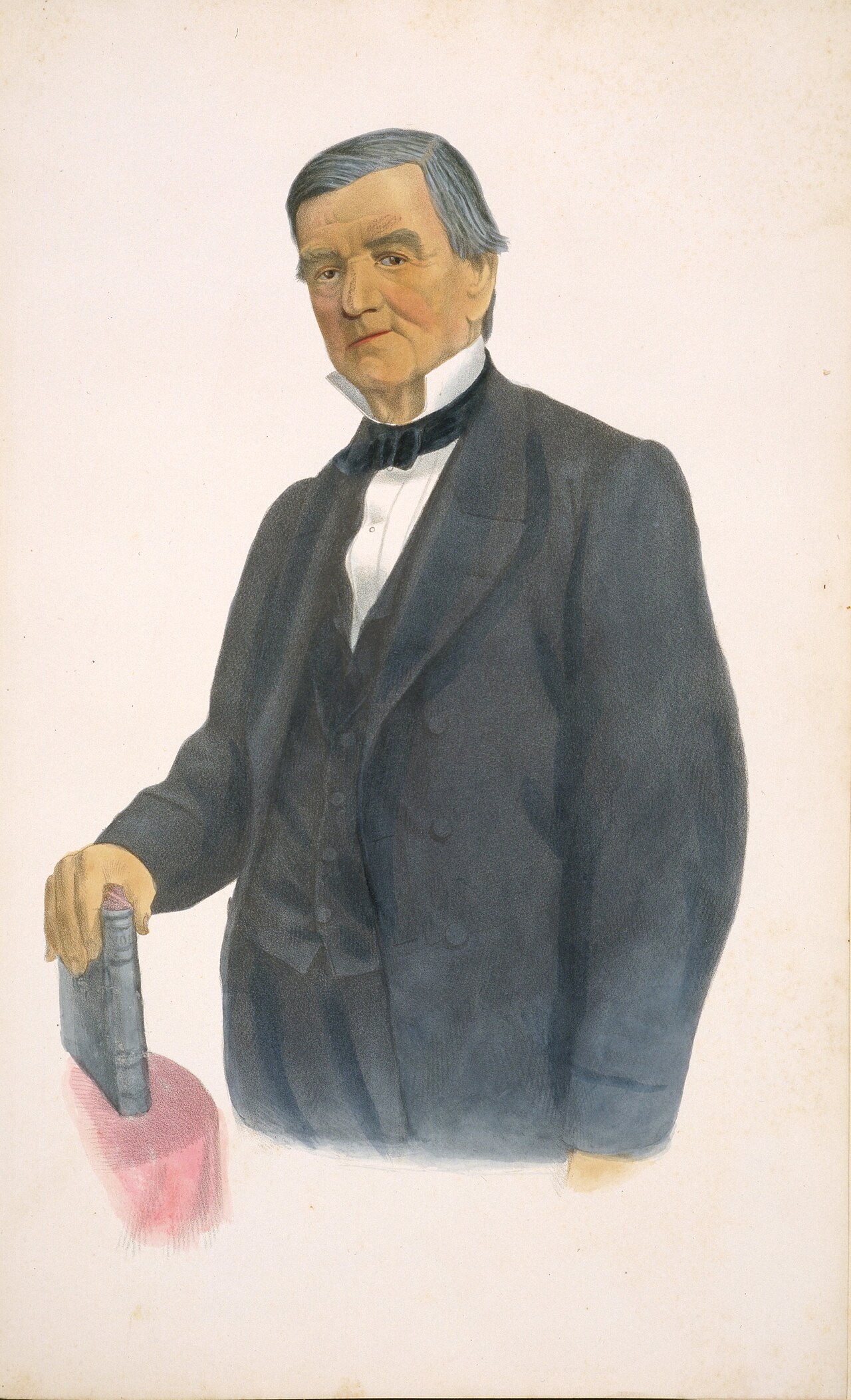
John Ross (Cherokee chief)
Charles Bird King (original); Thomas Loraine McKenney and James Hall (publication) · 1838-1844
Ready when you are
Start chatting with John Ross now.
20 messages free · No credit card · Available in 50+ languages.