


Primary sourceDocument1832
Worcester v. Georgia
John Marshall · 1832
The 1832 Supreme Court ruling affirming Cherokee sovereignty, which Jackson declined to enforce.
Jackson's reported refusal to enforce this ruling against Cherokee removal is central to debates about his disregard for judicial authority.
About this source
What it is
Worcester v. Georgia was a Supreme Court case decided in 1832. Chief Justice John Marshall's opinion held that a Georgia law restricting non-Native Americans on Cherokee land was unconstitutional, recognizing the Cherokee Nation's right to govern its own territory.
Why it matters
The ruling laid foundations for the idea of tribal sovereignty in American law. President Andrew Jackson did not enforce the decision, and it is central to debates about his disregard for the courts and his role in the removal of Native peoples. The case also involved missionary Samuel Worcester, who had defended Cherokee sovereignty and was imprisoned under the Georgia law the Court struck down.
Look closer
- Why did the Supreme Court say Georgia's law was unconstitutional?
- What does Jackson's refusal to enforce the ruling suggest about the relationship between the presidency and the courts?
- Why might this case matter to Cherokee people specifically, beyond the legal arguments?
This document is part of the curated material that grounds the AI version of Andrew Jackson on Humy.ai — when students ask about related events, the AI can quote it and cite it.
More Andrew Jackson sources
Meet the AI Andrew Jackson →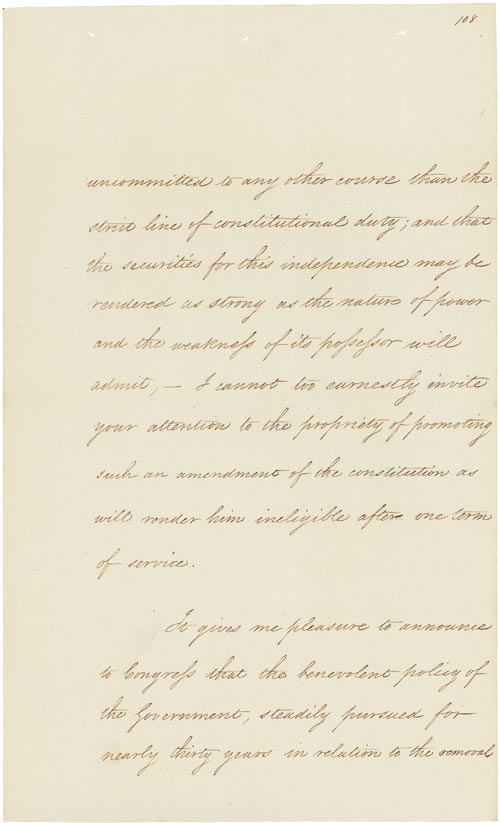 Speech
Primary source
Message to Congress On Indian Removal
Andrew Jackson · 6 December 1830
 Painting
Primary source
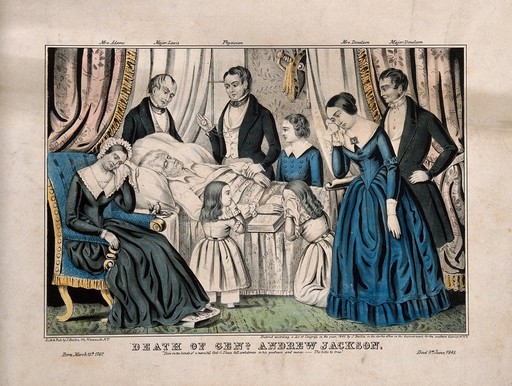
Death of General Andrew Jackson
1845
 Painting
Primary source
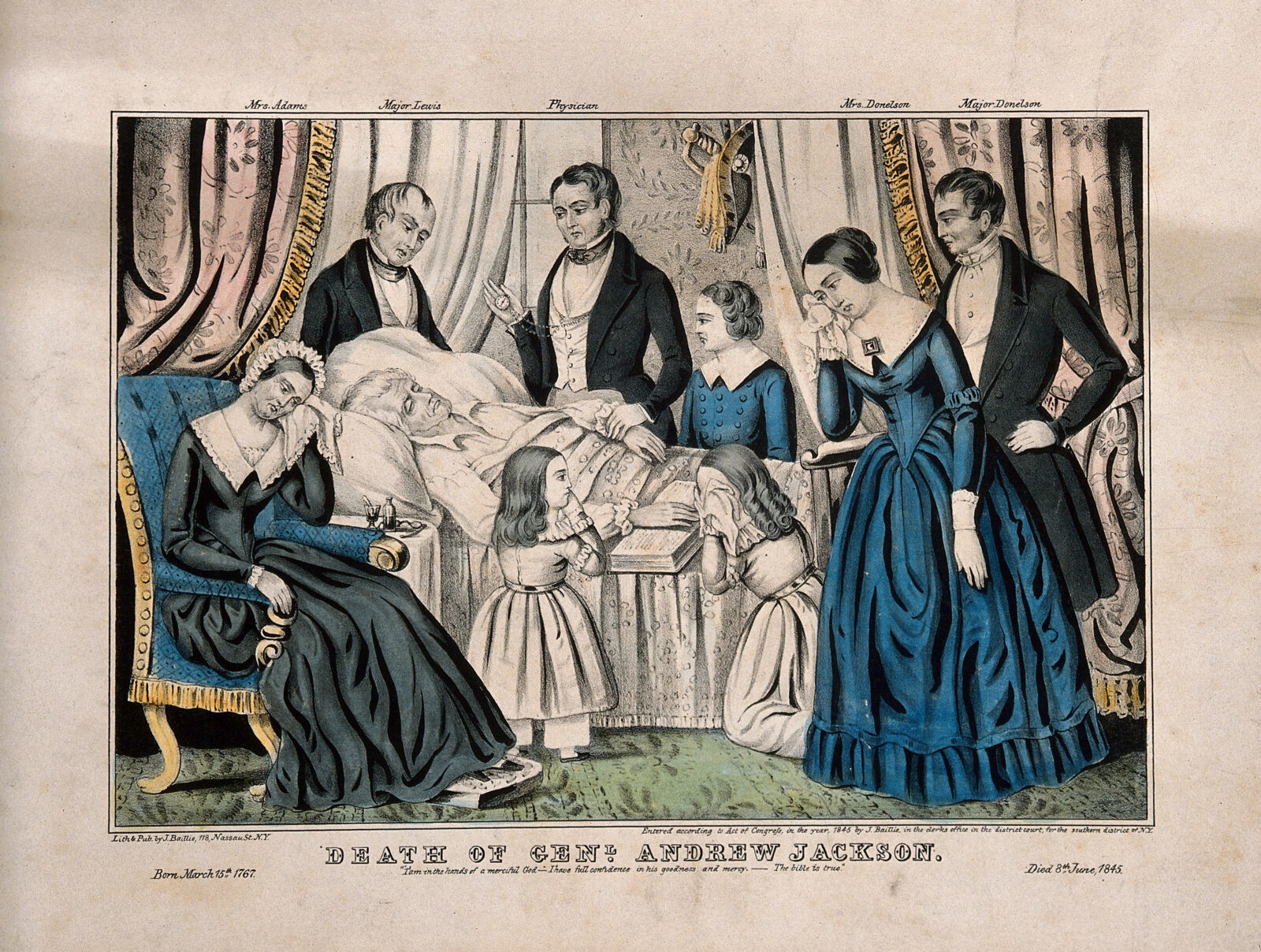
The Death of President Andrew Jackson
1845
Primary source
Indian Removal Act
United States Congress · 28 May 1830
 Photograph
Secondary source
Photograph of the Andrew Jackson Equestrian Statue, Lafayette Park
Clark Mills · c. 1880
Ready when you are
Start chatting with Andrew Jackson now.
20 messages free · No credit card · Available in 50+ languages.