


Primary sourceBook1906
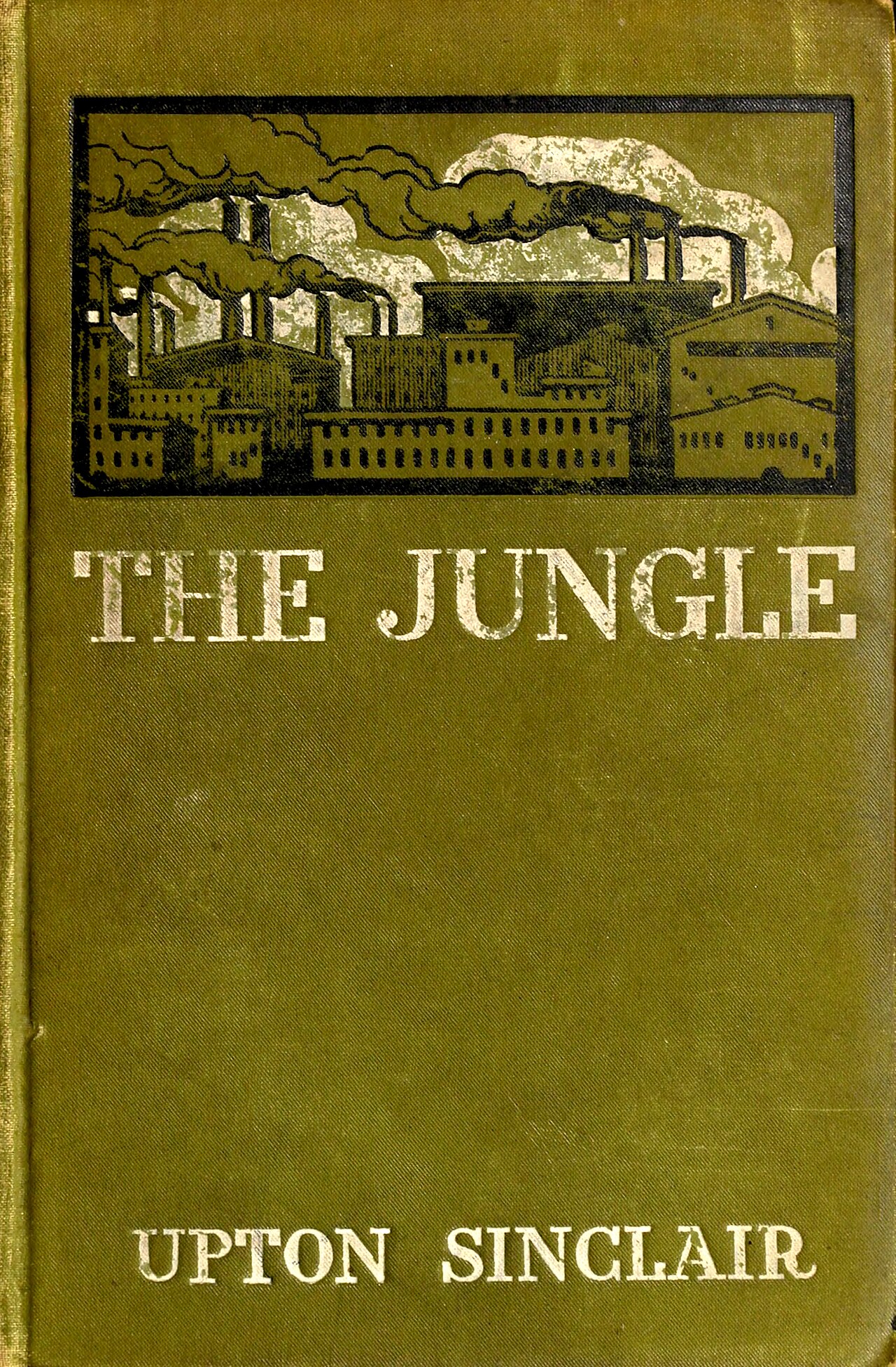
The Jungle
Upton Sinclair · 1906
Upton Sinclair's 1906 novel exposing meatpacking conditions, which provoked Roosevelt's investigation and new food-safety laws.
This novel's exposure of meatpacking conditions prompted Roosevelt to investigate and push for food-safety reform.
About this source
What it is
This is a novel by Upton Sinclair, published in 1906 by Doubleday, Page & Company after being serialized in 1905. It tells the story of a fictional immigrant family working in Chicago's meatpacking industry.
Why it matters
Though Sinclair wrote the book to promote socialism, its graphic descriptions of unsanitary meatpacking practices caused public outrage. President Theodore Roosevelt read the book, ordered an investigation into the meat industry, and the uproar helped lead to the Meat Inspection Act and the Pure Food and Drug Act of 1906. The book shows how a work of fiction could directly shape government policy.
Look closer
- Why might a novel have more impact on public opinion than a government report?
- What does Roosevelt's response tell you about the relationship between writers and politicians?
- What parts of the immigrant experience does the story focus on, and what might it leave out?
This book is part of the curated material that grounds the AI version of Theodore Roosevelt on Humy.ai — when students ask about related events, the AI can quote it and cite it.
More Theodore Roosevelt sources
Meet the AI Theodore Roosevelt →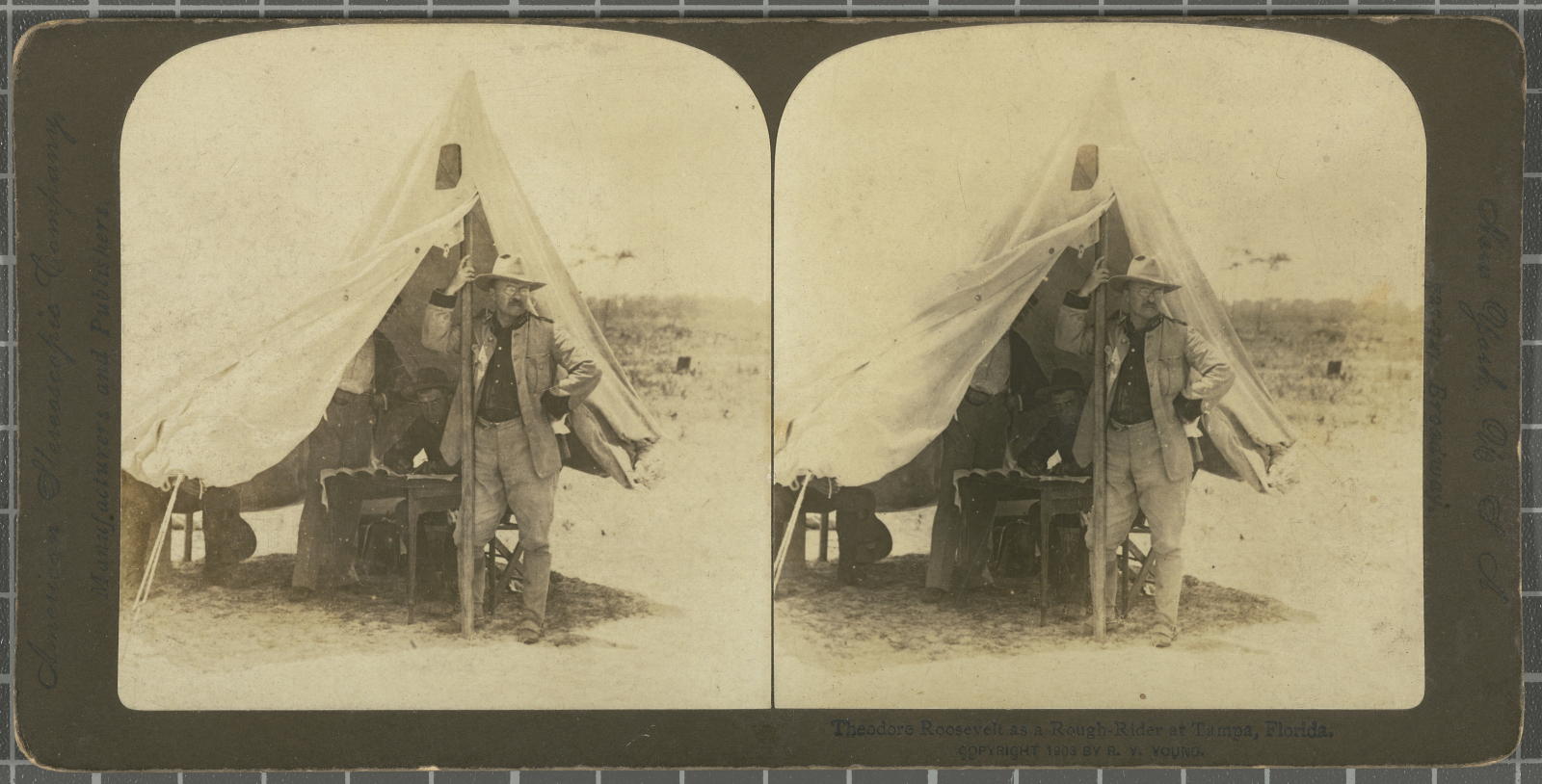 Photograph
Primary source
Theodore Roosevelt as a Rough Rider at Tampa, Florida
American Stereoscopic Company · c. 1898-1903
 Speech
Primary source
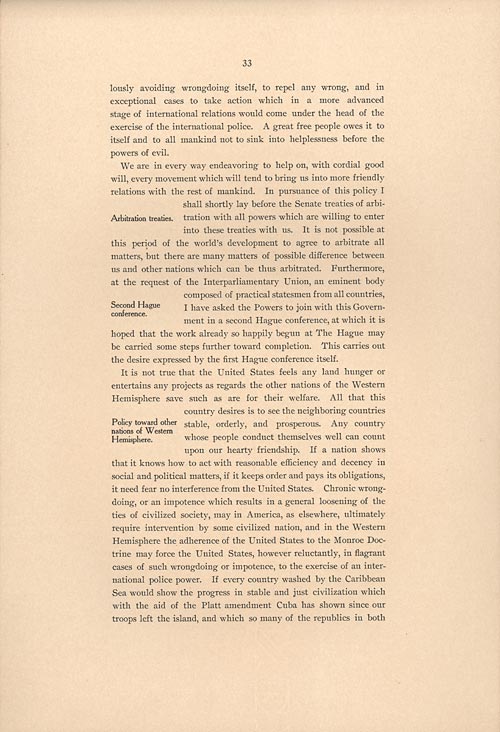
Theodore Roosevelt's Corollary to the Monroe Doctrine
Theodore Roosevelt · 6 December 1904
Primary source
Pure Food and Drug Act
1906
 Photograph
Primary source
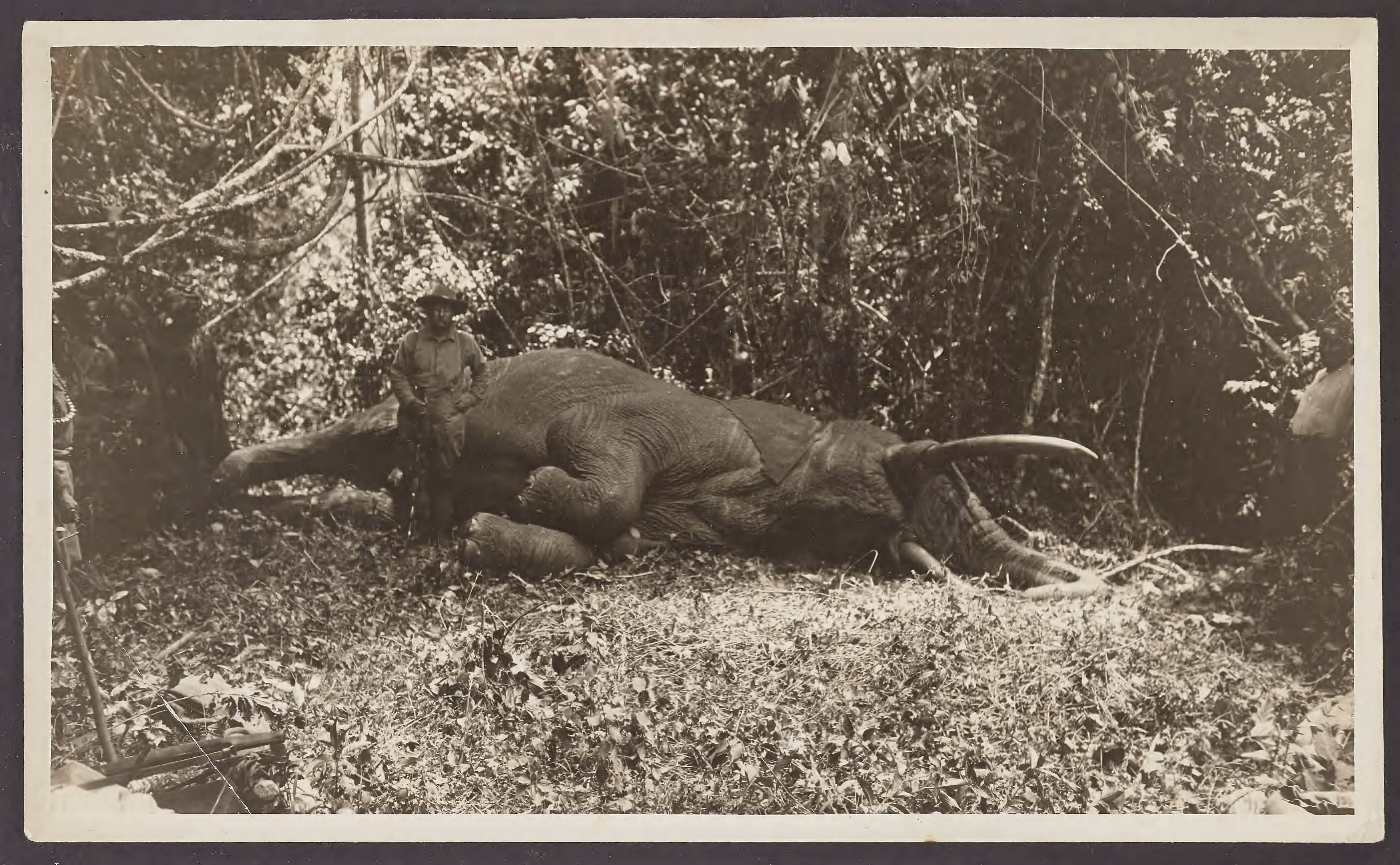
Theodore Roosevelt with the Bull Elephant He Killed
Edmund Heller
Primary source
The Man with the Muck Rake
Theodore Roosevelt · 1906
Ready when you are
Start chatting with Theodore Roosevelt now.
20 messages free · No credit card · Available in 50+ languages.