


Primary sourcePainting1558
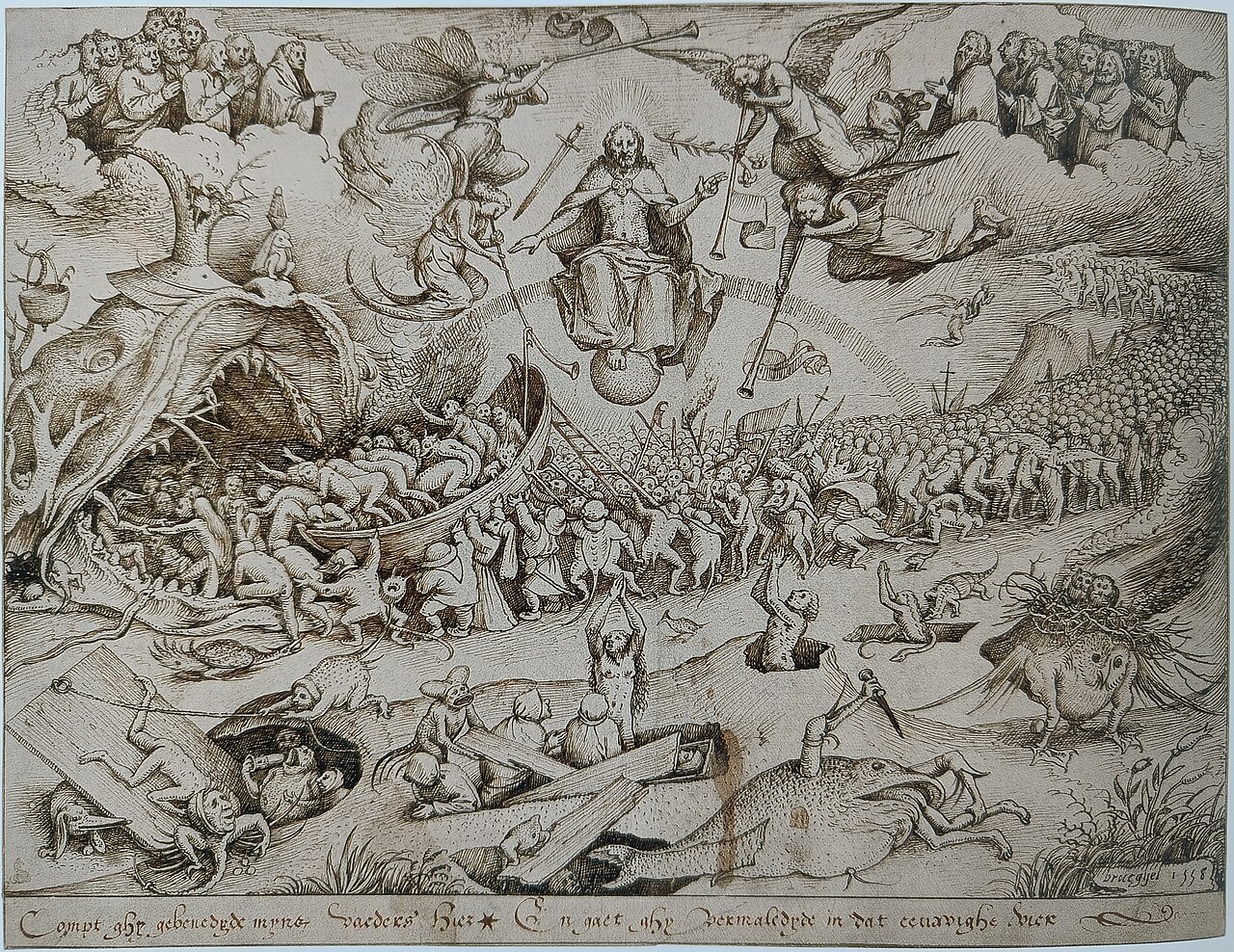
The Last Judgment
Pieter Brueghel the Elder (attributed) · 1558
A pen-and-ink drawing attributed to Pieter Bruegel the Elder, dated 1558, showing Christ's Last Judgment with the dead rising and the damned being tormented.
A drawing attributed to Bruegel showing his imaginative, crowded compositional style on a religious theme.
About this source
What it is
This pen-and-ink drawing, dated 1558 and attributed to Pieter Bruegel the Elder, is held in the Albertina museum. It shows Christ enthroned above, angels blowing trumpets, the dead rising from their graves, and scenes of torment including a monstrous beast devouring the damned. An inscription in Dutch runs along the bottom.
Why it matters
The Last Judgment was a popular religious subject in the 16th century, used to remind viewers of the consequences of sin. This crowded, imaginative composition shows Bruegel's skill at filling a scene with many small figures and inventing strange, monstrous creatures, a style he used throughout his career.
Look closer
- What makes the beast devouring the damned look frightening rather than realistic?
- How does Bruegel organize the crowded scene so the viewer's eye knows where to look first?
- What might the Dutch inscription at the bottom have told viewers at the time?
This painting is part of the curated material that grounds the AI version of Pieter Bruegel the Elder on Humy.ai — when students ask about related events, the AI can quote it and cite it.
More Pieter Bruegel the Elder sources
Browse all 96 →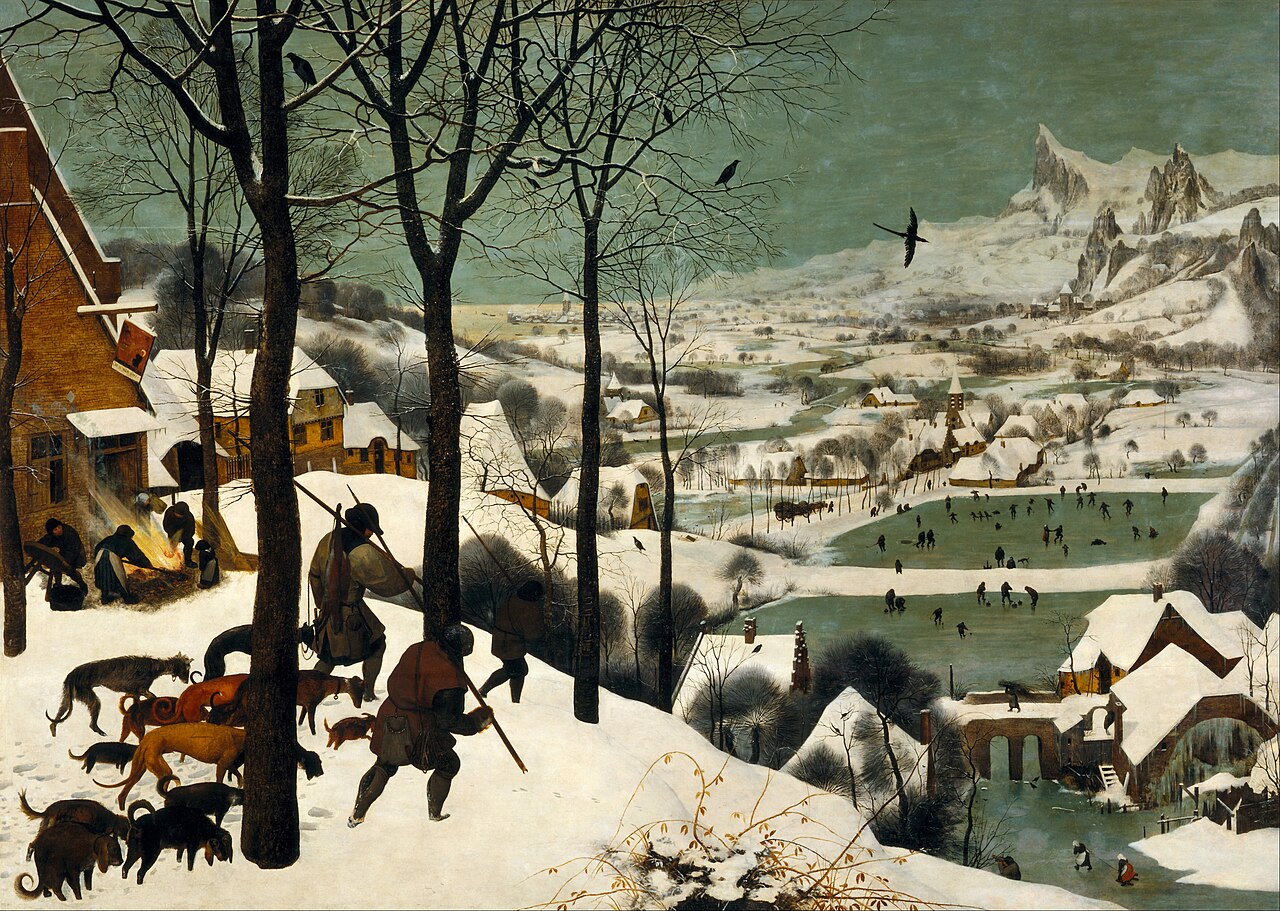 Painting
Primary source
The Hunters in the Snow
Pieter Bruegel the Elder · 1565
 Painting
Primary source
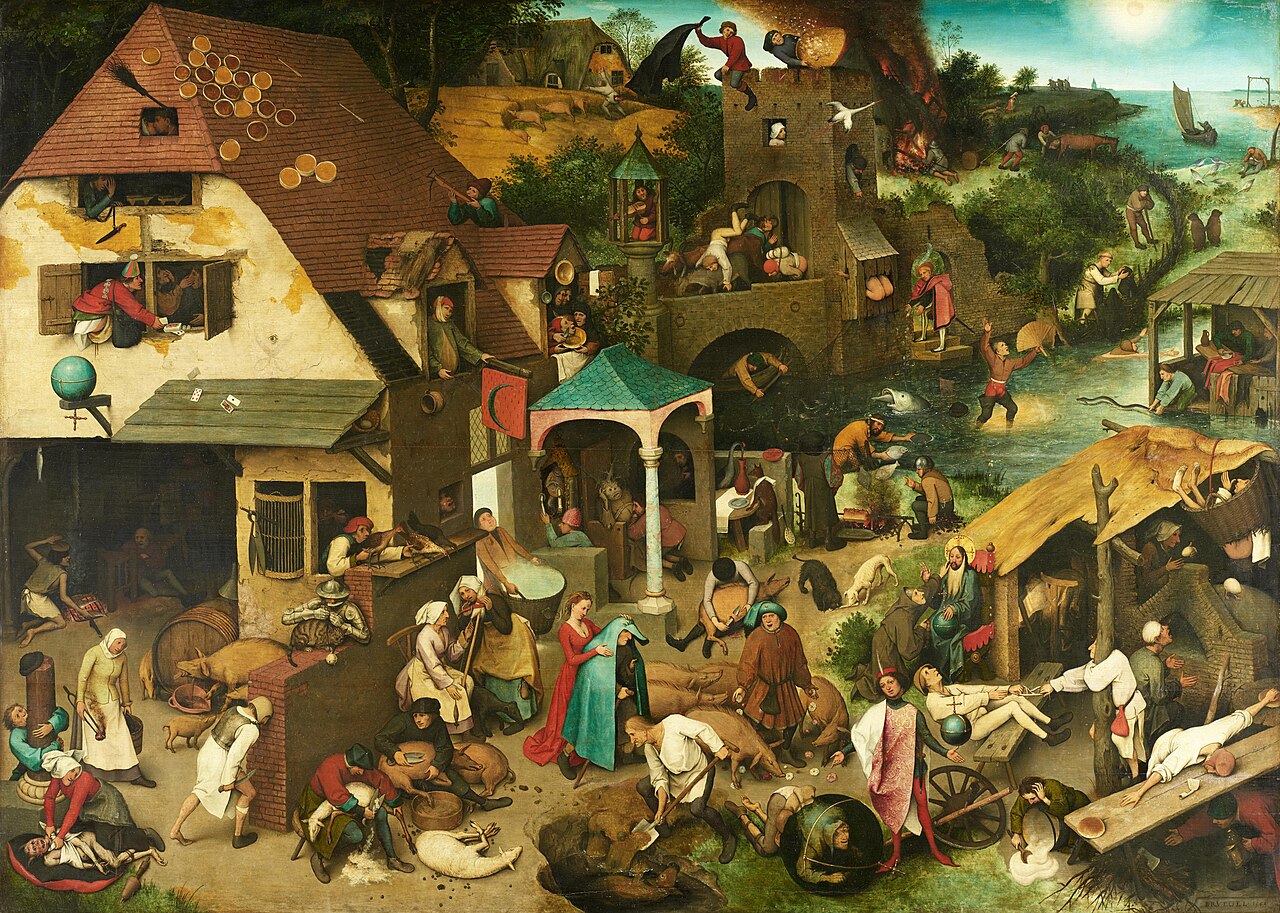
Netherlandish Proverbs
Pieter Bruegel the Elder · 1559
 Painting
Secondary source
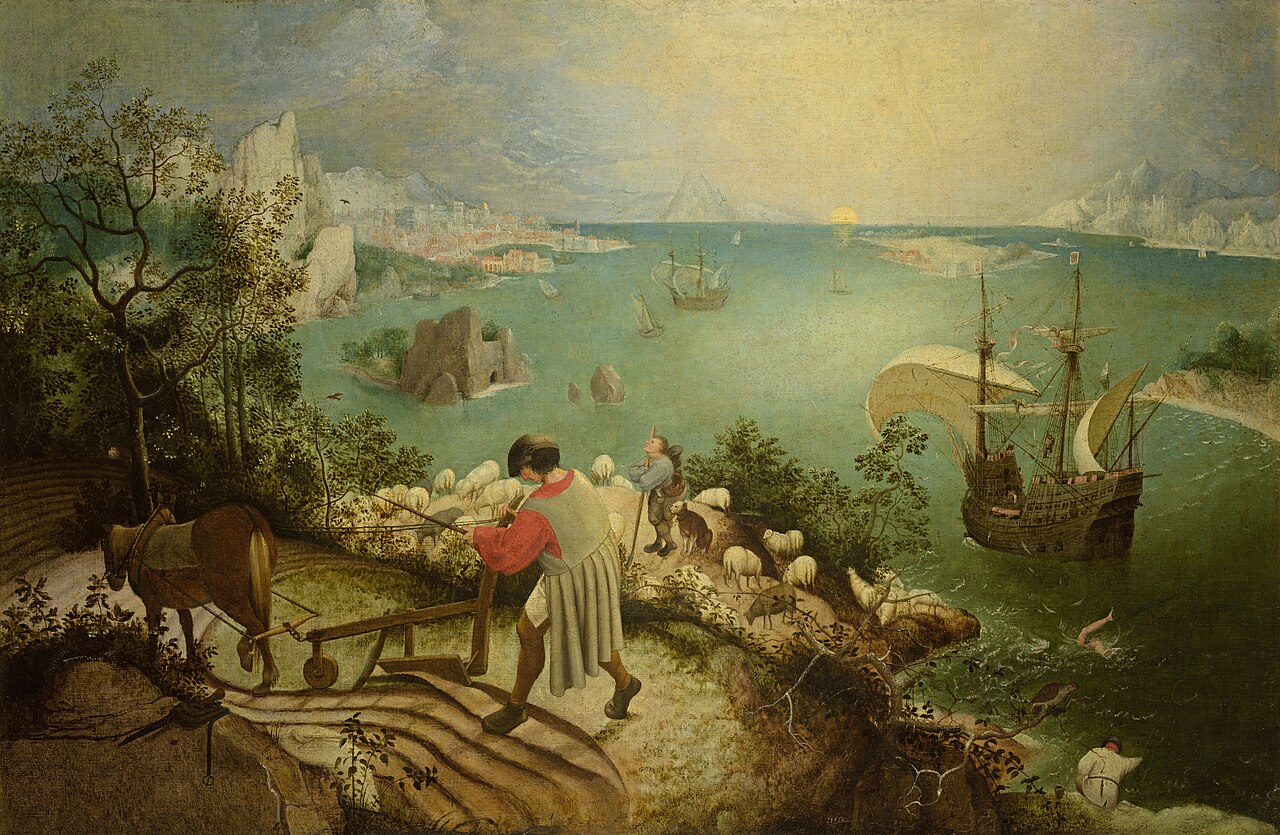
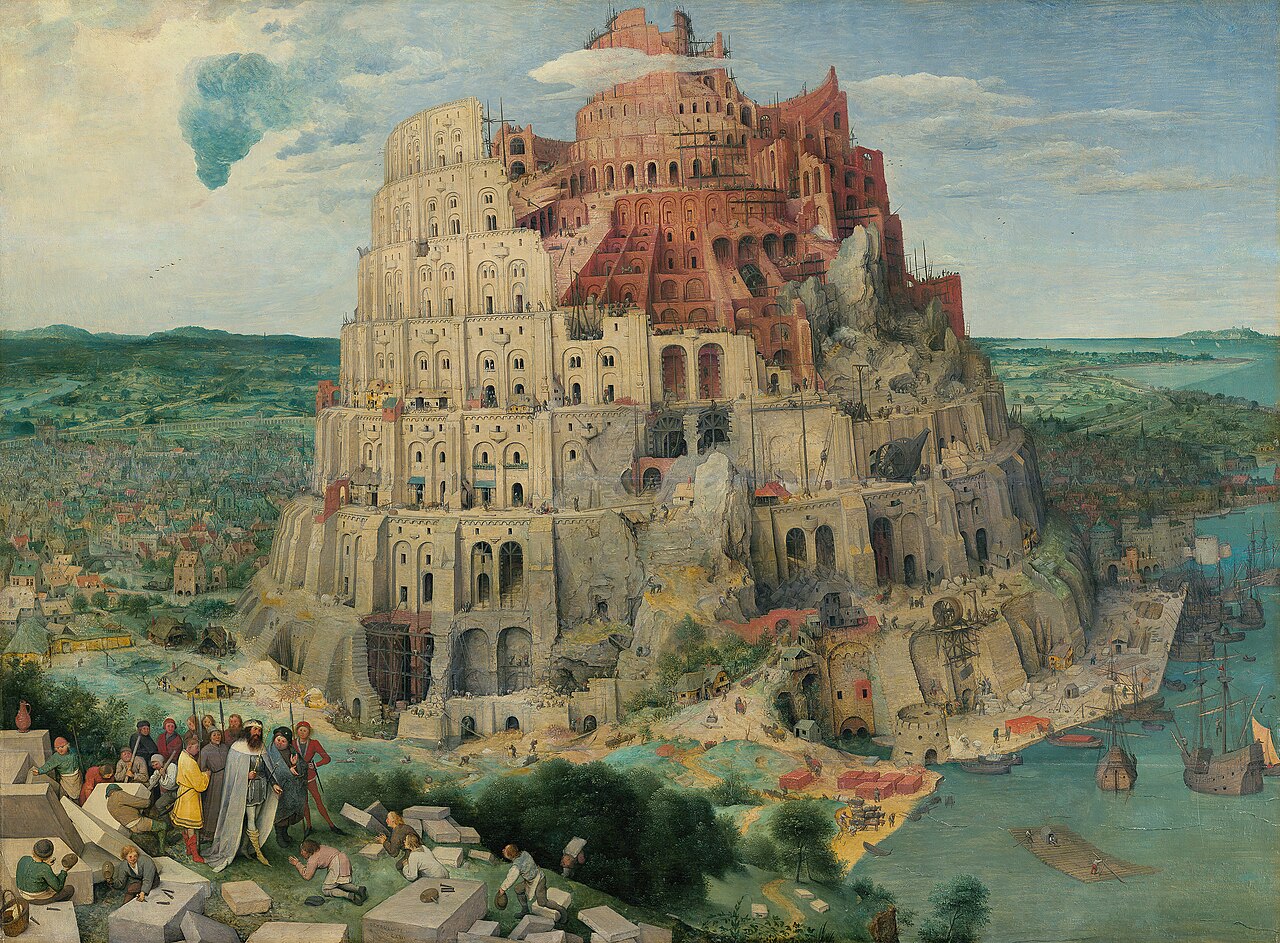
Landscape with the Fall of Icarus
Unknown (circle of Pieter Bruegel the Elder) · c. 1560s
 Painting
Primary source
The Tower of Babel
Pieter Bruegel the Elder · 1563
Free account
Read every Pieter Bruegel the Elder source
Sign up free →
Ready when you are
Start chatting with Pieter Bruegel the Elder now.
20 messages free · No credit card · Available in 50+ languages.